
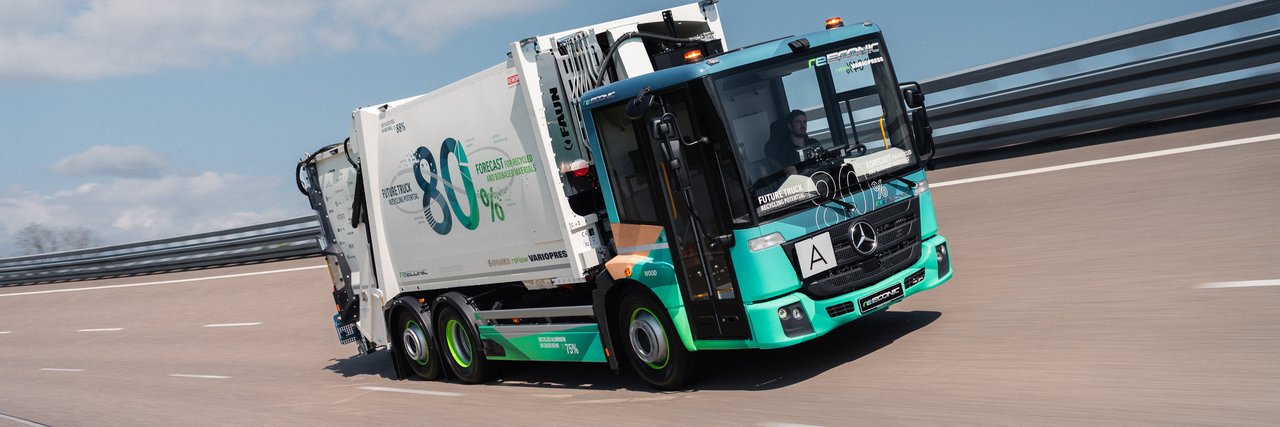
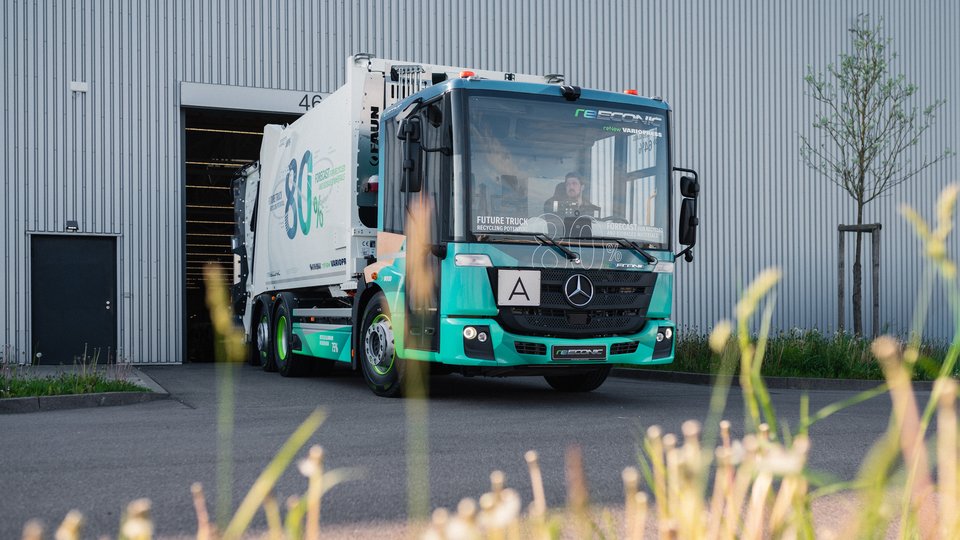
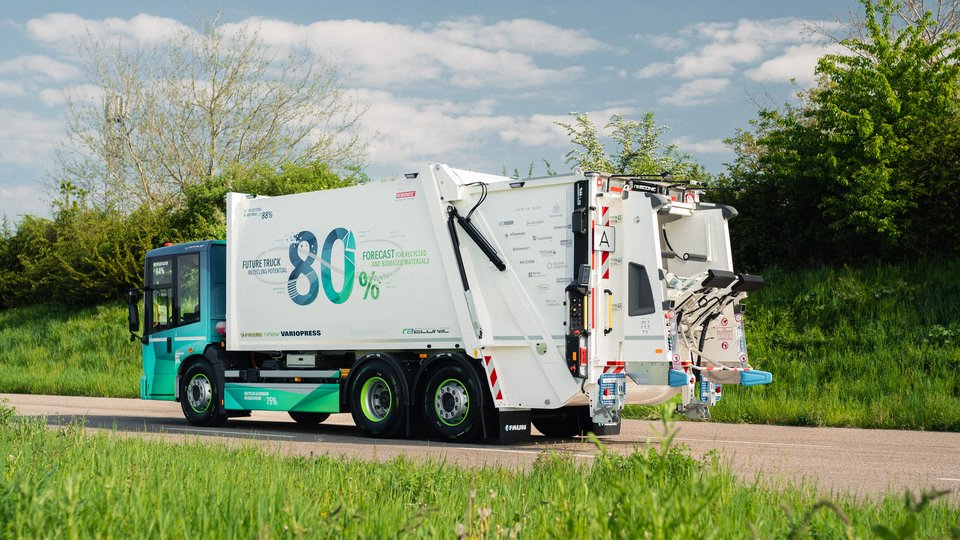
With the reECONIC concept vehicle, Mercedes-Benz Trucks, together with 32 partners, is demonstrating the feasibility of a battery-electric waste collection vehicle produced in part from recycled materials.
reECONIC - Technical Information
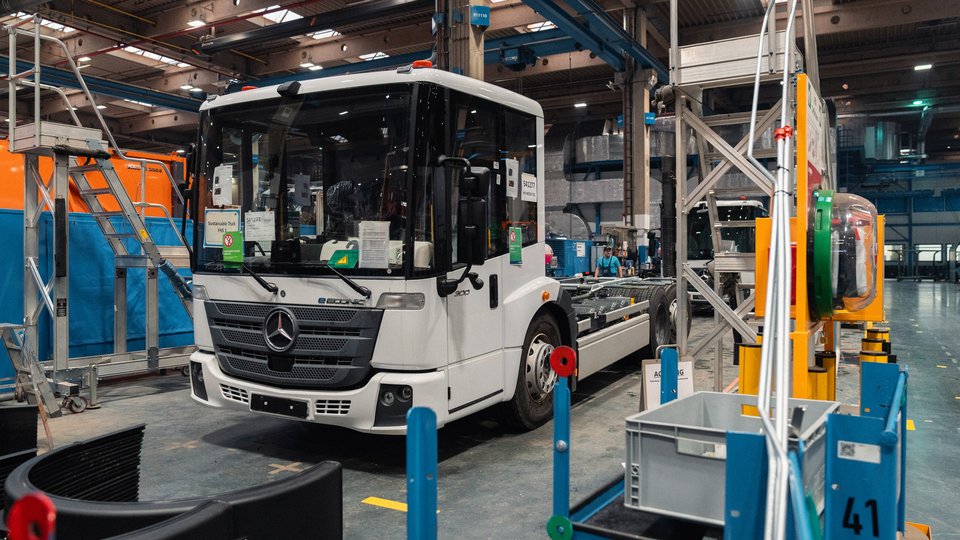
How can a holistic circular economy in the commercial vehicle sector succeed? Daimler Truck, the refuse collection vehicle specialist FAUN Umwelttechnik, the recycling company TSR Group, and other partners are demonstrating this together with the “reECONIC” concept vehicle. The concept vehicle is equipped with the new FAUN reNew VARIOPRESS body, which is also partly made from recycled materials. The reECONIC is being tested in everyday operations at REMONDIS.
Sustainability is an integral part of our strategy, which we are implementing in this project alongside strong partners. We are pursuing the clear goal of decarbonizing our products. In addition to battery-electric and hydrogen-based drive solutions, climate-friendly and resource-efficient production and supply processes also make a significant contribution. With the reECONIC, we are demonstrating a concrete path toward a more sustainable value chain in vehicle production.



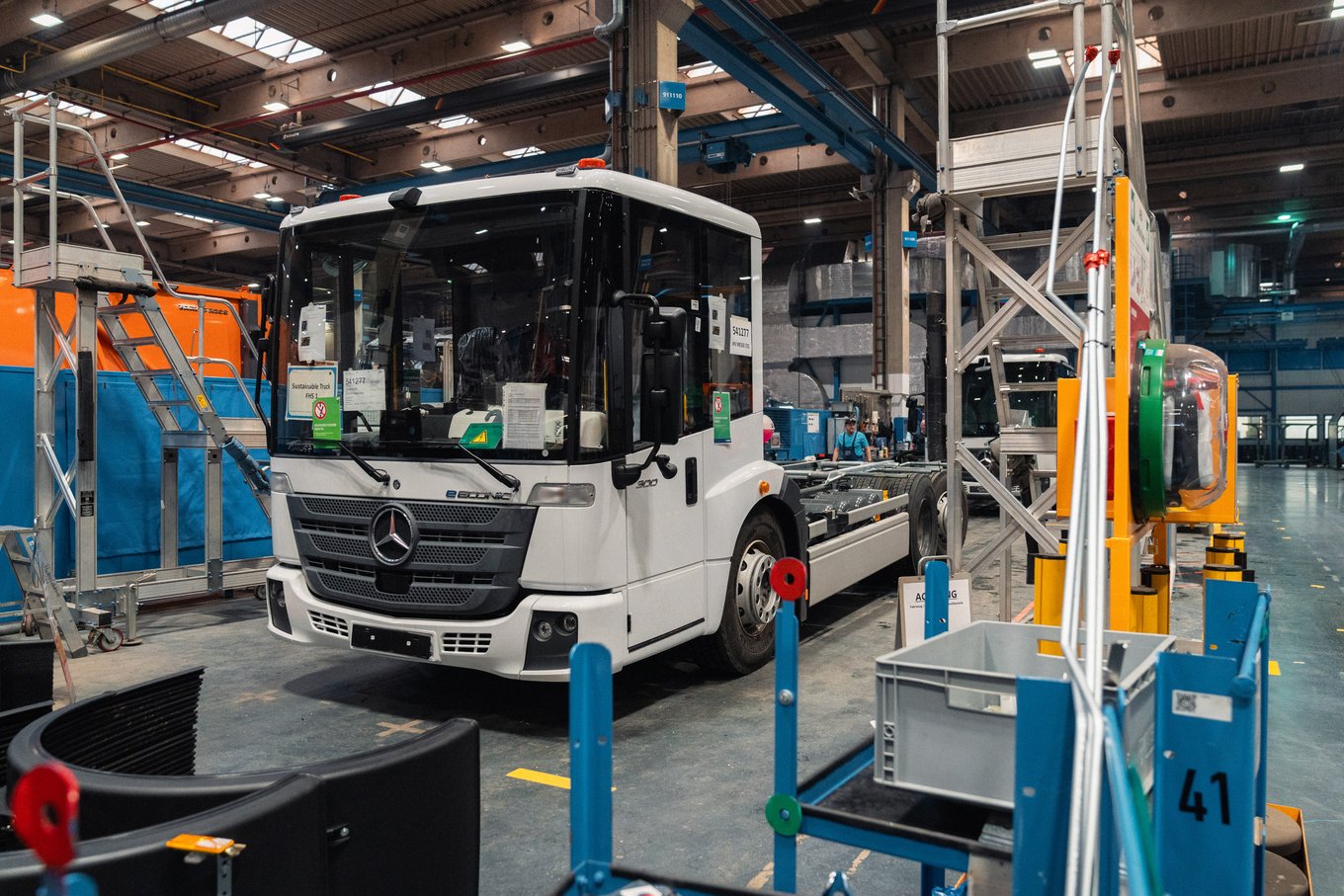
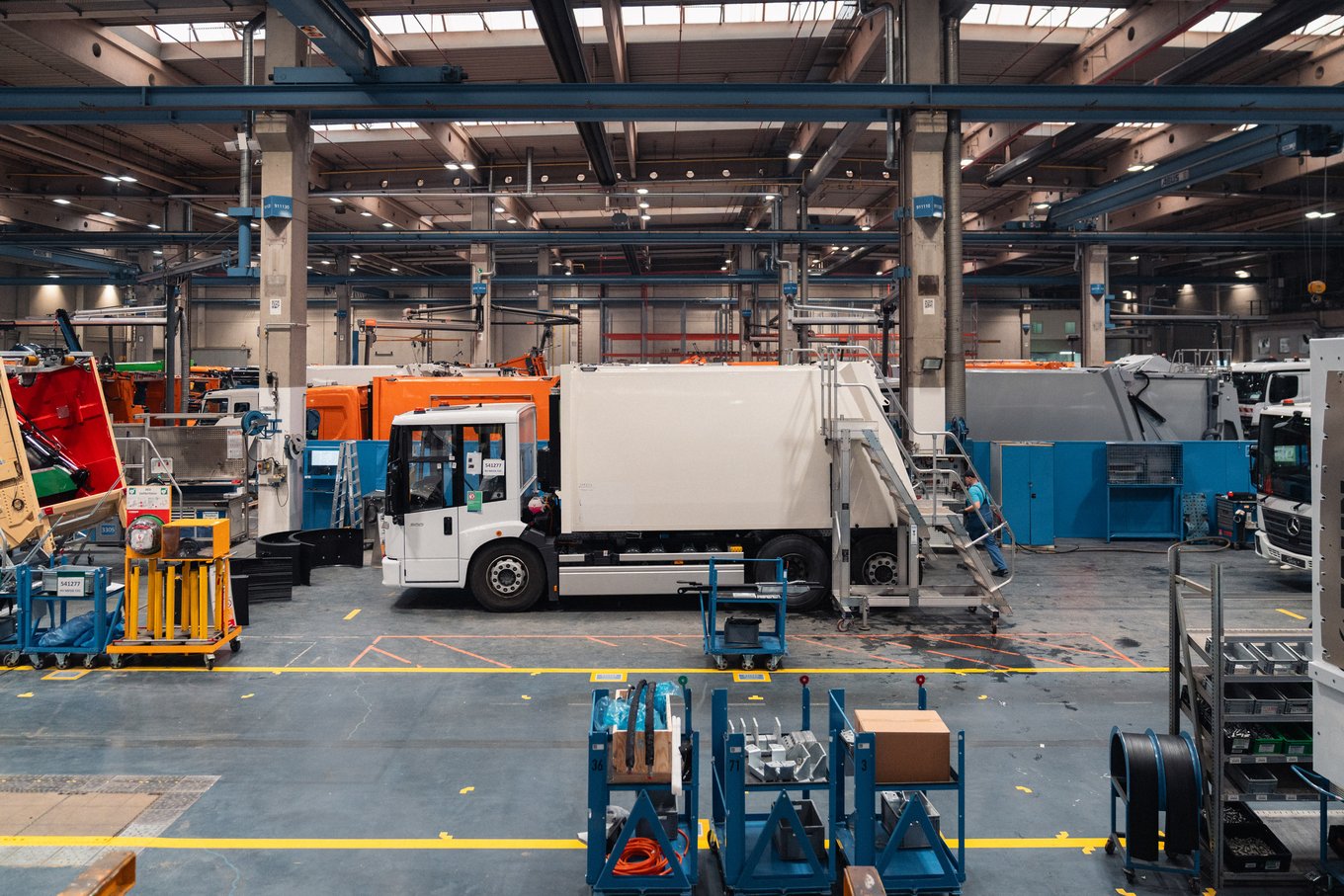
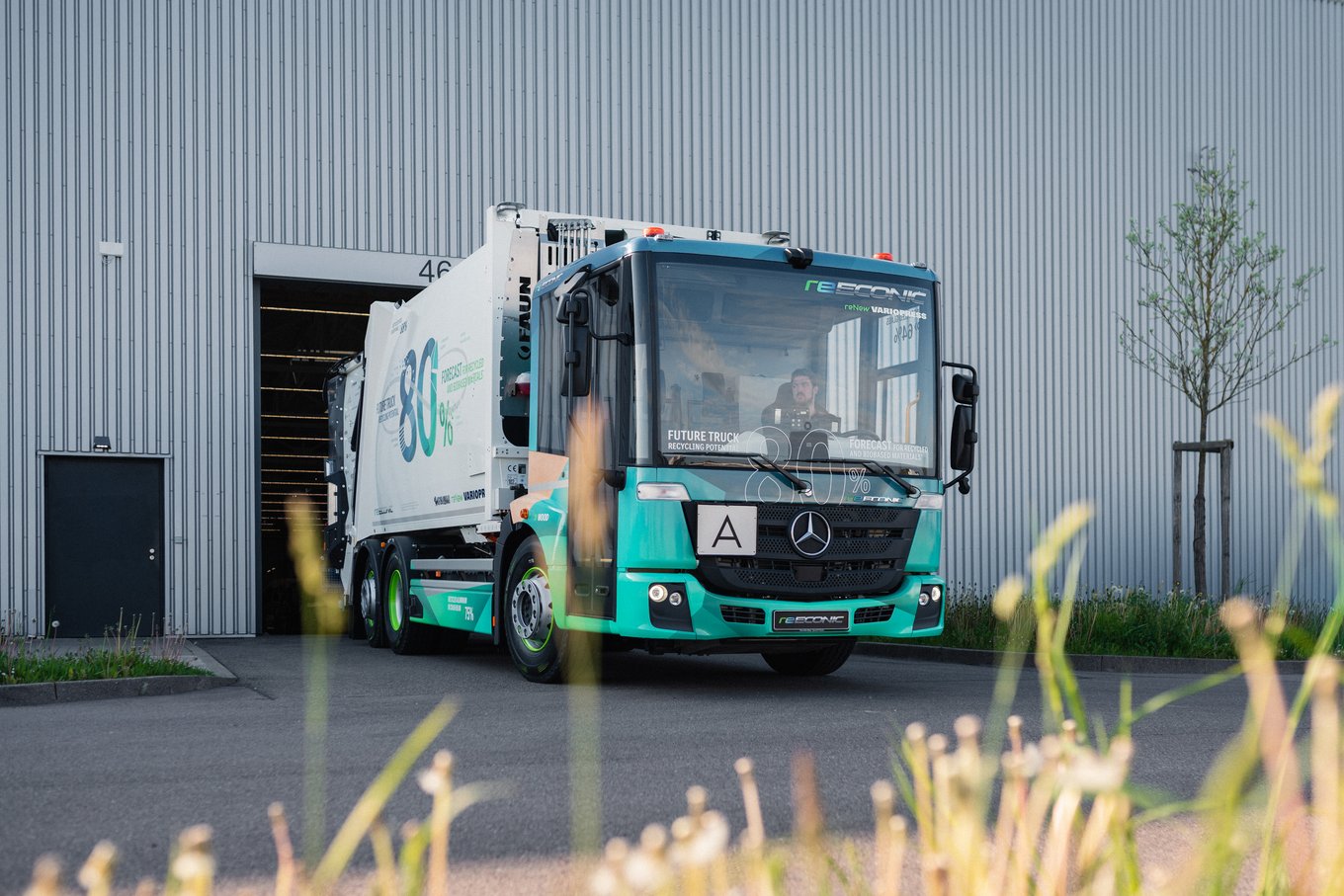
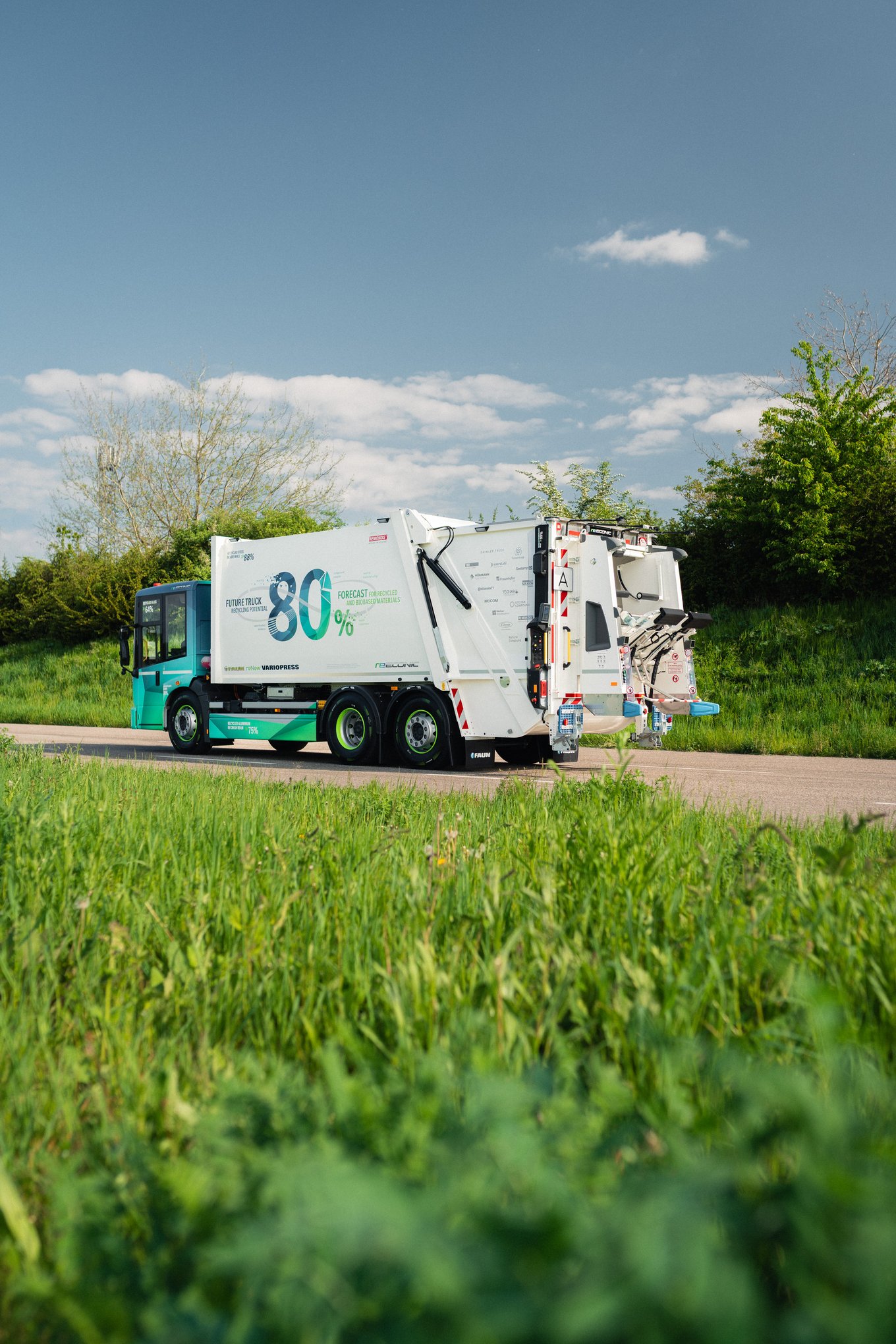
Circular thinking
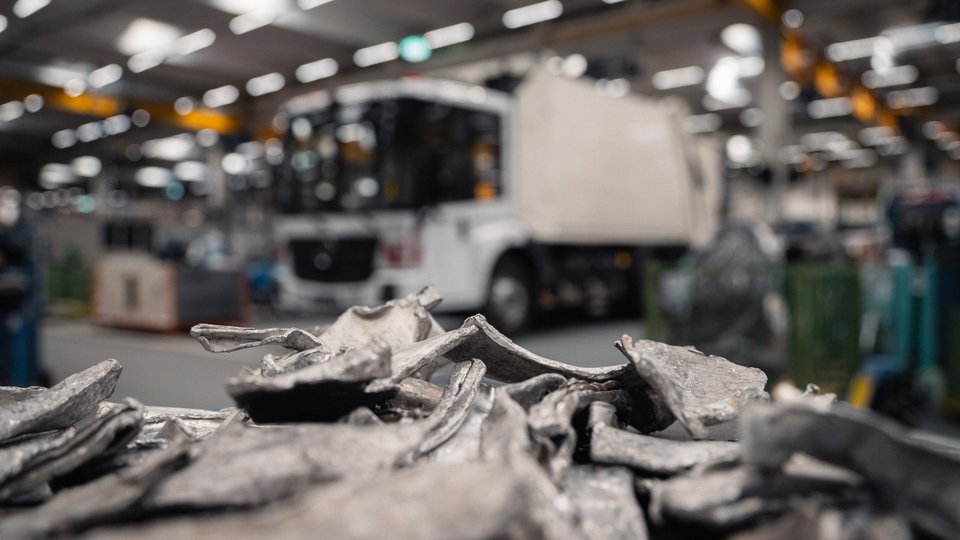
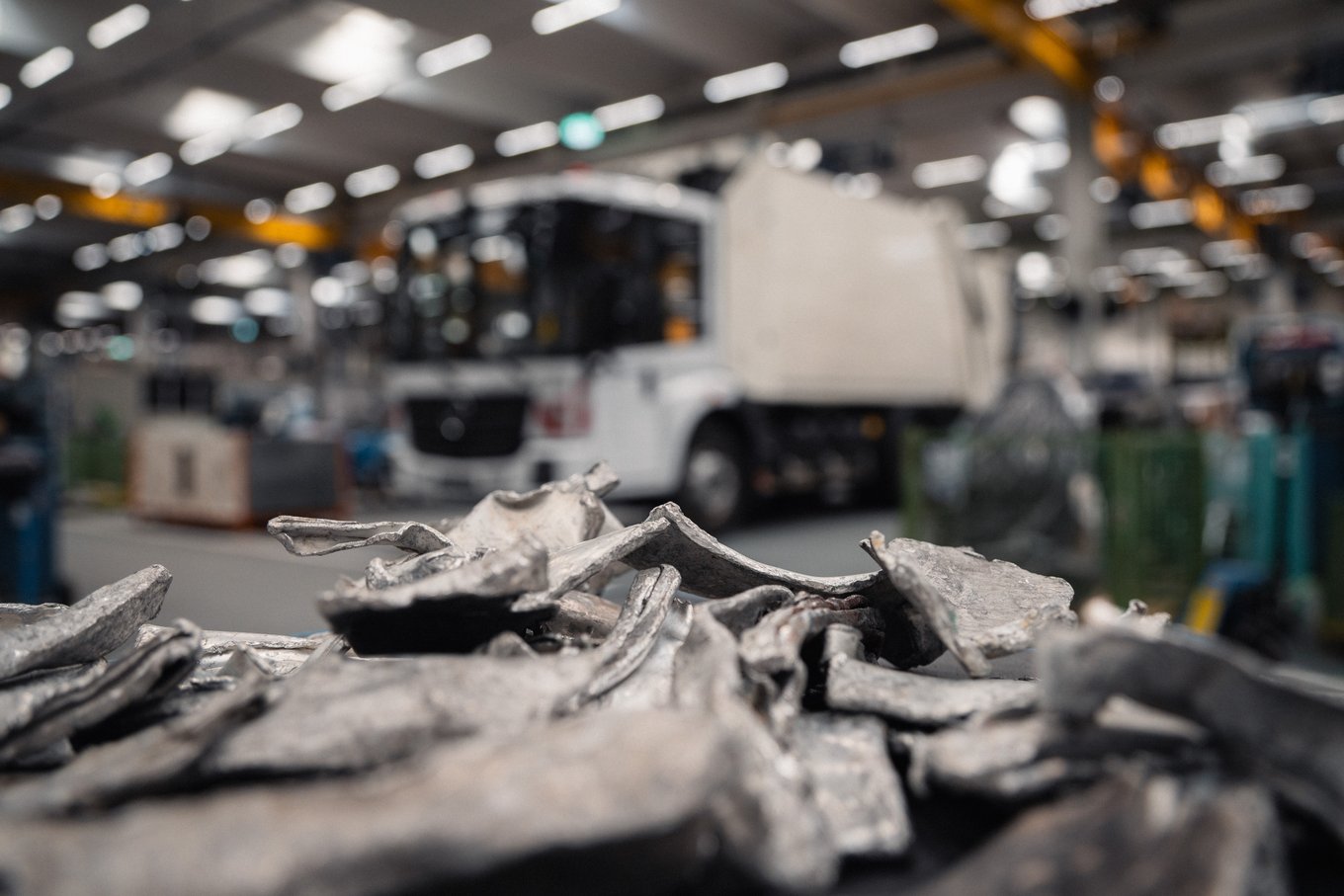
In the reECONIC, selected components were replaced with recycled materials and natural and bio-based materials. The partners supplemented the parts installed in the vehicle with forecasts and projections to determine how the circular content could theoretically be further increased.
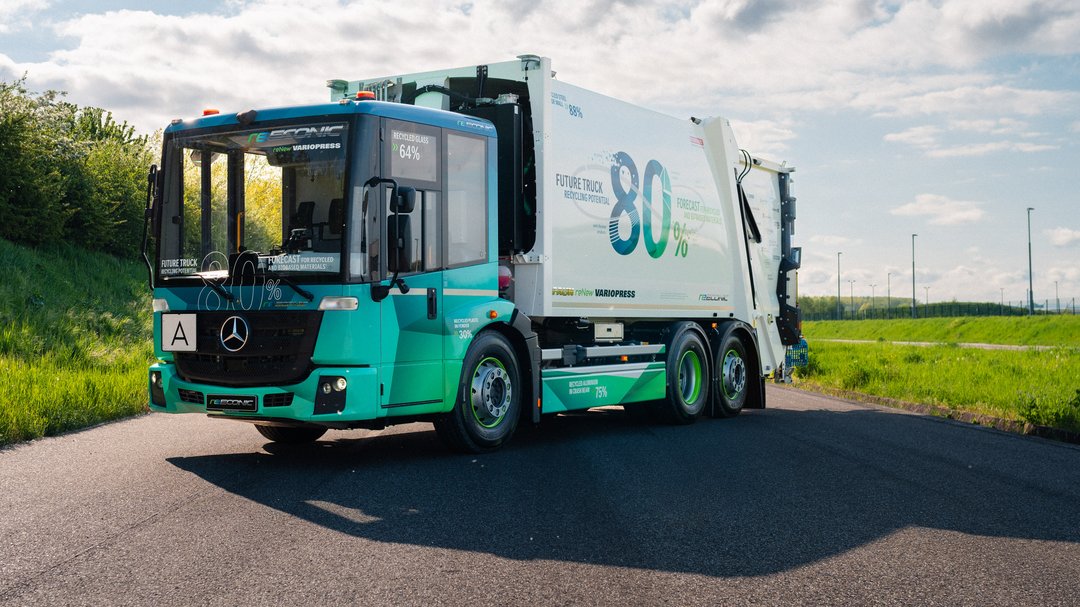
Two-lane road to a circular economy: Mercedes-Benz Trucks unveils the reECONIC – a battery-electric vehicle made from recycled materials
See the full press release and all images in the Newsroom
From Waste Collection Vehicle to Innovation Lab
The team behind the reECONIC: Bringing circular economy into the vehicle
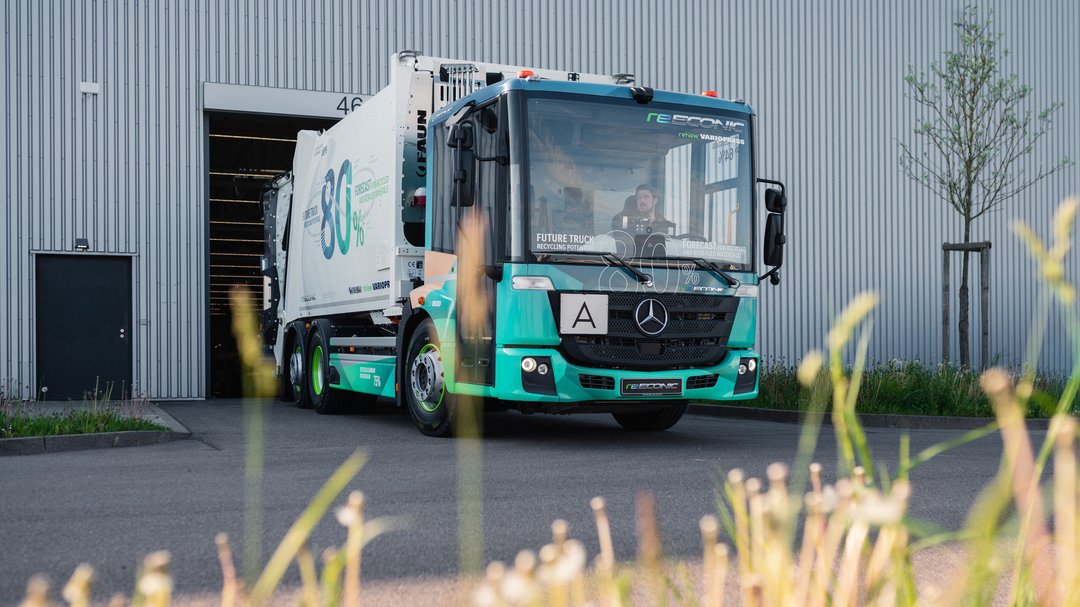
The components:
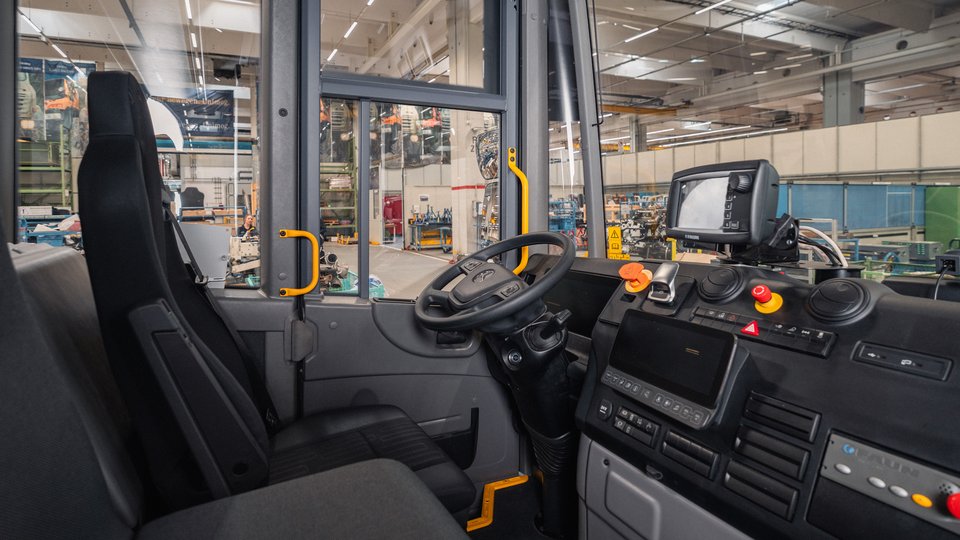
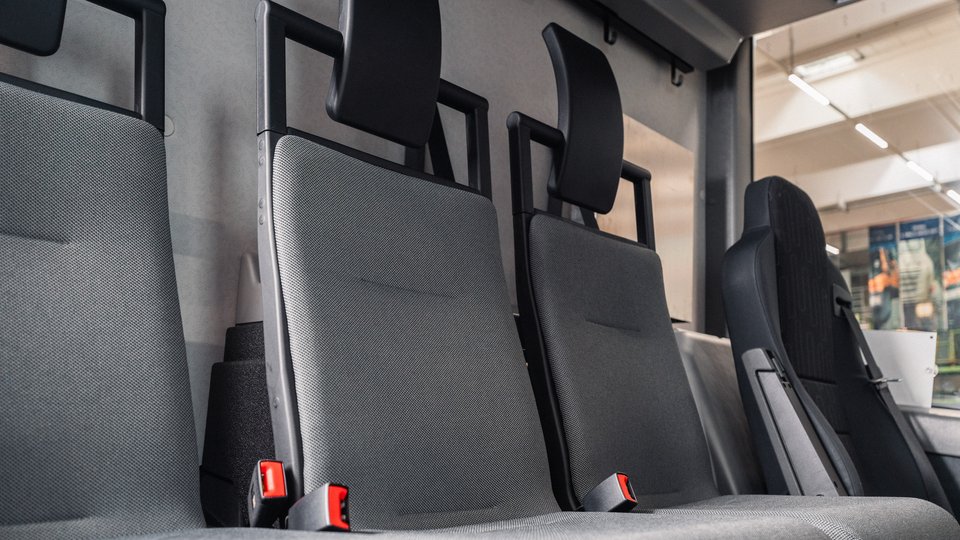
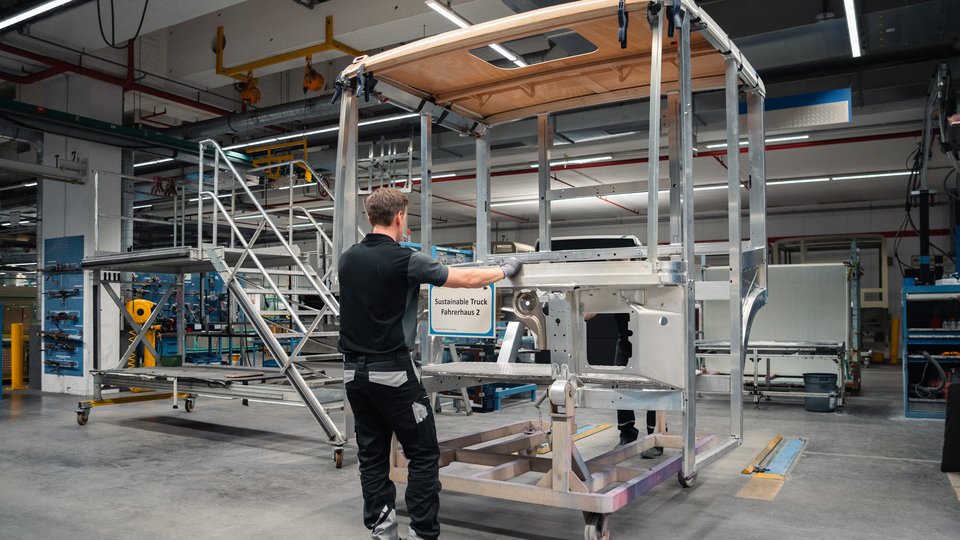
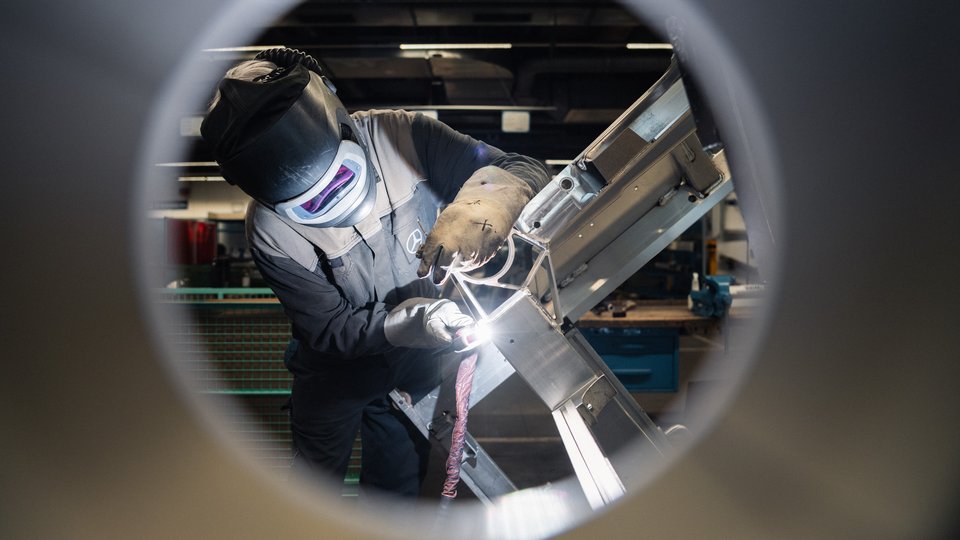
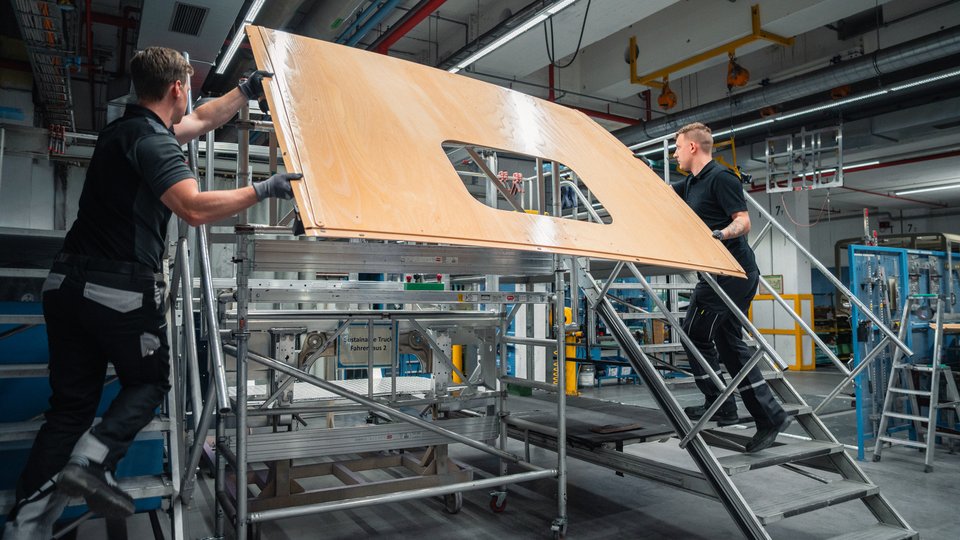
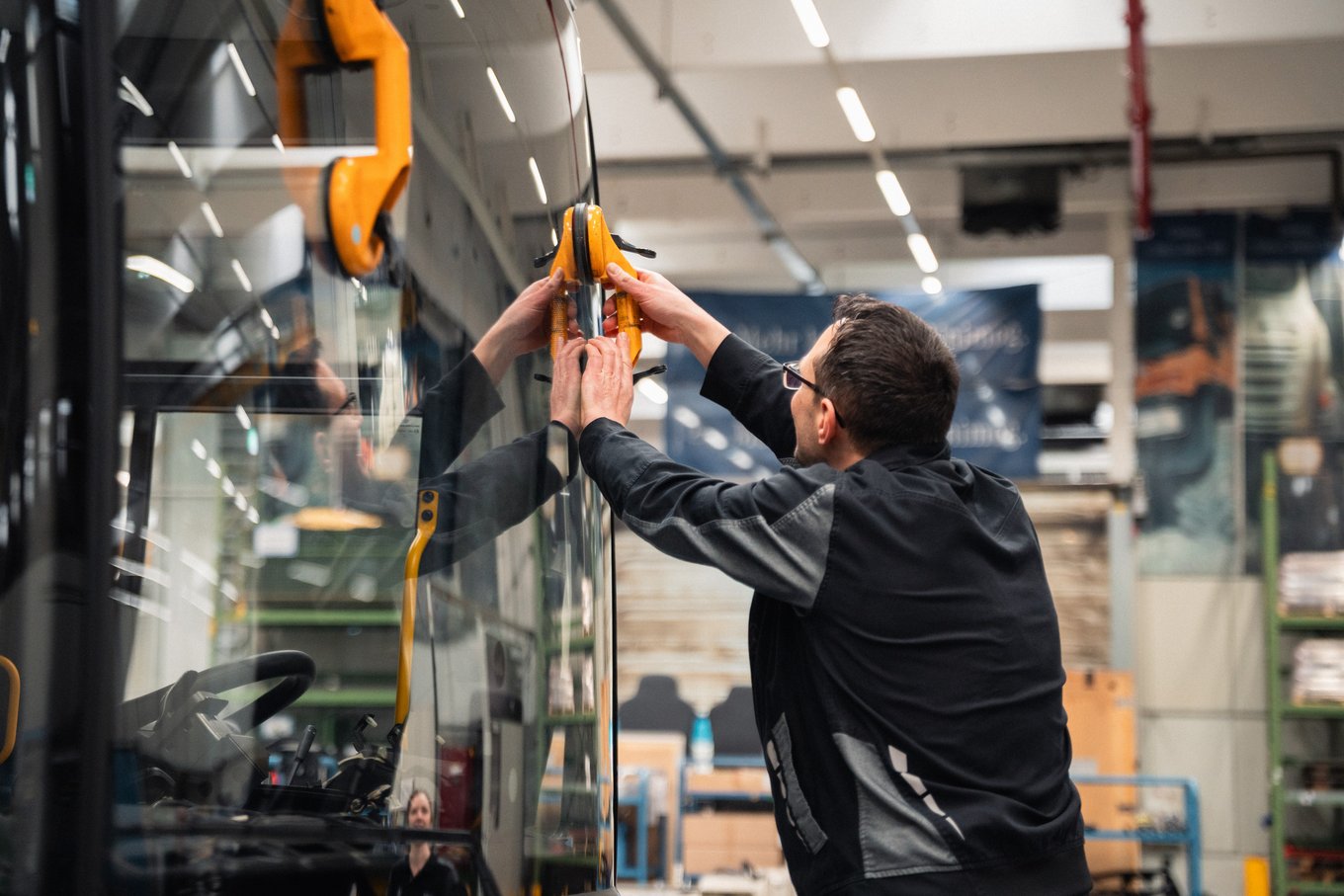
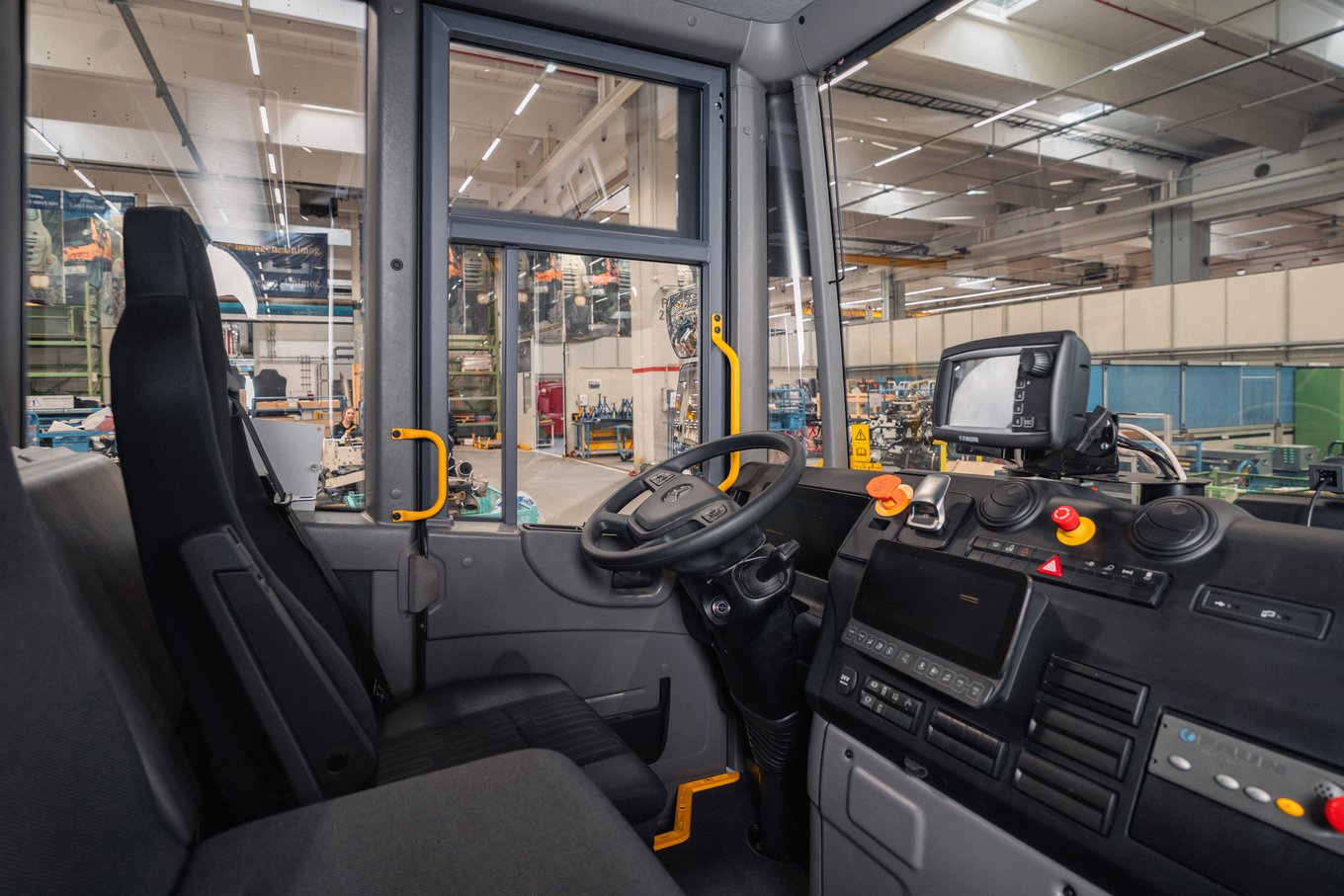
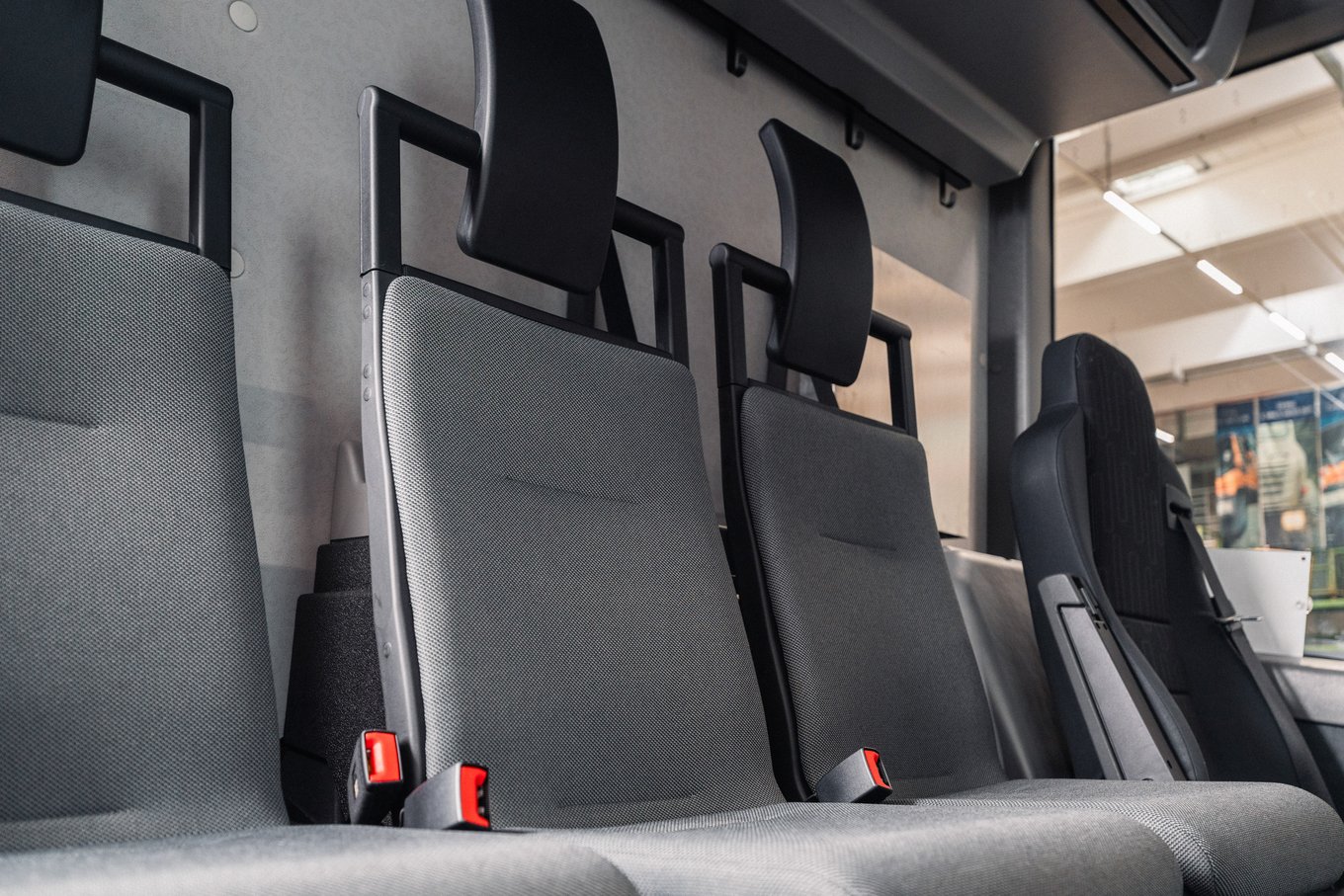
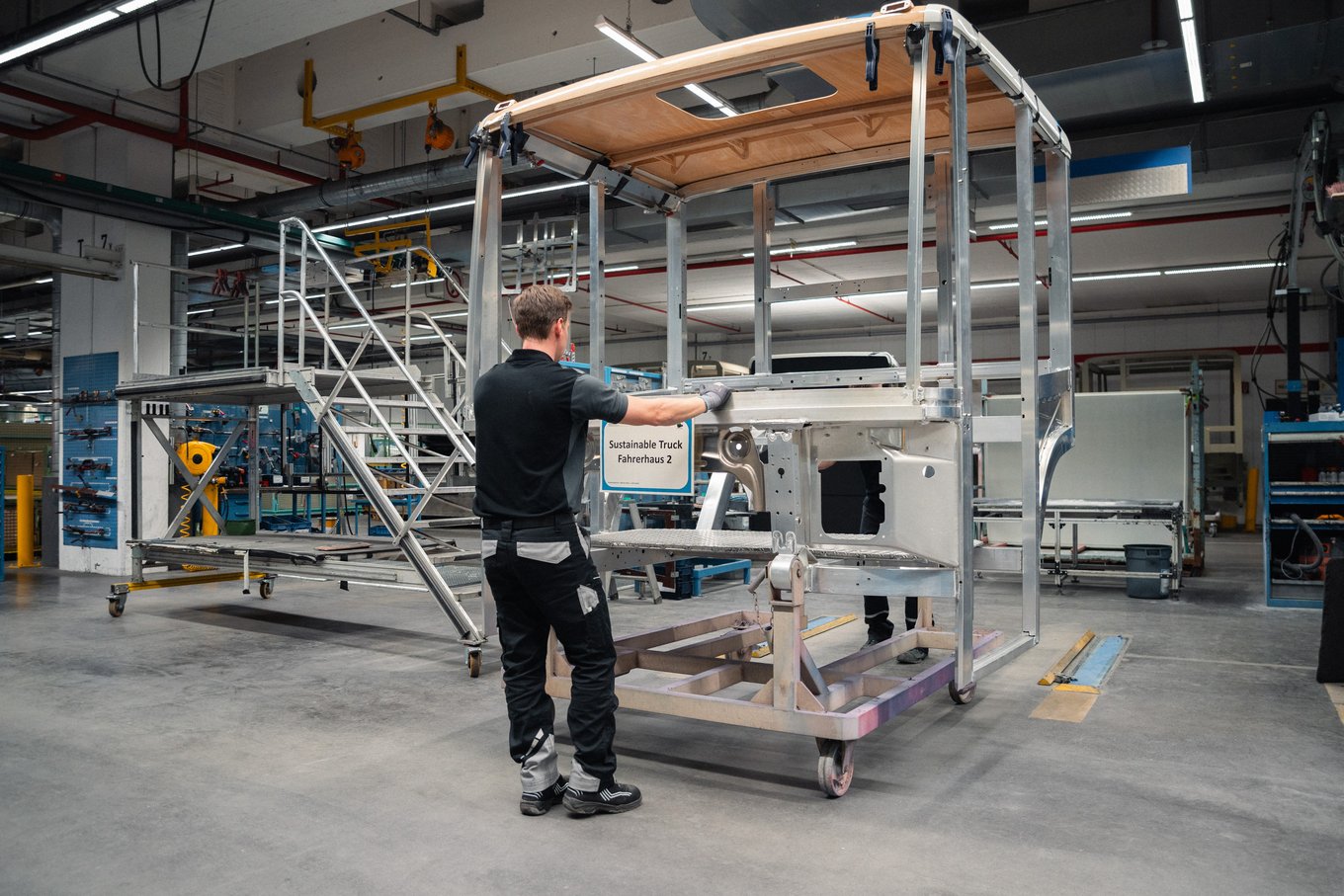
In transforming resource procurement, the production of raw materials, and vehicle manufacturing, the partners have specifically focused on individual, large assemblies. In the areas of the vehicle’s body-in-white, chassis, bodywork, and interior fittings—including seats, the dashboard, and trim elements—individual components have been replaced in a resource-efficient manner. Using these components as examples, the partners demonstrate how supply chains and production processes should be designed to ensure the successful use of these materials.
Plastics
-
Passenger Seat (wood)
-
Passenger Seat (plastic)
-
Footwell Trim (right side)
-
Interior Trim Components
-
Grille
-
Cockpit Cover Component
-
Wheel Arch (left side)
-
Fender (left)
-
Elements Truck Interieur
-
Cockpit Elements
Glass
-
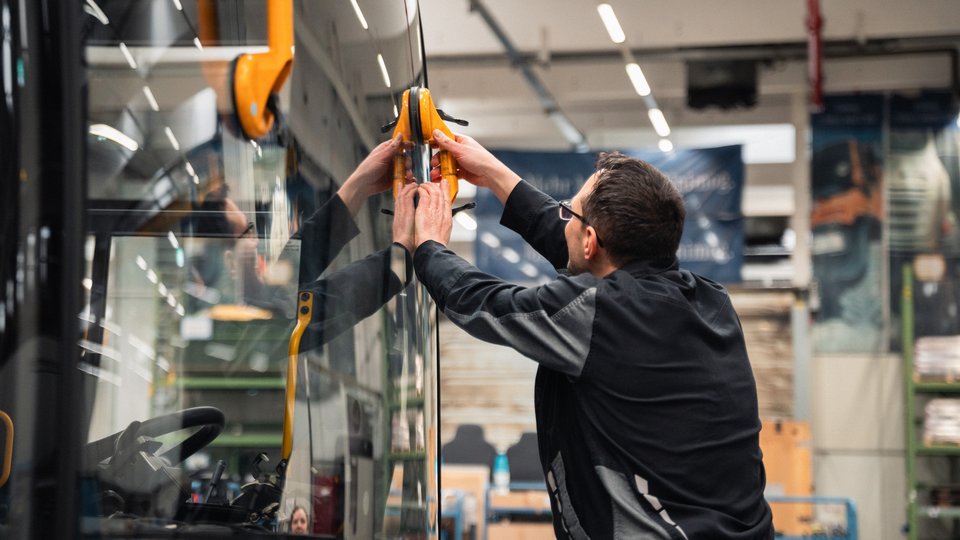
Driver’s Cab Glazing
Wood
-
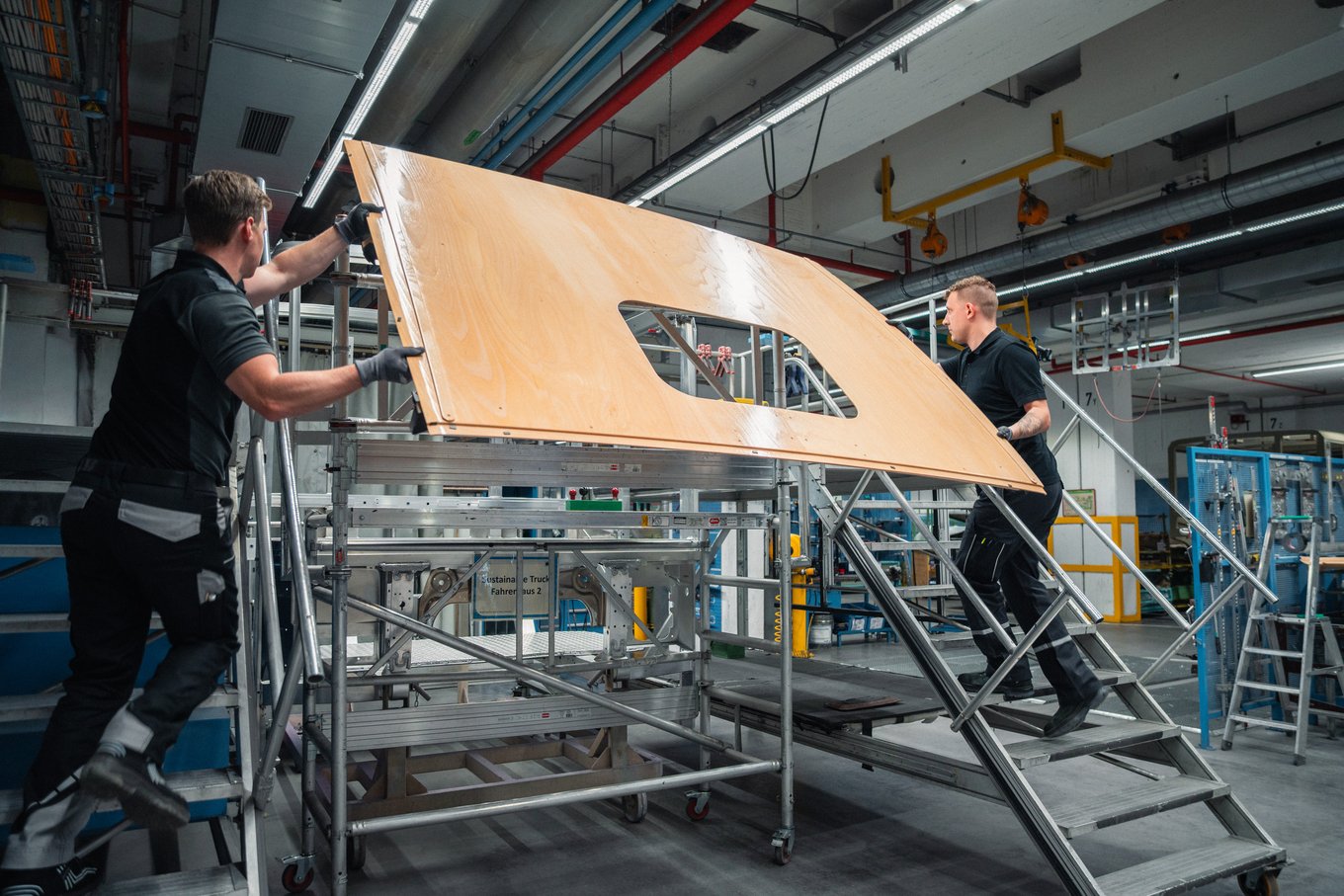
Wood Lightweight Components (alternative to aluminium)
-
Wood Lightweight Components (alternative to plastics)
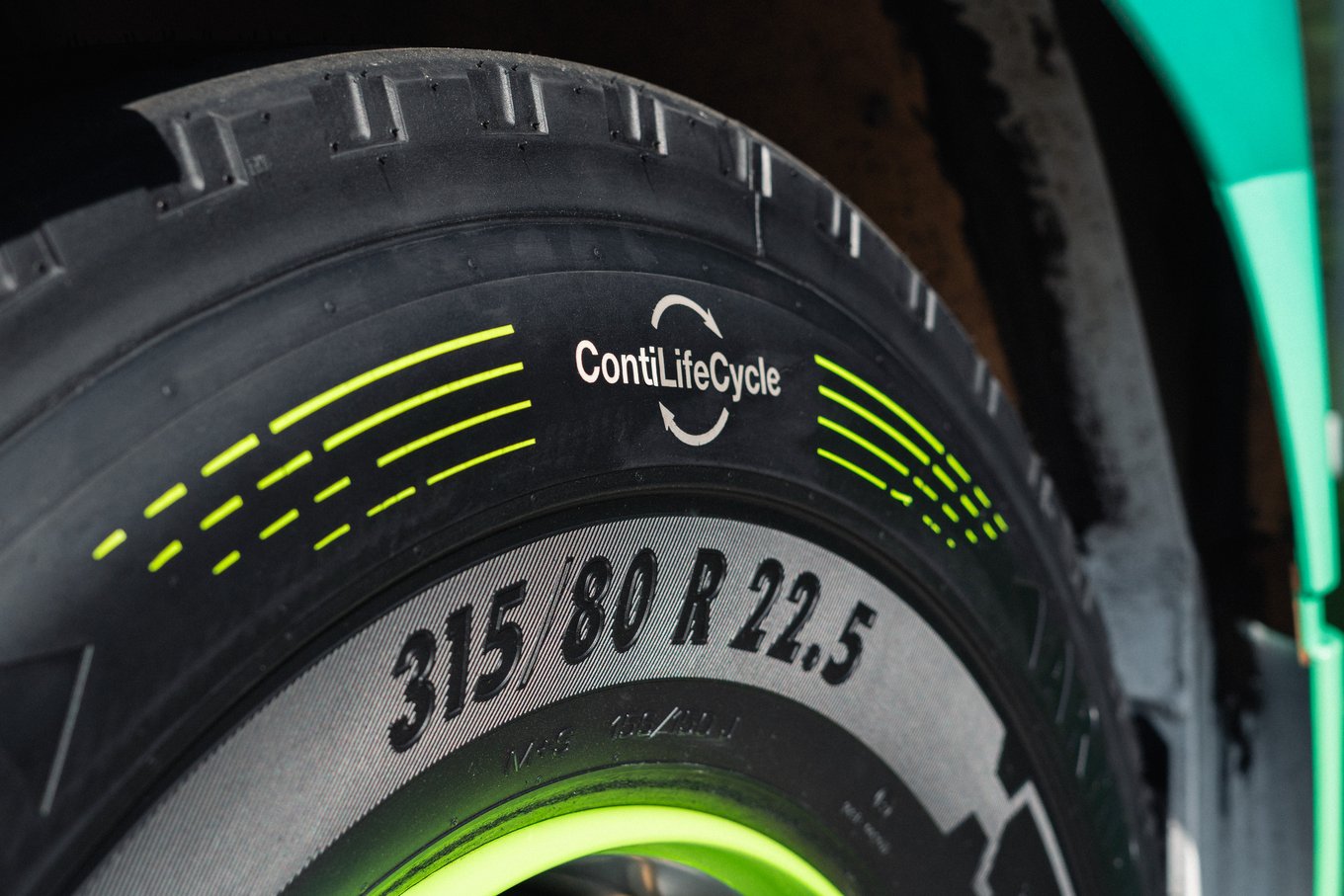
Tires
-
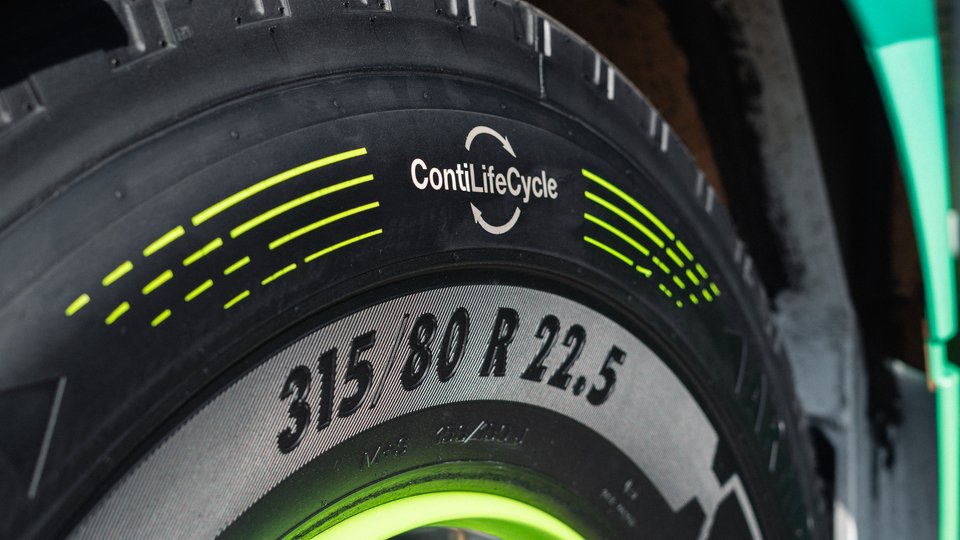
Commercial Vehicle Tires