
Two-lane road to a circular economy: Mercedes-Benz Trucks unveils the reECONIC – a battery-electric vehicle made from recycled materials
Download
Two-lane road to a circular economy: Mercedes-Benz Trucks unveils the reECONIC – a battery-electric vehicle made from recycled materials
With the reECONIC concept vehicle, Mercedes-Benz Trucks, together with 32 partners, is demonstrating the feasibility of a battery-electric waste collection vehicle produced in part from recycled materials Circular economy: Recycled, natural, and bio-based materials are used. Using innovative production processes, projections, and forecasts, the partners show that theoretically up to 41 percent of CO₂ equivalent emissions…
- With the reECONIC concept vehicle, Mercedes-Benz Trucks, together with 32 partners, is demonstrating the feasibility of a battery-electric waste collection vehicle produced in part from recycled materials
- Circular economy: Recycled, natural, and bio-based materials are used.
- Using innovative production processes, projections, and forecasts, the partners show that theoretically up to 41 percent of CO₂ equivalent emissions (CO₂e) can be saved in the construction of such a vehicle
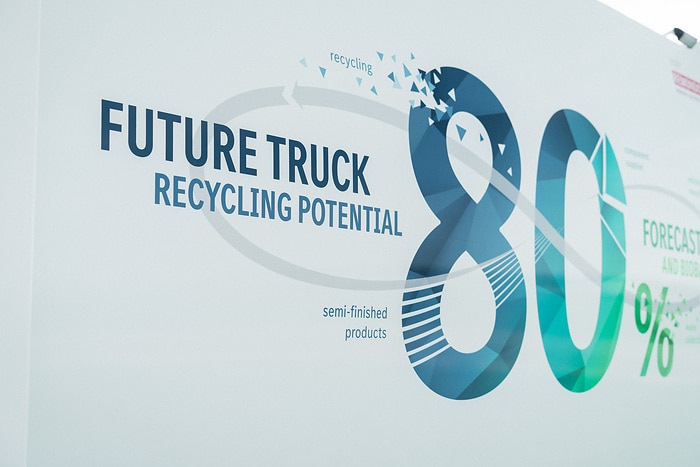
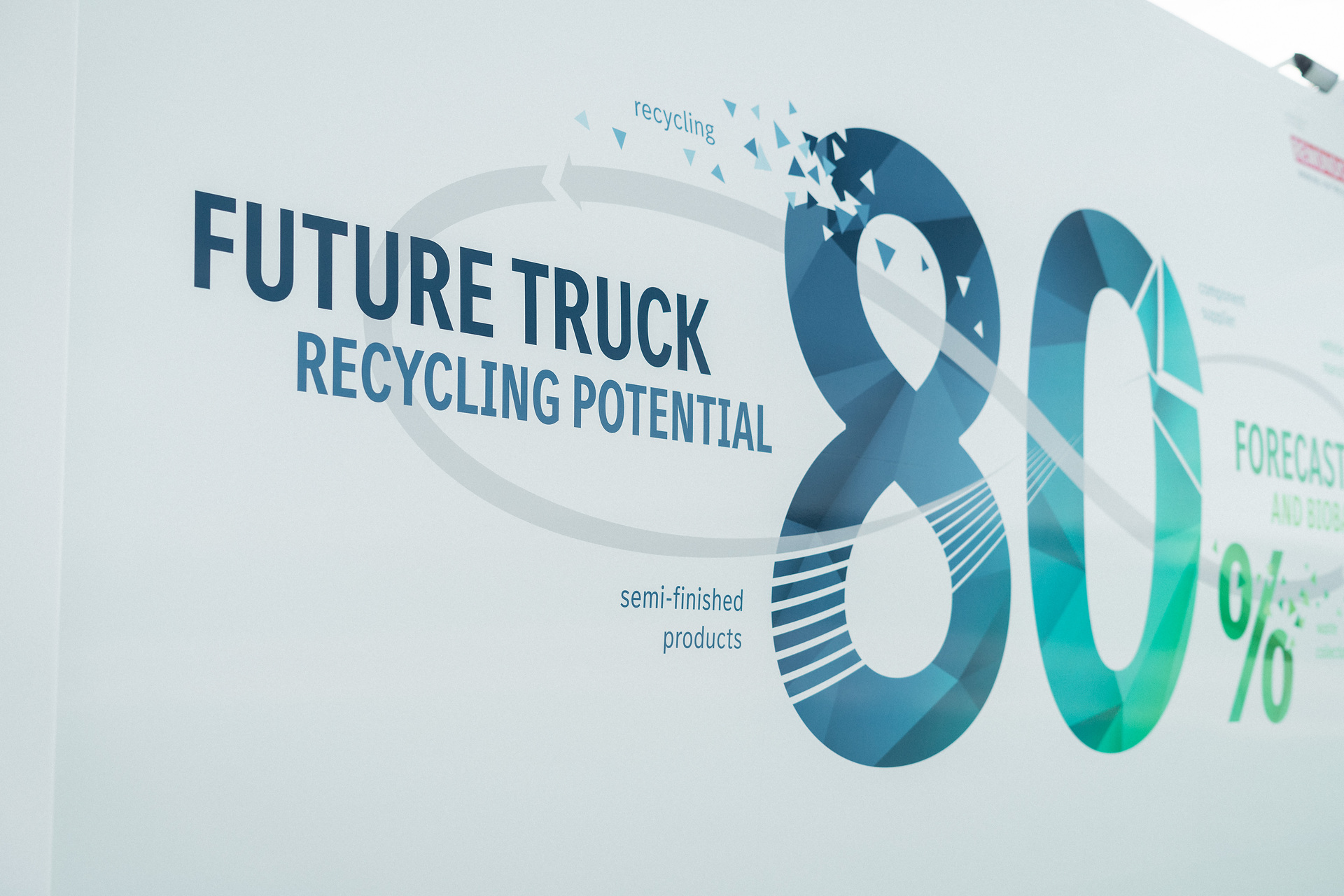
- An accompanying, TÜV SÜD certified study confirms: Up to 80 percent of the materials—steel, aluminum, glass, and plastic—that would otherwise be produced conventionally could potentially be replaced
- High recycled content, recyclable components, and a body made from recycled materials are intended to pave the way for series production and closed material cycles in the future
- Achim Puchert, CEO of Mercedes-Benz Trucks: “Sustainability is an integral part of our strategy. Together with strong partners, we are actively advancing it through this project.”
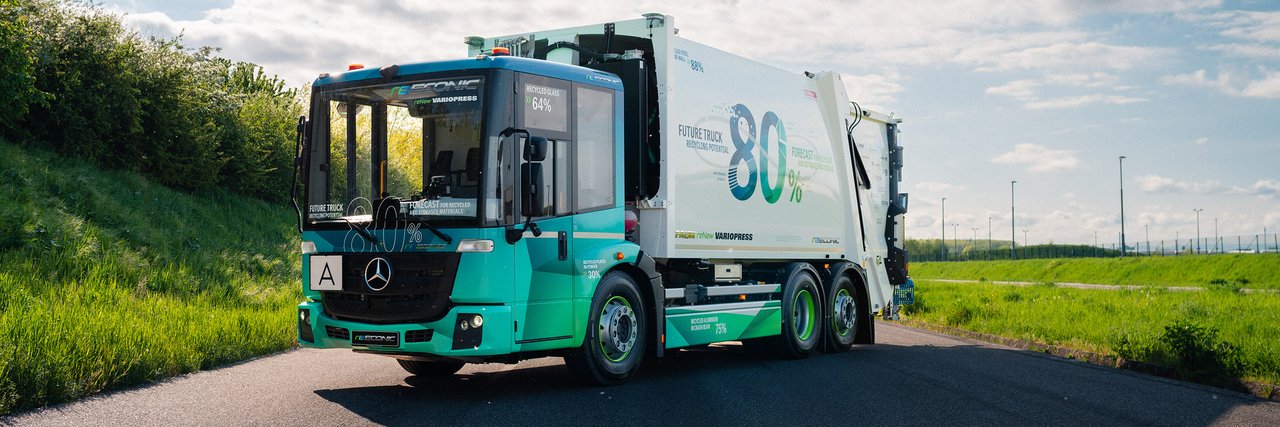
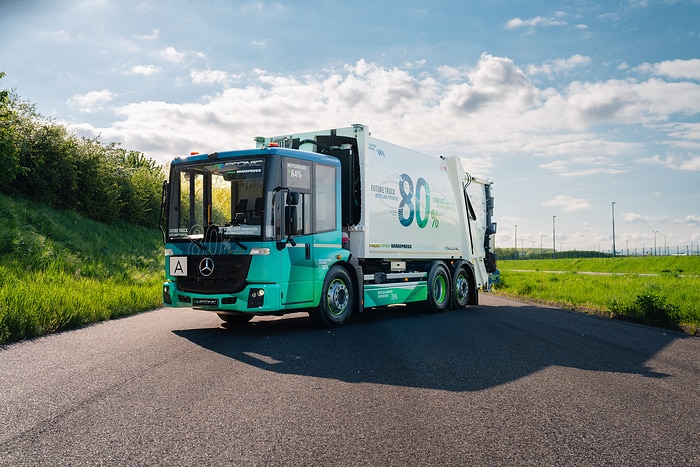
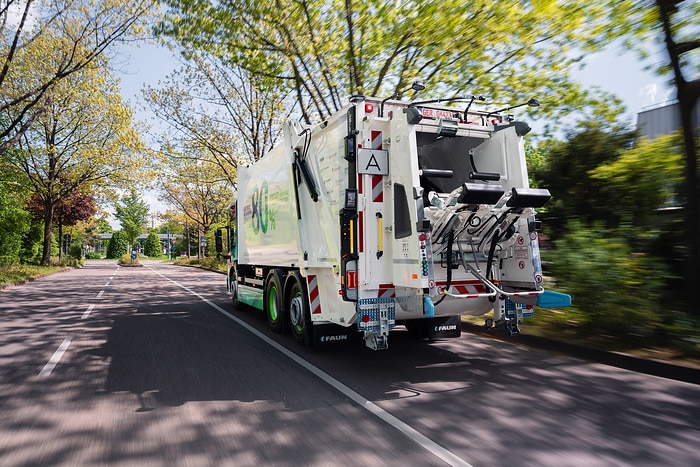
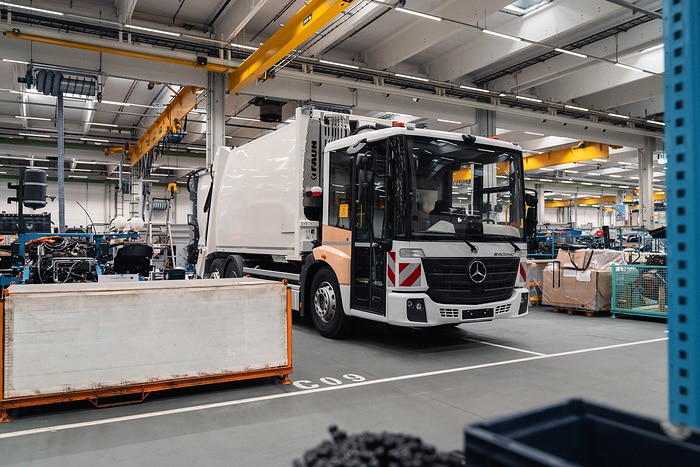
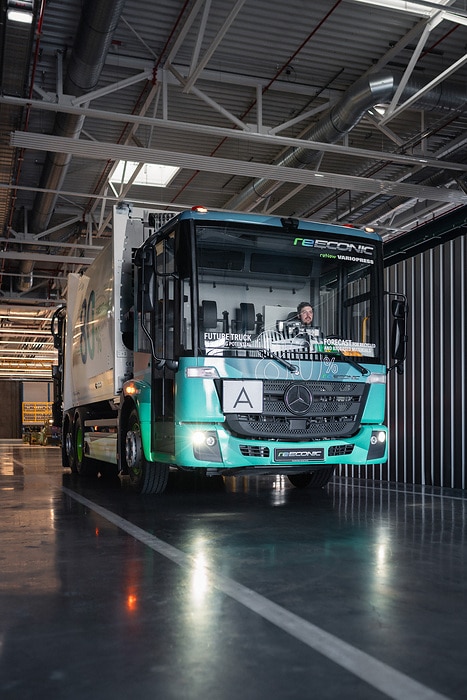
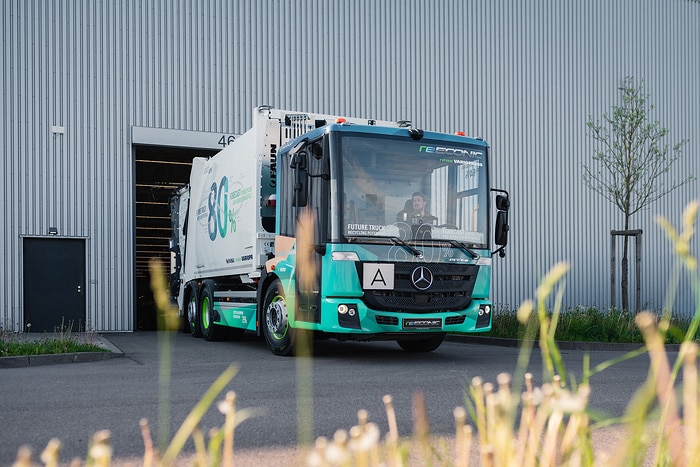
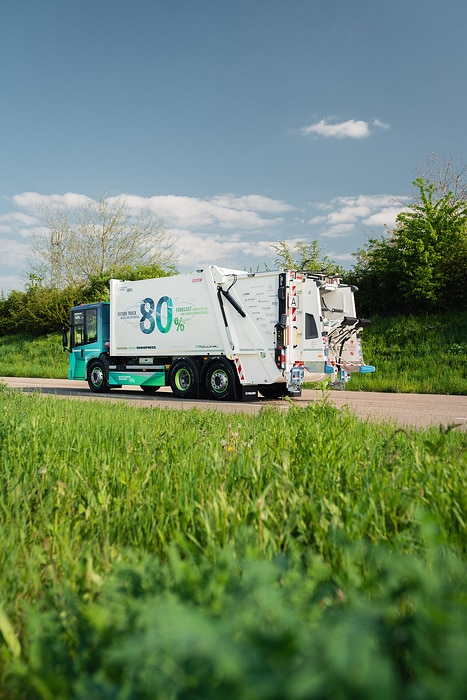
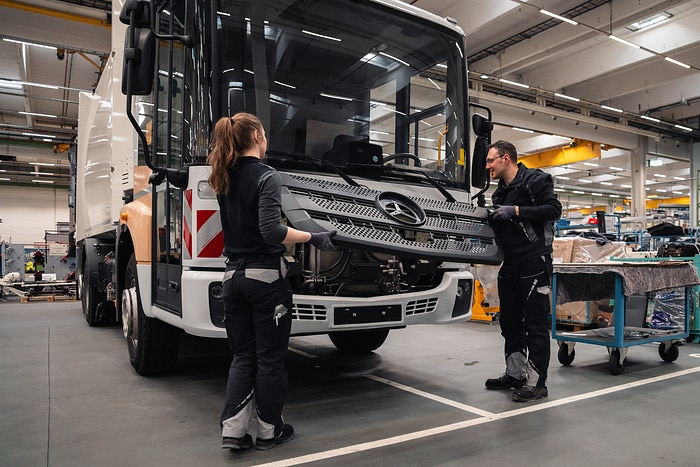
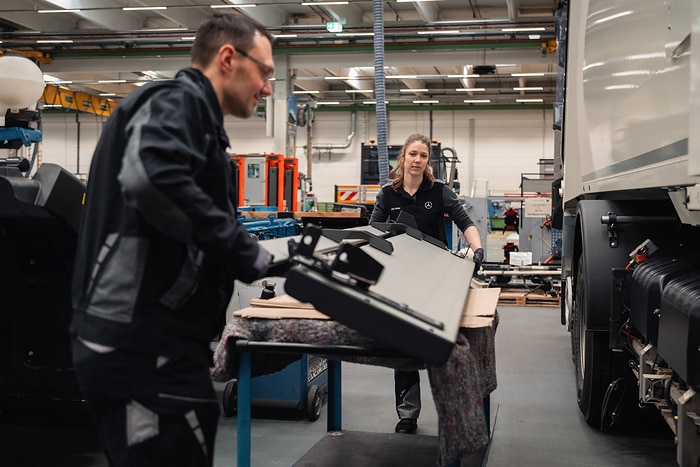
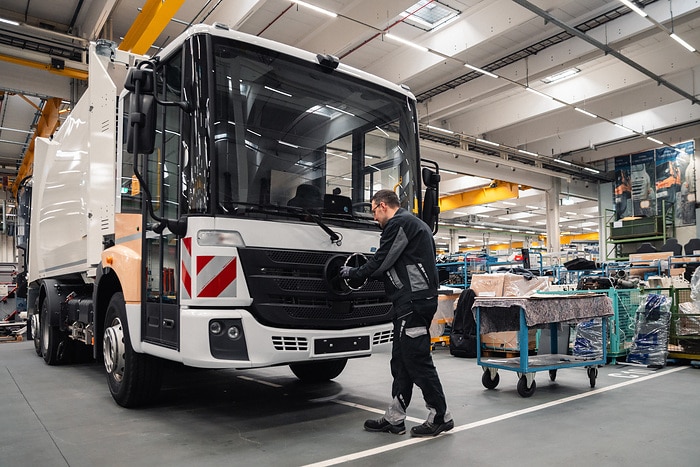
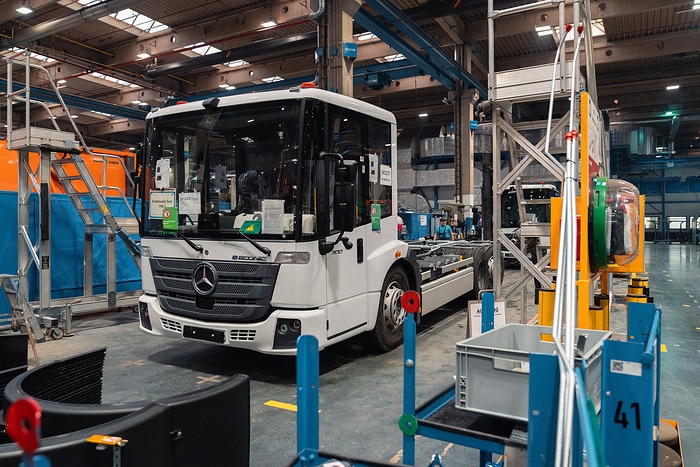
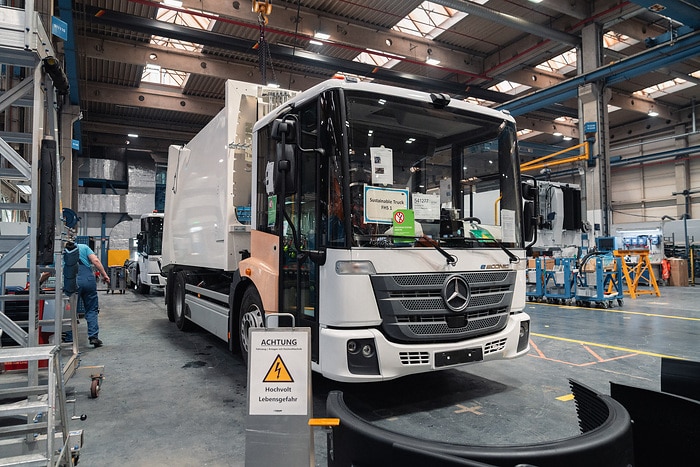
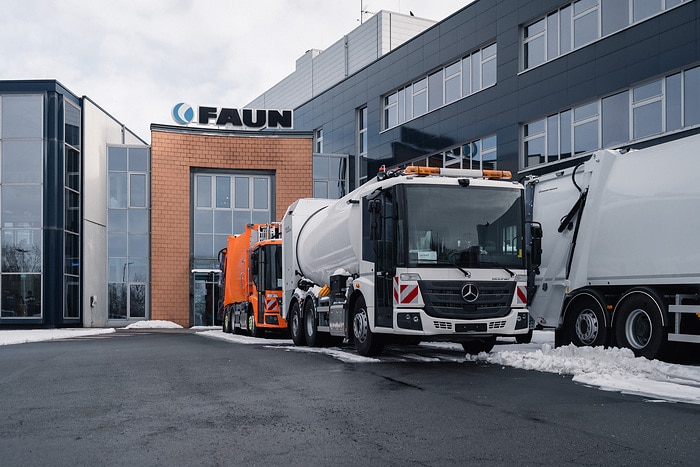
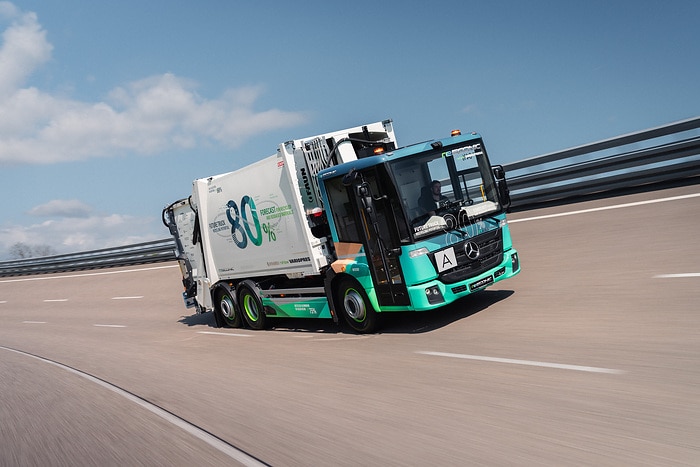
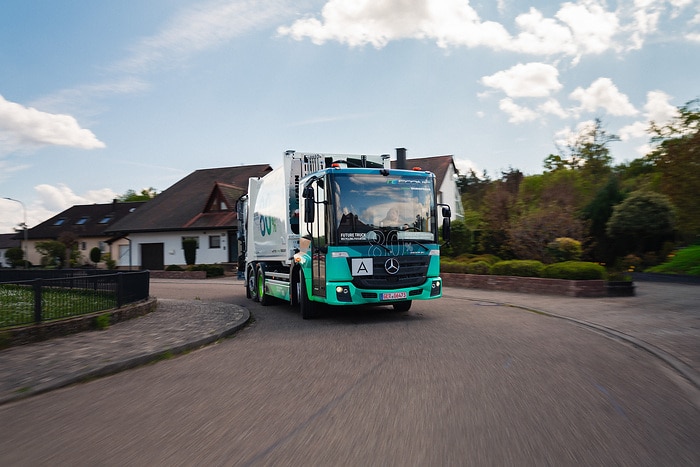
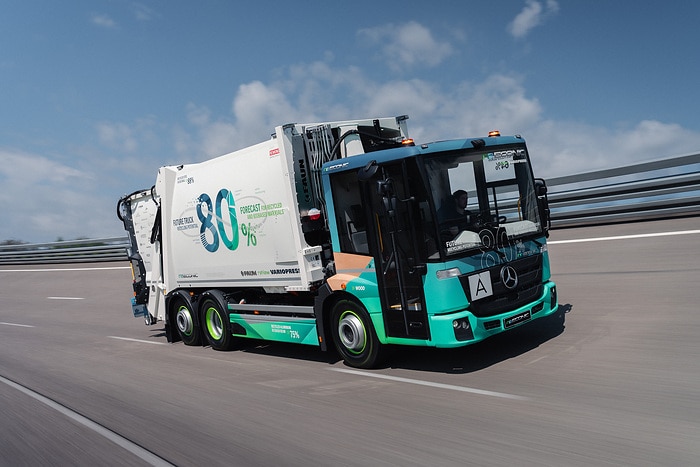
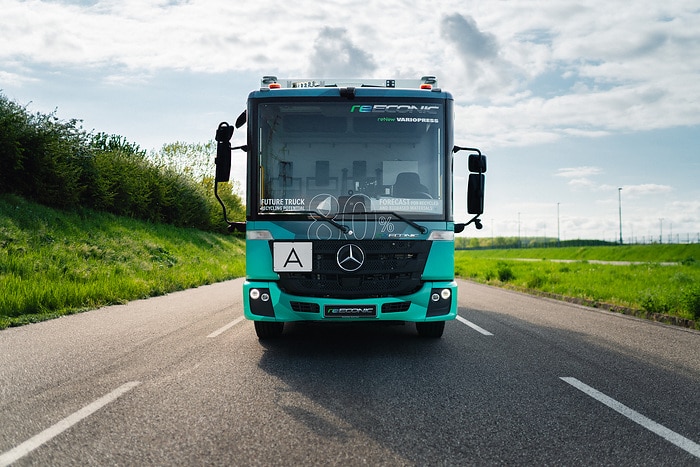
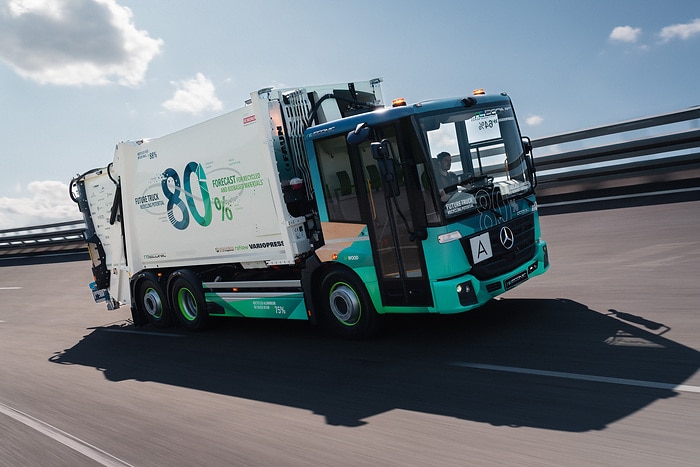
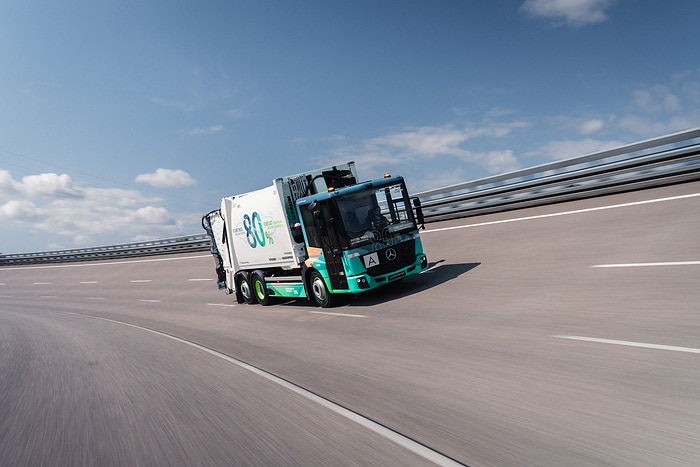
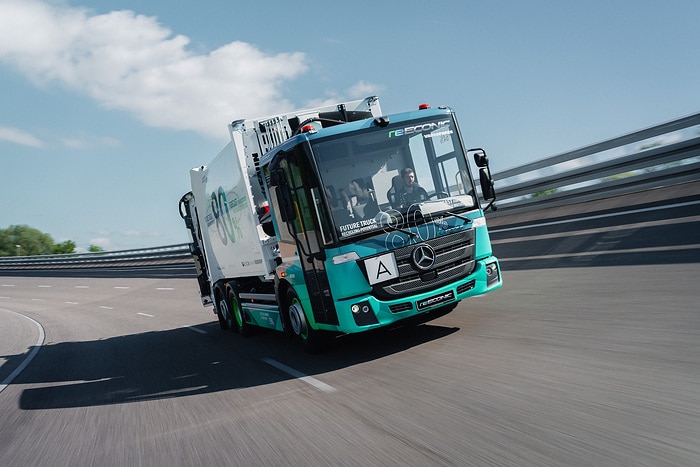
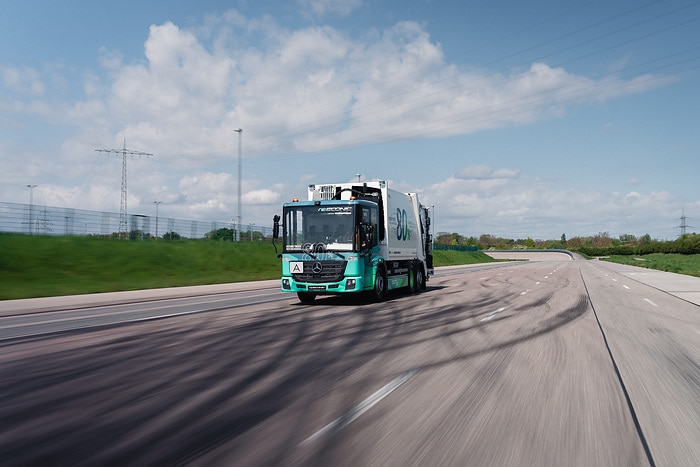
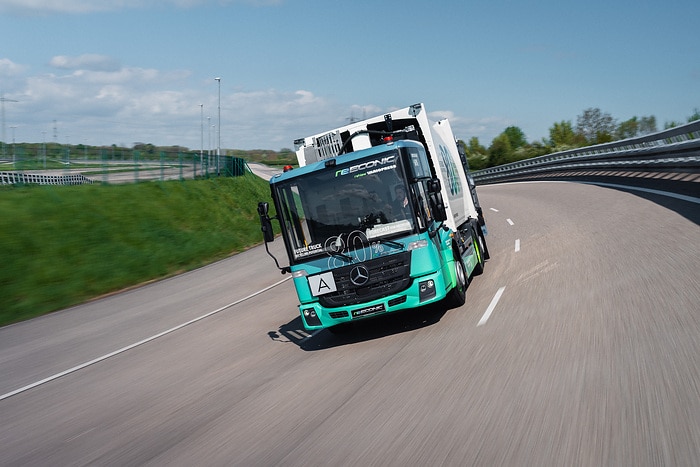
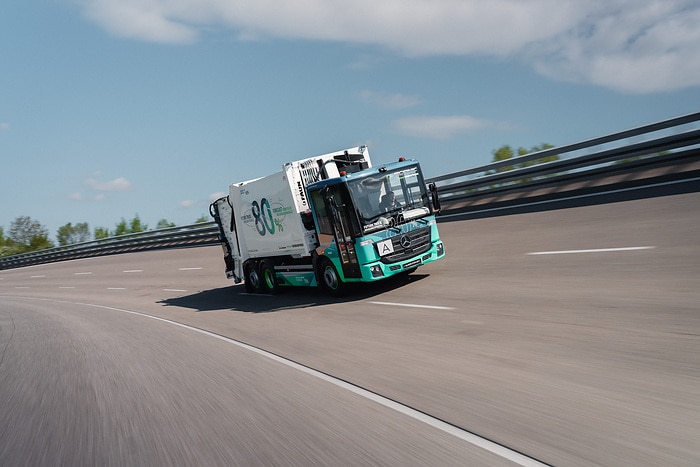
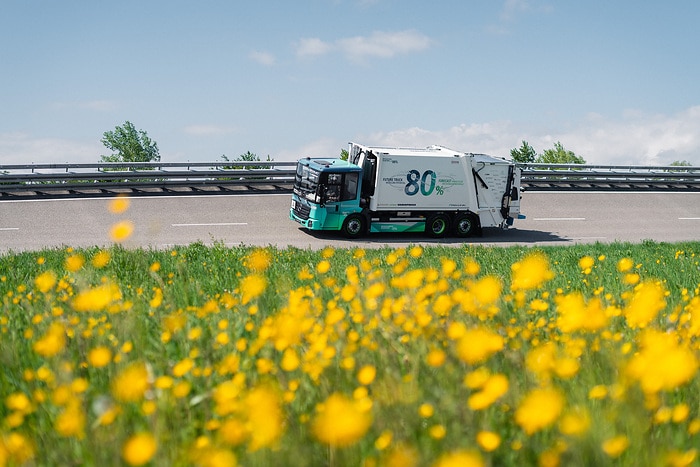
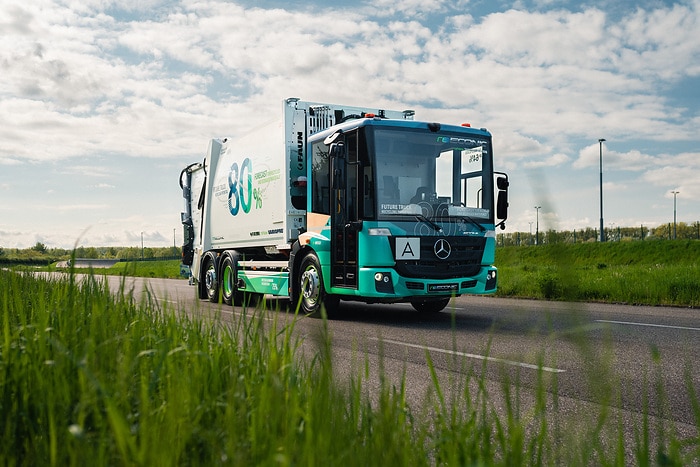
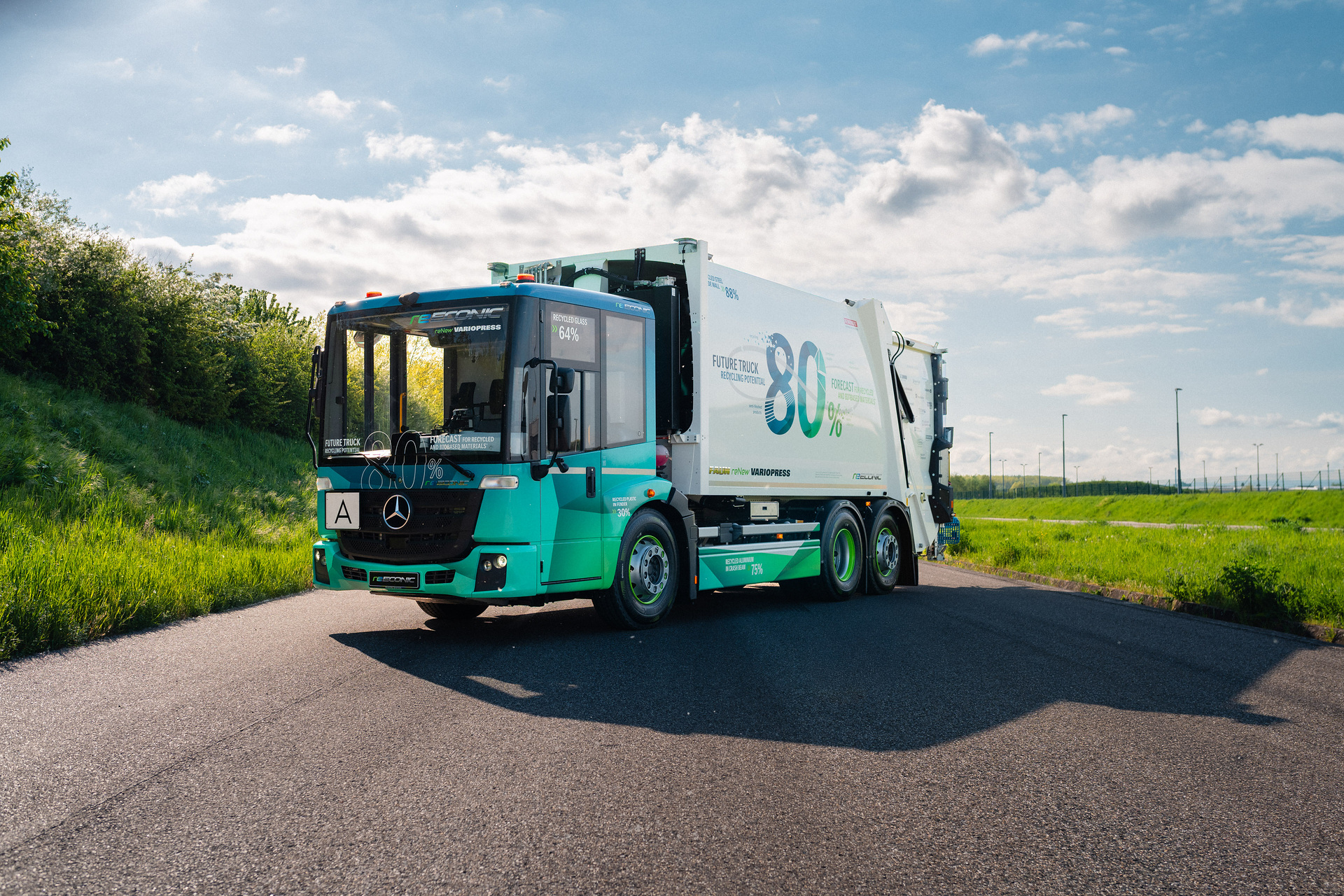
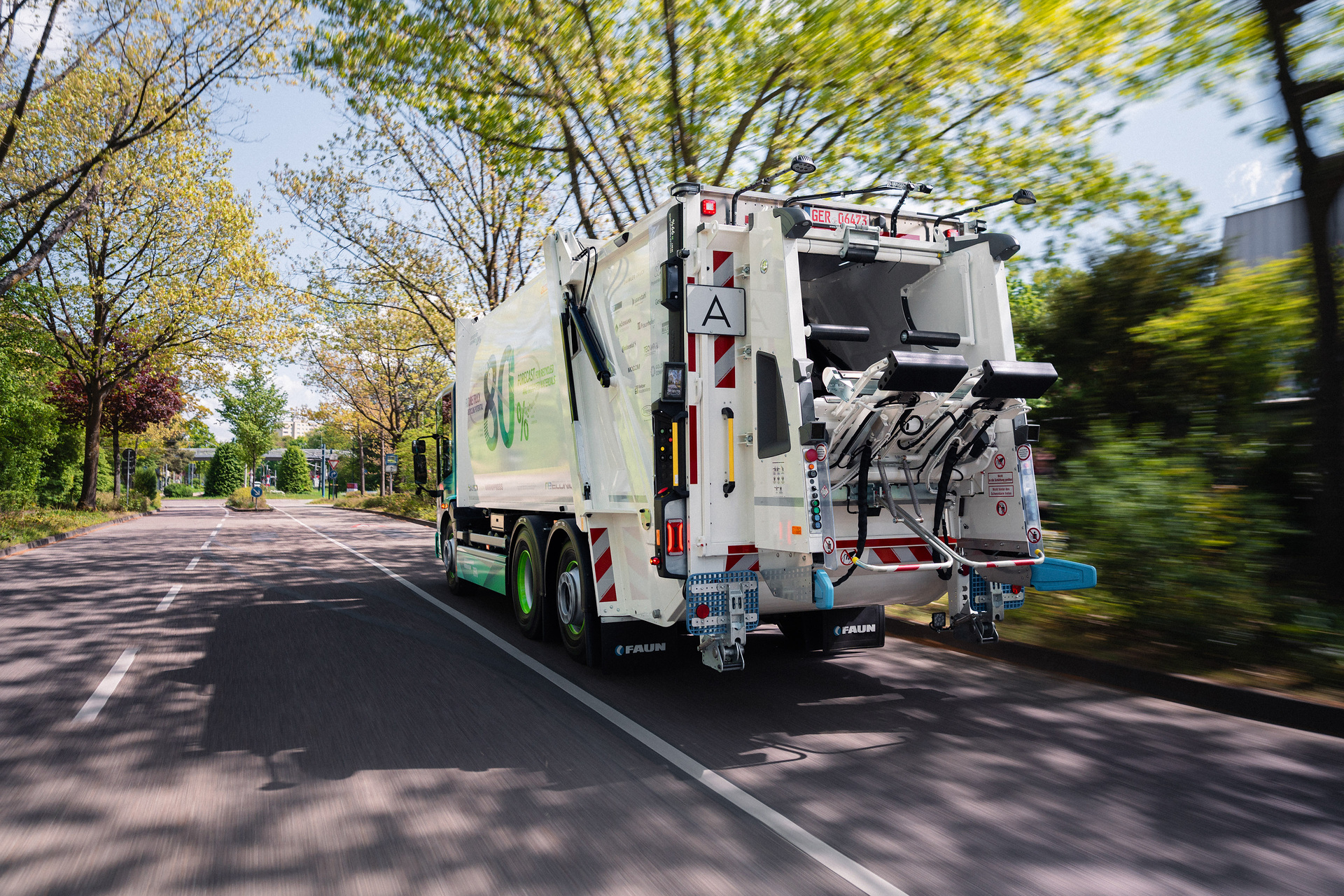
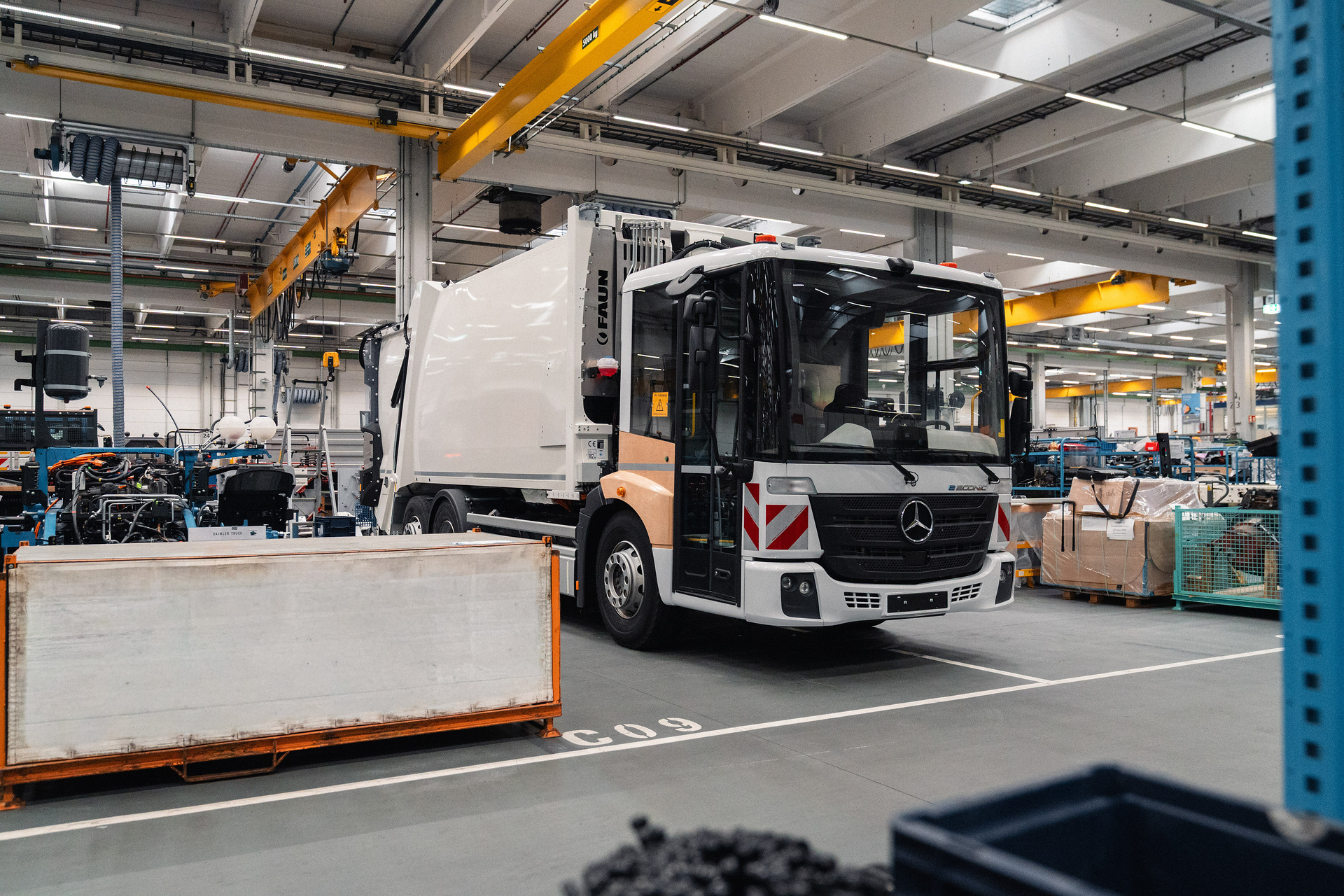
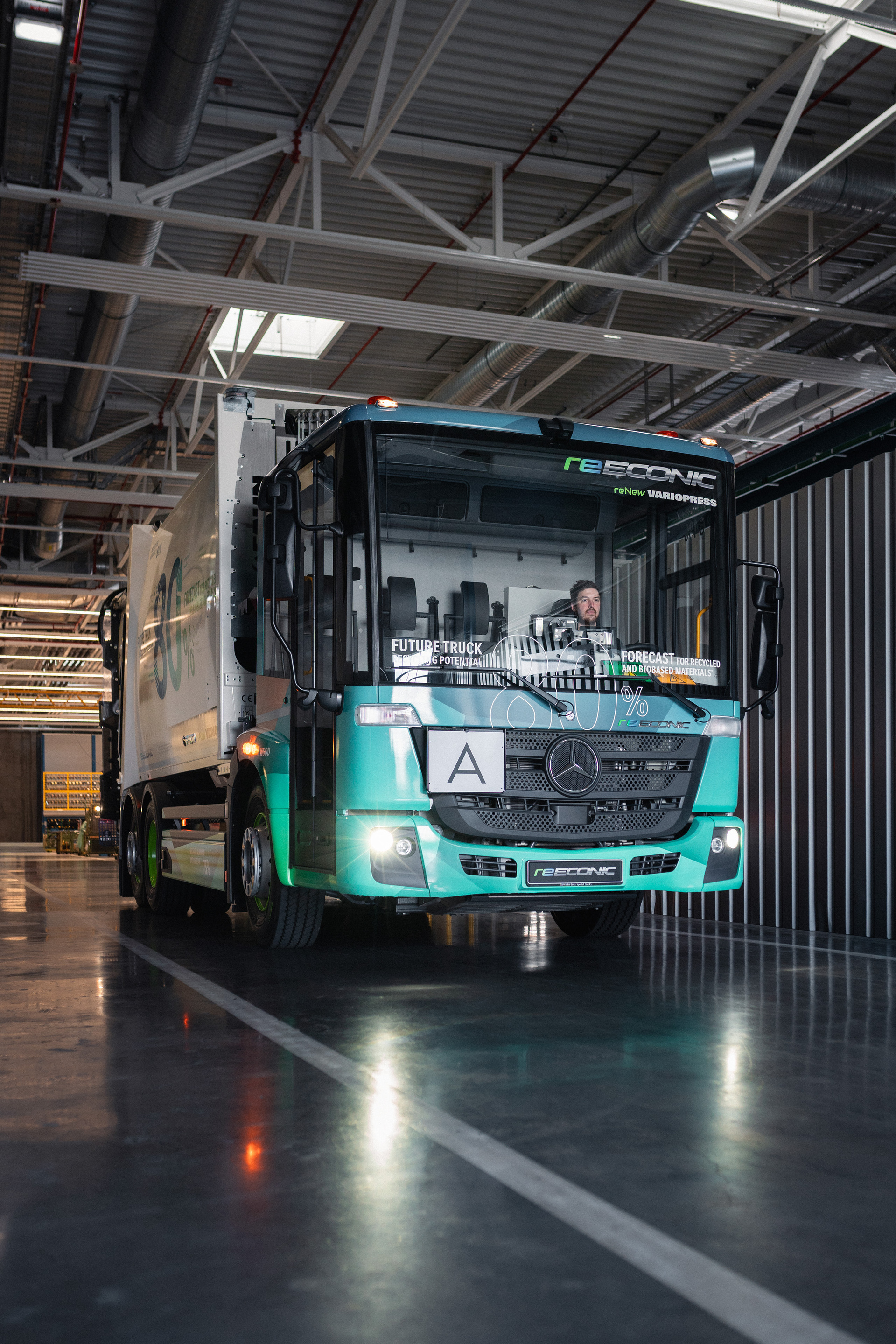
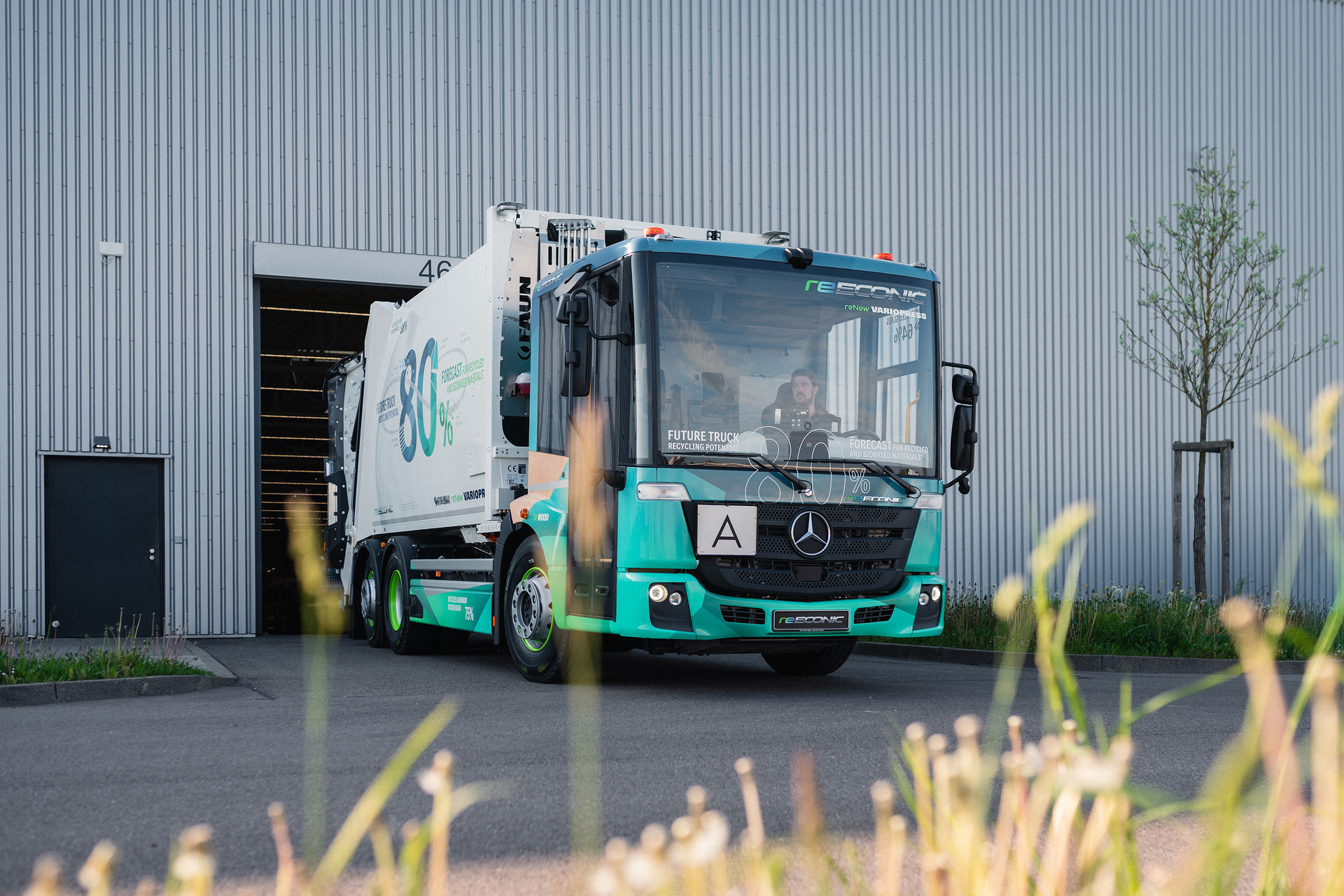
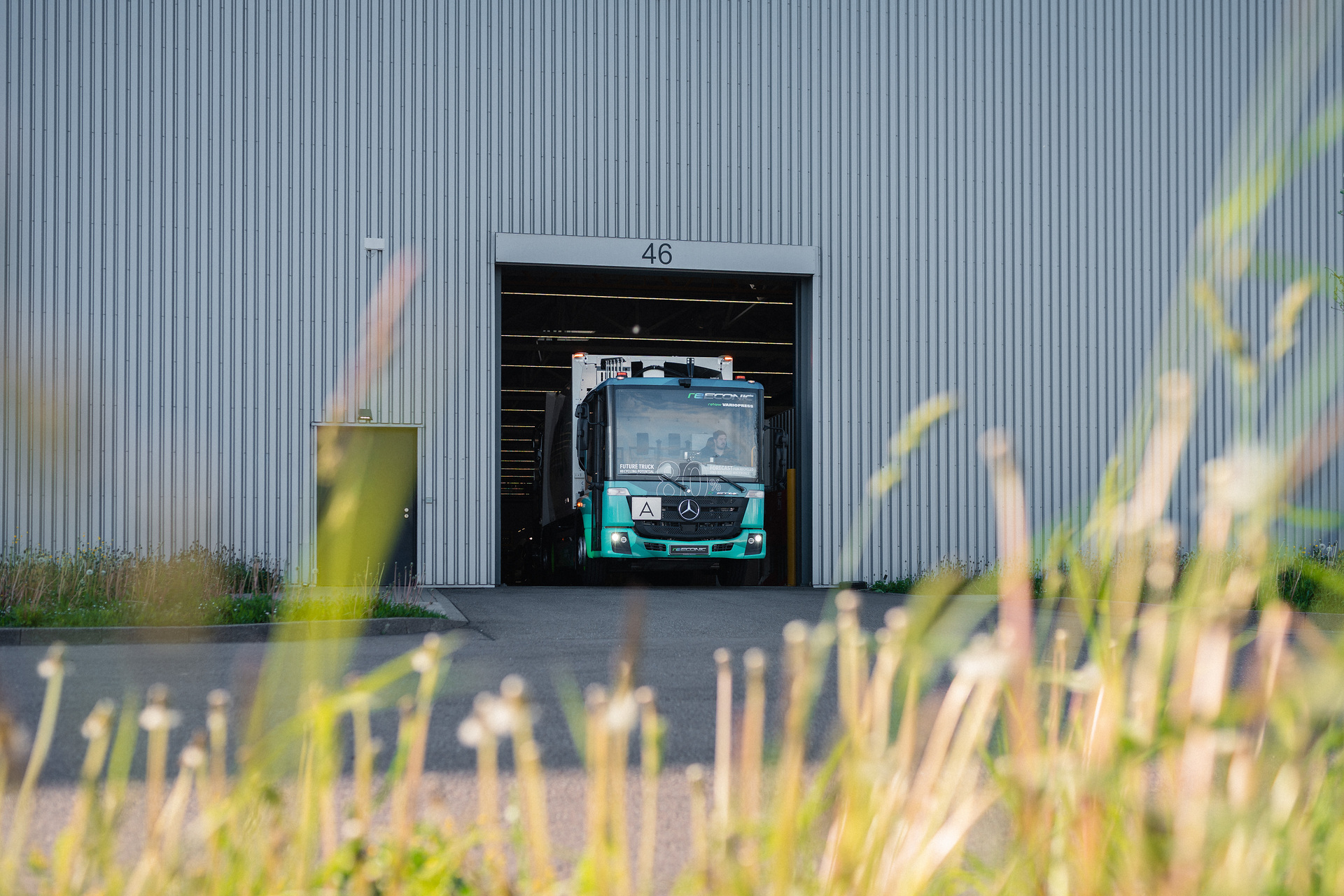
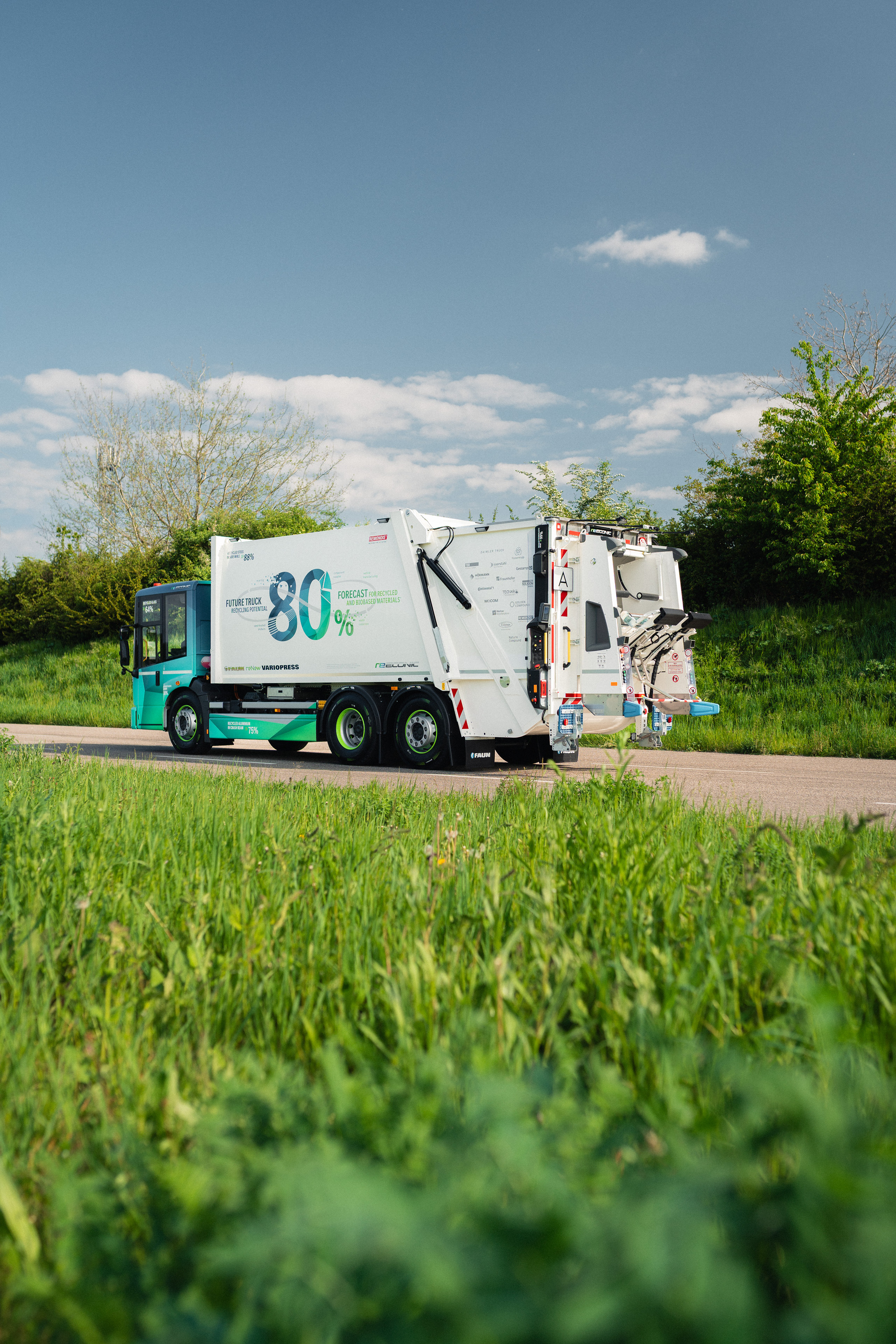
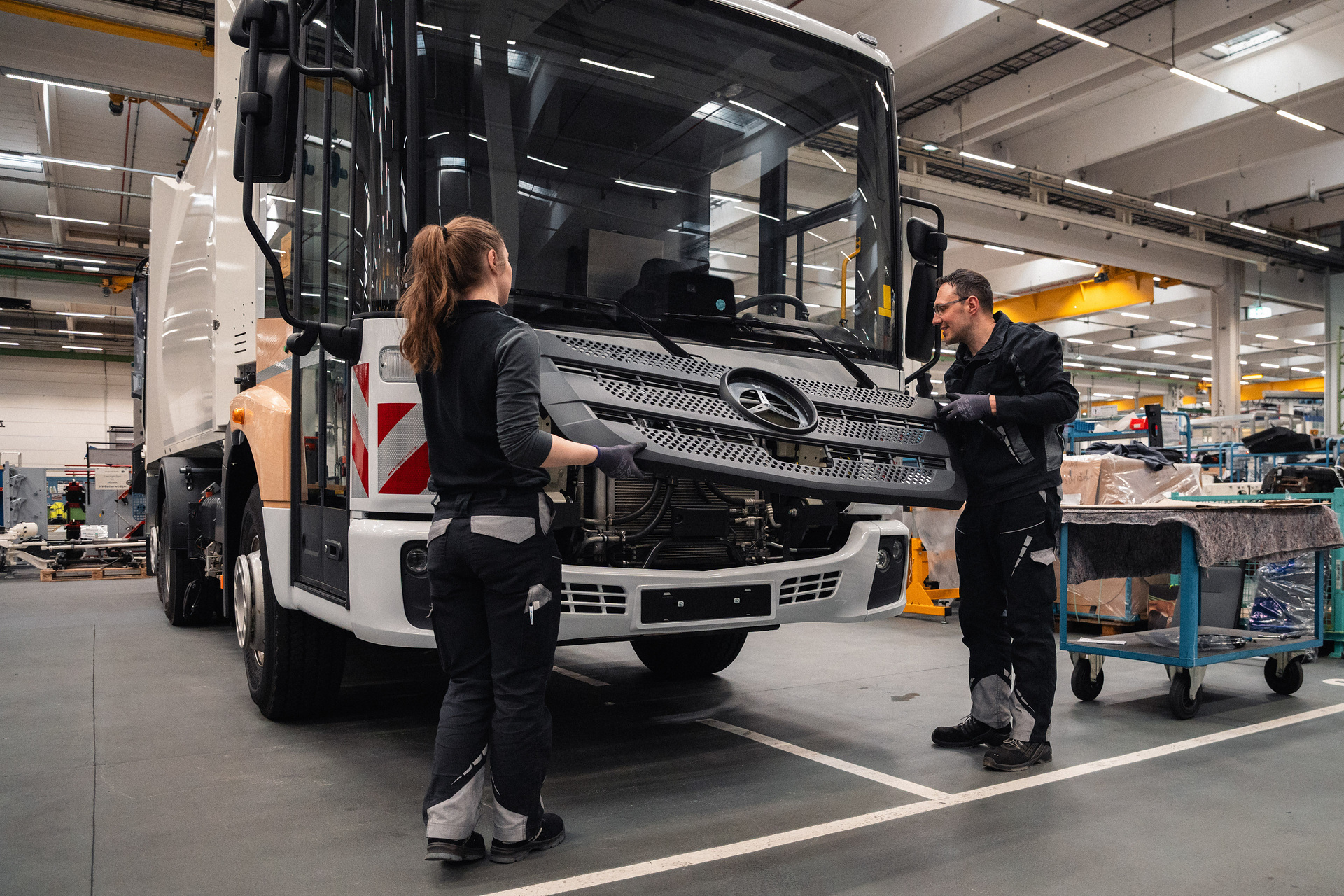
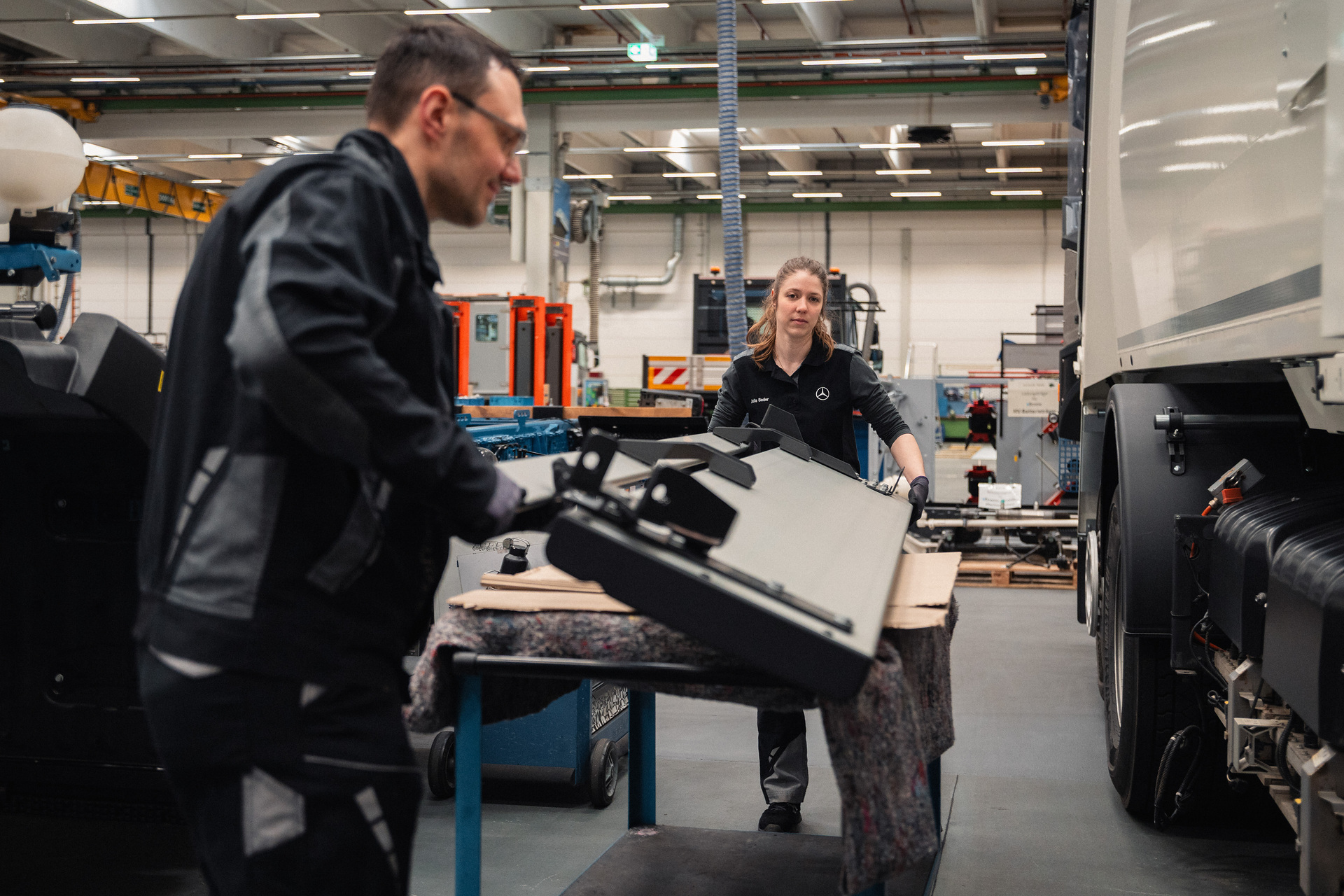
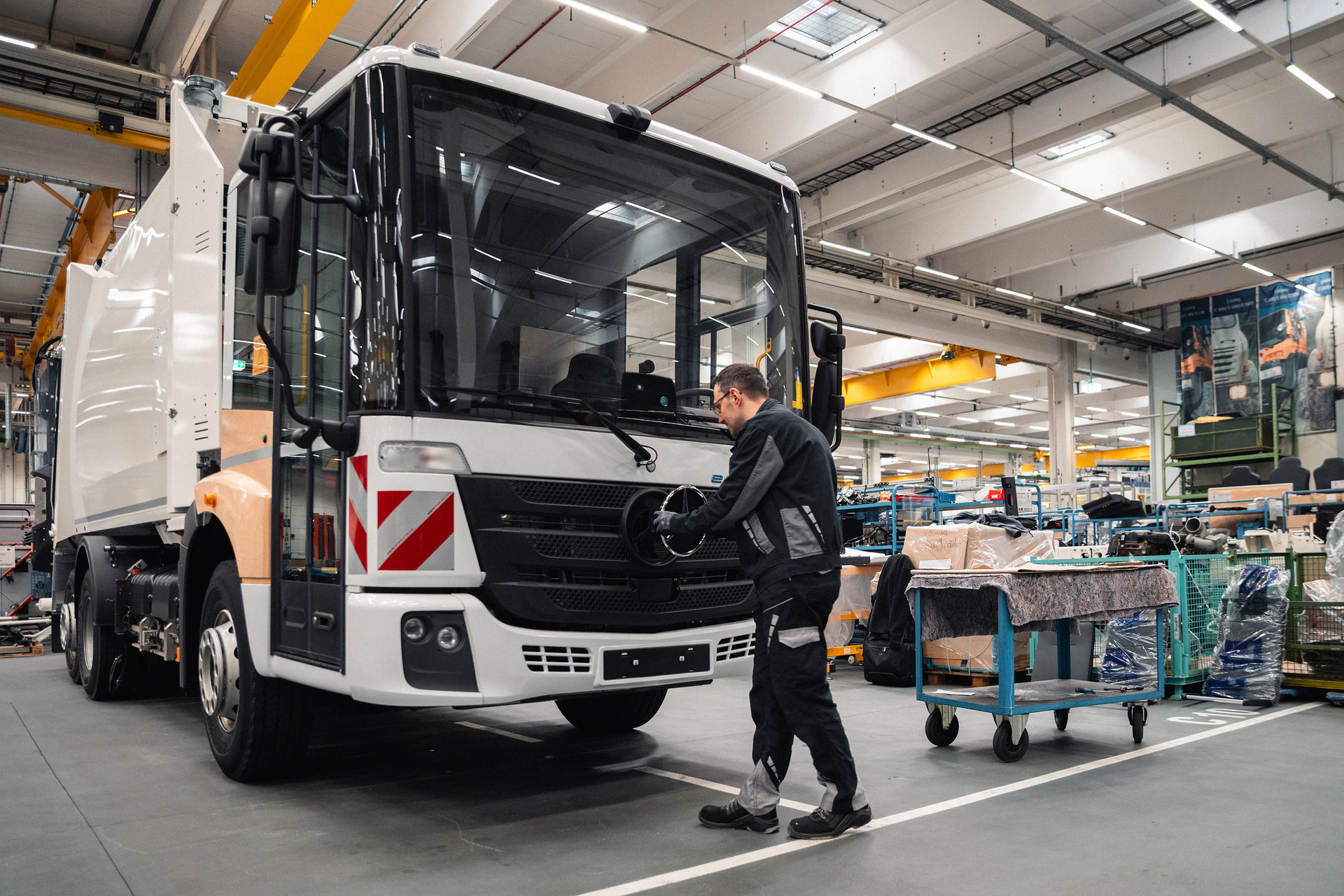
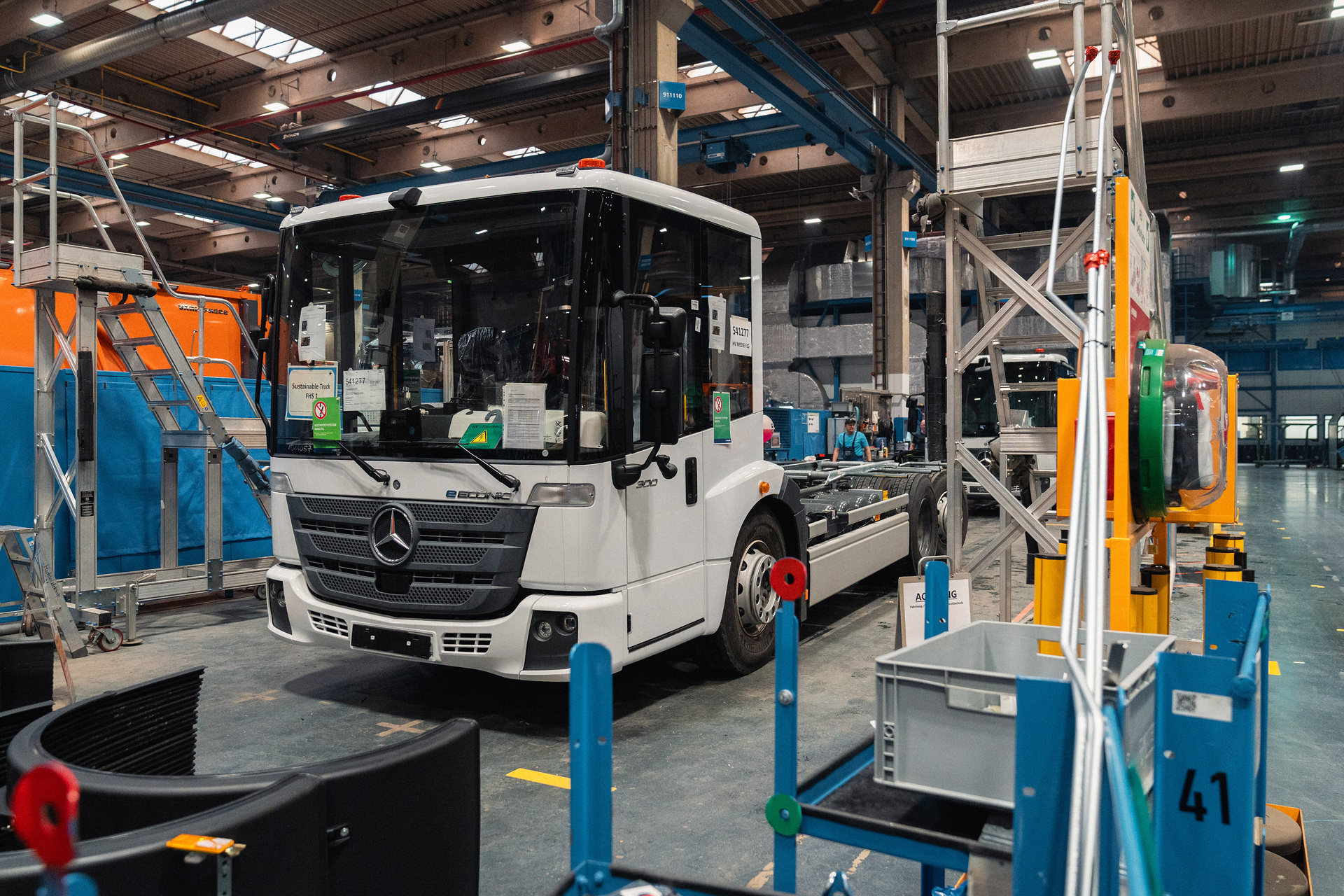
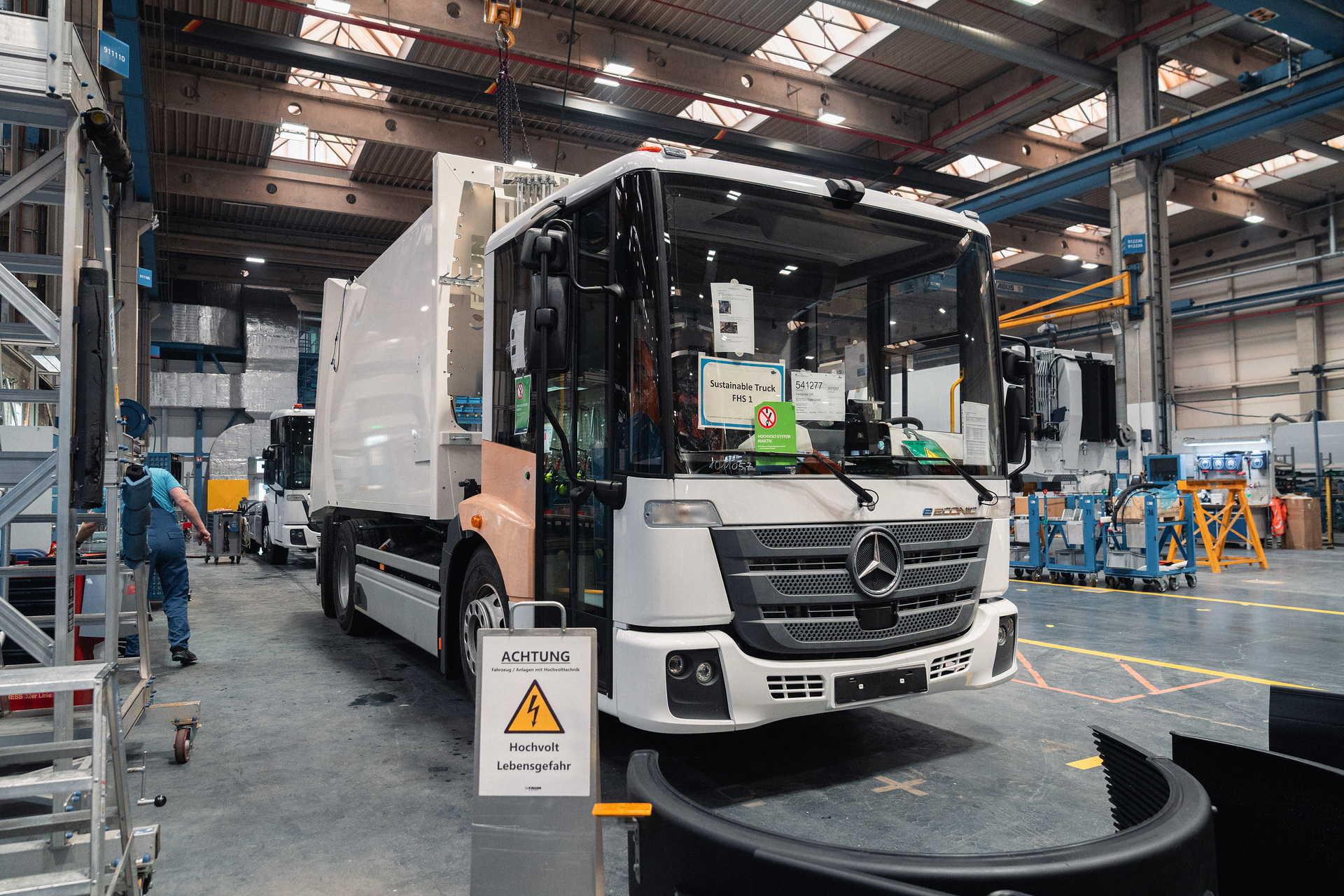
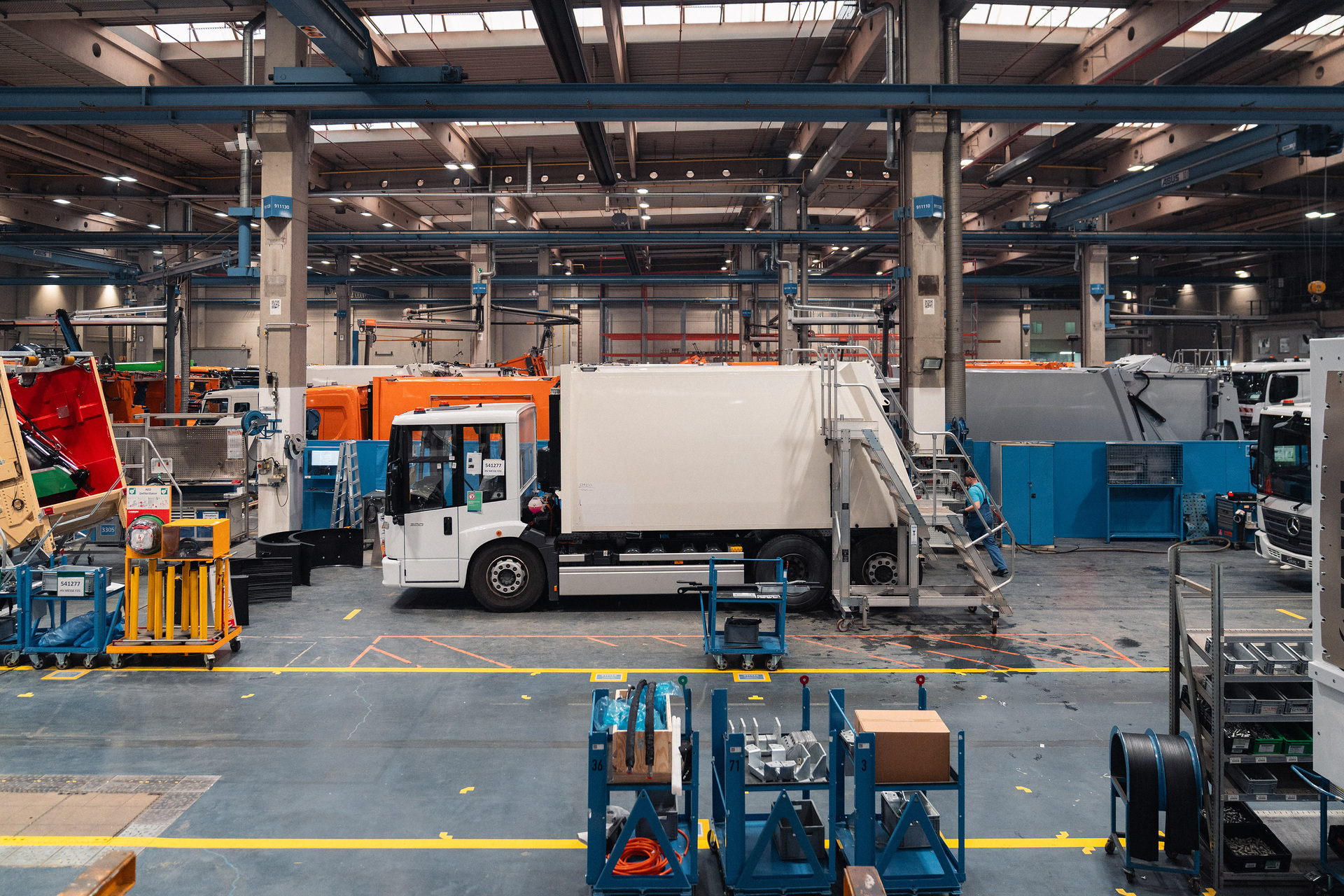
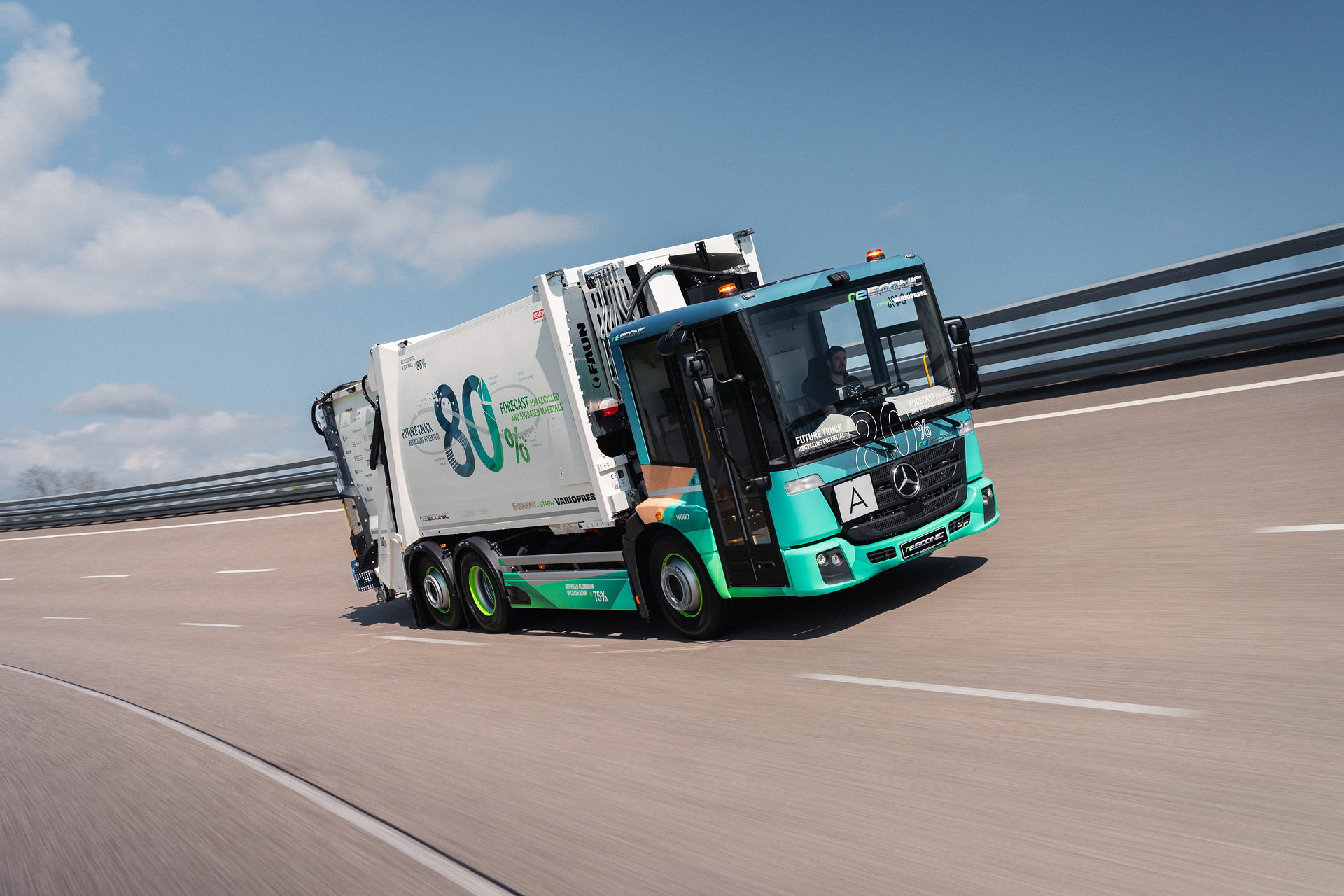
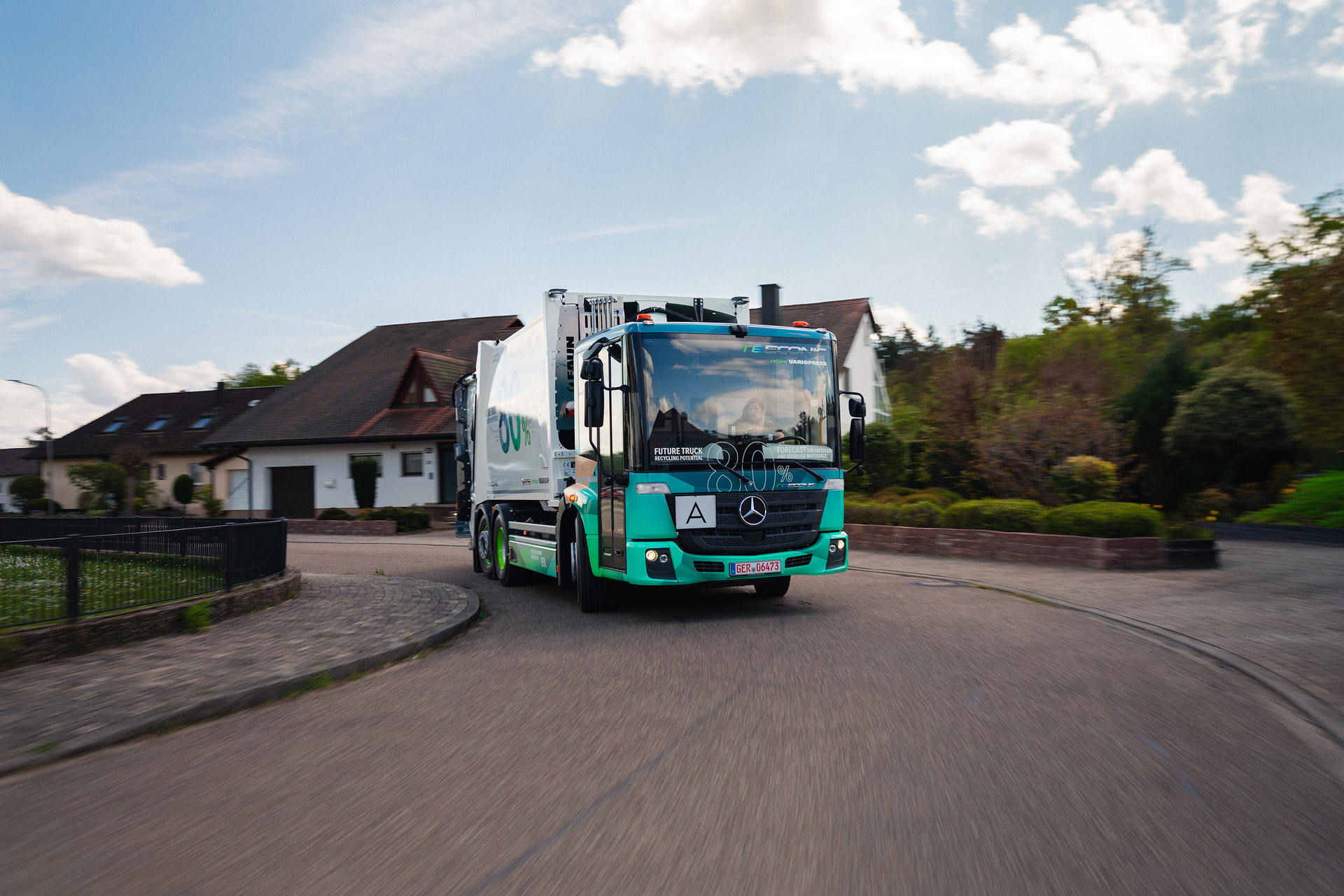
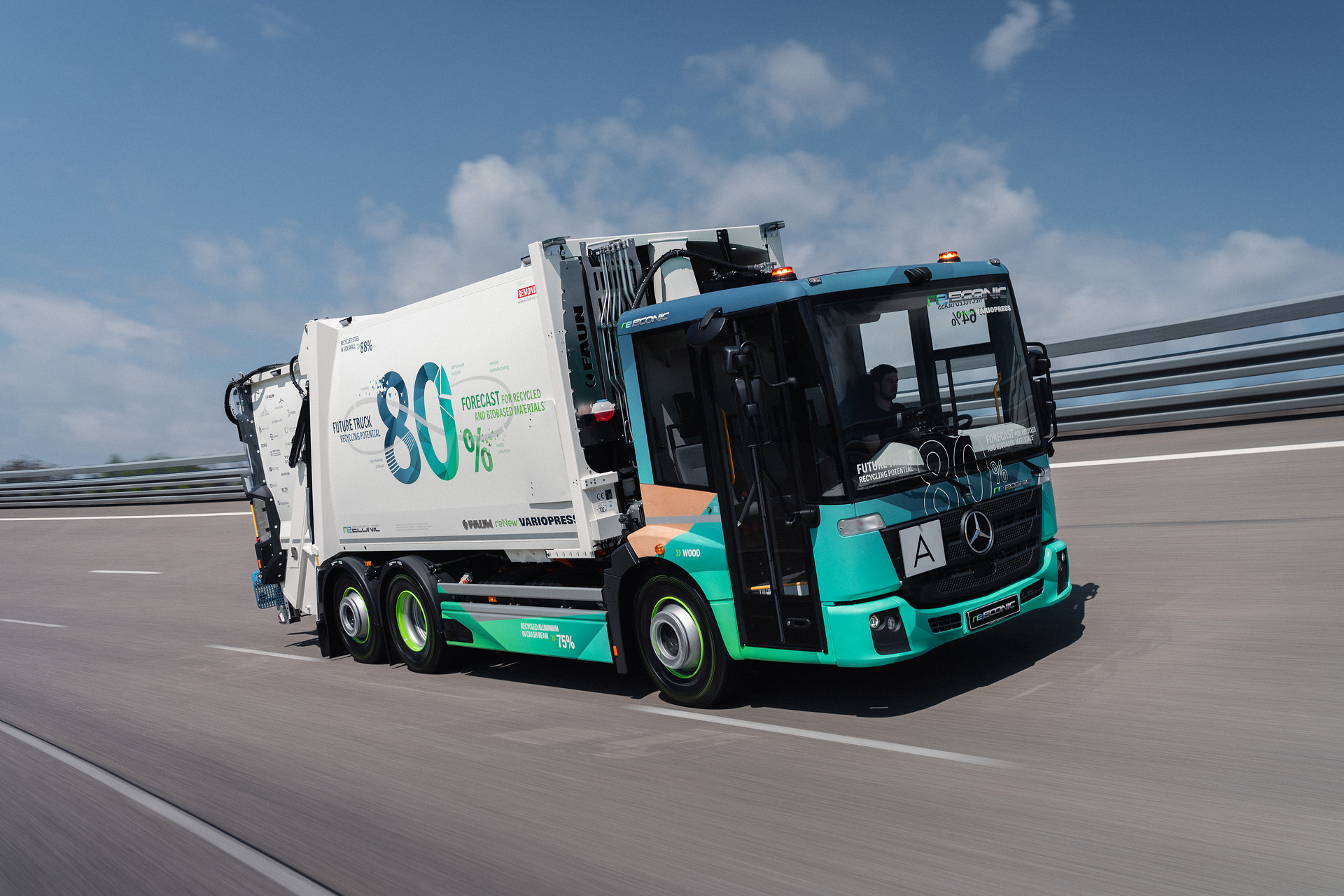
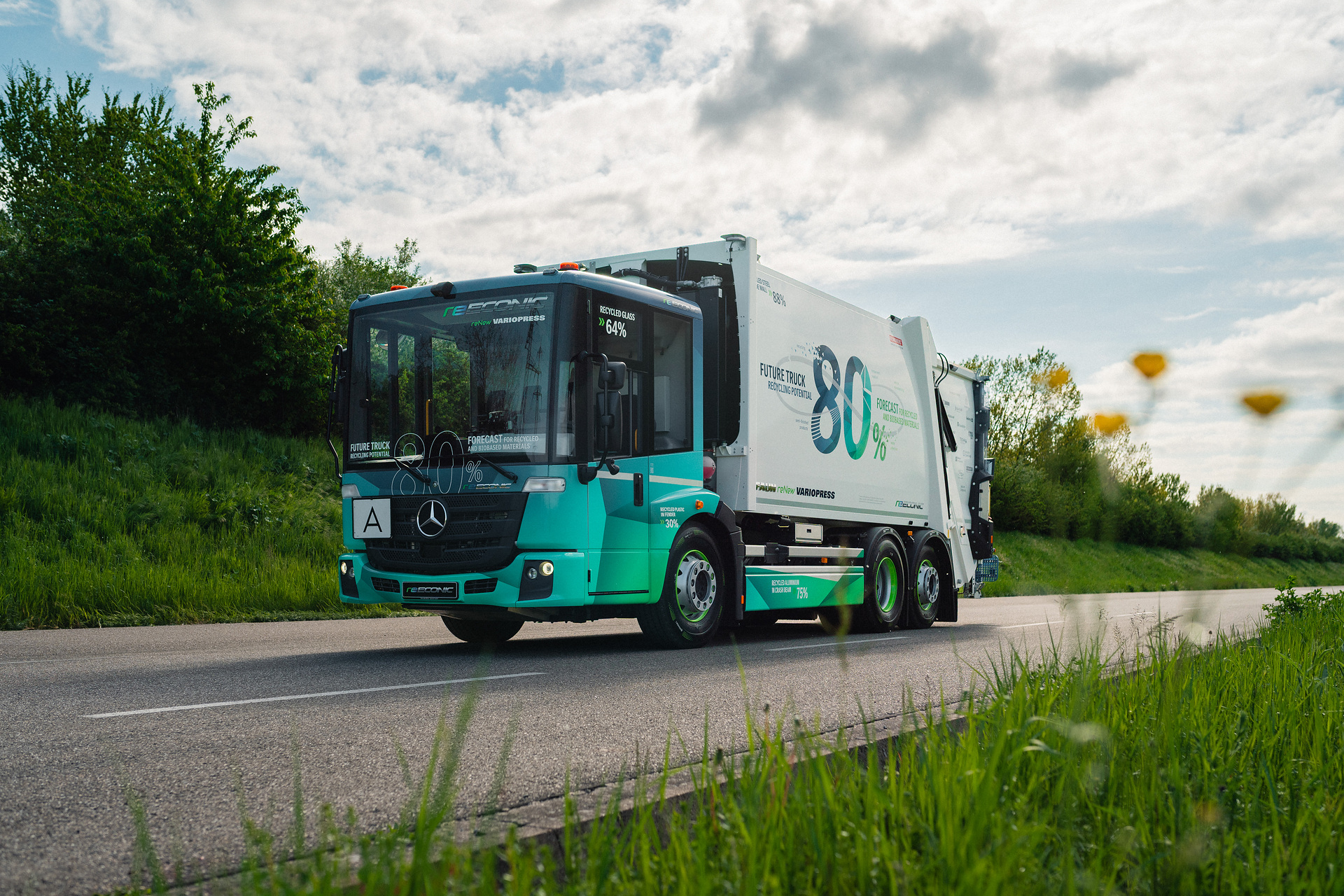
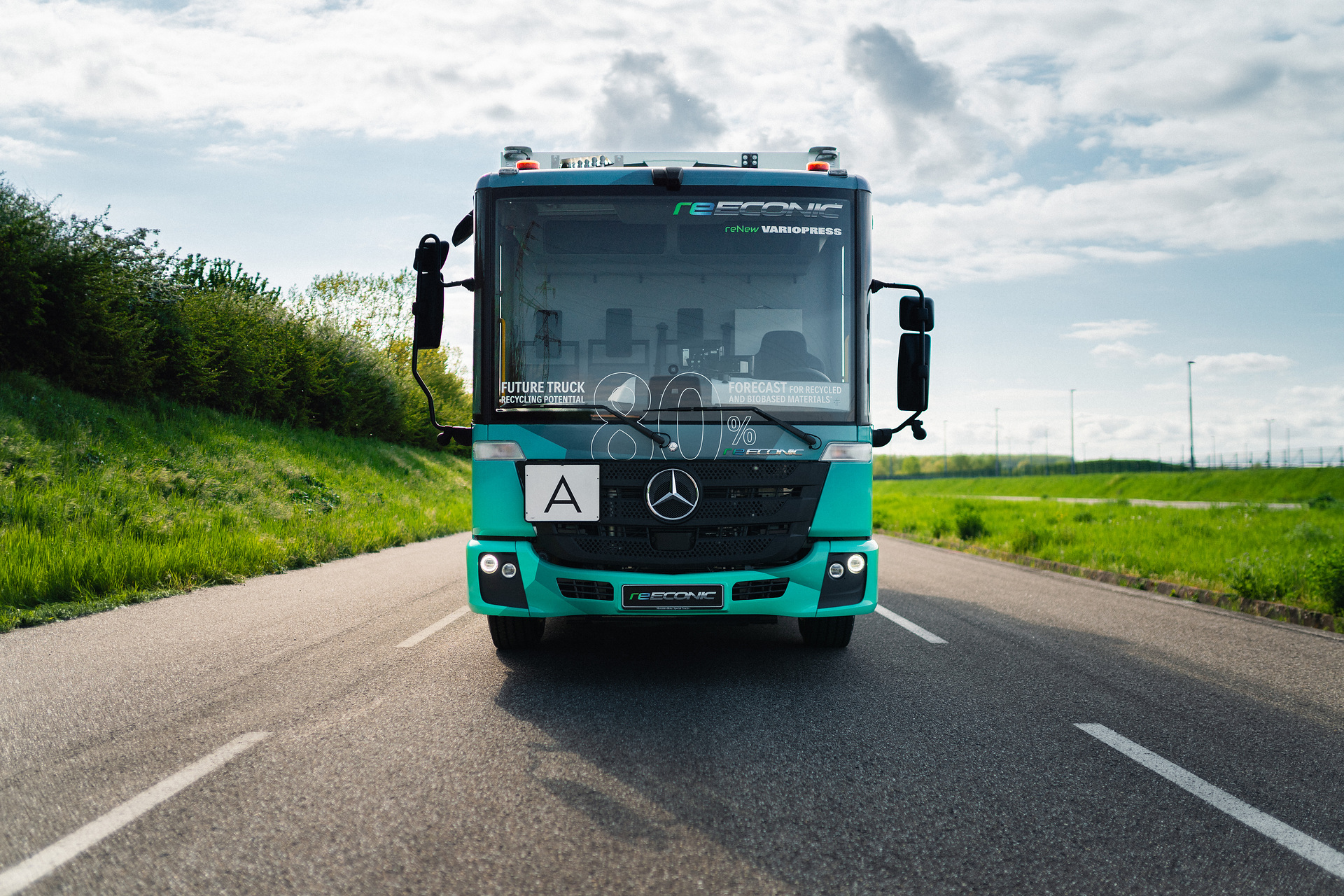
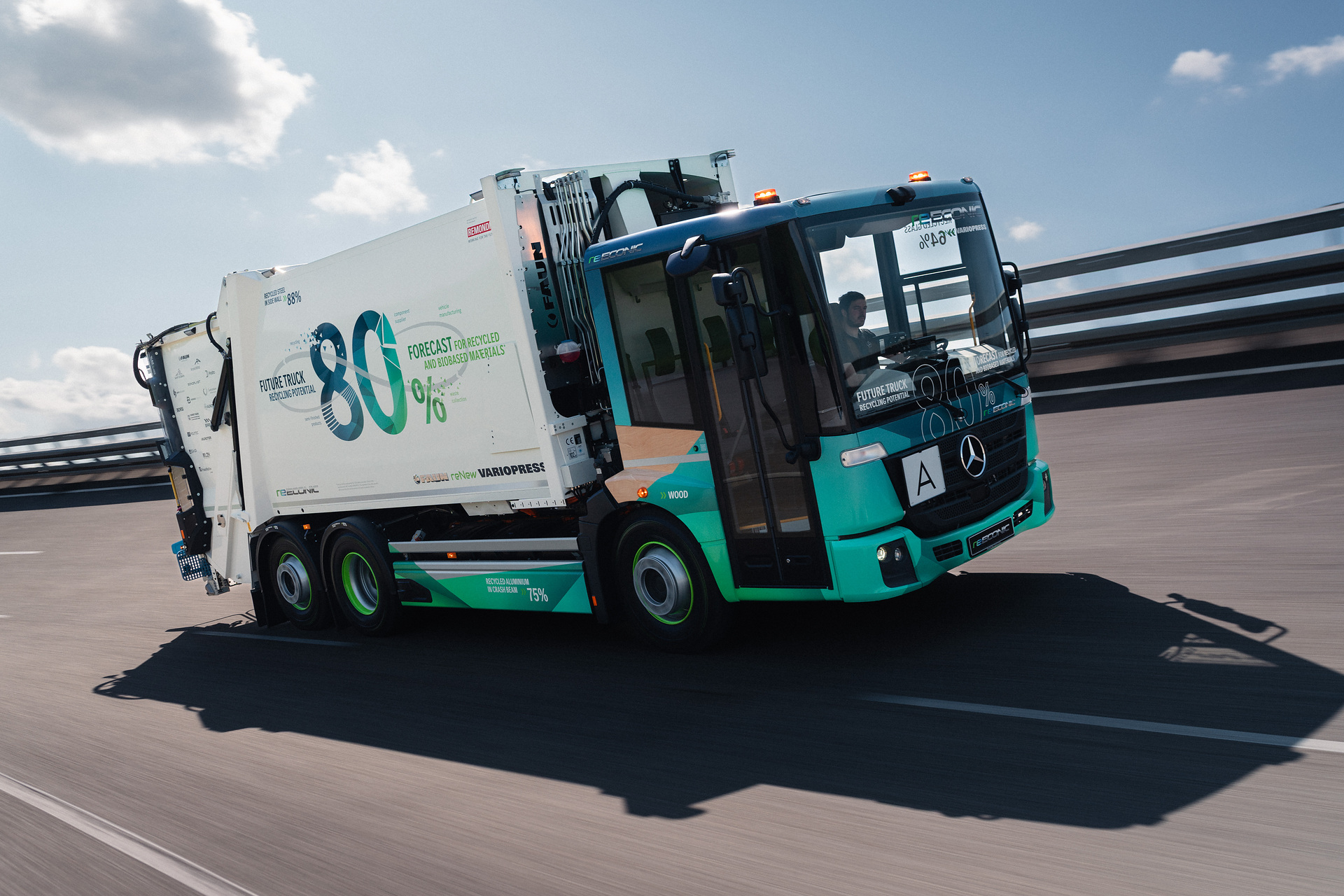
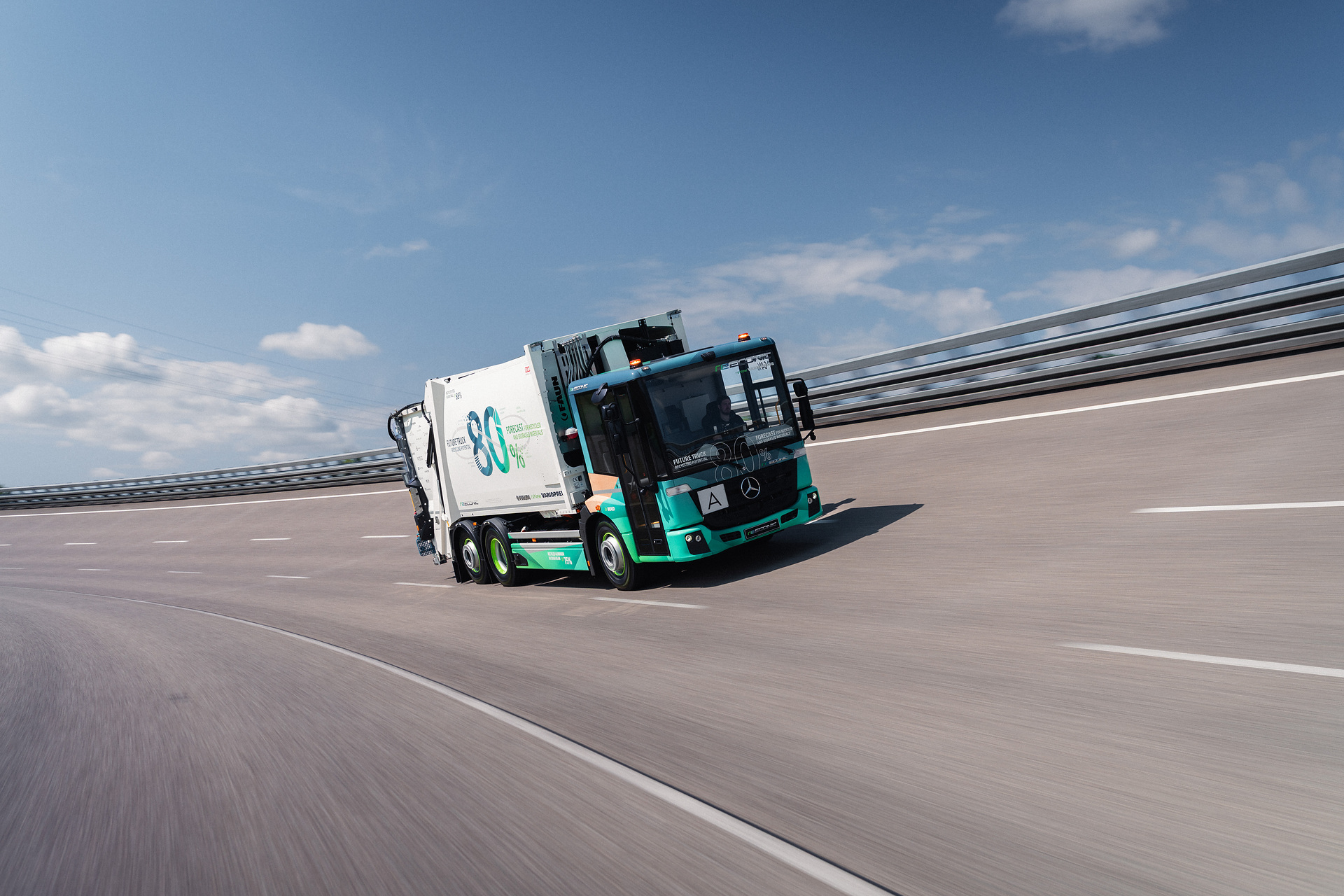
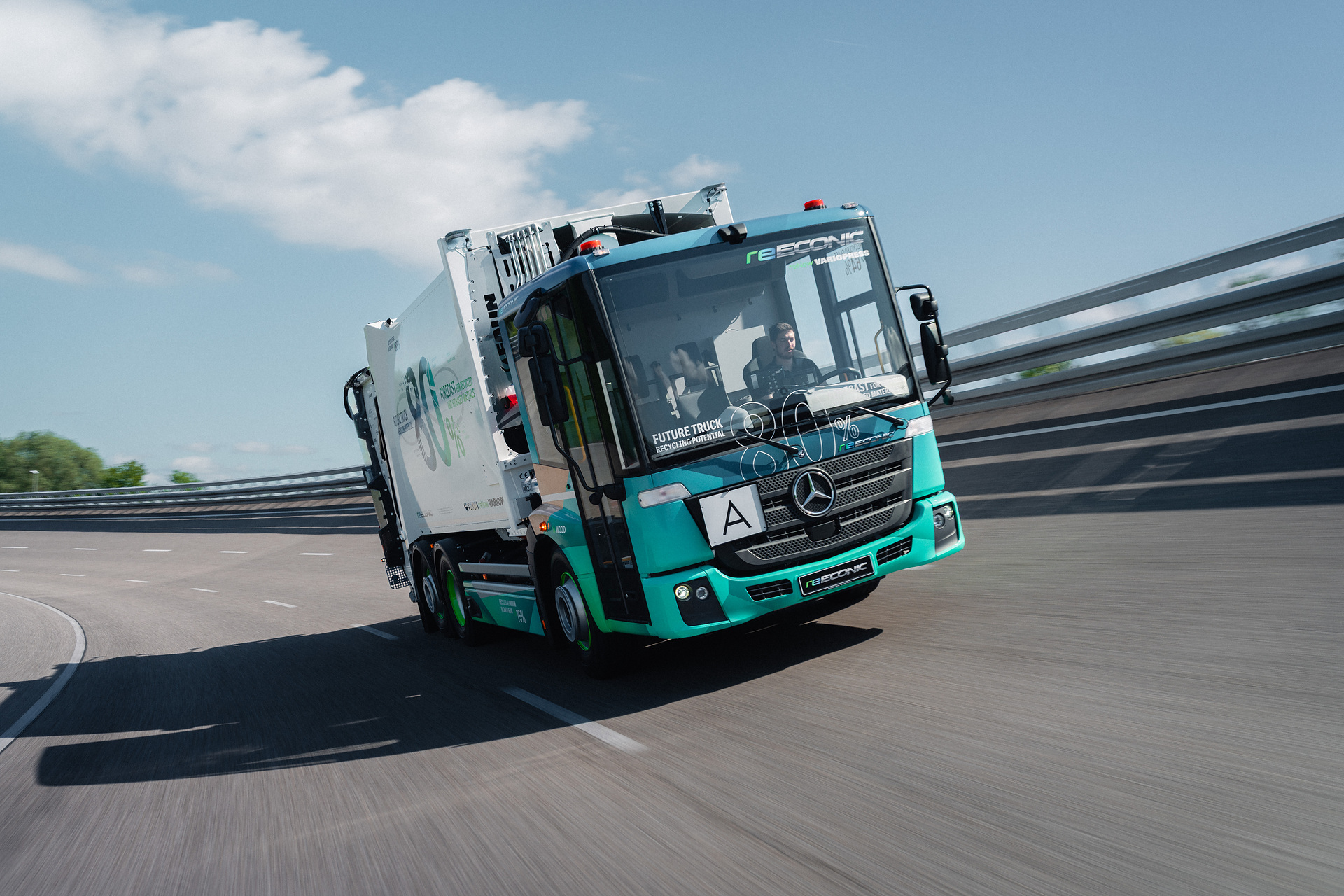
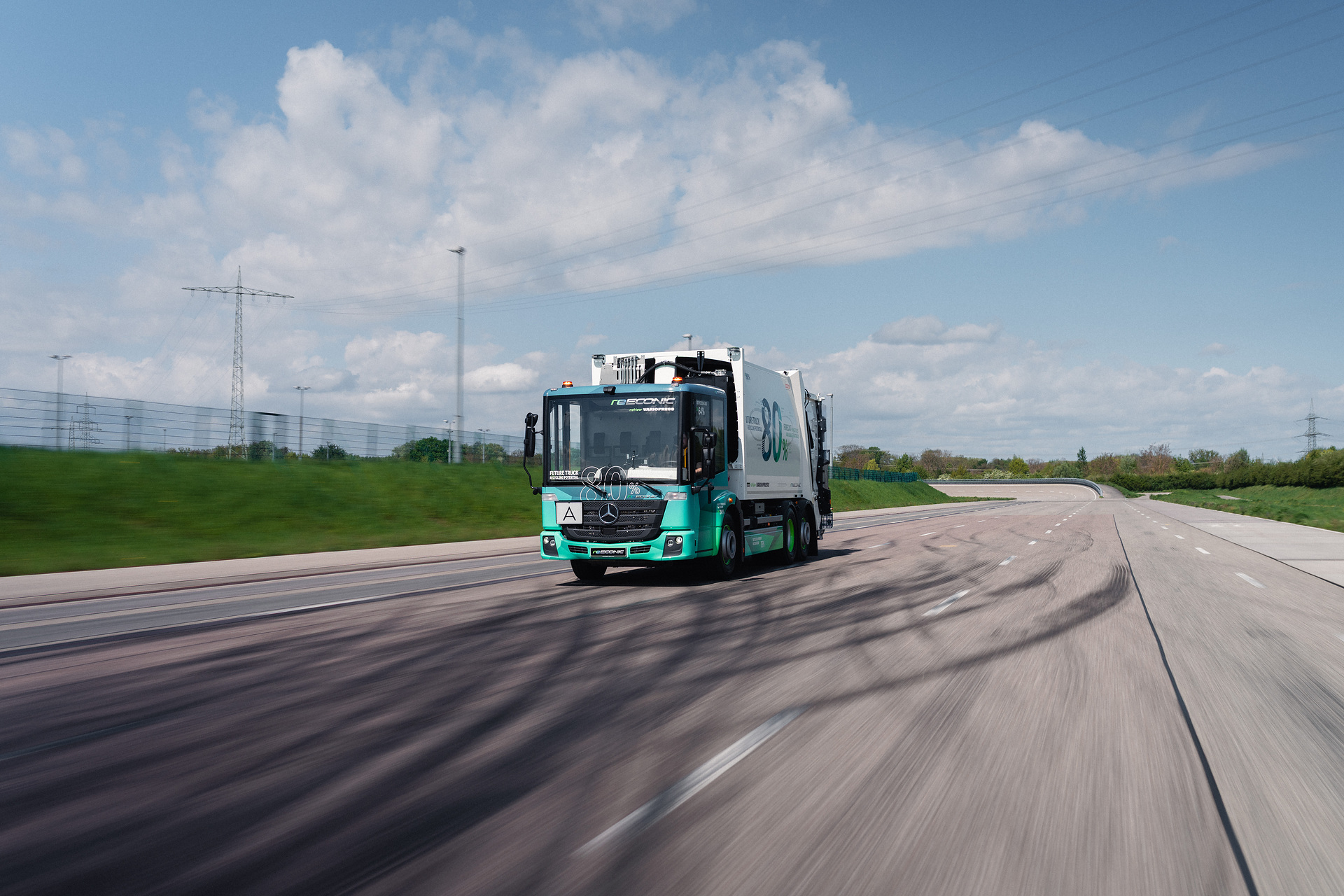
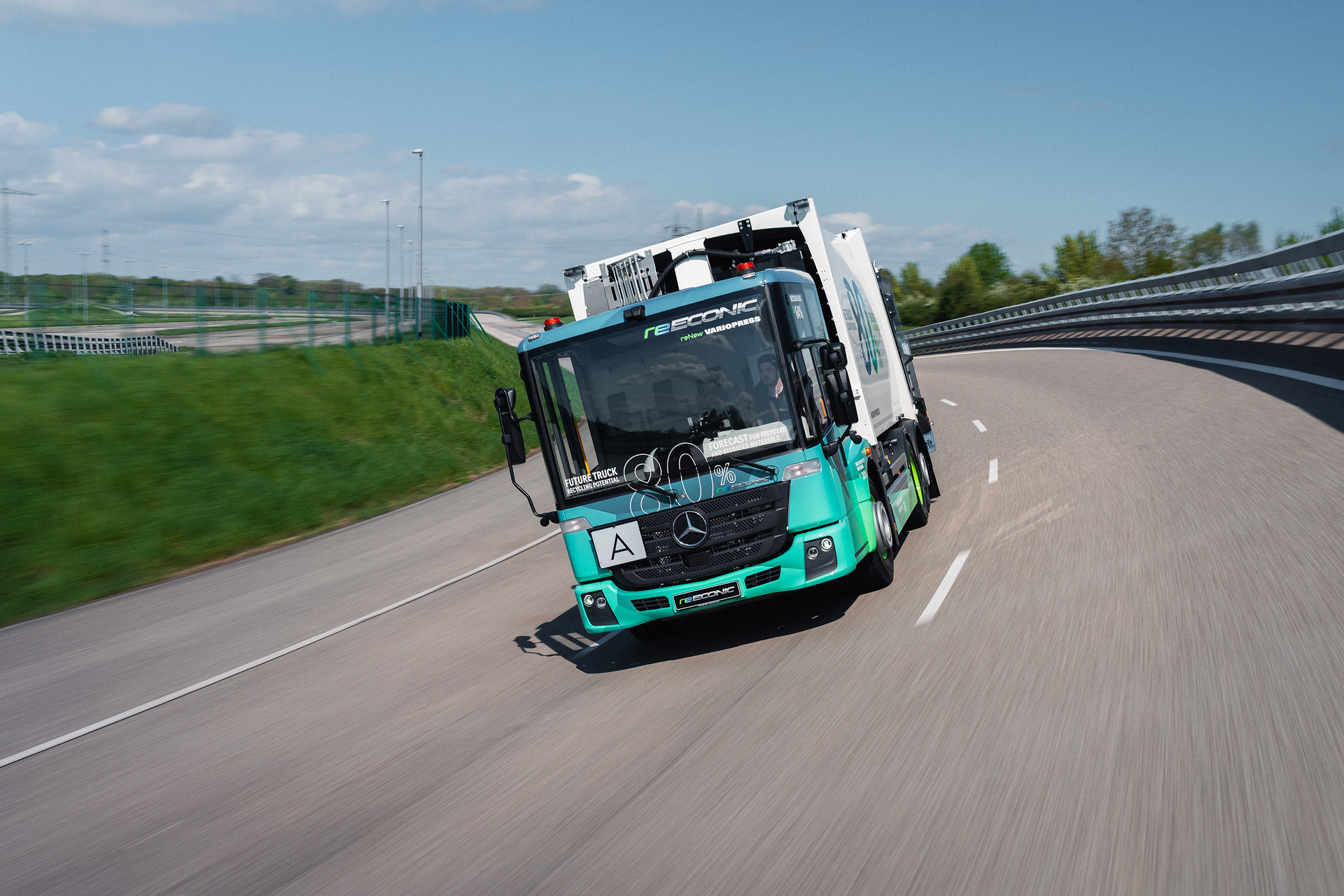
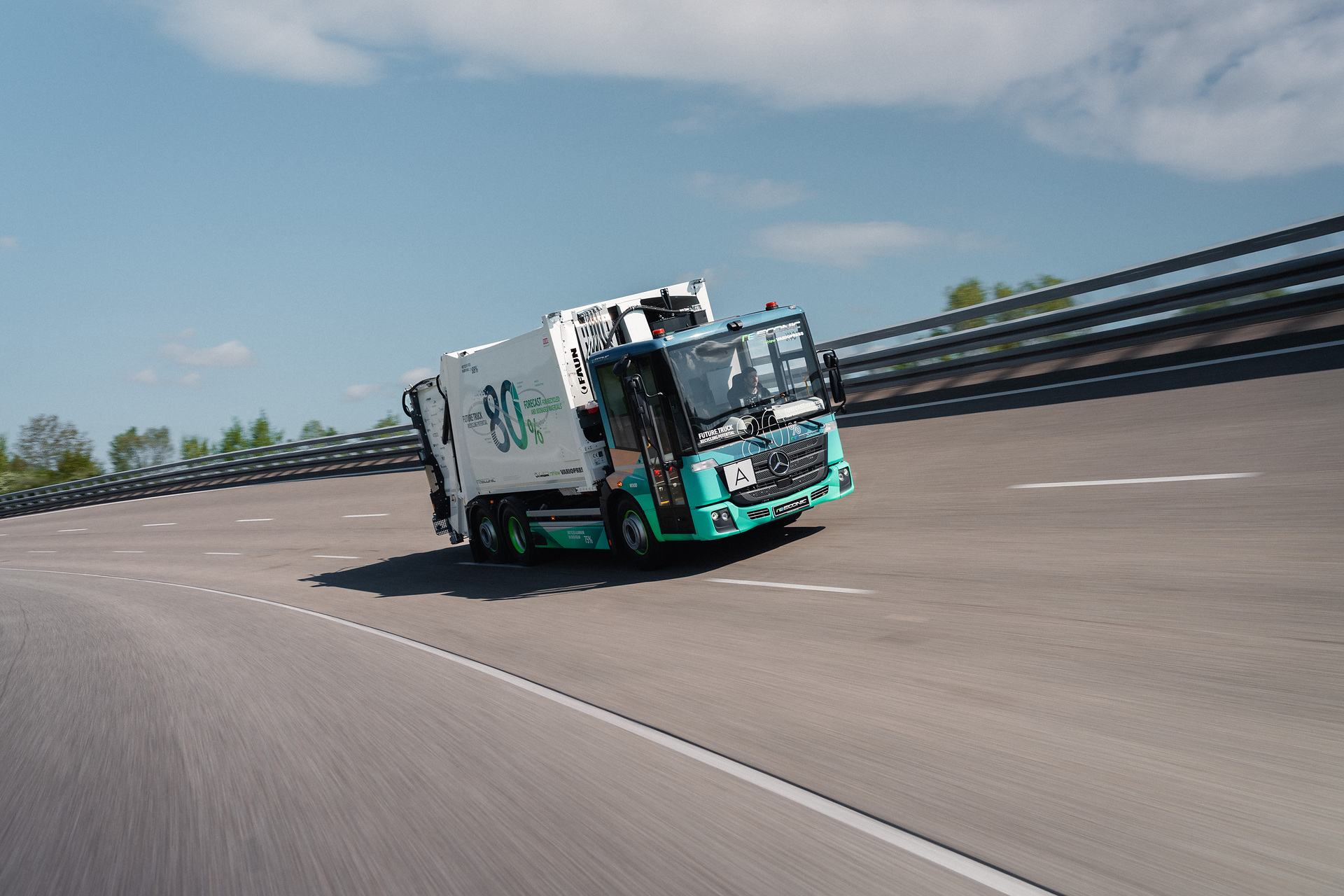
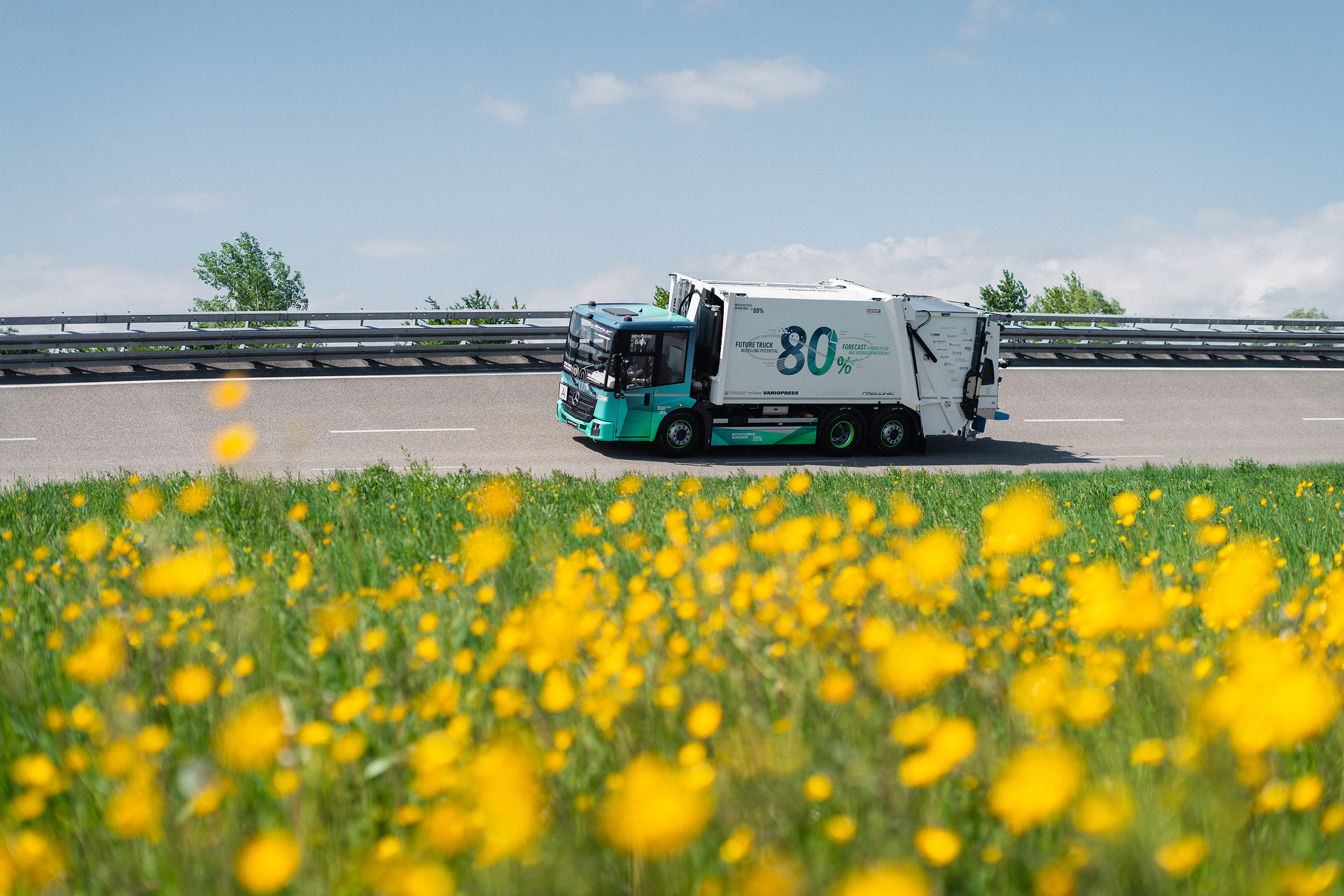
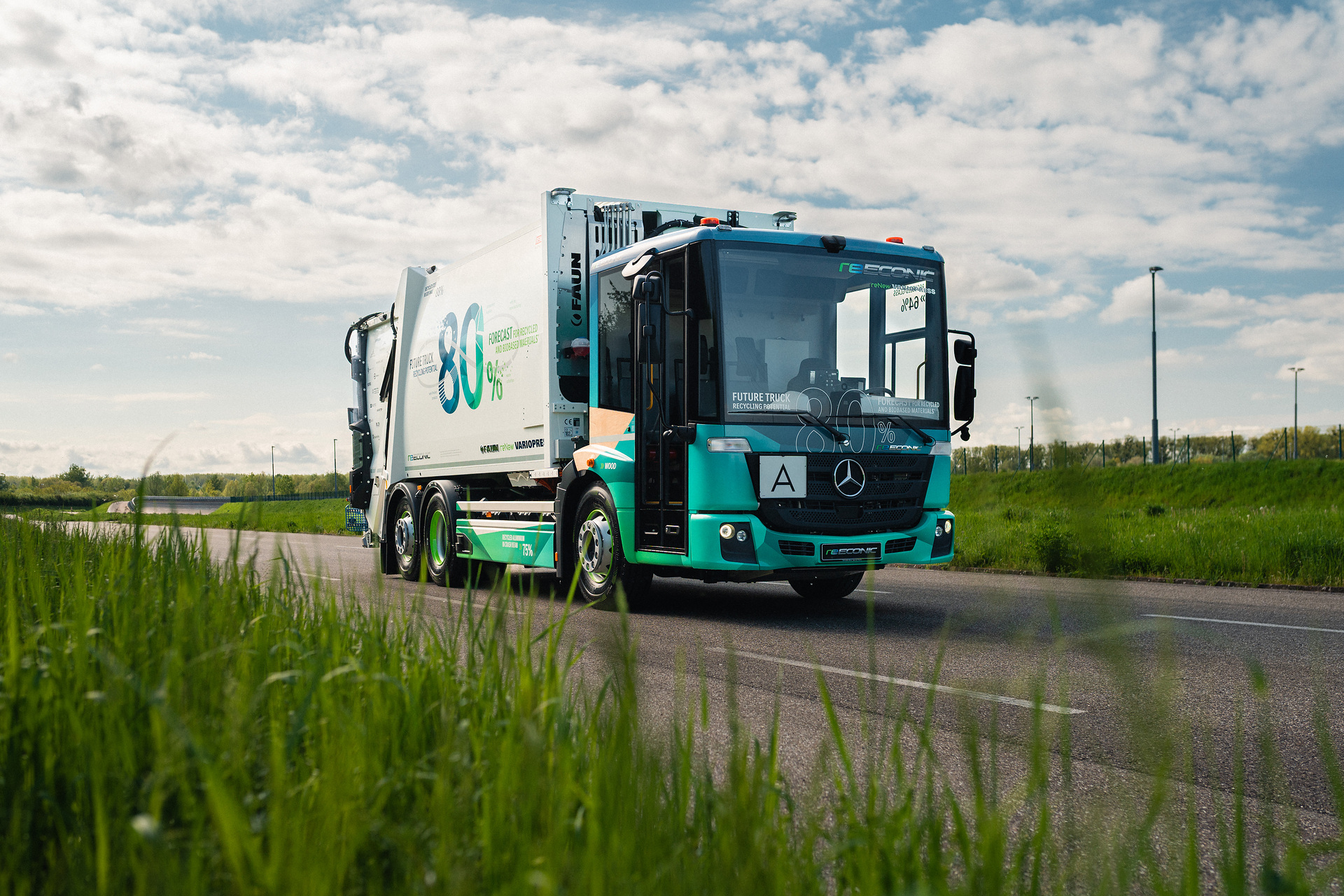
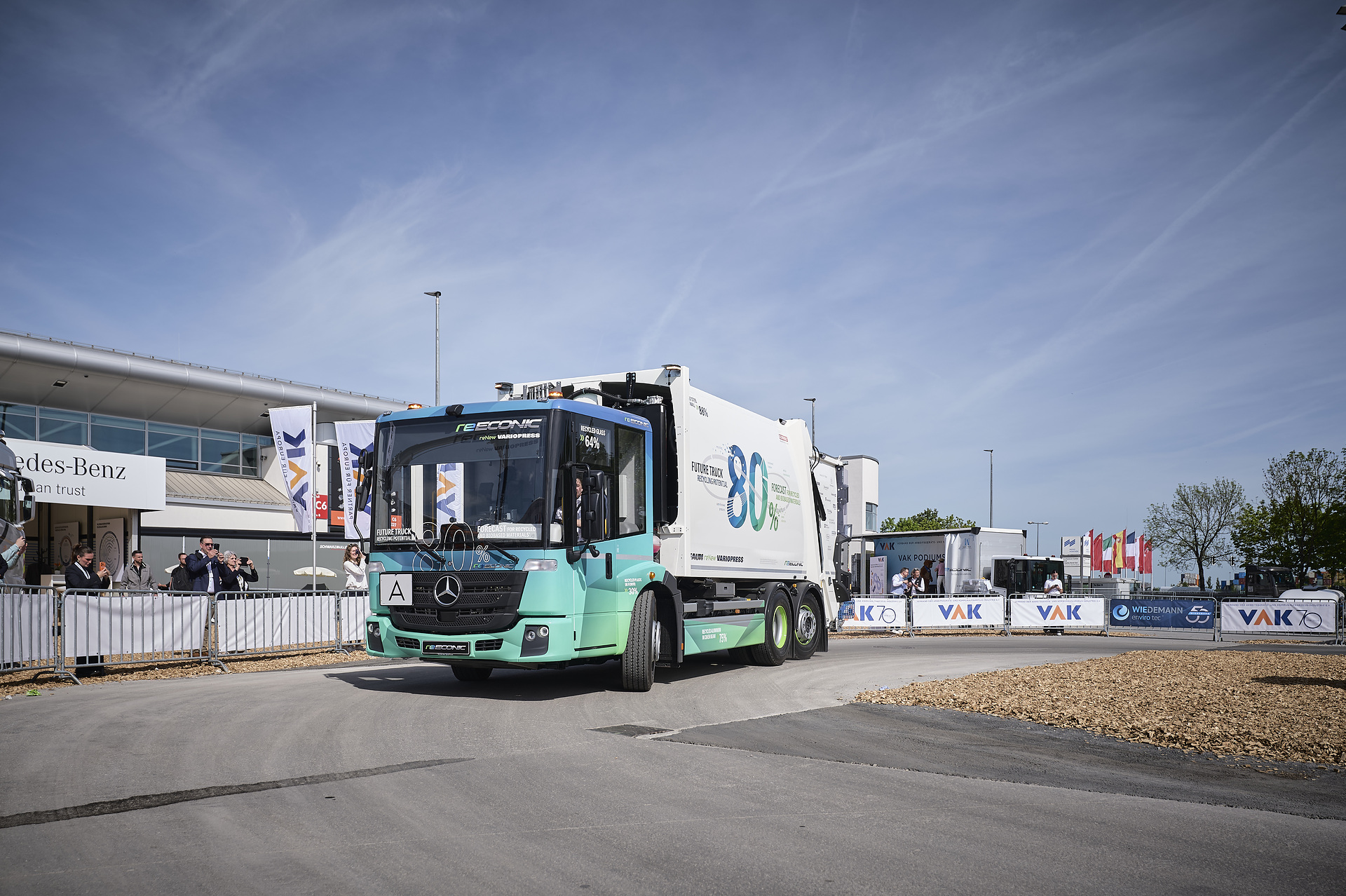
Leinfelden-Echterdingen / Munich – How can a holistic circular economy be achieved in the commercial vehicle sector? A sustainability alliance of 33 partners—led by the Daimler Truck division Mercedes-Benz Trucks, the waste collection vehicle specialist FAUN Umwelttechnik, and the recycling company TSR Group—demonstrates this with the concept vehicle “reECONIC.” The partners have manufactured the battery-electric waste collection vehicle, based on the Mercedes-Benz eEconic, in a particularly resource-efficient manner. The concept vehicle is equipped with the new FAUN reNew VARIOPRESS body, which is also partially made from recycled materials. The vehicle will celebrate its world premiere on May 4 at IFAT, the world’s leading trade fair for environmental technologies, in Munich. The reECONIC is scheduled to undergo extensive real-world testing at REMONDIS in the second half of 2026, meaning it will then transition into its practical use phase. The experience gained from this testing is expected to provide further insights for the continued development of circular vehicle concepts.[1]
As a waste collection vehicle, the reECONIC with FAUN reNew VARIOPRESS particularly underscores the value of circular production, as the vehicle itself contributes to resource reuse not only in its design but also in its operational function. It collects waste that is sent for recycling and is itself partly made of recycled materials, for which consistent resource reuse is a necessary prerequisite. TSR Group was the source of the idea and a key partner throughout the entire project period.
Achim Puchert, CEO of Mercedes-Benz Trucks: “Sustainability is an integral part of our strategy. Together with strong partners, we are actively advancing it through this project.
On the one hand, we are consistently decarbonizing our products. On the other hand, climate-friendly and resource-efficient production and supply processes make a significant contribution. With reECONIC, we are charting a concrete path toward a more sustainable value chain in vehicle production.”
Roland Dold, reECONIC Project Manager, Mercedes-Benz Trucks: “Together with our European partners, we have done pioneering work in the field of material recycling and the use of natural materials and bio-based alternative products in commercial vehicle manufacturing. It consists, among other things, of materials with a history—from fishing nets to automotive parts. Even after the end of their useful life, many of these components can be converted back into their raw materials and reused—that is the circular economy in its purest form. We expect to be able to incorporate our findings and experience into series production so that more trucks with high recycled content will hit the roads in the future.”
Malte Sonnenburg, CEO FAUN Group: “Sustainability is not a trend, but a mindset. With the FAUN reNew VARIOPRESS, we are proving that responsibility and economic efficiency go hand in hand and that the circular economy can become a reality in vehicle manufacturing.”
Bernd Fleschenberg, COO of TSR Group: “Through the reECONIC joint project, we are working with Daimler Truck, FAUN, and 30 partners to demonstrate the strategic importance of the circular economy for the industry’s raw material supply. We initiated this project because closed-loop systems can only be created if they are conceived and implemented collaboratively across the entire value chain. This conserves resources, significantly reduces energy consumption, and lowers CO₂ emissions. At the same time, it strengthens the resilience of industrial supply chains and reduces dependence on global raw material markets. reECONIC thus serves as a model for an industrial circular economy that combines raw material security with sustainability.”
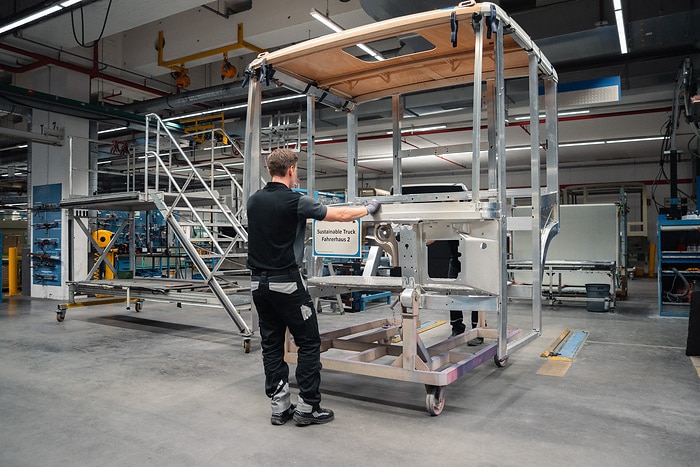
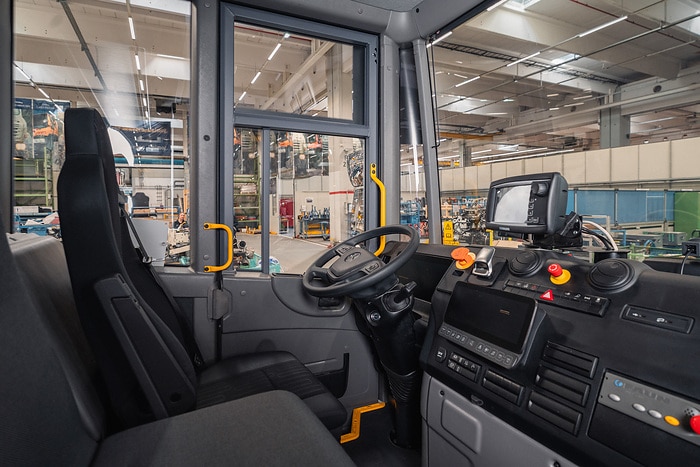
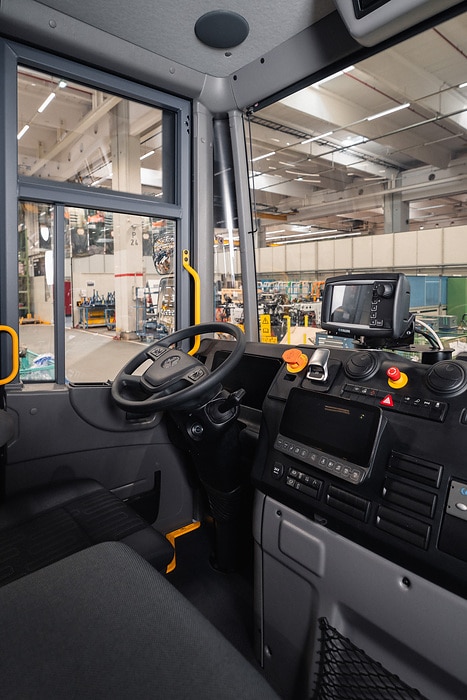
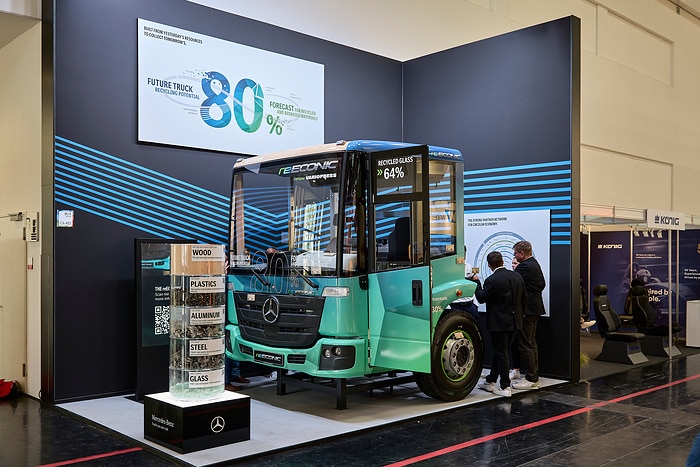
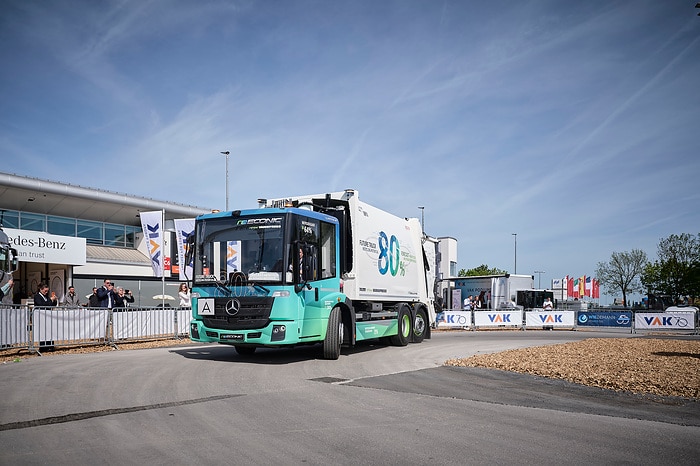
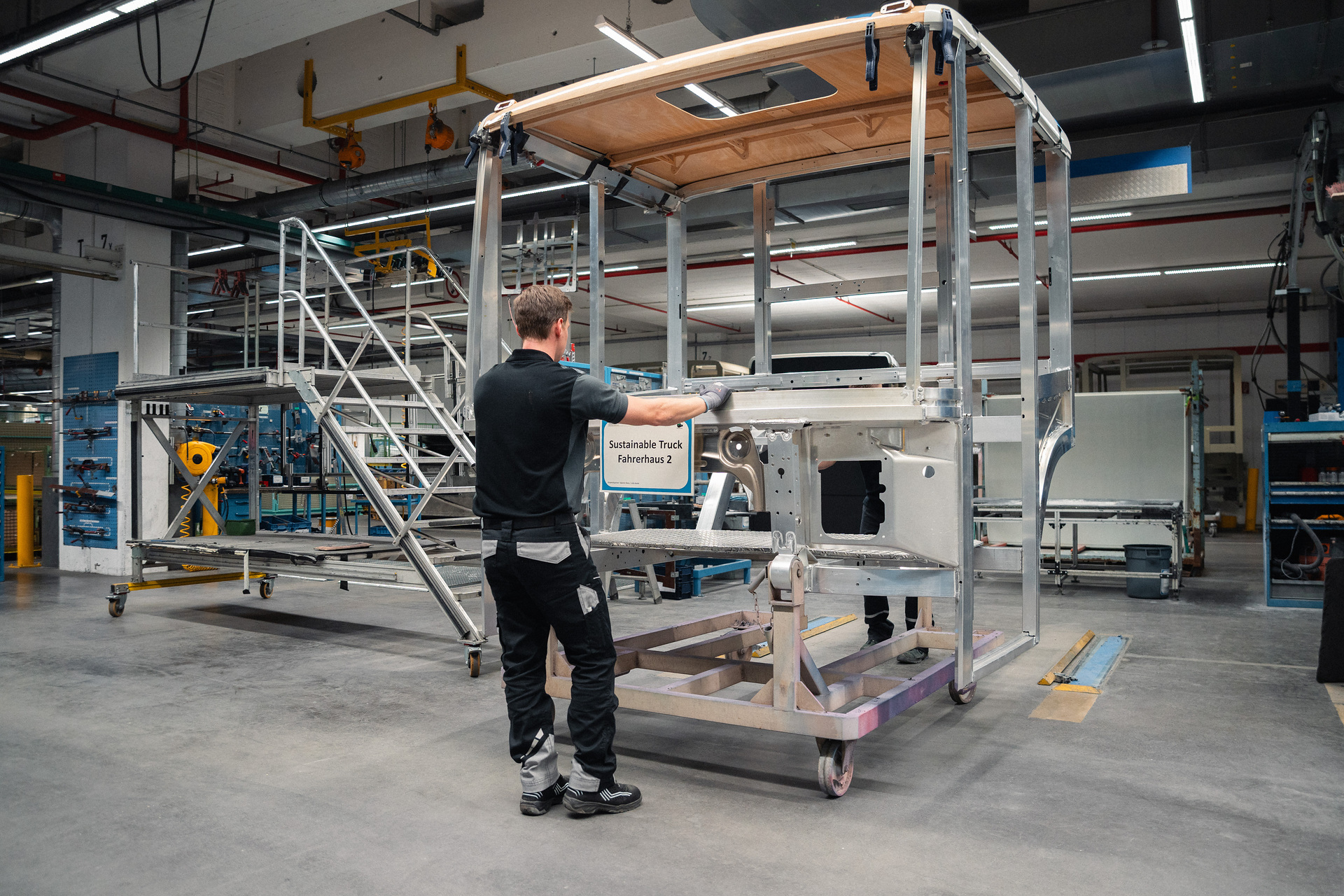
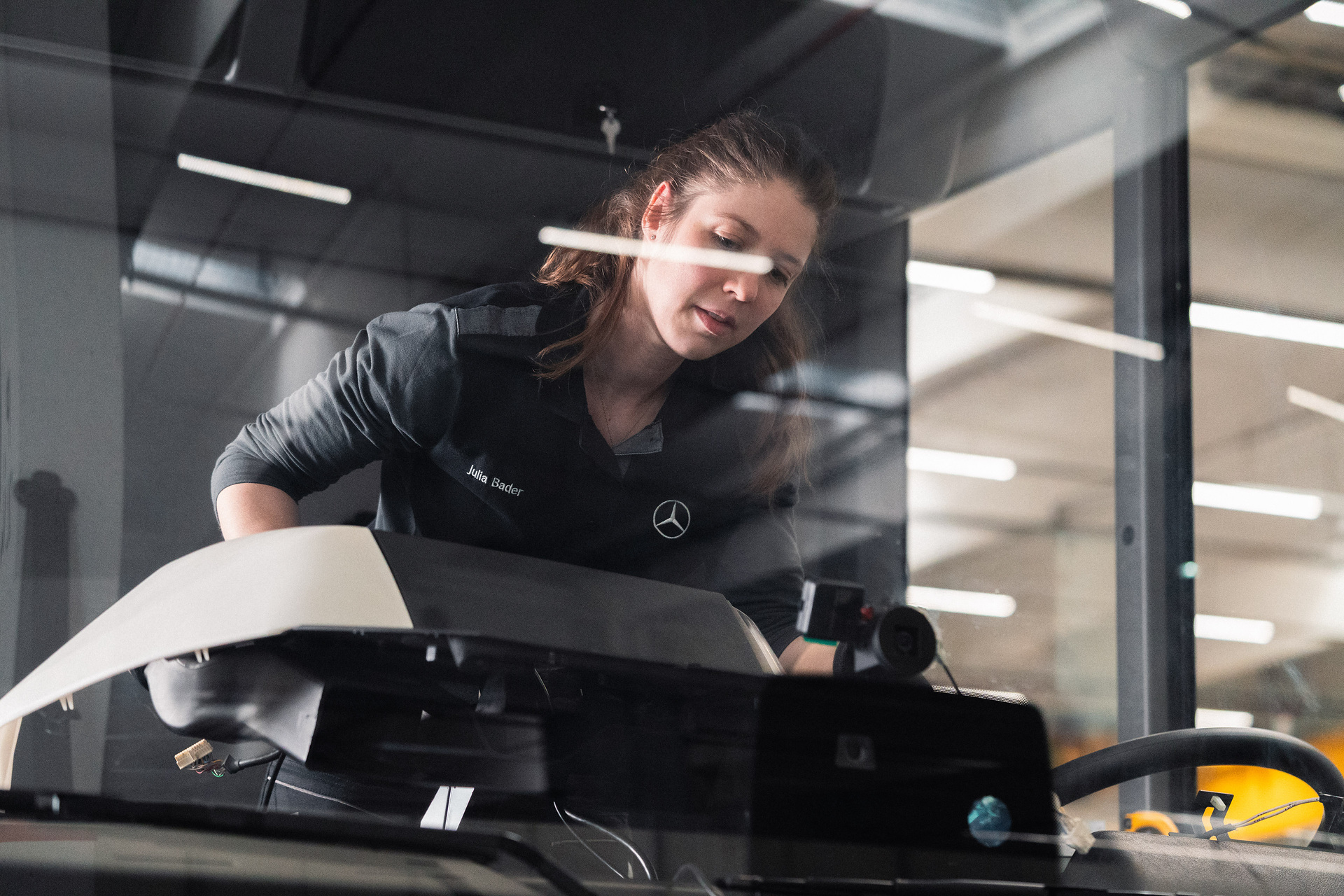
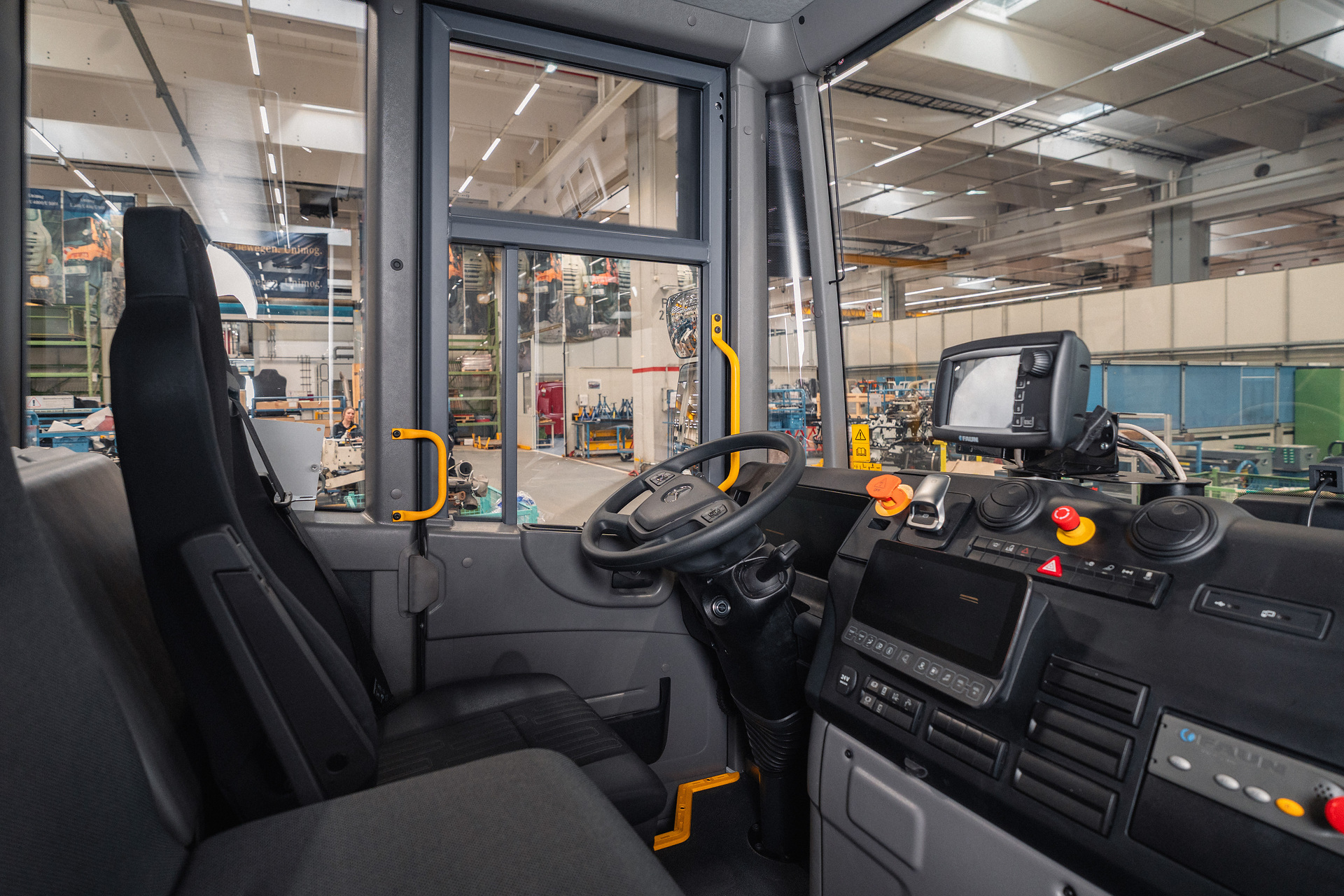
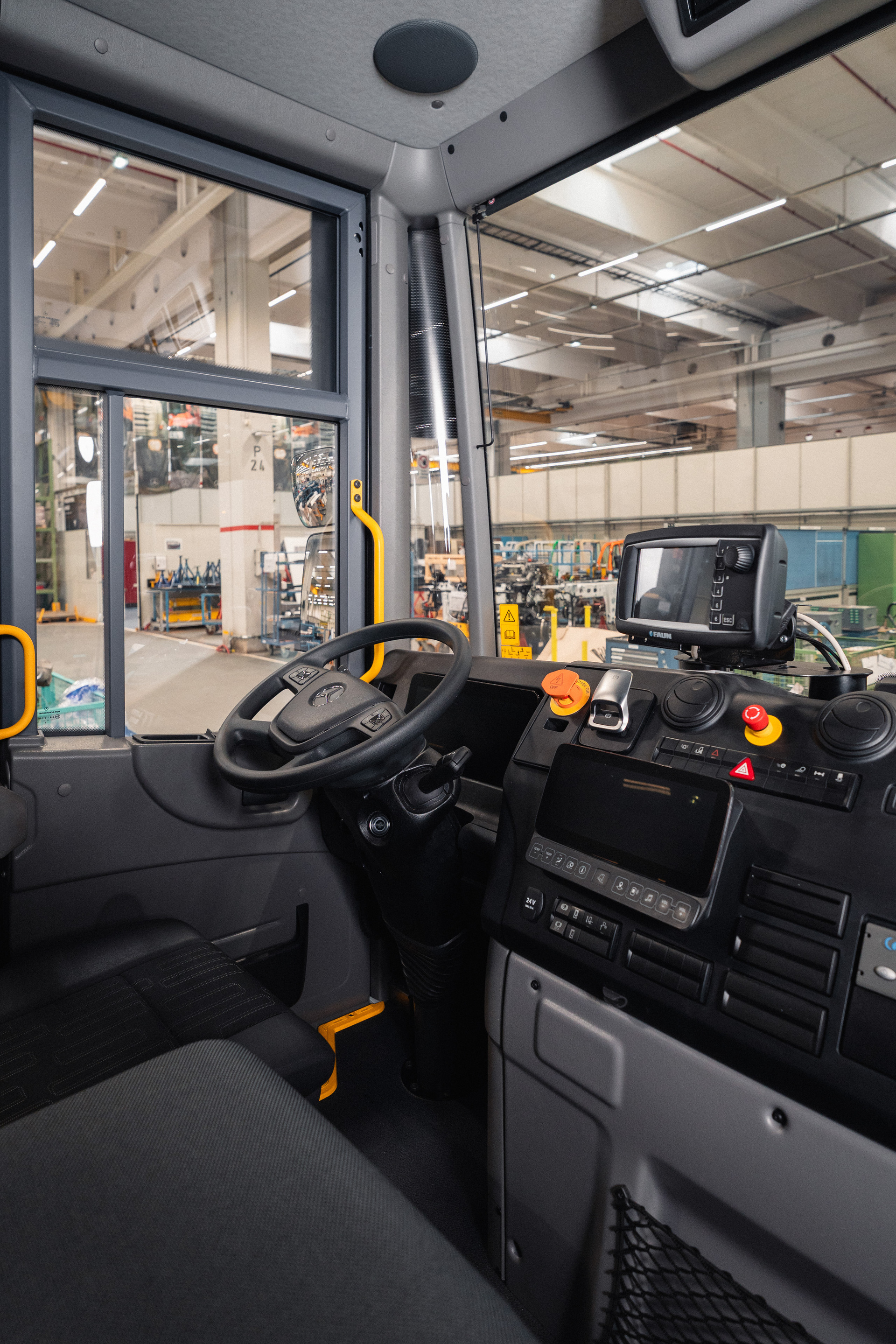
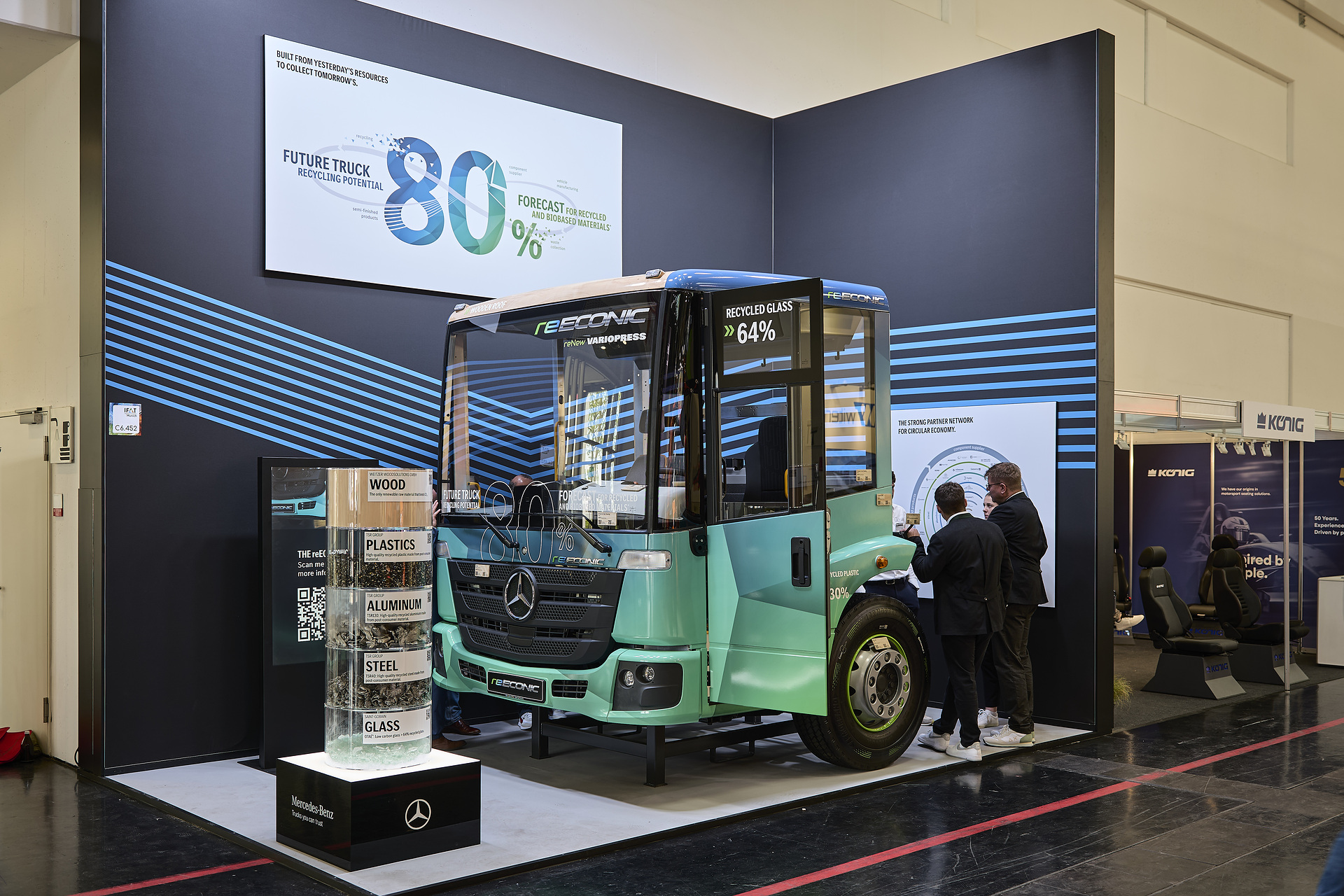
The complete reECONIC vehicle will be on display starting May 4 in the VAK outdoor area (Association for work machinery and municipal technology in Germany) at IFAT, where it will also be driven on the vehicle course and explained by experts. Visitors can find an additional reECONIC driver’s cab, built for development purposes, at the Mercedes-Benz Trucks booth (number C6.451). This driver’s cab features a cross-section showing the materials used, and detailed information is available via QR codes.
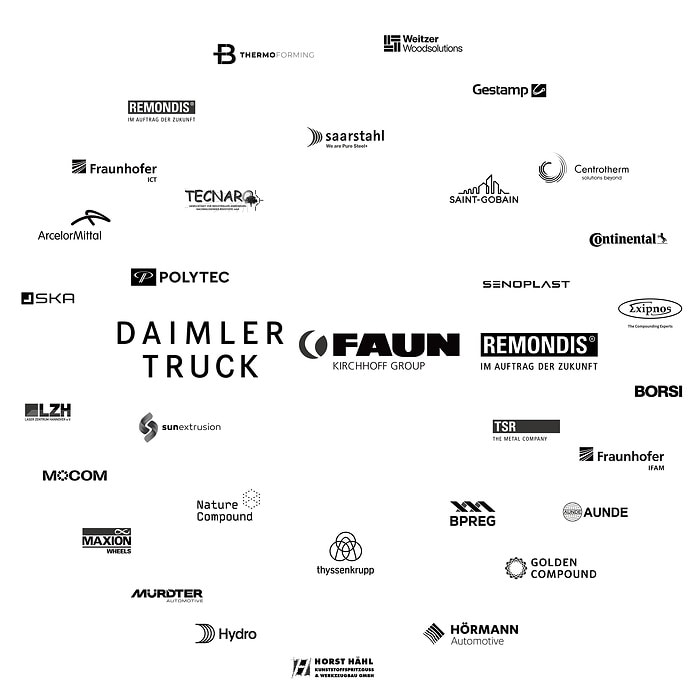
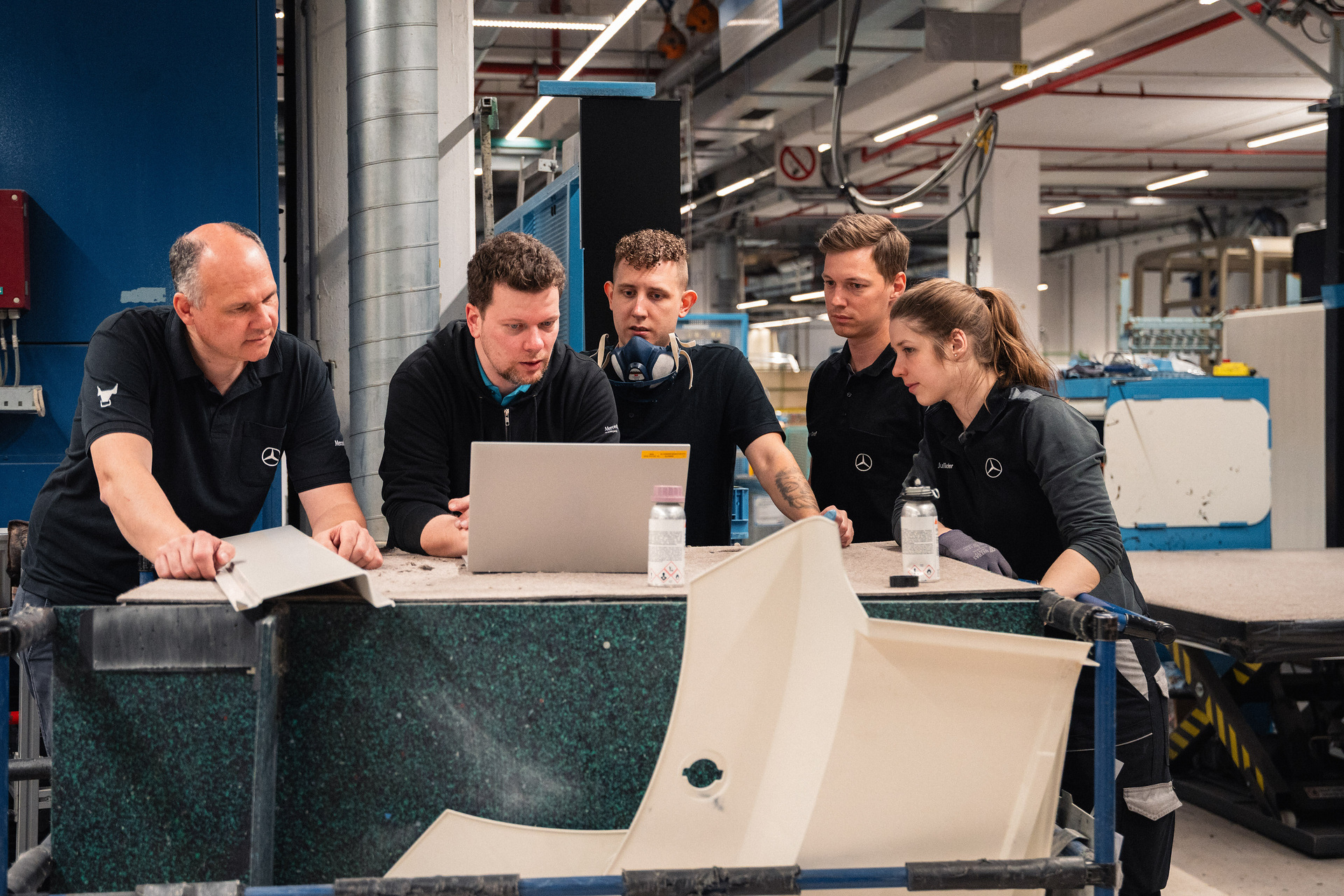
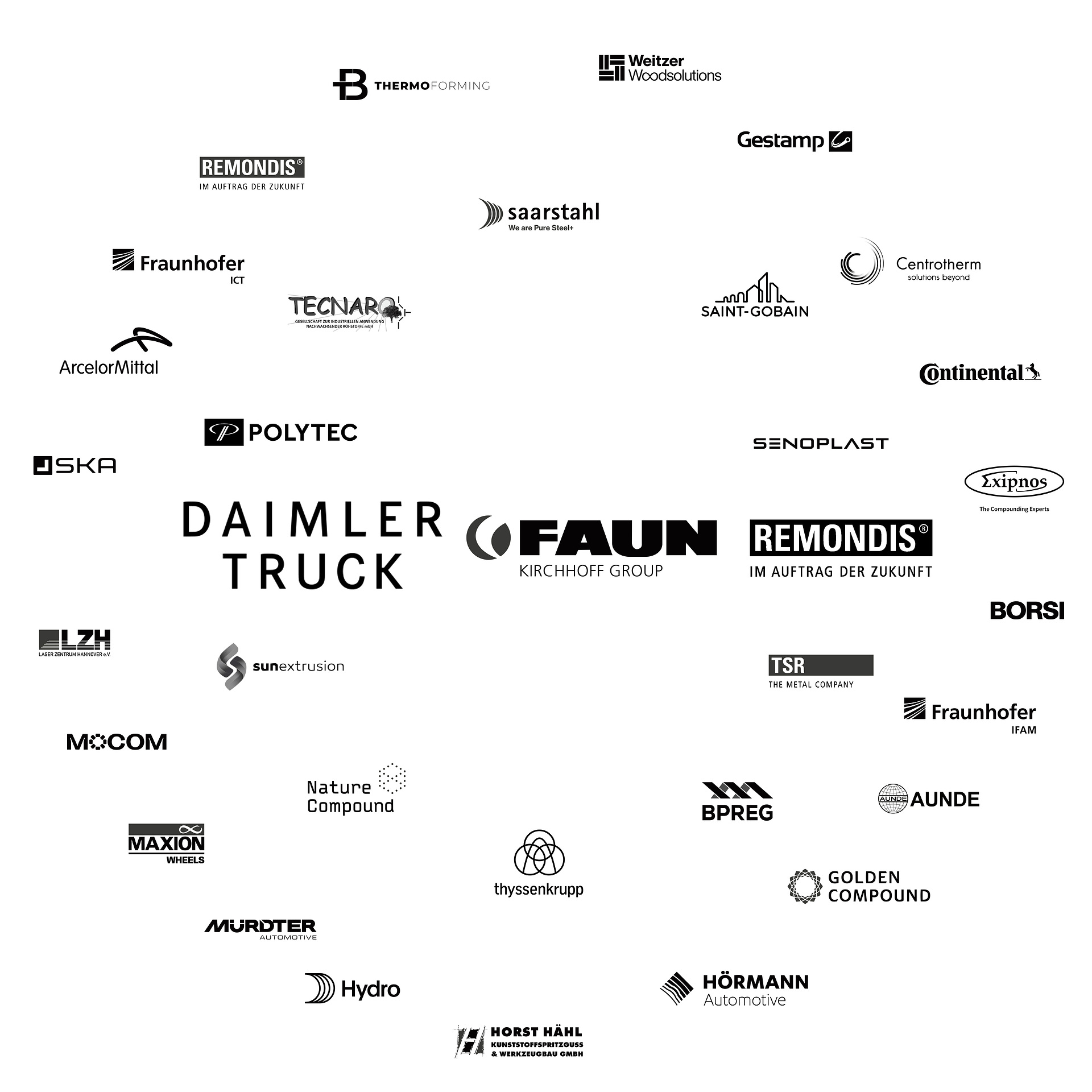
In addition to Daimler Truck, FAUN and TSR, the other project partners include companies active in the fields of recycling and raw material extraction, semi-finished product manufacturing, and component production, as well as in the metal, plastics, glass, and wood processing industries. What unites these partners is that they have initiated significant changes in relevant production steps to make their processes more low-carbon.
reECONIC: Circular thinking
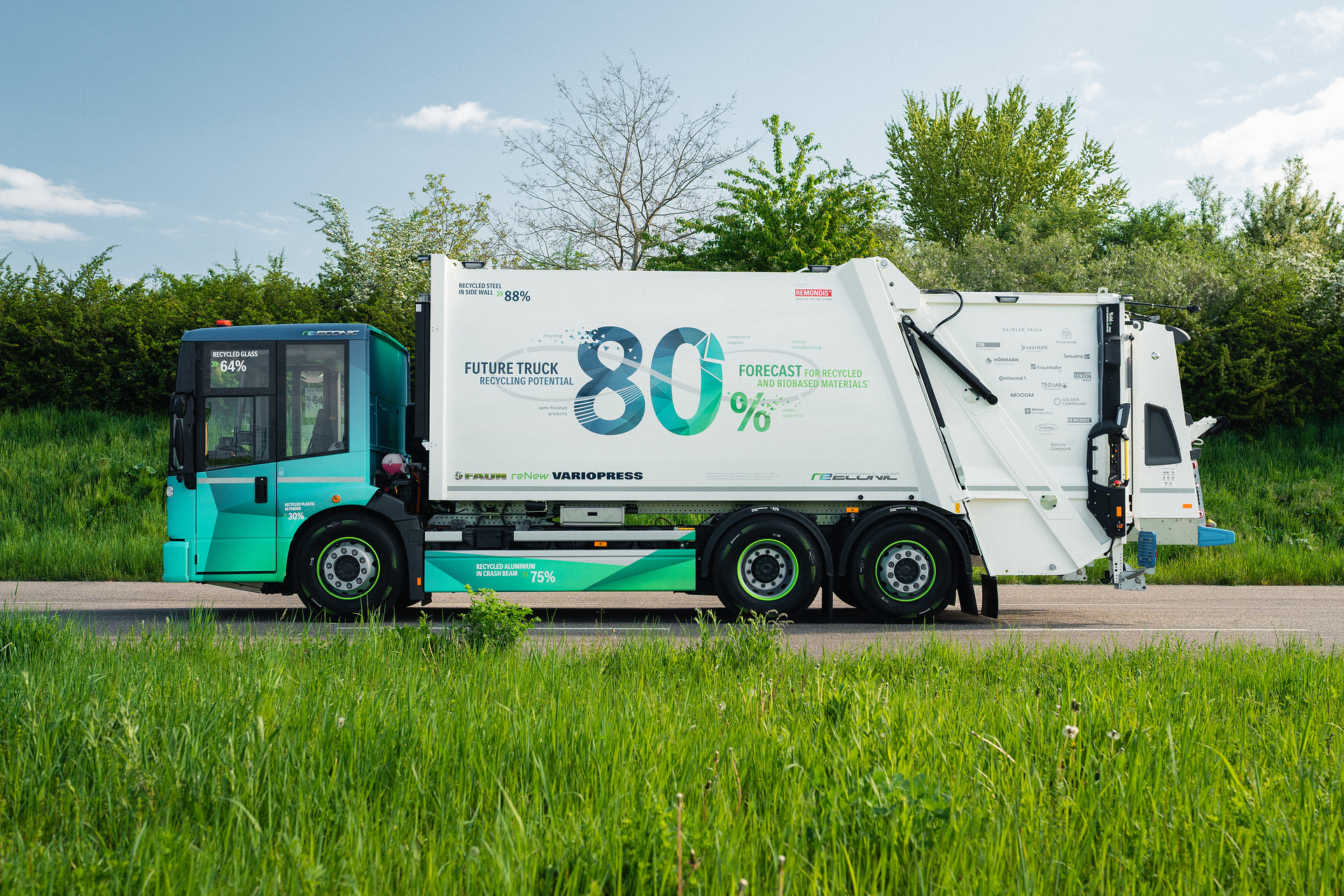
In the reECONIC, selected components were replaced with recycled materials and natural and bio-based materials. The partners supplemented the parts installed in the vehicle with forecasts and projections to determine how the circular content could theoretically be further increased. Overall, the combination of installed components and the study results show that, theoretically, around 80 percent of the materials steel, aluminum, glass, and plastic could be replaced with recycled materials and natural and bio-based materials. The main material groups (steel, aluminum, glass, and plastic) account for a total of 6.5 tons of the eEconic’s total weight in the standard production model.[2] In absolute terms, this means that, using the available production processes and materials, up to 5.2 tons could theoretically be substituted in the future. TÜV SÜD has certified the values and methodology in this regard.[3]
The partners have demonstrated that, compared to a conventionally produced vehicle, the eEconic series could theoretically reduce CO₂e emissions in vehicle manufacturing by up to 41 percent through the consistent use of recycled, natural, and bio-based materials.[4] This figure was determined based on the physically implemented components installed in the vehicle, supplementary extrapolations, and forecasts provided by the partners.[5]
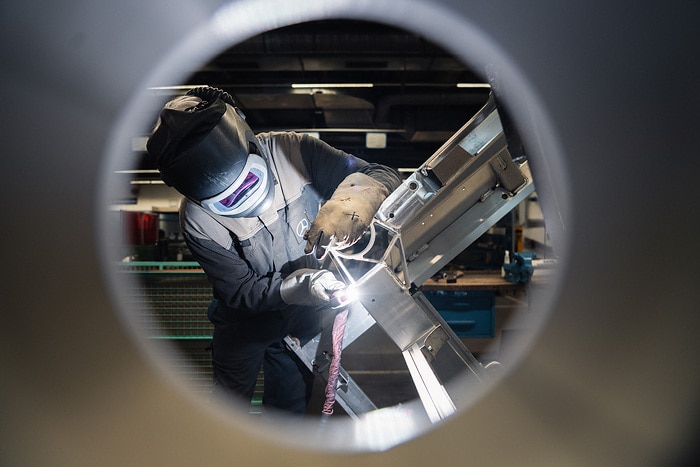
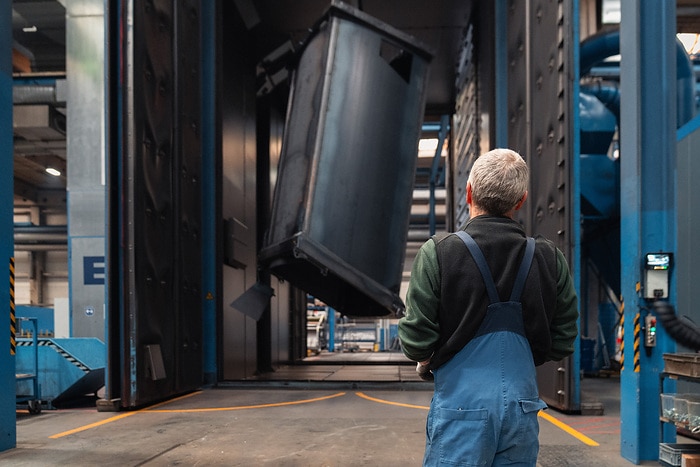
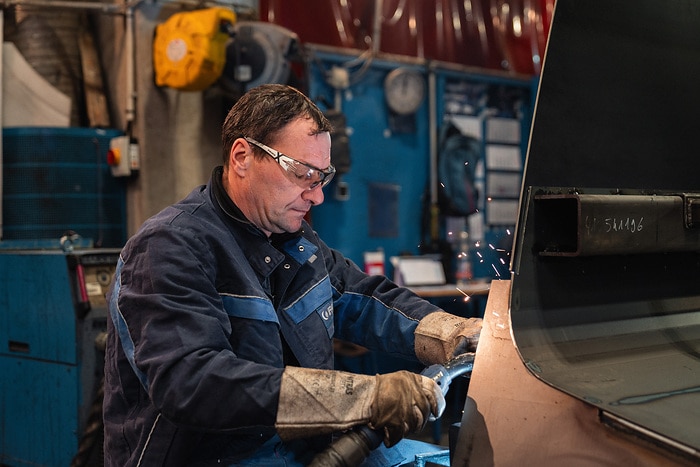
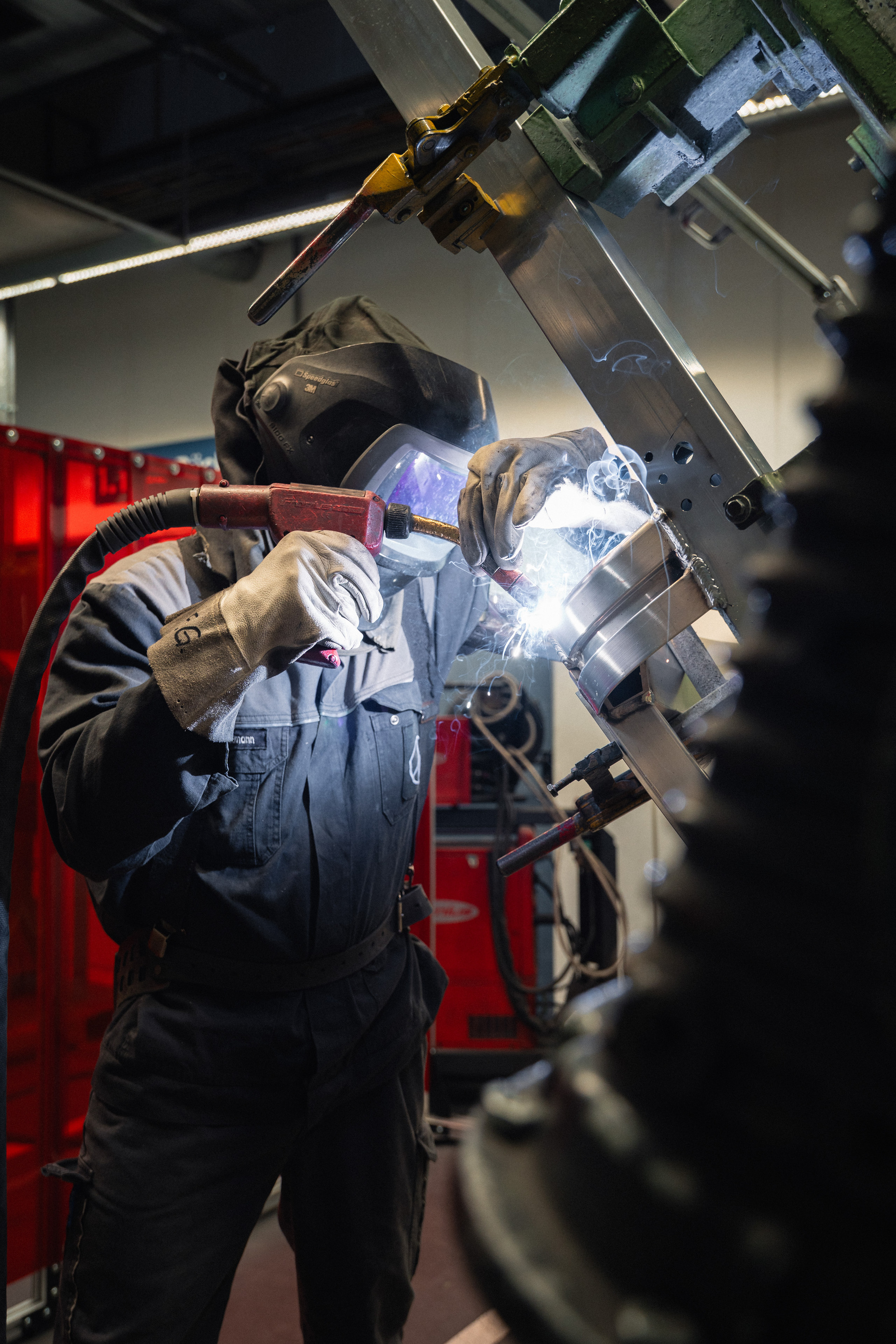
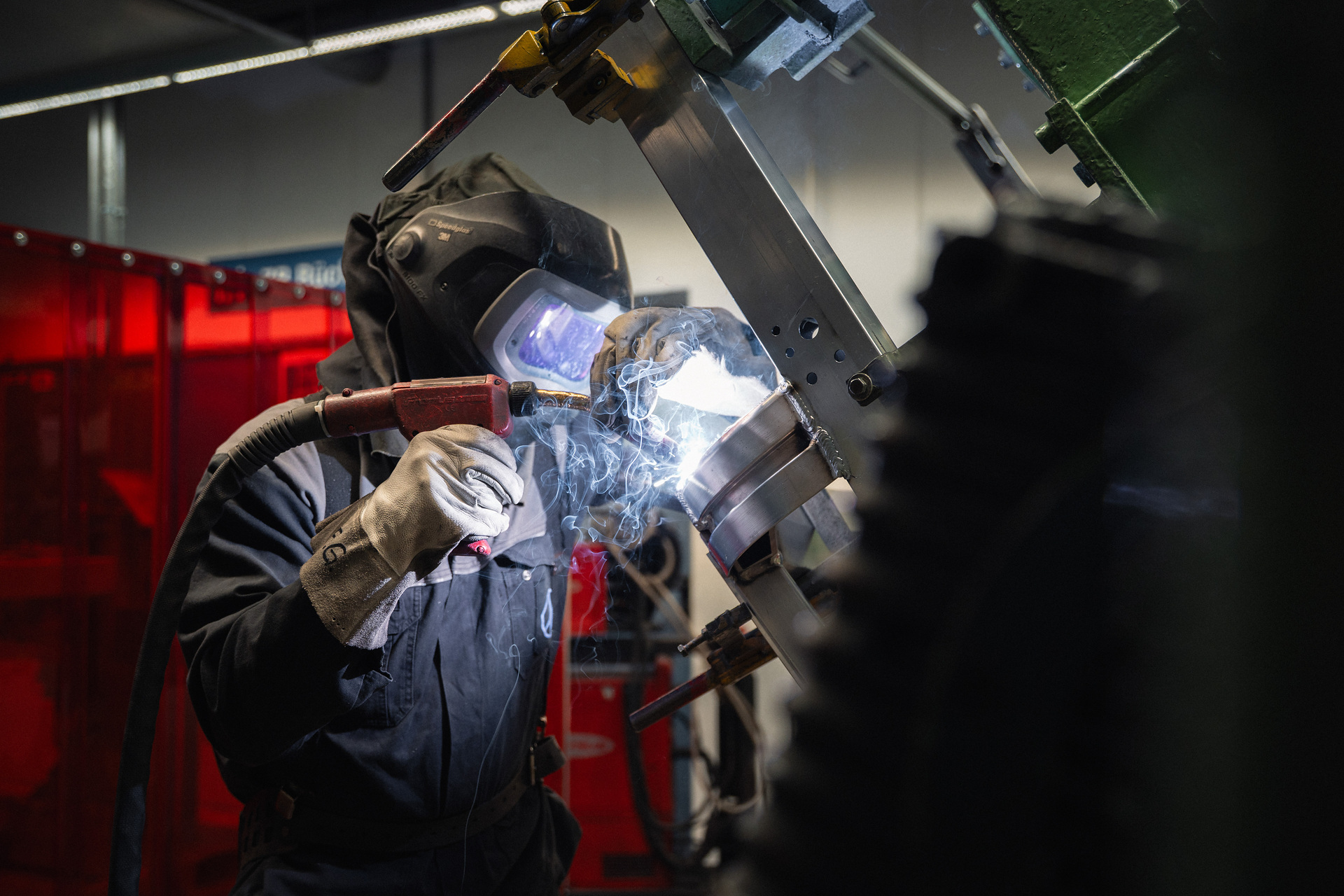
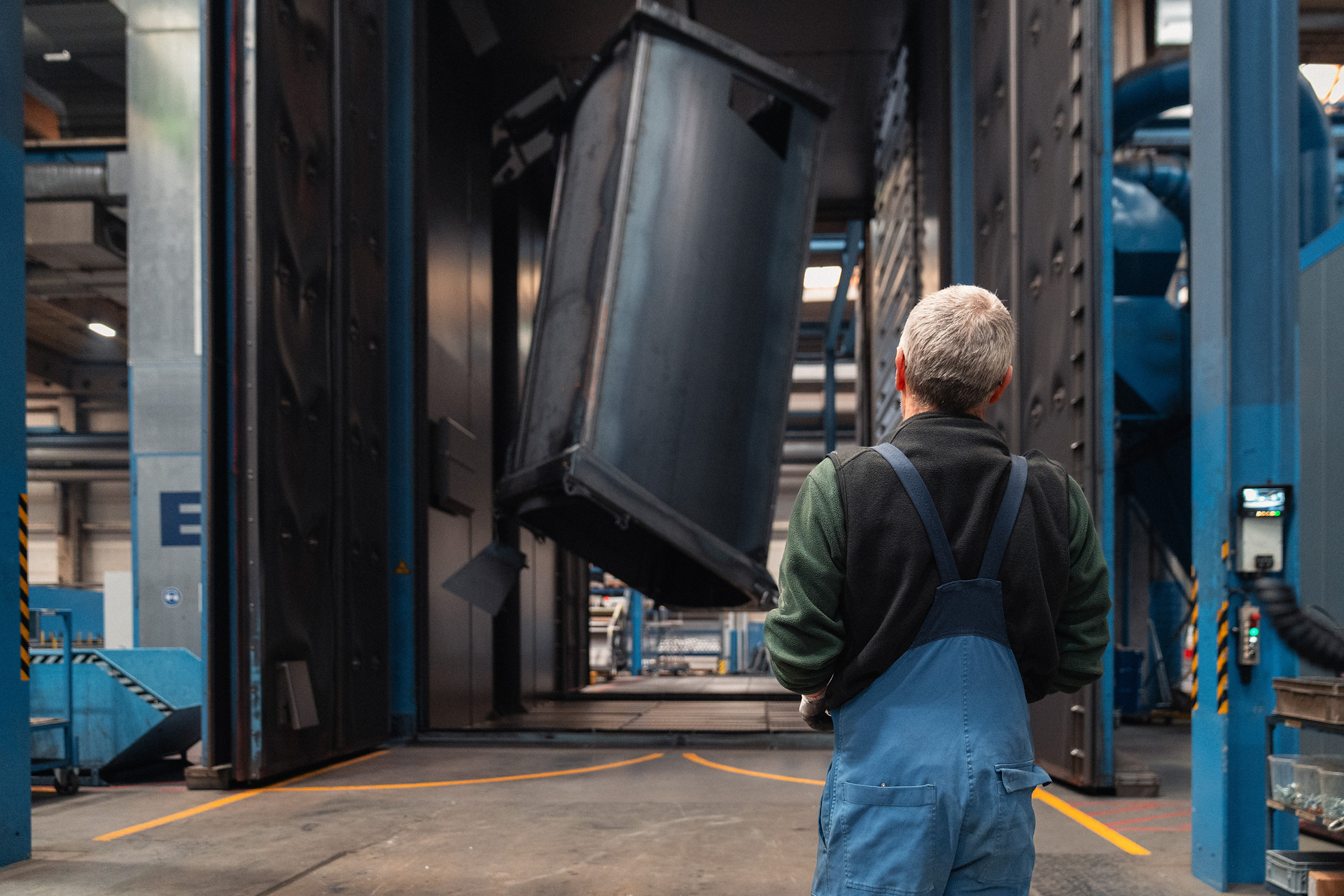
In transforming resource procurement, the production of raw materials, and vehicle manufacturing, the partners have specifically focused on individual, large assemblies. In the areas of the vehicle’s body-in-white, chassis, bodywork, and interior fittings—including seats, the dashboard, and trim elements—individual components have been replaced in a resource-efficient manner. Using these components as examples, the partners demonstrate how supply chains and production processes should be designed to ensure the successful use of these materials. For the reECONIC project, the partners used, among other things, CO₂e-reduced scrap-based steel, recycled aluminum, various recycled and bio-based plastics, recycled glass, and beech wood from certified forests.[6]
Examples of components made from circular economy materials
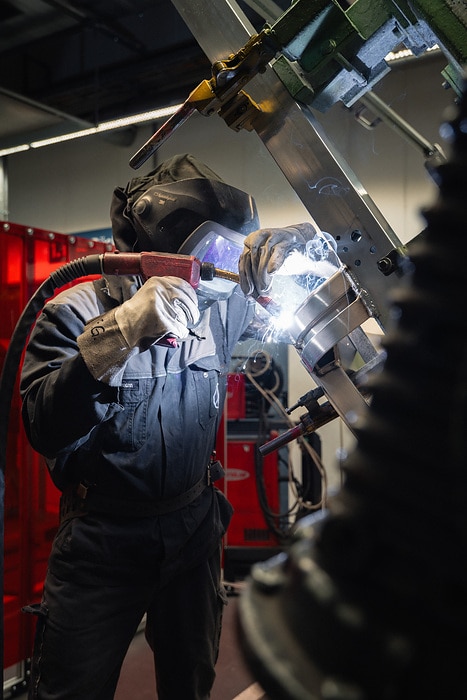
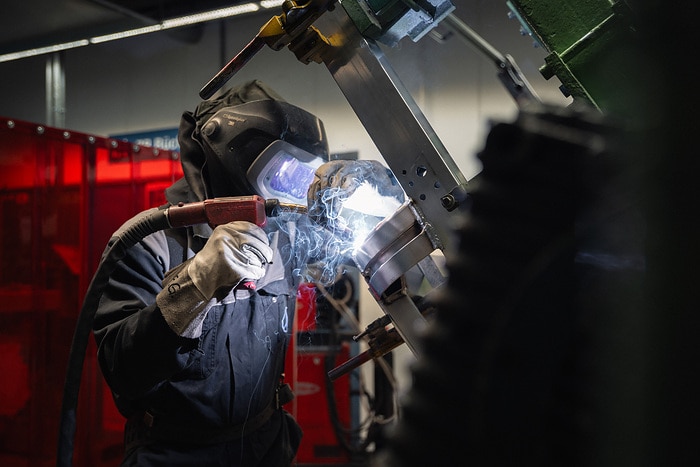
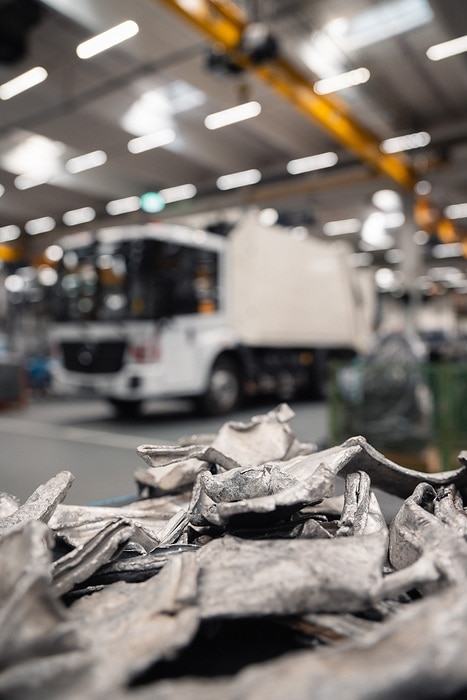
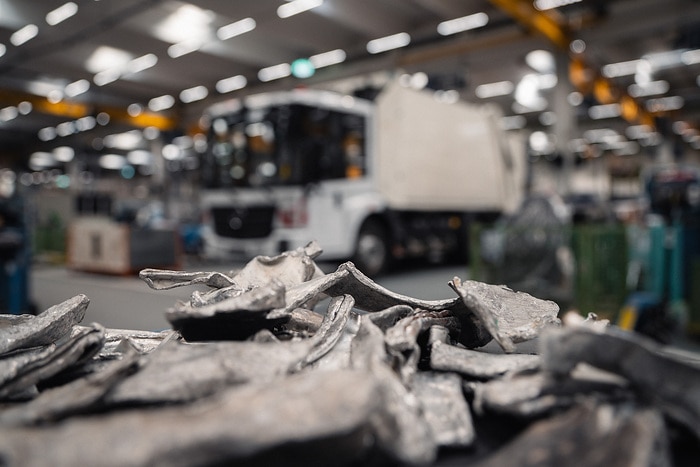
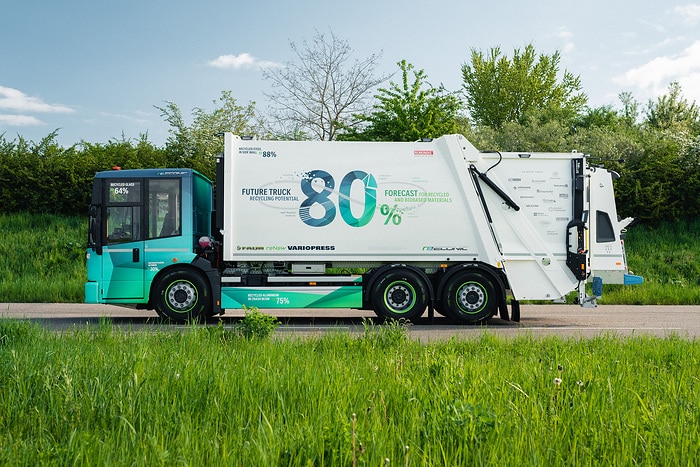
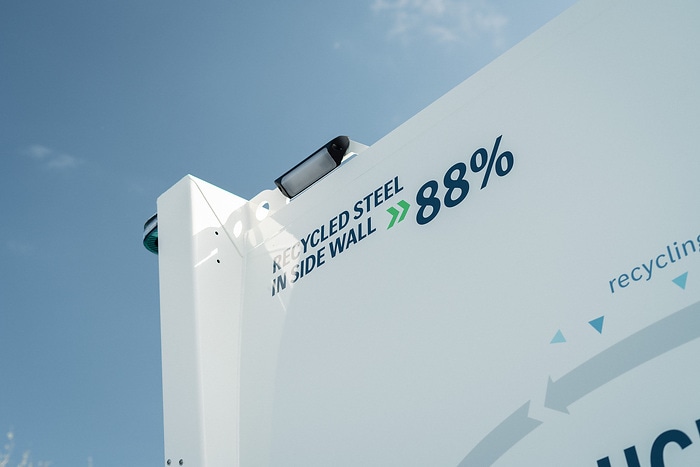
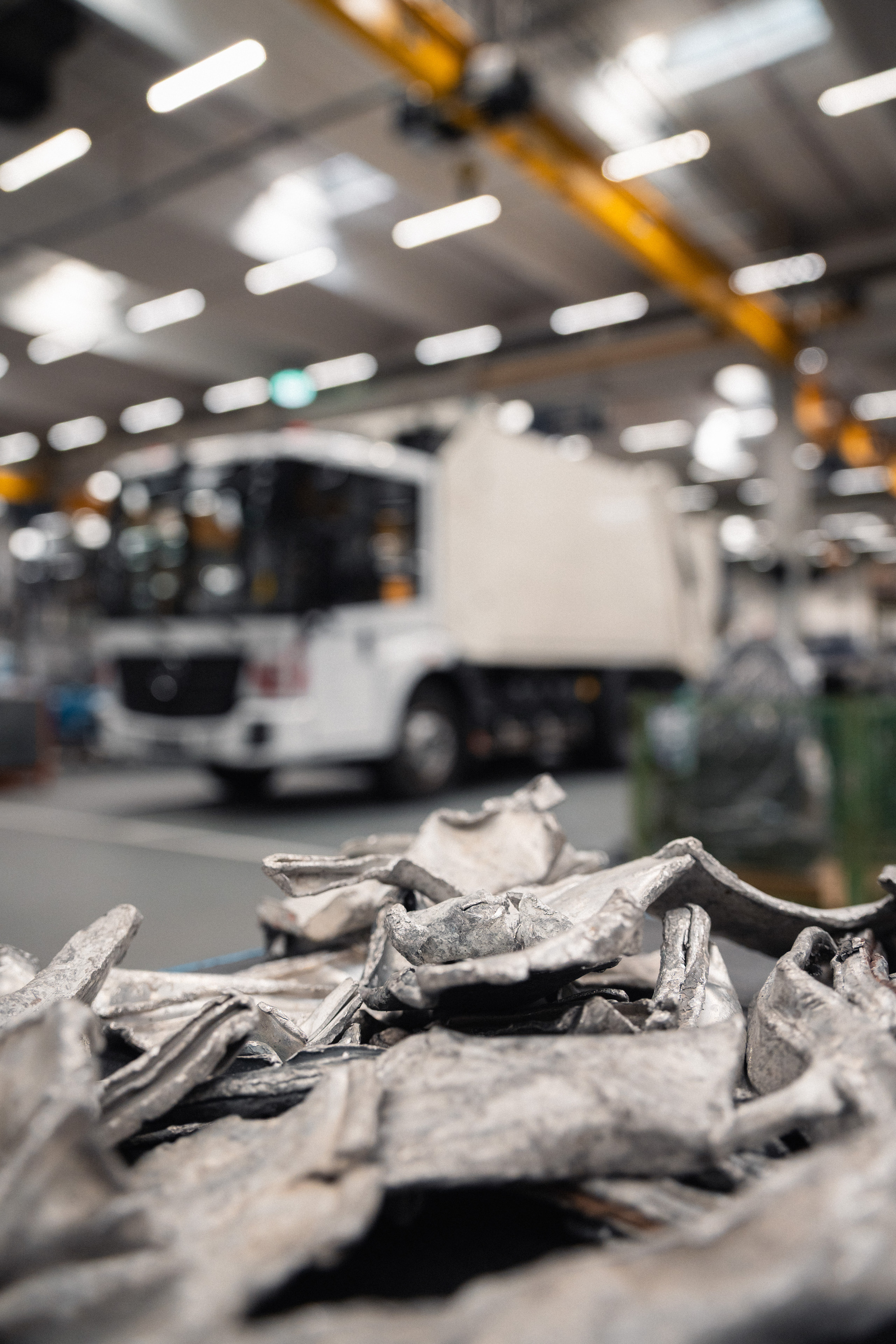
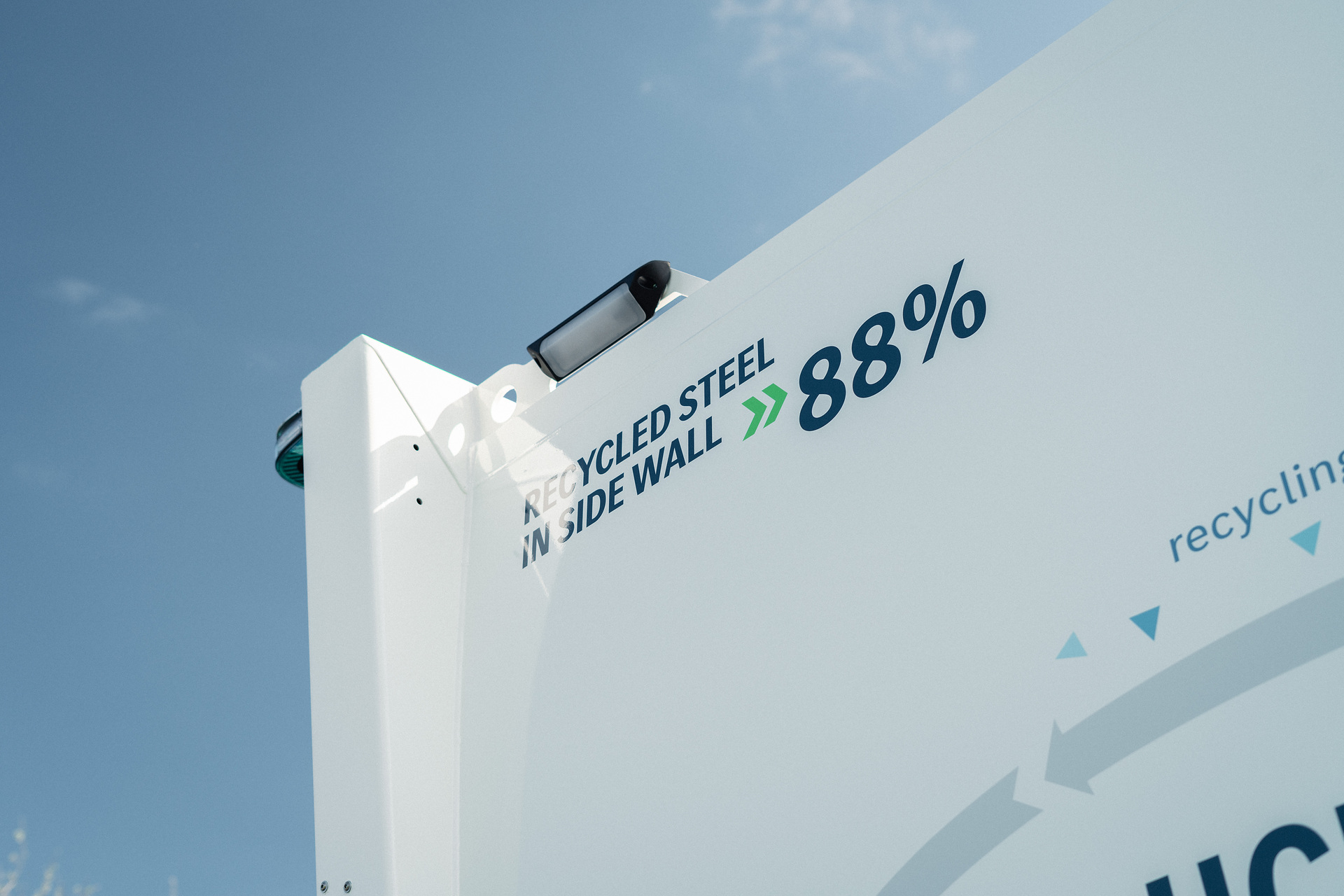
The front axle and the two side members of the reECONIC are made of CO₂e-reduced steel. The flat steel used for the side members is produced using innovative electric arc furnace technology and contains an average of 88 percent recycled steel. For forged steel, a recycled content of 97 percent was achieved, as demonstrated by the axle housing.
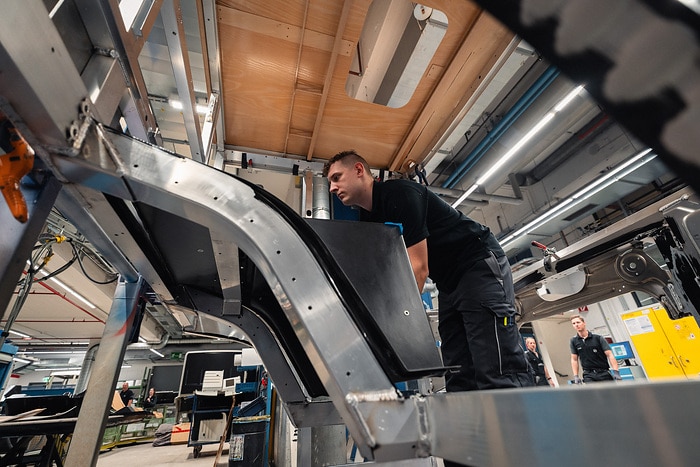
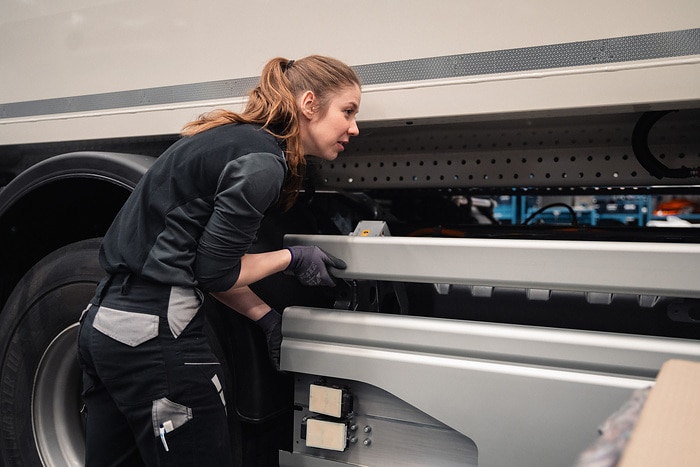
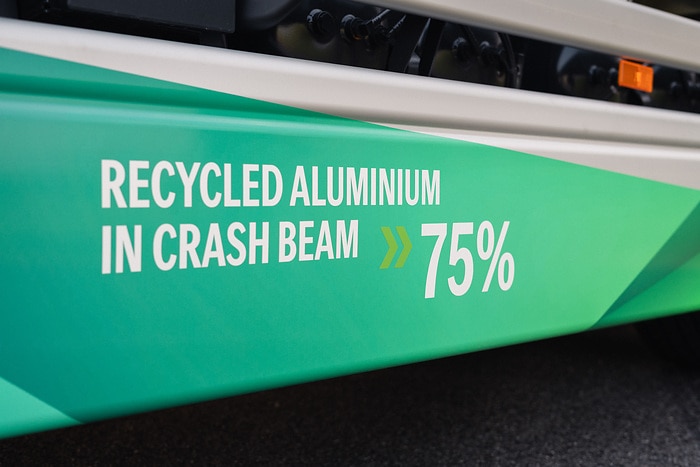
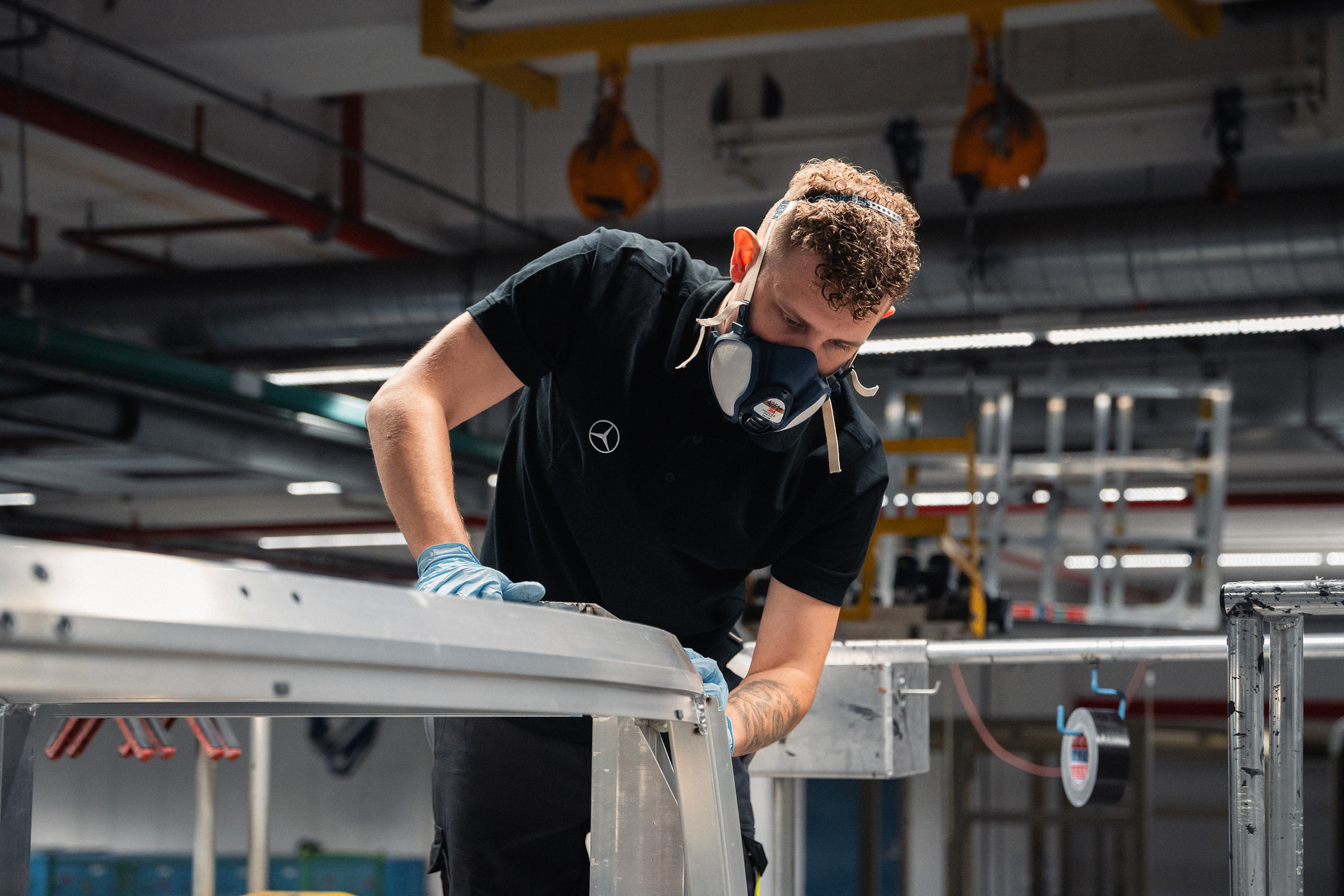
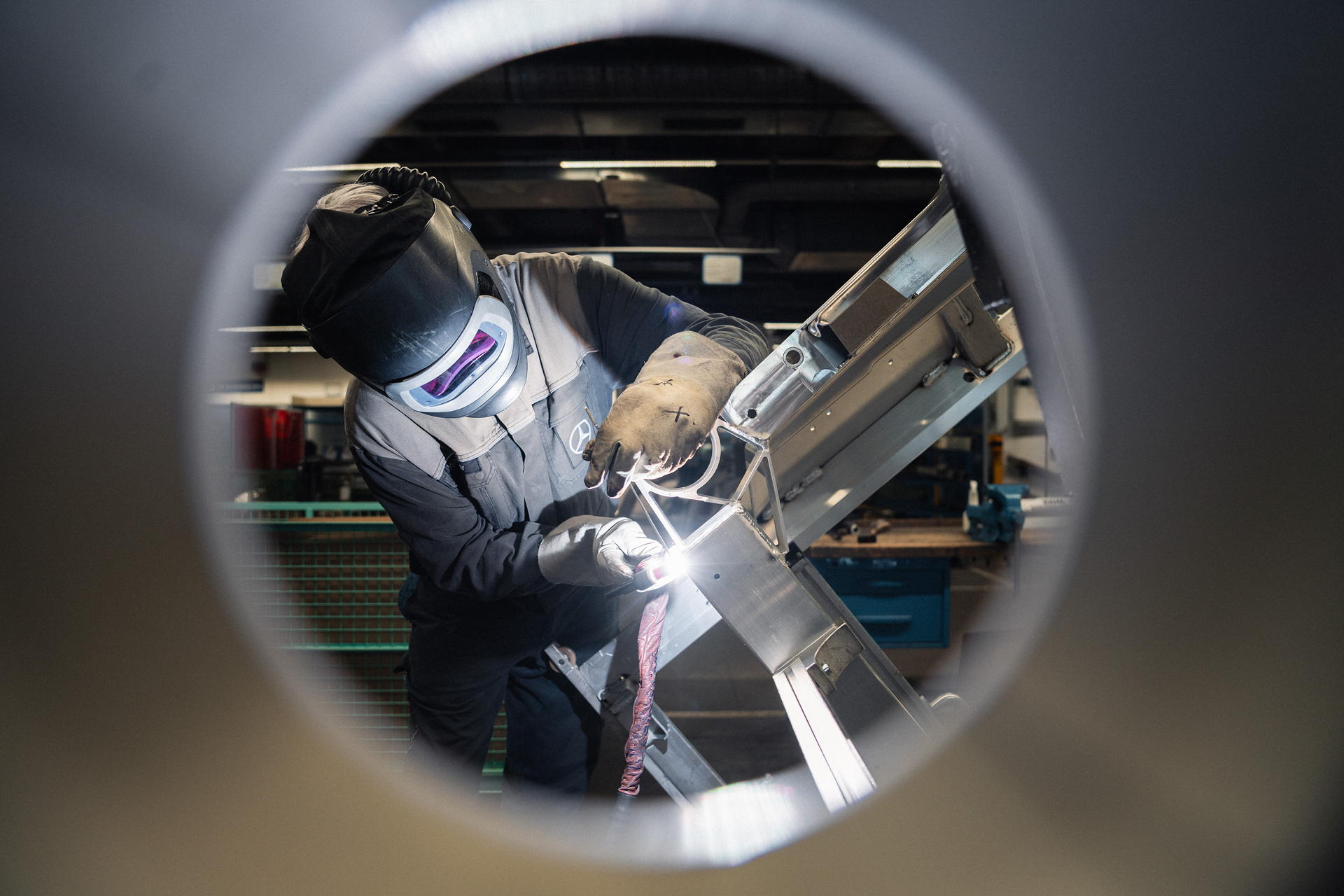
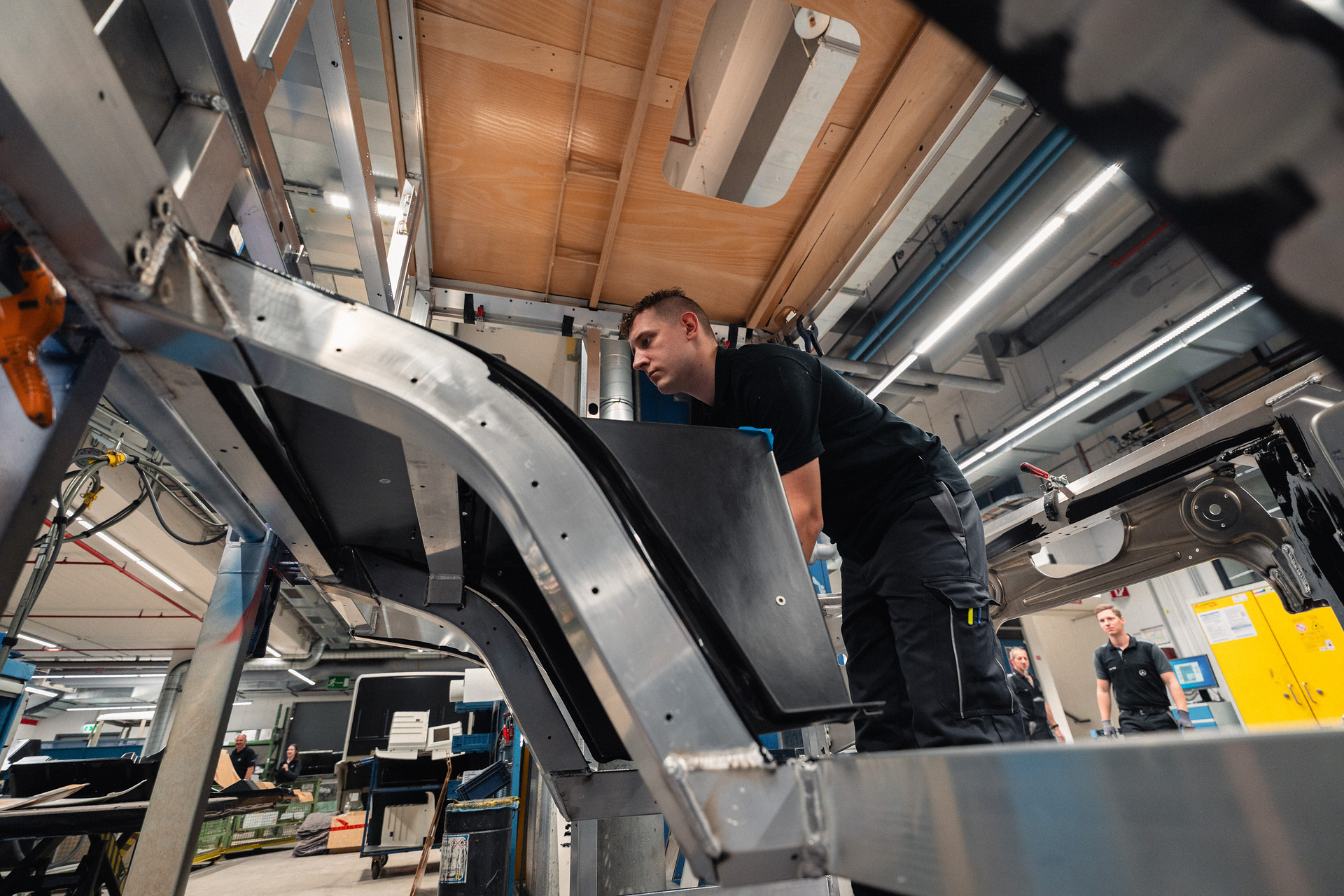
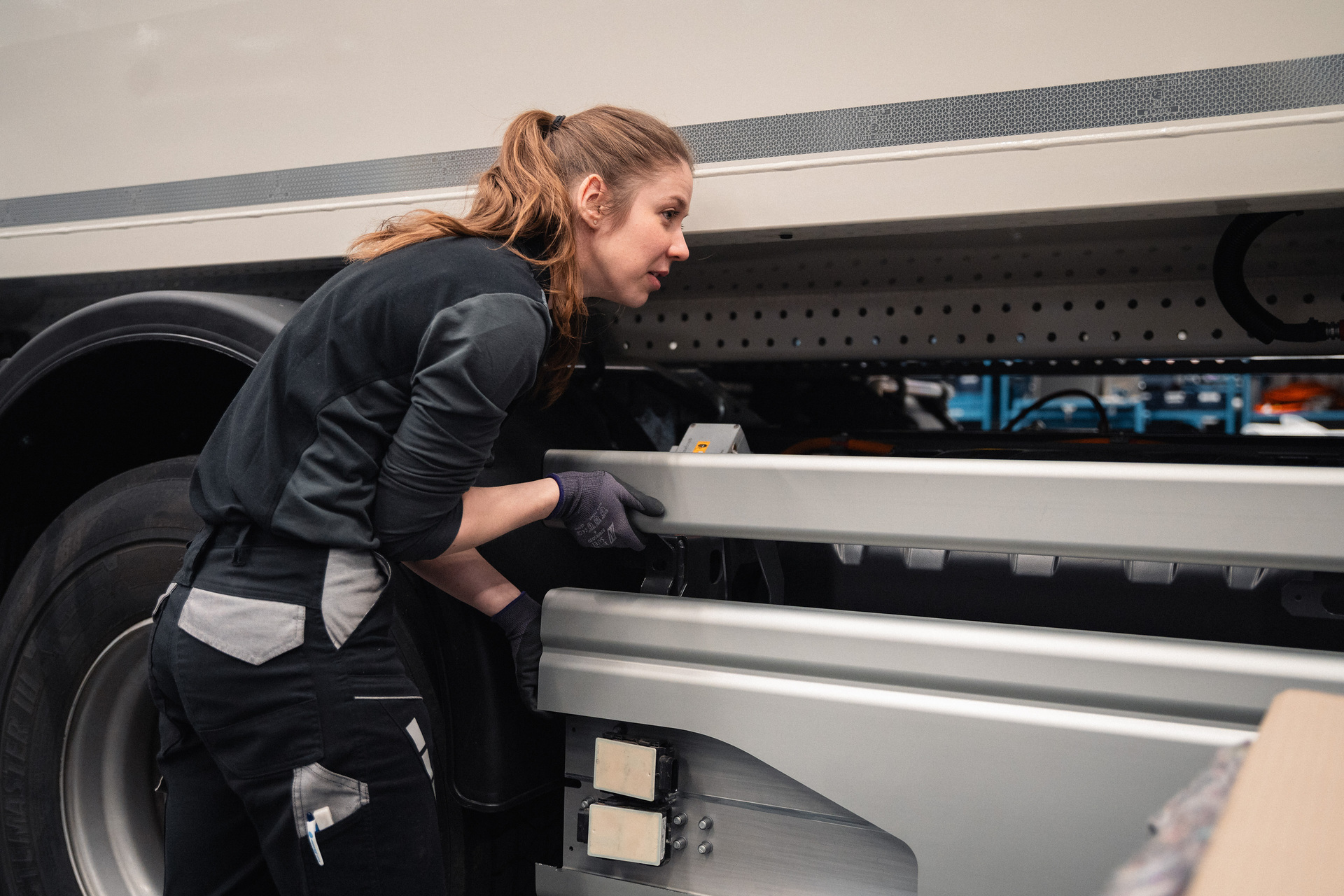
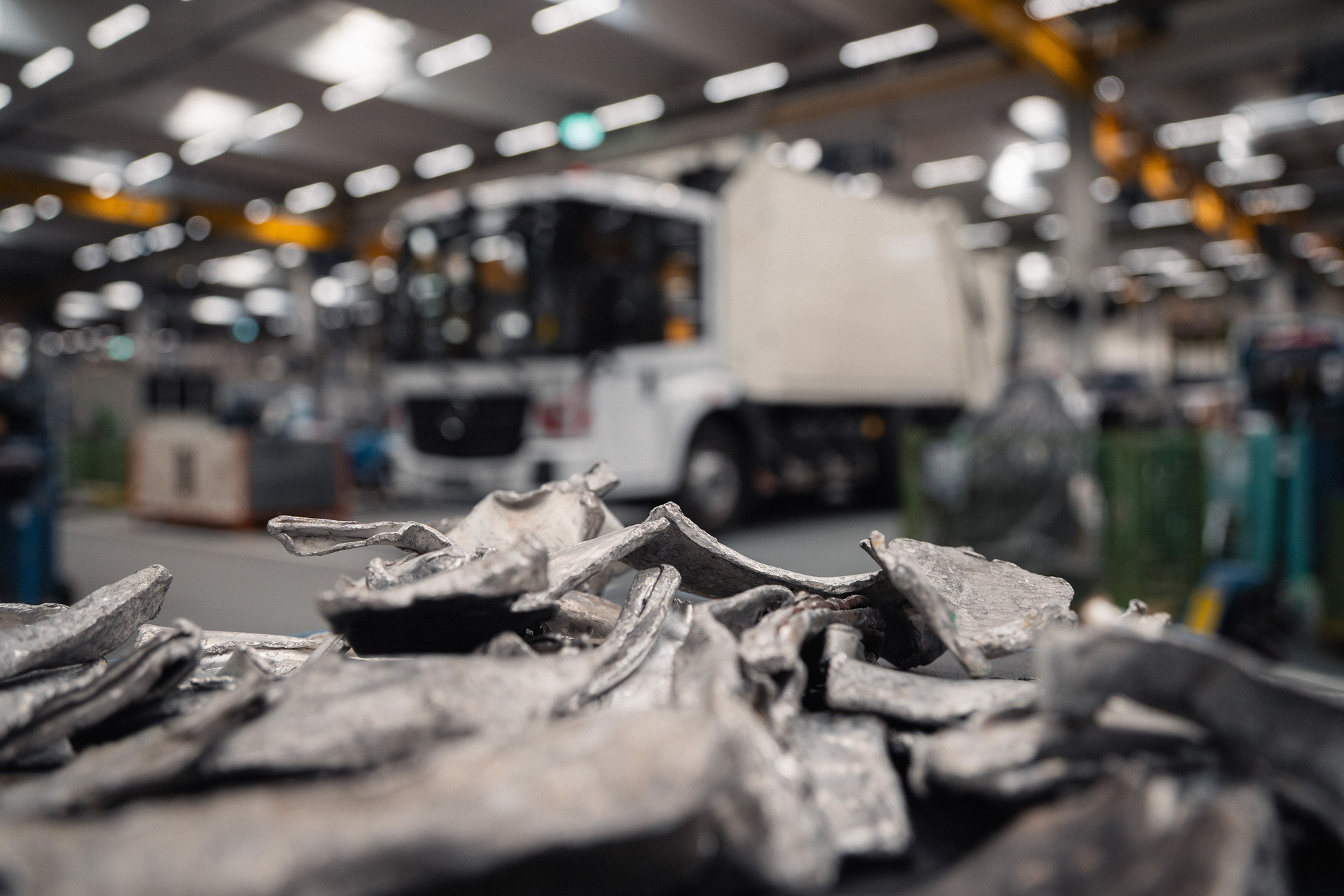
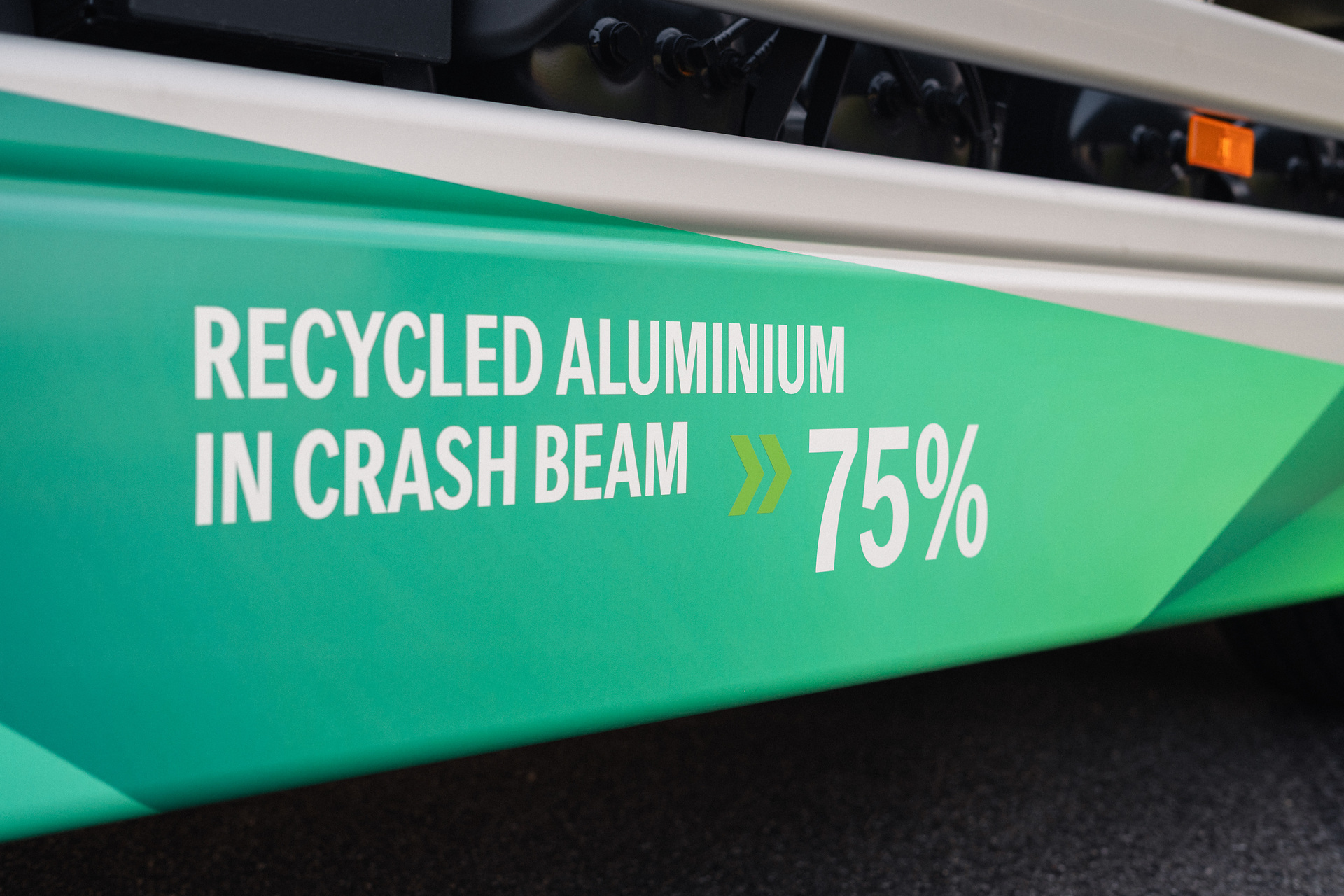
The cab frame and the battery protection structure are largely made from recycled aluminum using the extrusion process. The installed aluminum components contain at least 75 percent post-consumer recycled material. Post-consumer recycled material is recycled material from used products.
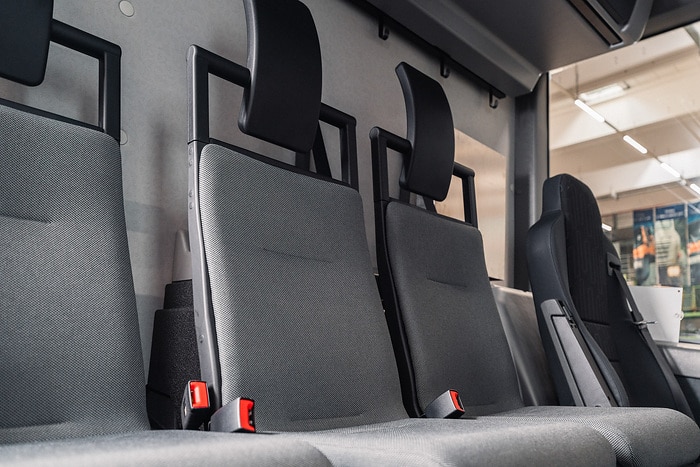
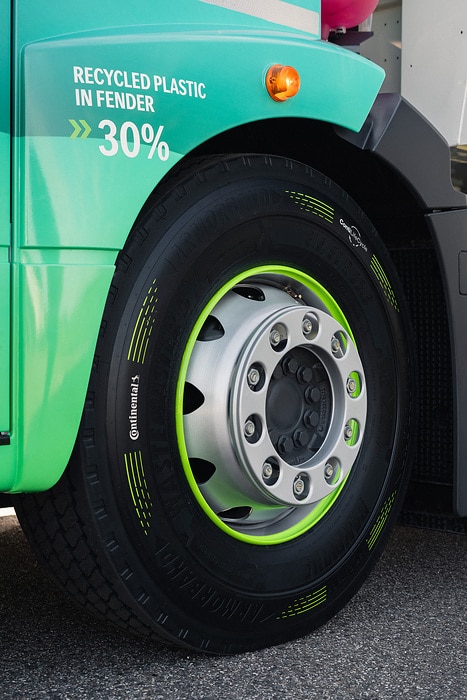
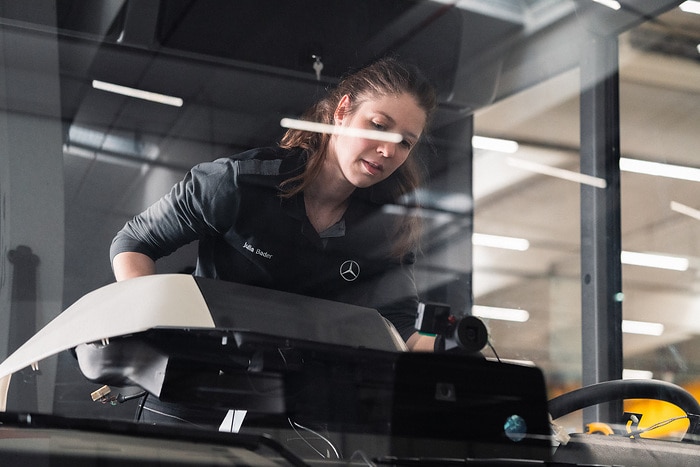
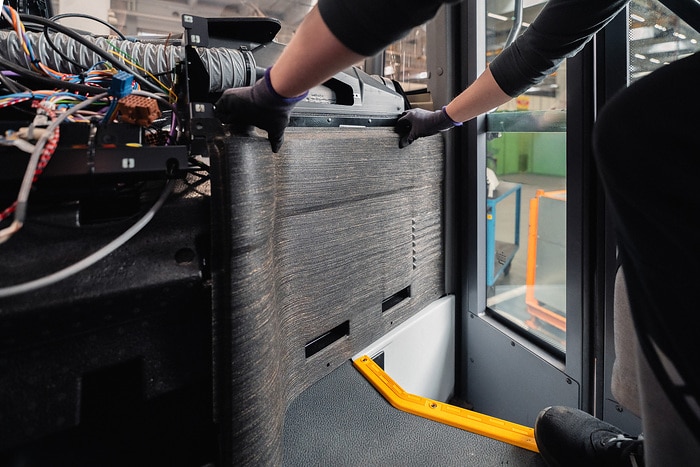
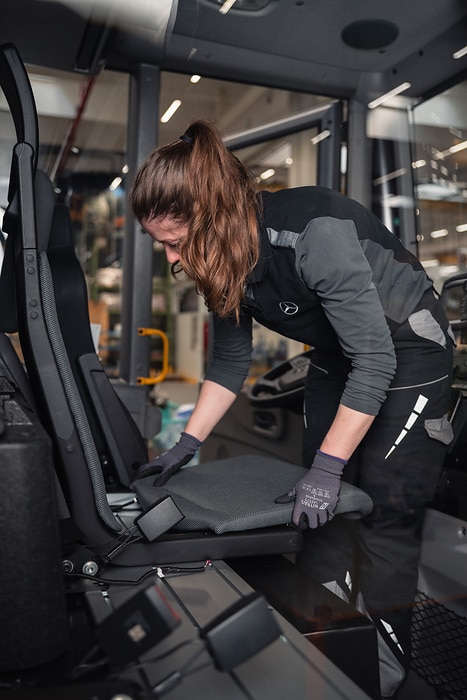
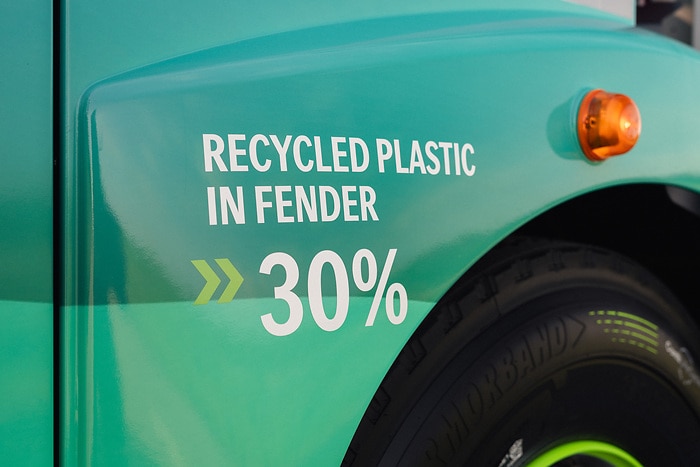
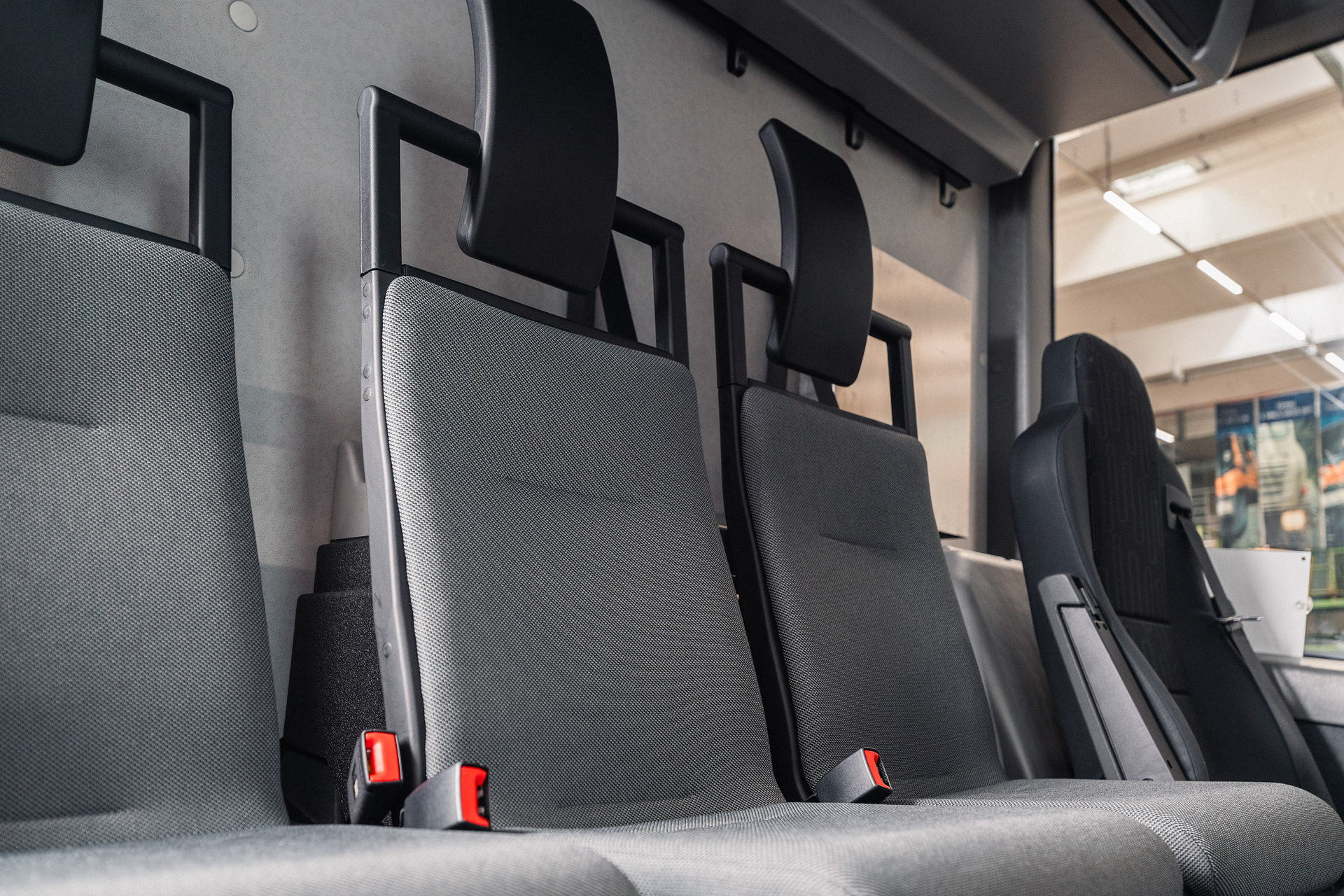
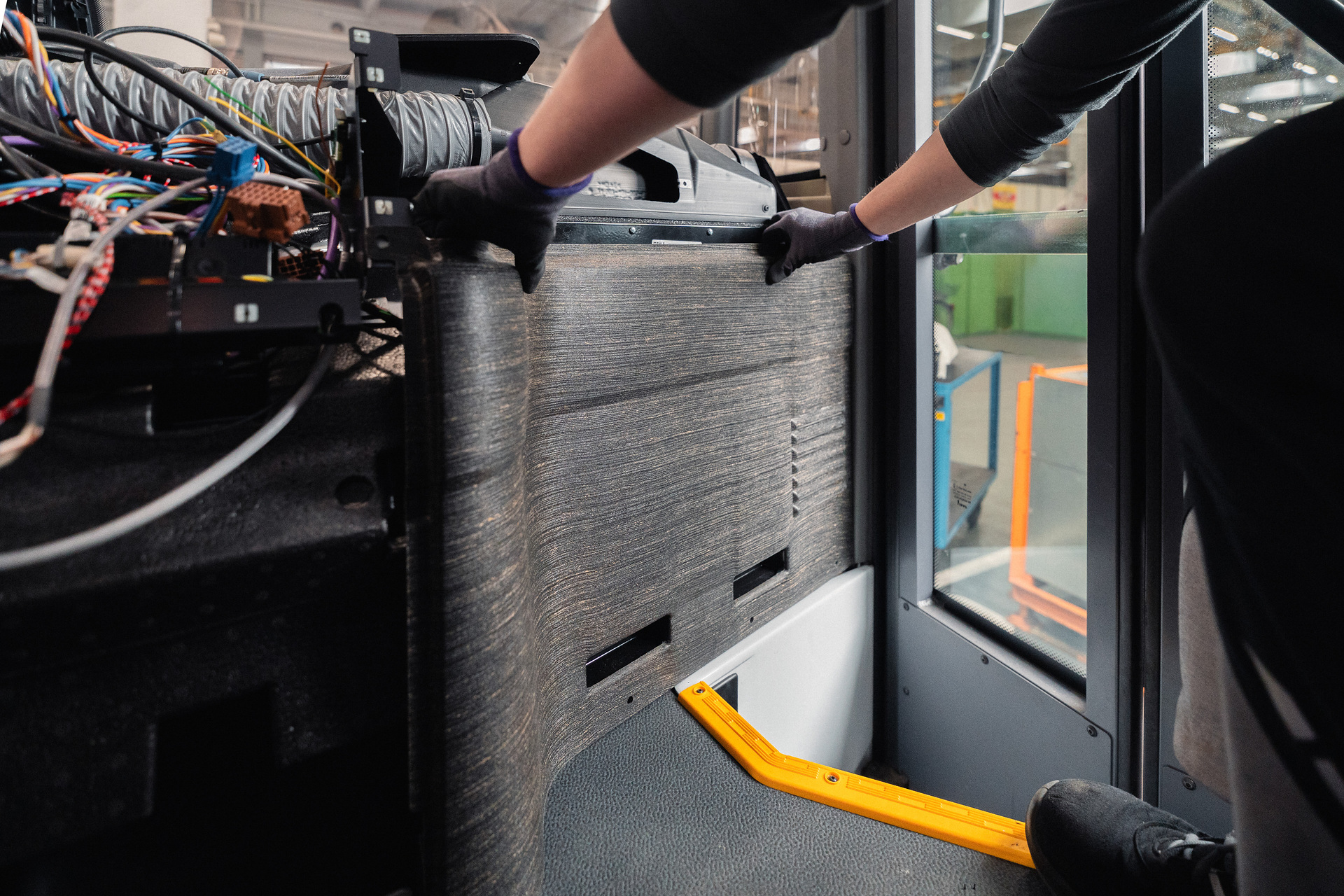
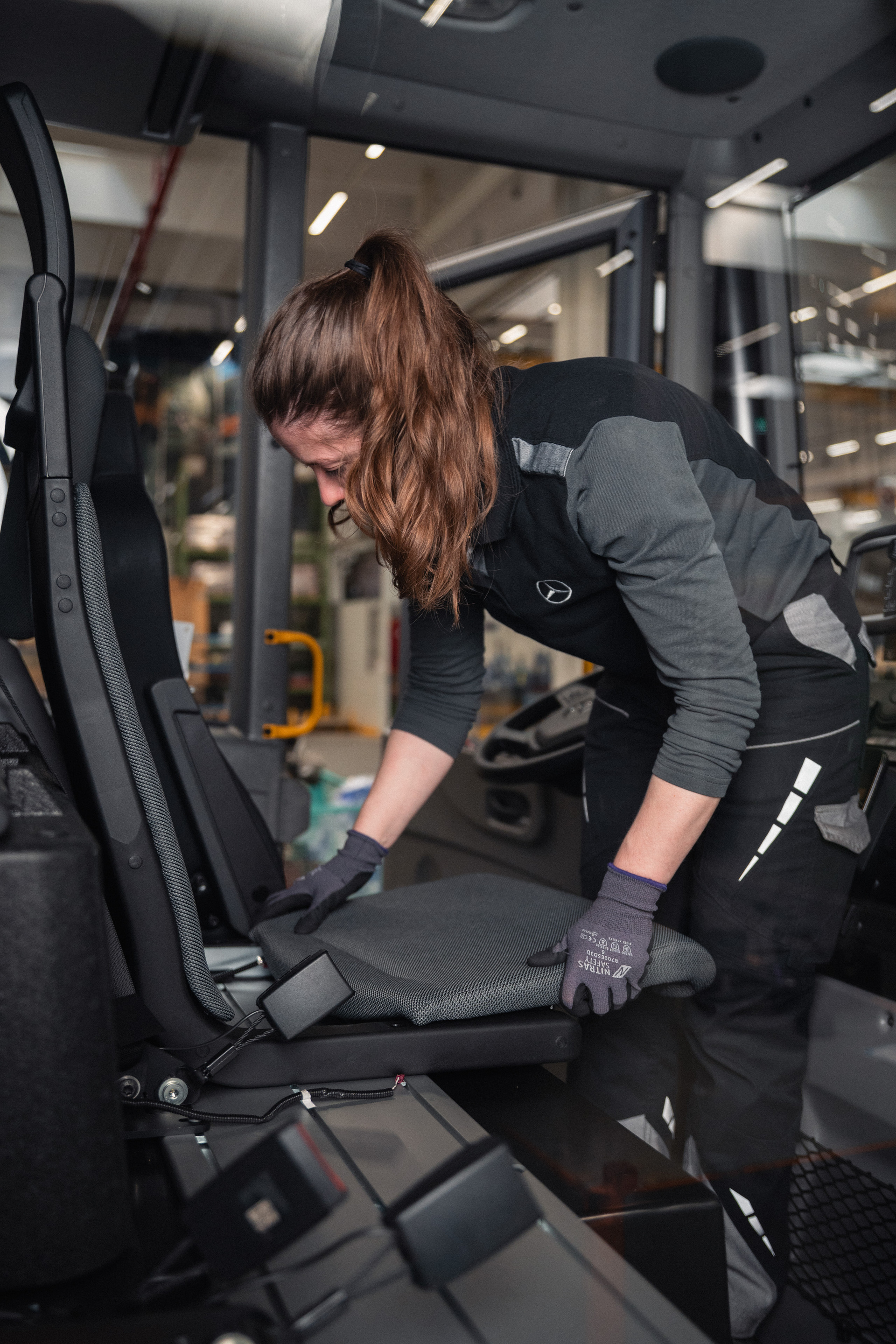
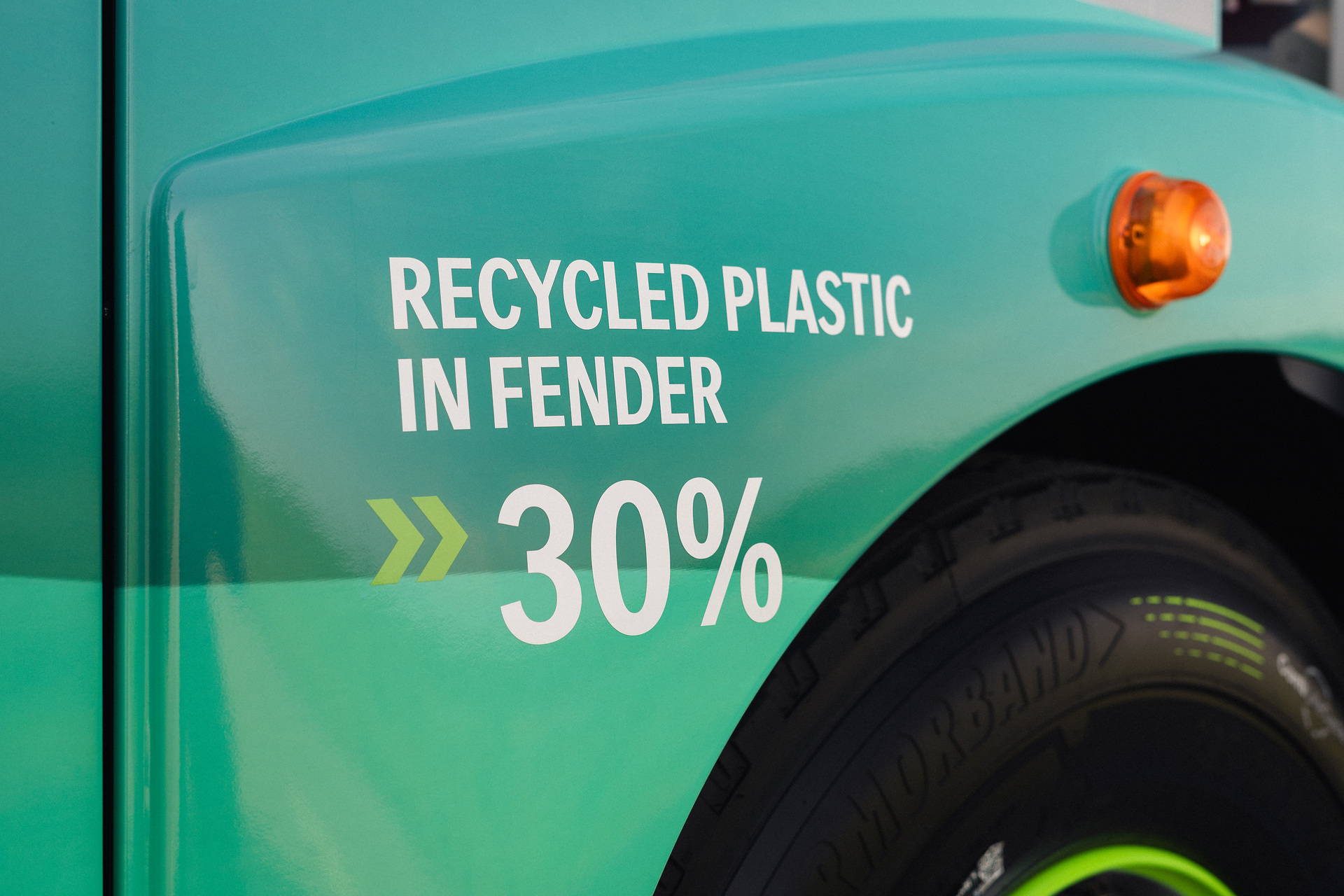
The developers have also partially replaced the conventional, petroleum-based plastics and fiber-based reinforcing materials used in the production vehicle with a wide range of more sustainable alternatives for reECONIC. Recycled polymer, reused fillers, and interior trim elements made from natural and bio-based materials serve as resource-efficient alternatives. For example, the footwell trim uses natural-fiber-reinforced polylactic acid (PLA) as a bio-based fiber composite, while the seat upholstery is made from recycled polyamide derived from carpet waste and old fishing nets. The filler material in the fender is a recycled thermoset plastic, which is typically used in wind turbine rotor blades and in boat and vehicle construction due to its dimensional stability. The display mount is made from a bio-based filler derived from sunflower oil production waste, and the dashboard is made from lignin-based plastics. Lignin is a key component of woody plants and is therefore produced as a byproduct in the pulp and paper industry.
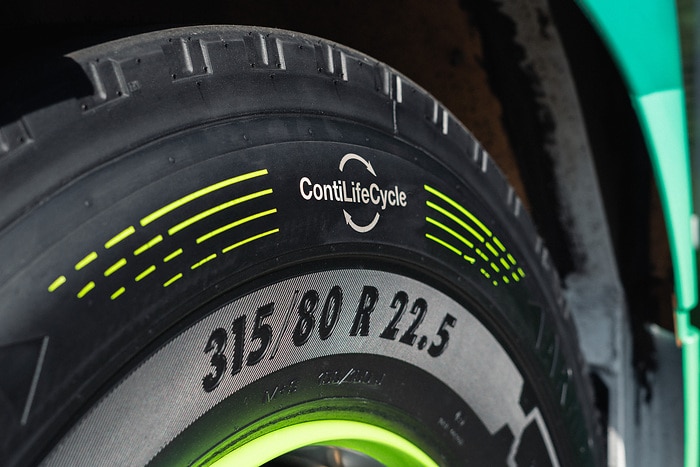
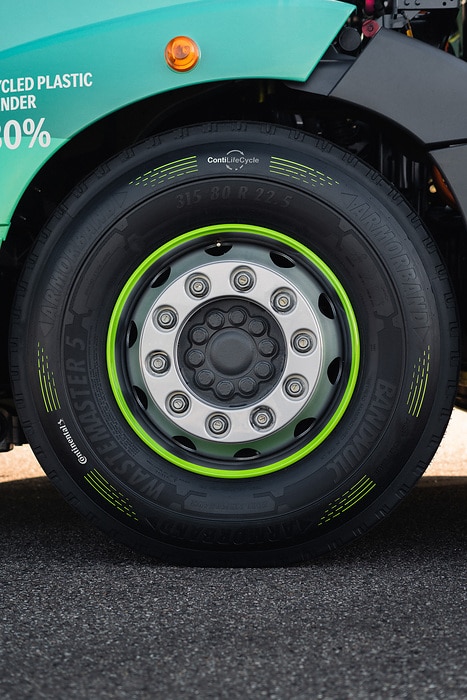
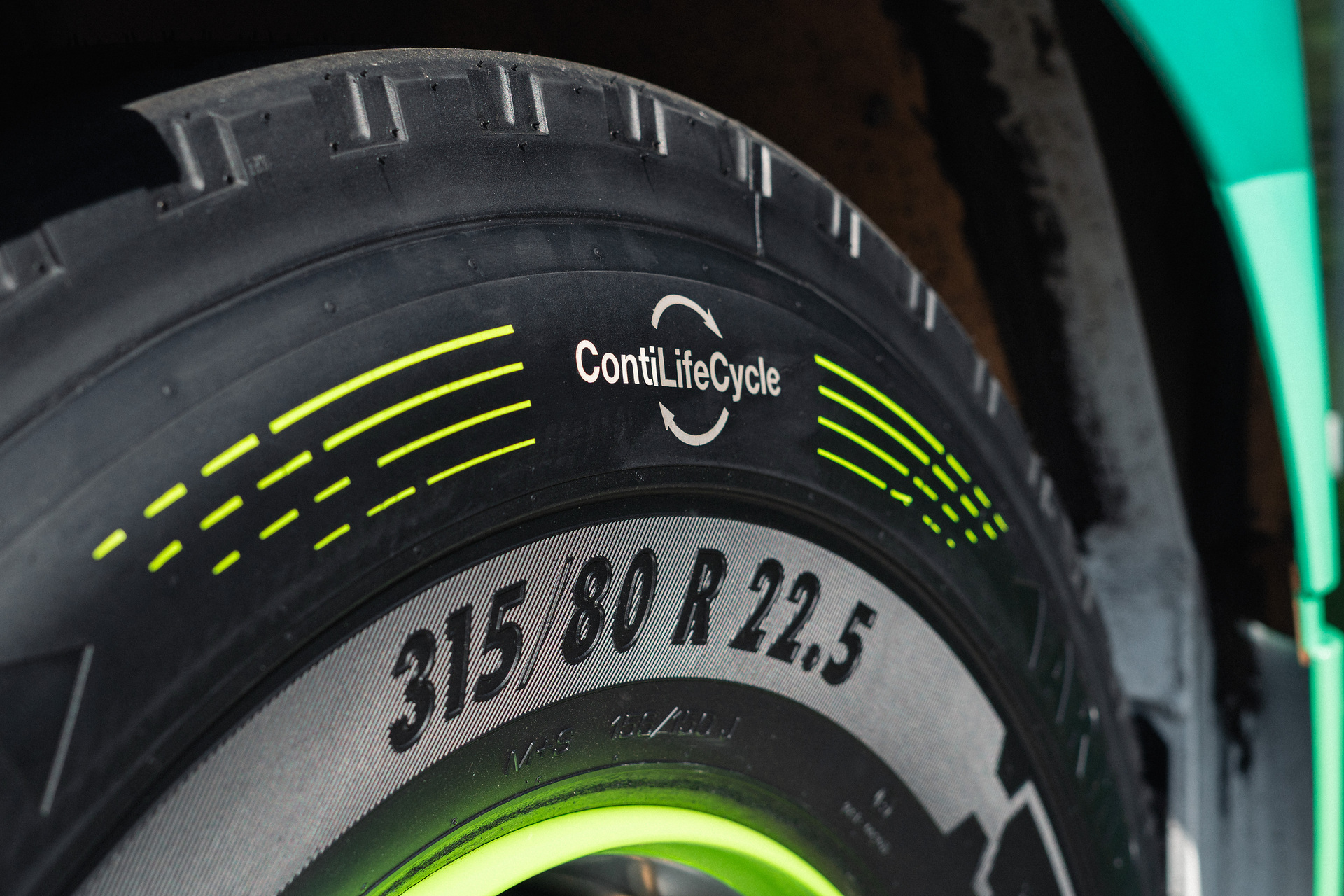
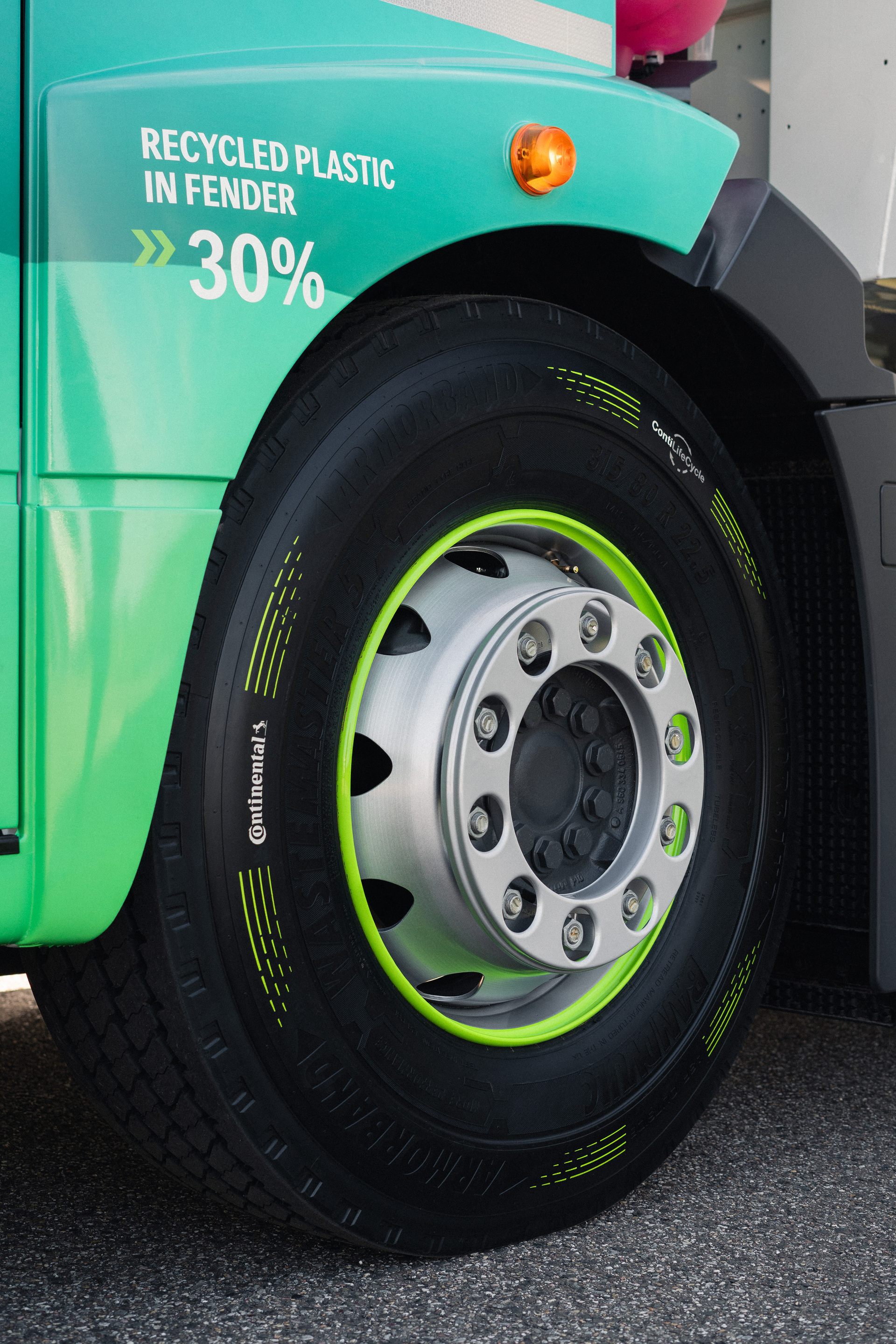
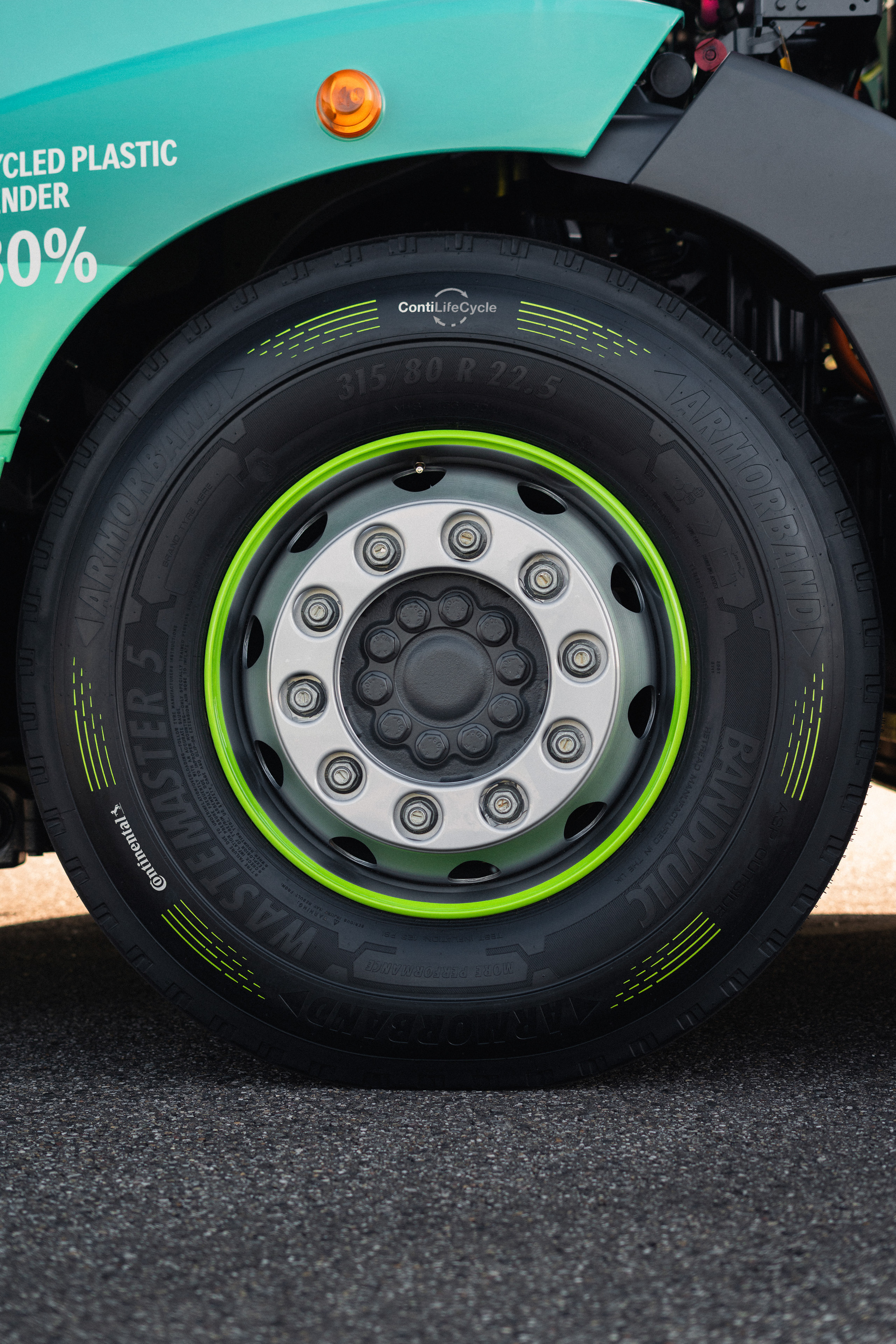
The reECONIC also uses retreaded tires, which reuse the existing carcass multiple times. This process increases the proportion of recycled and renewable materials to 80 percent after just the first retreading. This significantly reduces the demand for raw materials.
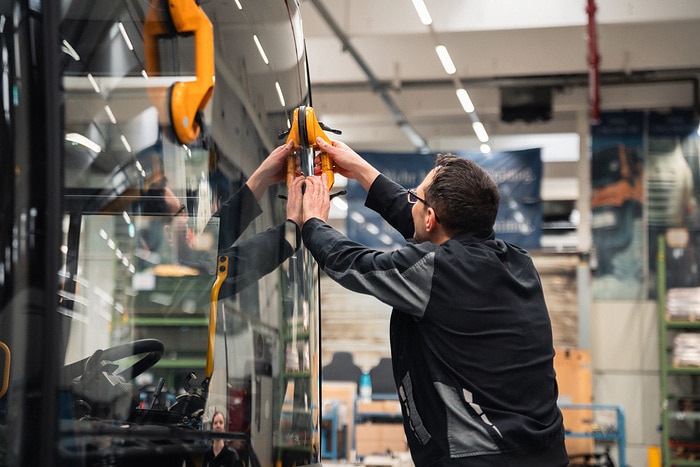
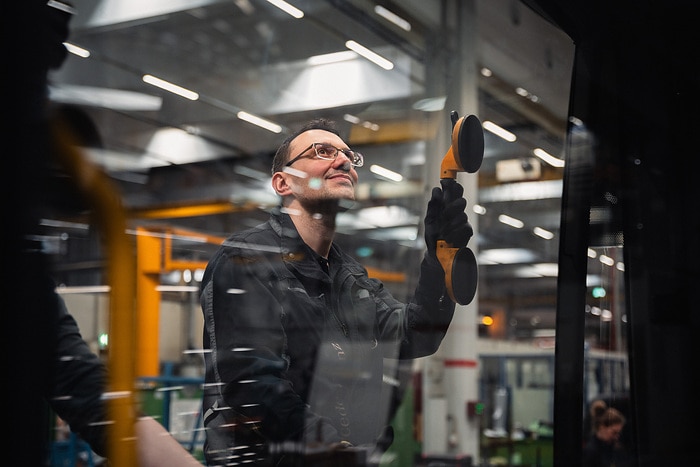
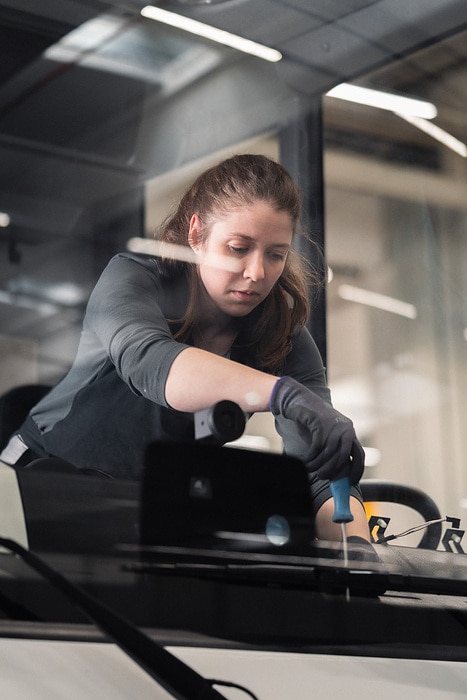
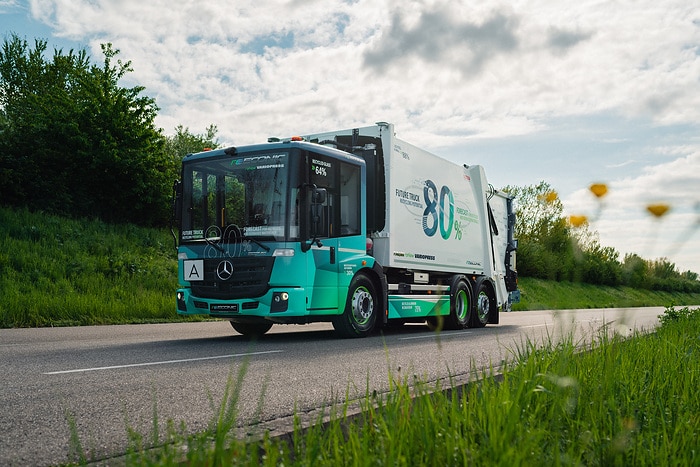
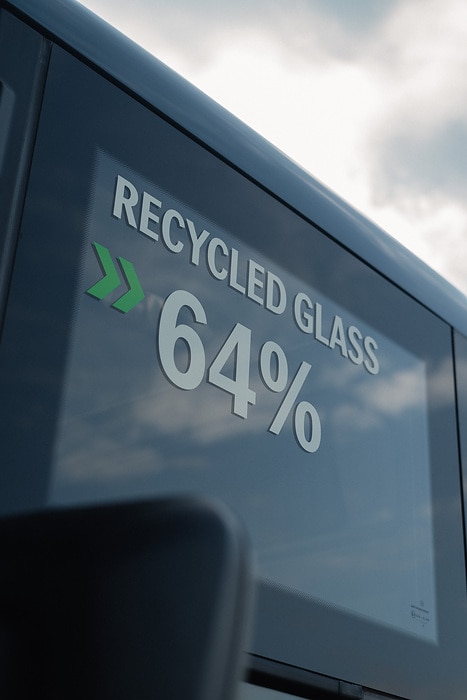
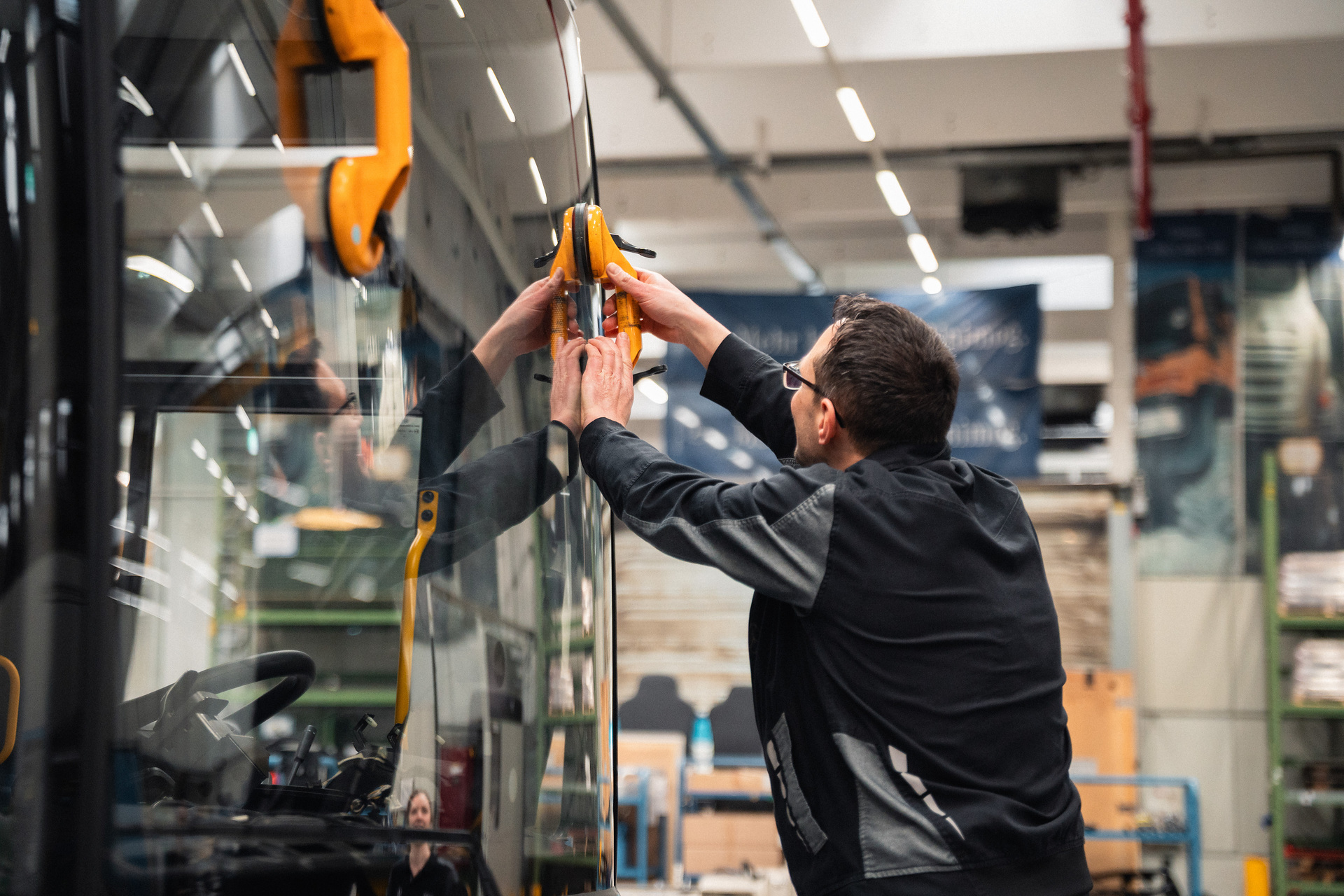
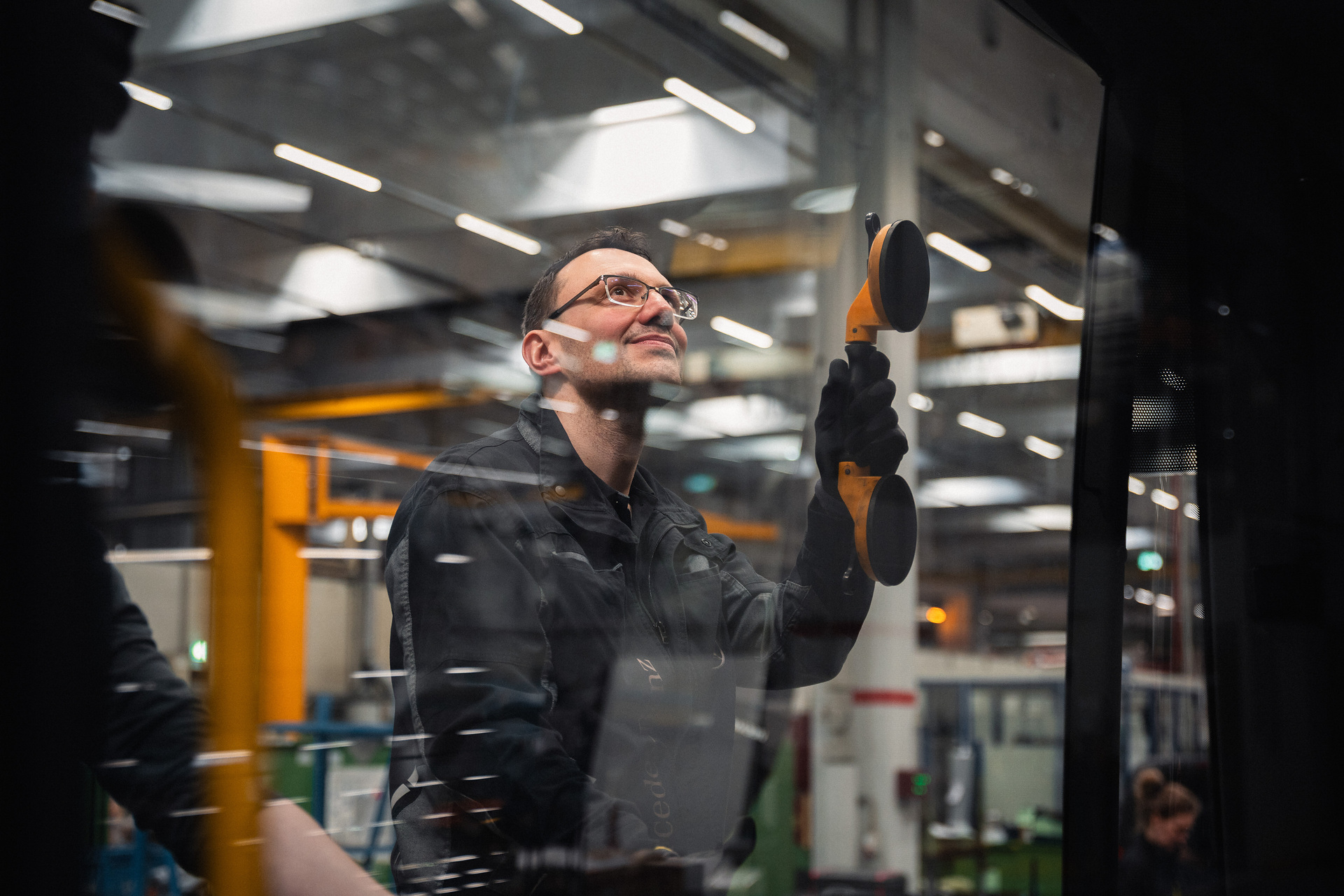
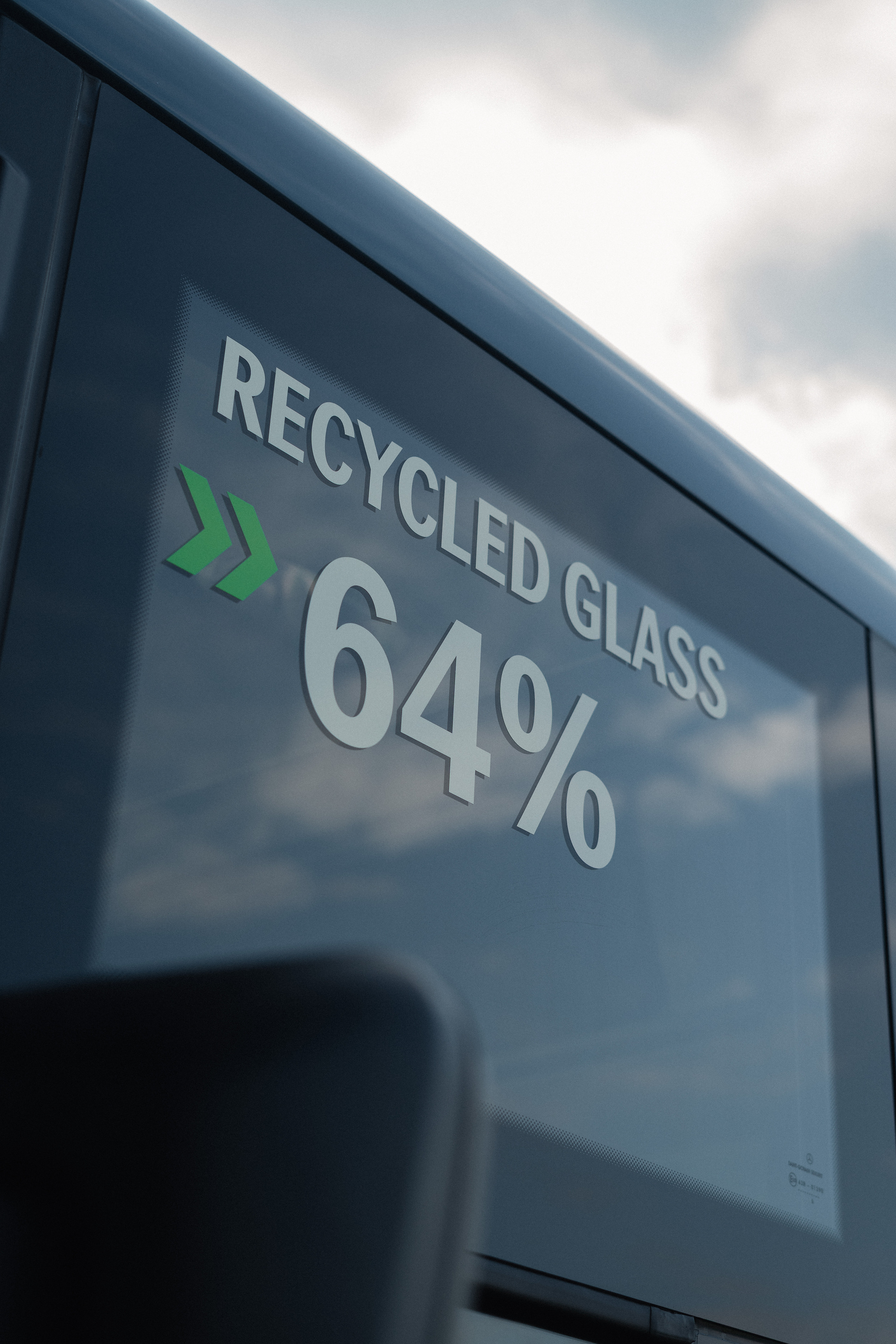
Drivers benefit from a clear view of city traffic, supported by a panoramic windshield and extensive glazing. With an average recycled glass content of 64%, the glazing significantly reduces the use of virgin raw materials and CO2 emissions during manufacturing (only the glass for the side and front mirrors and the display covers were sourced from series production). Achieving this level of recycled content in laminated and tempered automotive glass requires strict standards for performance, safety and durability. By improving sorting and recycling streams and adjusting production parameters, the partners demonstrate that high-quality recycled glass can be reintegrated into demanding truck applications—supporting circularity, as glass can be recycled repeatedly without compromising its properties.
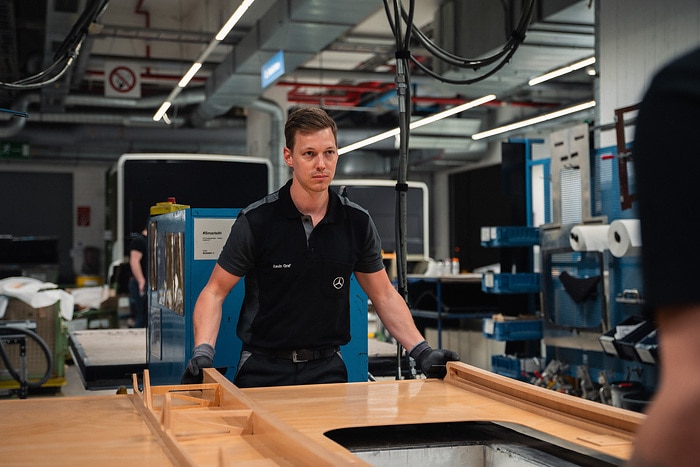
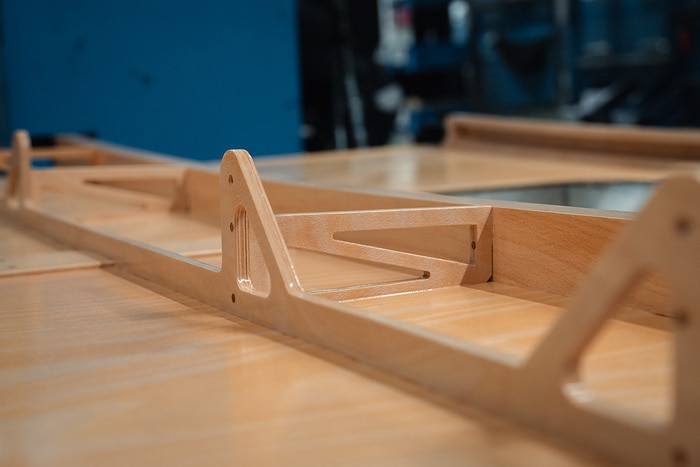
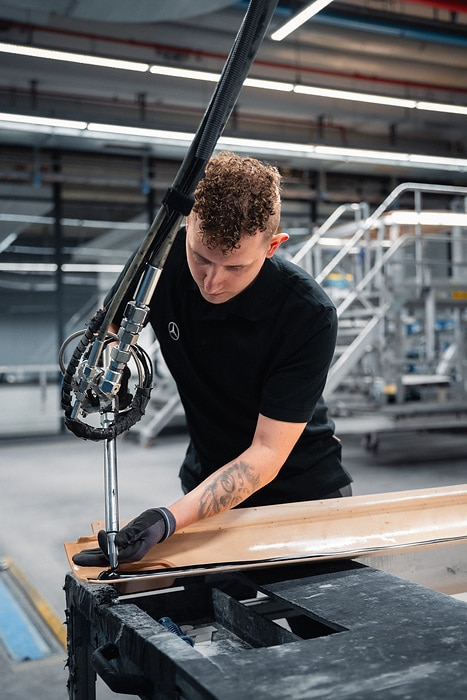
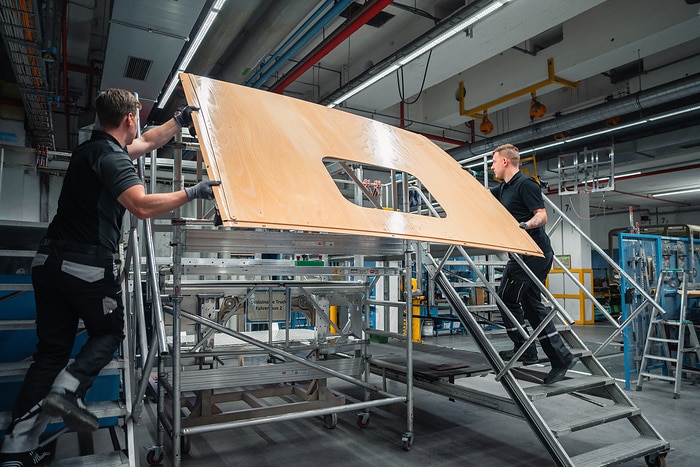
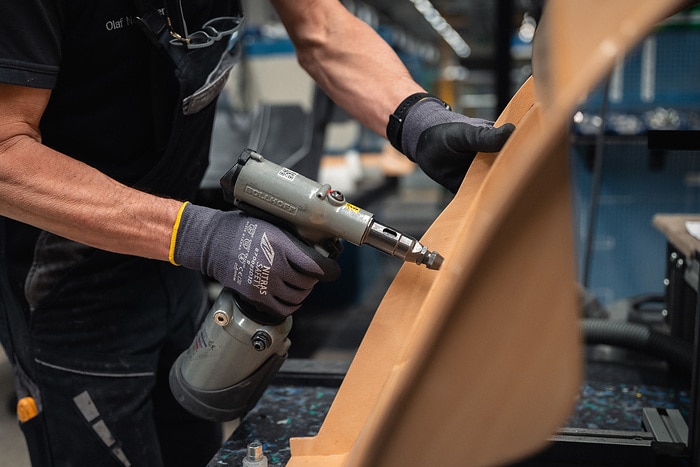
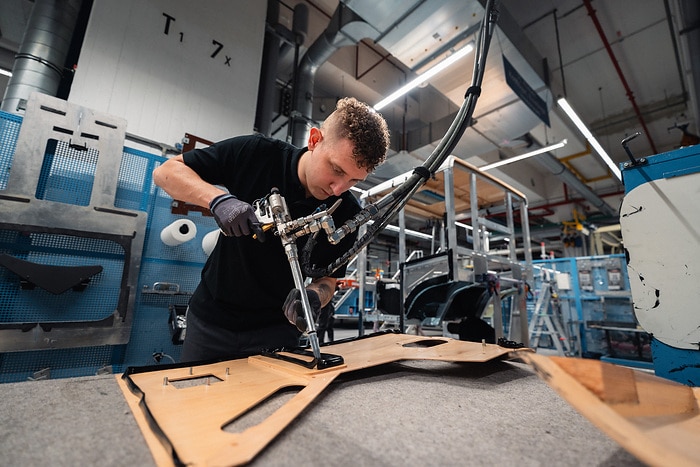
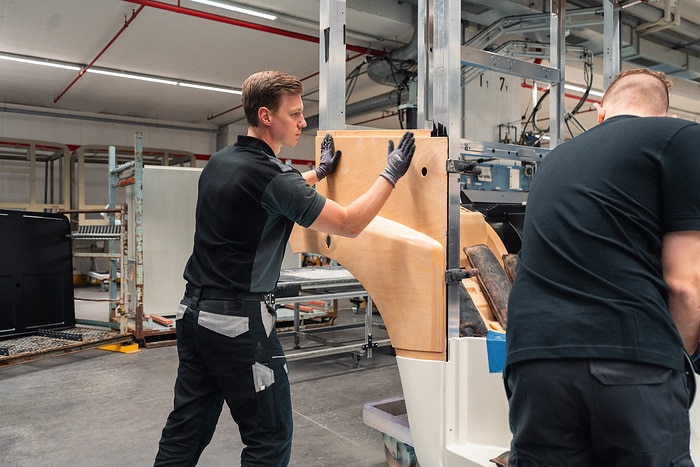
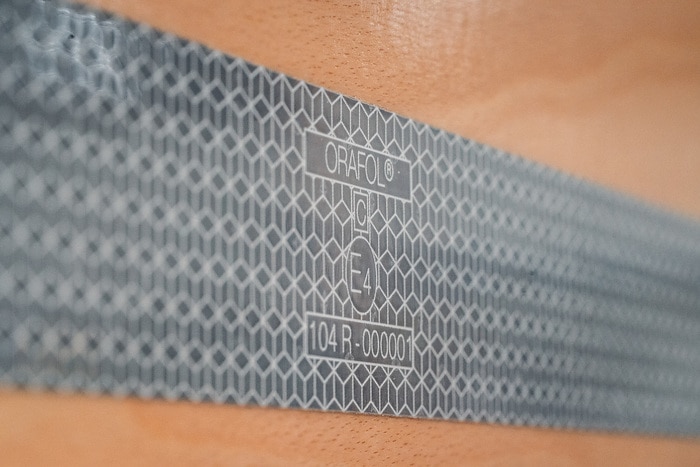
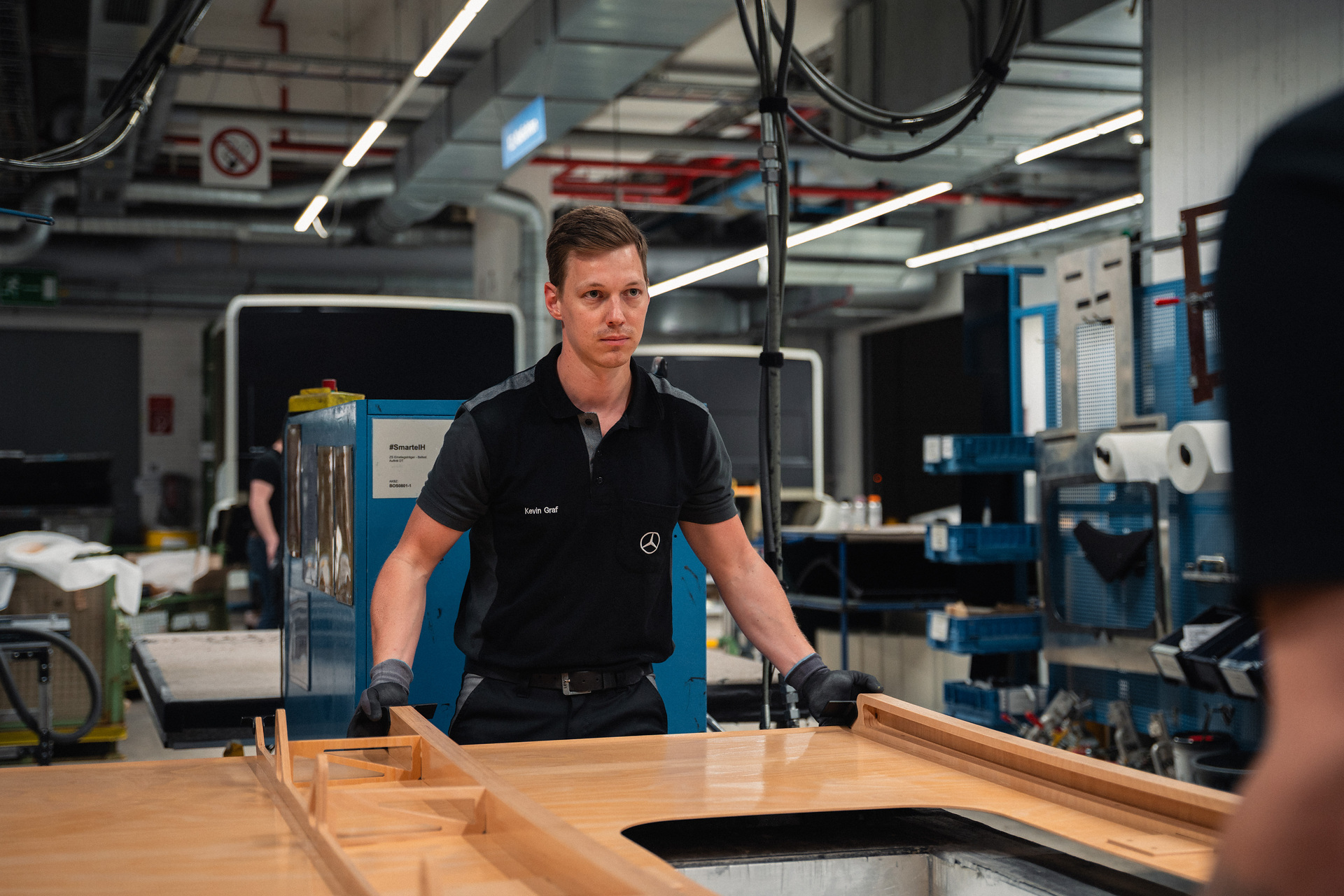
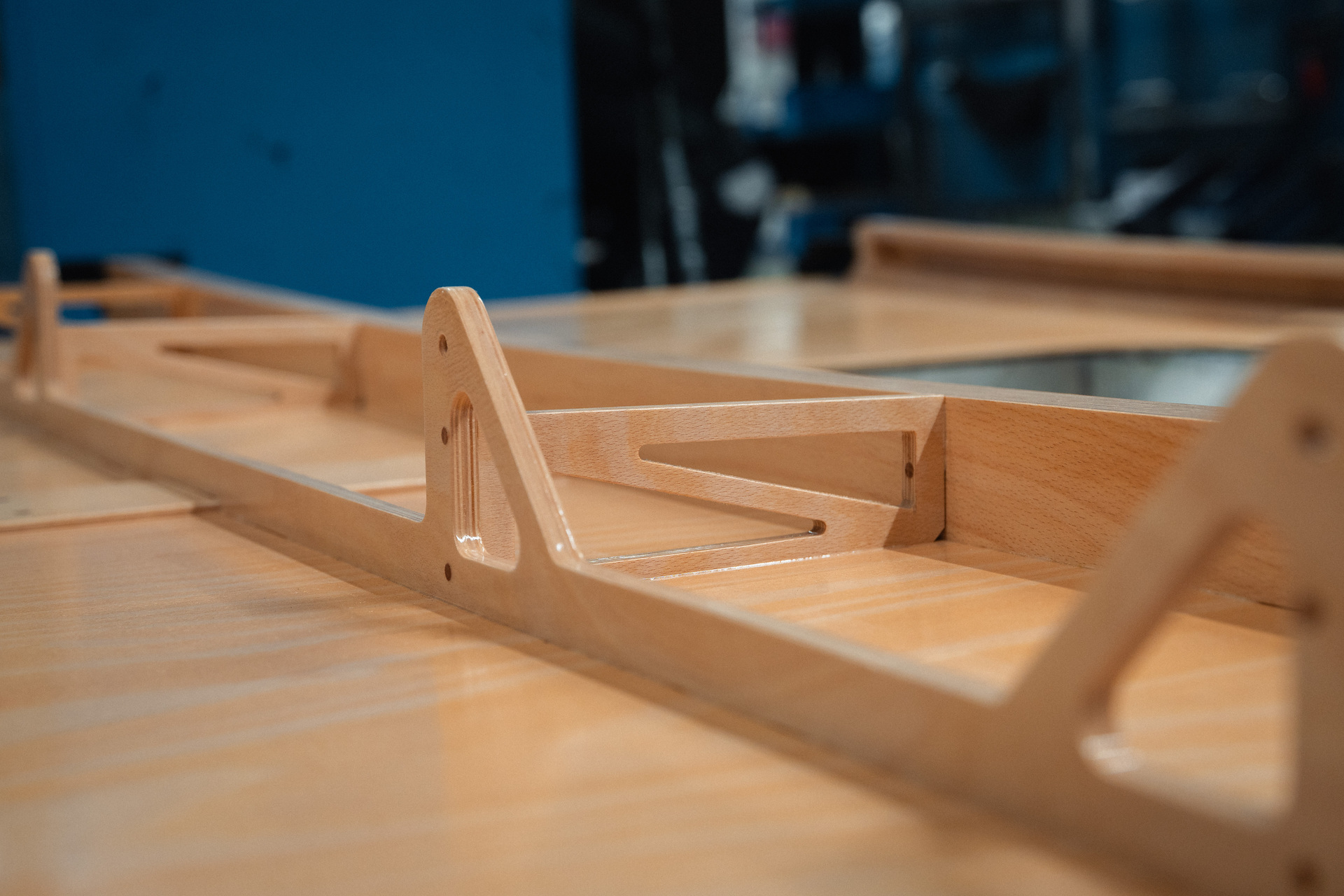
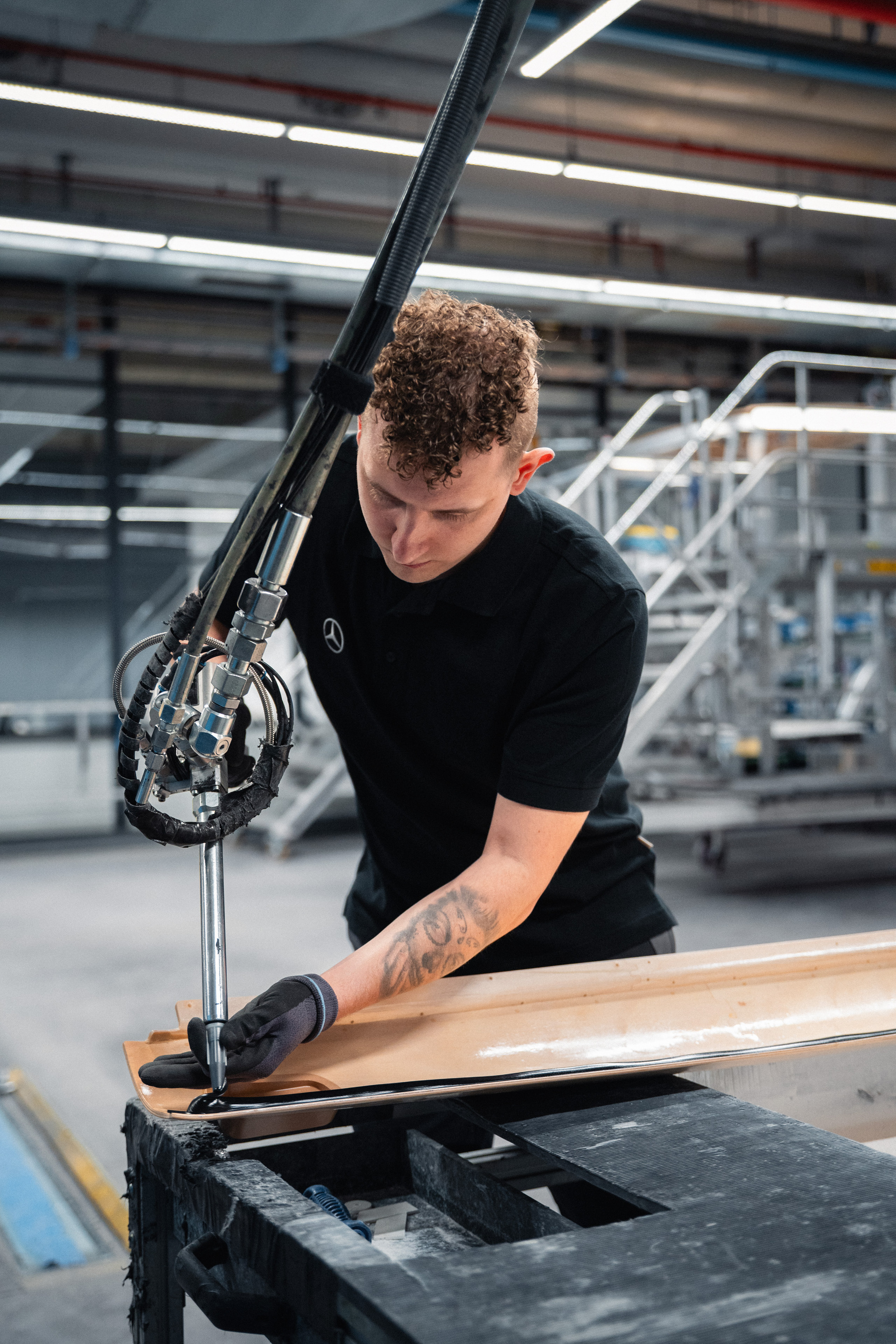
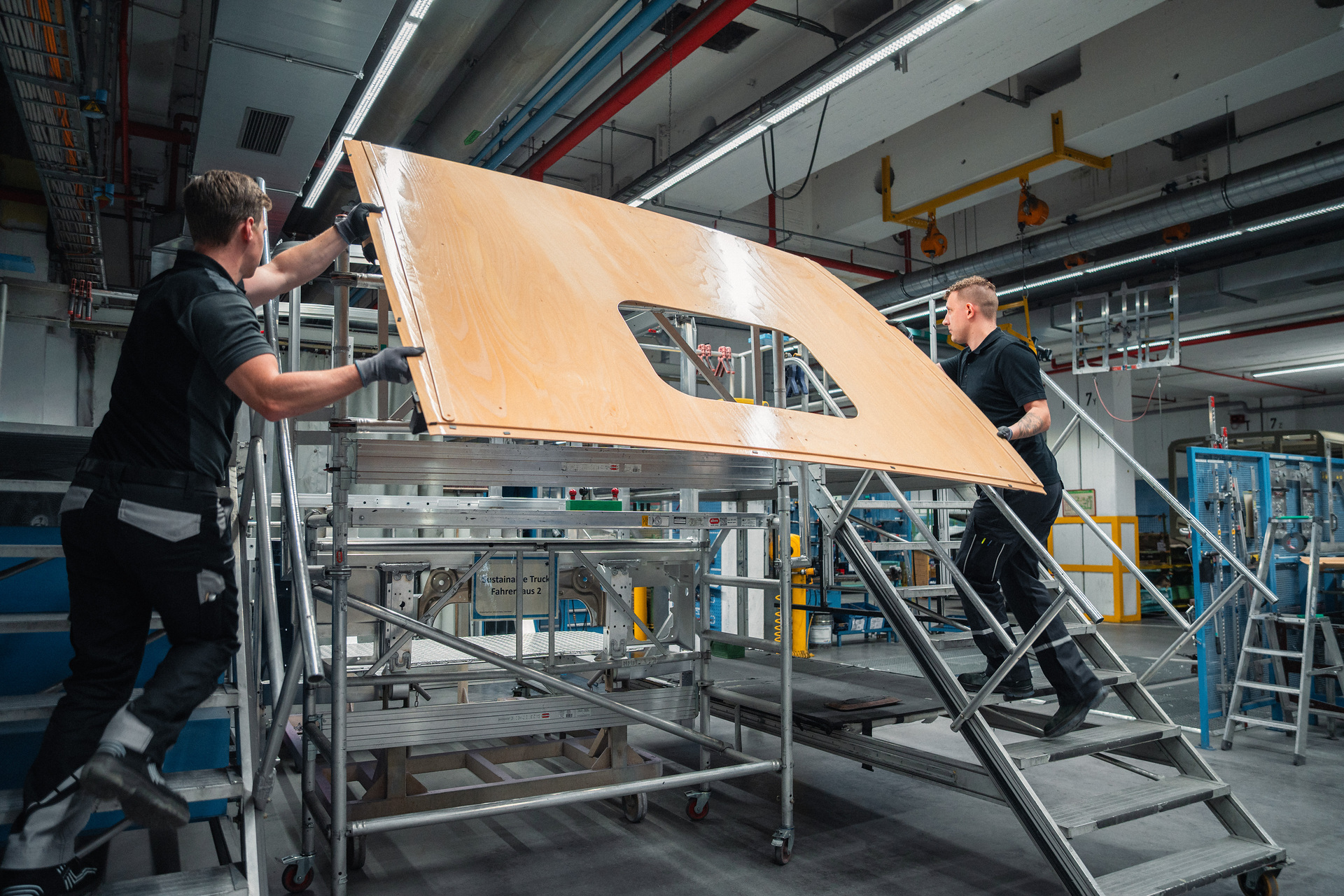
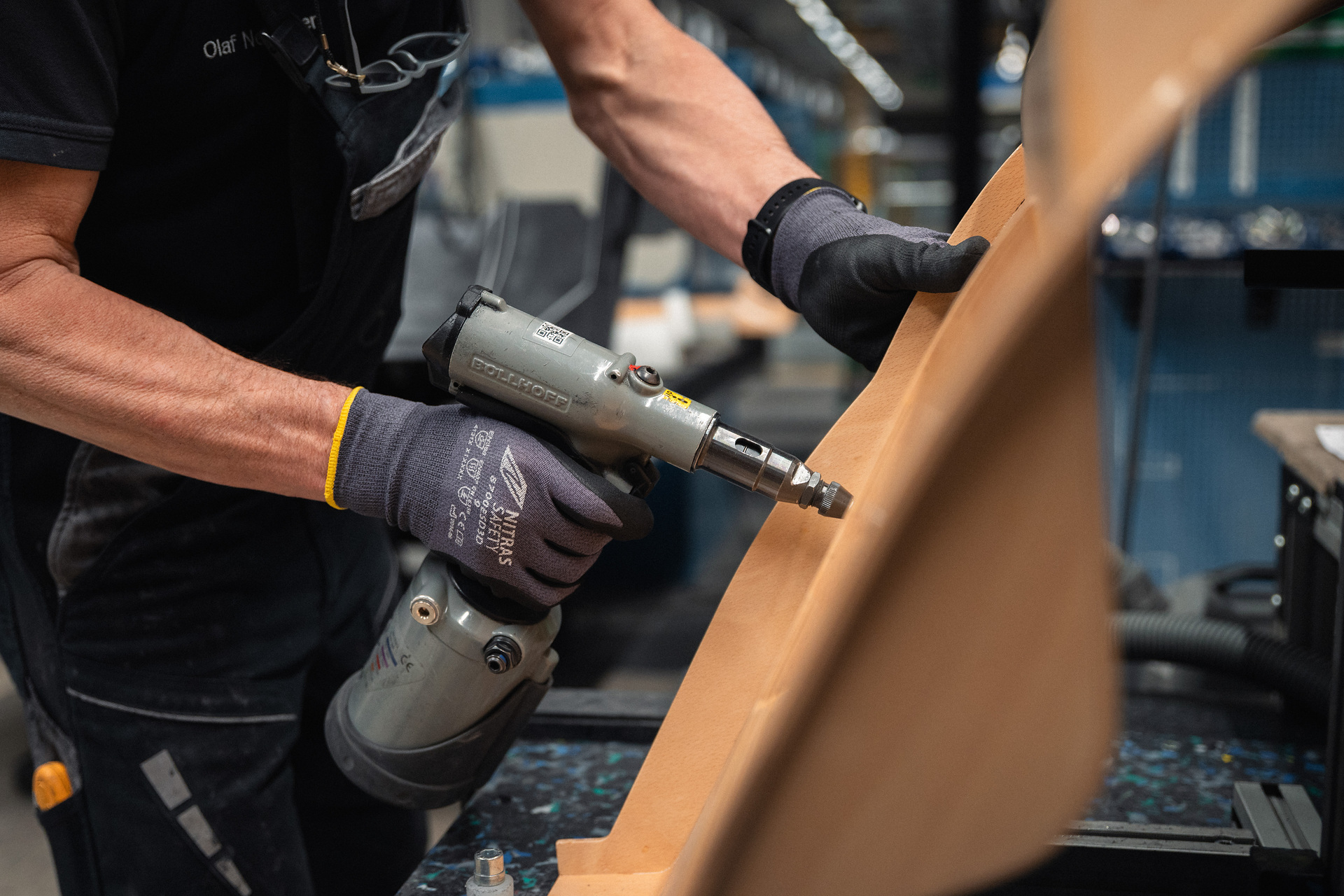
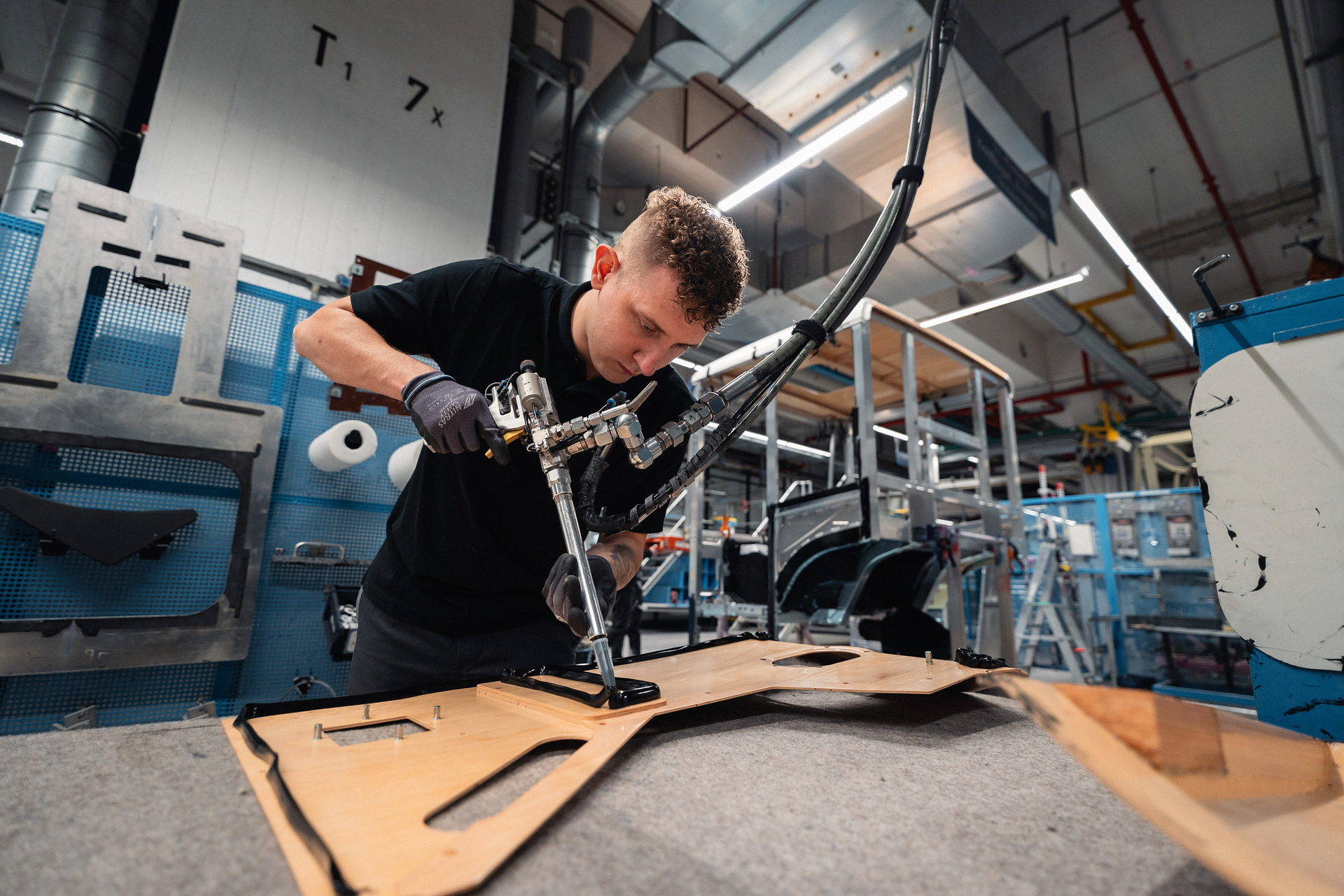
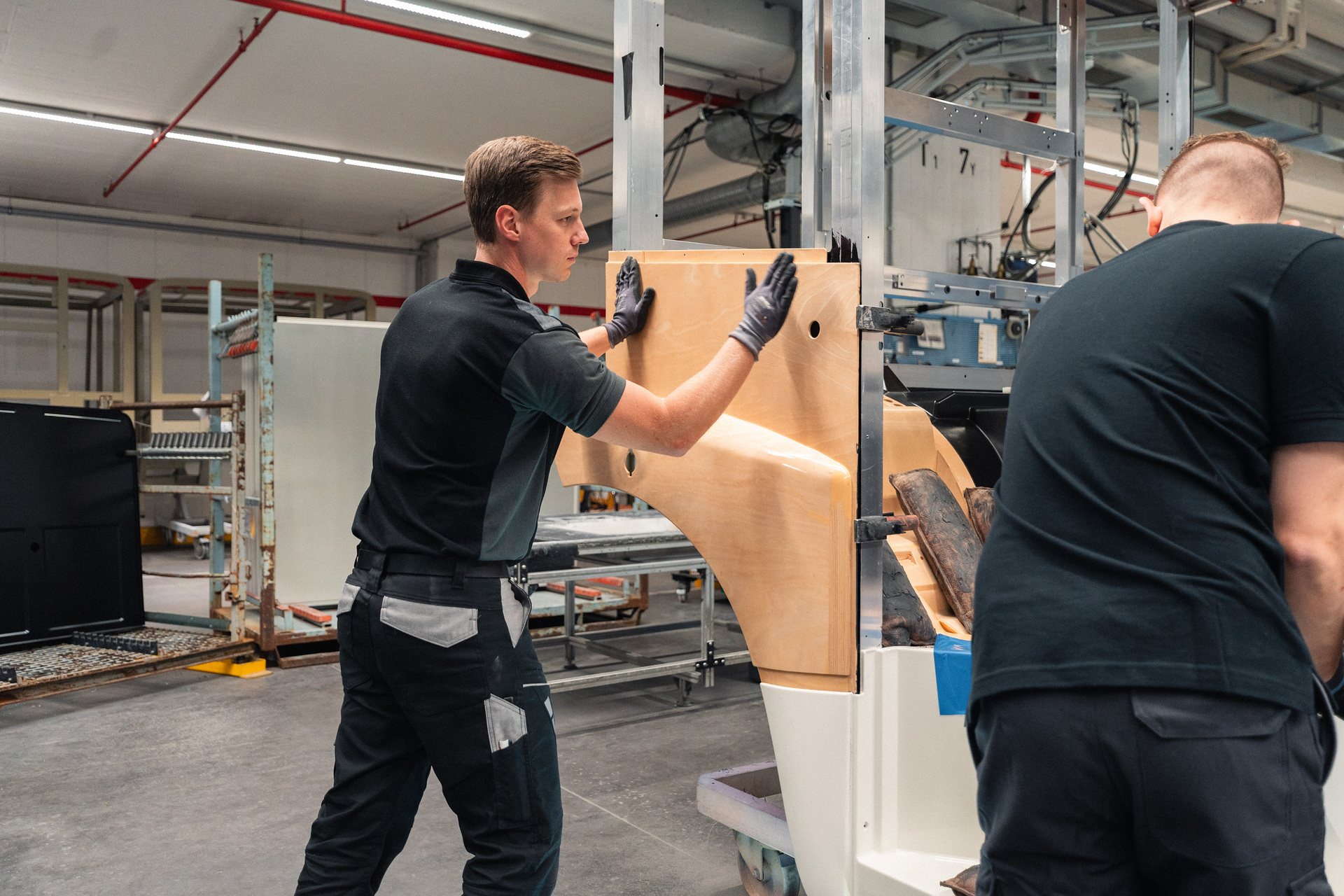
The reECONIC also marks the first time wood has been used in a modern commercial vehicle from Mercedes-Benz Trucks. As an exceptional alternative material, the beech wood used plays a prominent role in the project. Beech wood is a renewable raw material that absorbs additional CO₂e from the atmosphere as it grows, but is currently used primarily for energy production. In the reECONIC, elements in the floor, on the wheel arch, and on the fender are made of wood. In the separately constructed driver’s cab, the seat shell and the cab roof are also made of wood.
The plan is for selected materials used for the first time in the reECONIC and innovative production steps to be incorporated into Daimler Truck’s series production in the future. For municipalities and waste management companies, this concept vehicle and the study results are intended to pave the way for a dual sustainability strategy featuring battery-electric drive technology and resource-conserving raw materials in line with the circular economy.
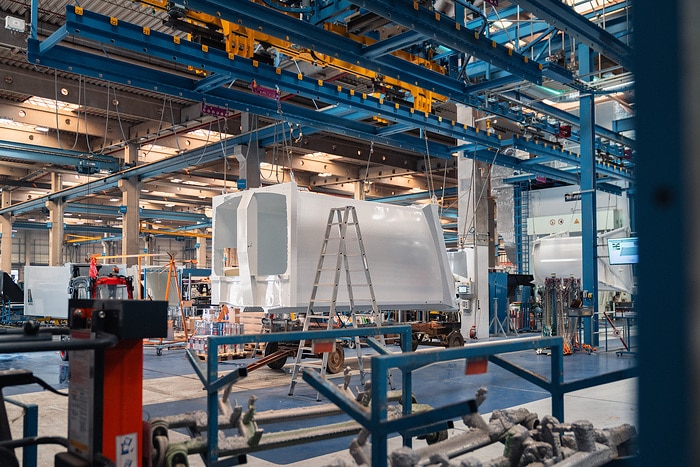
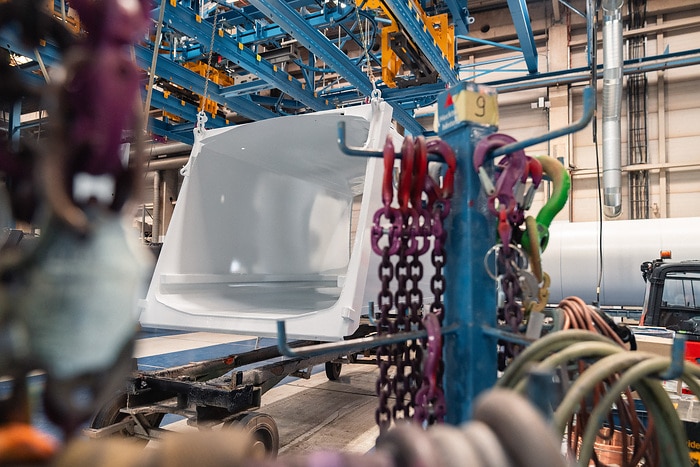
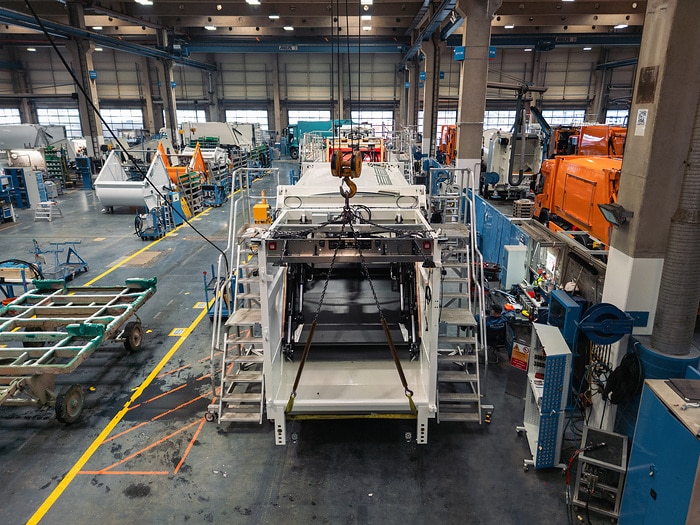
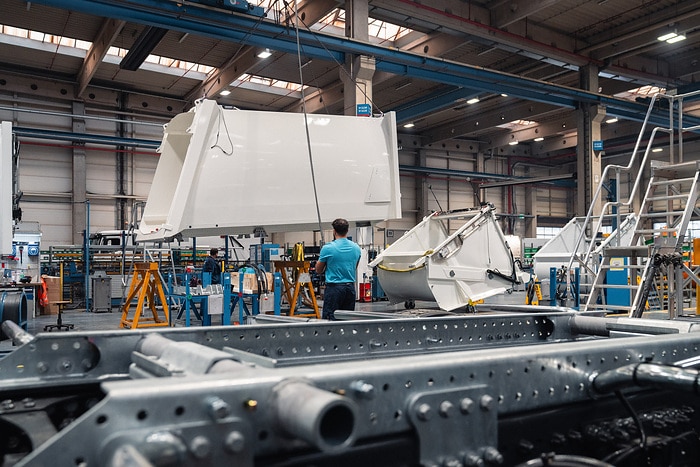
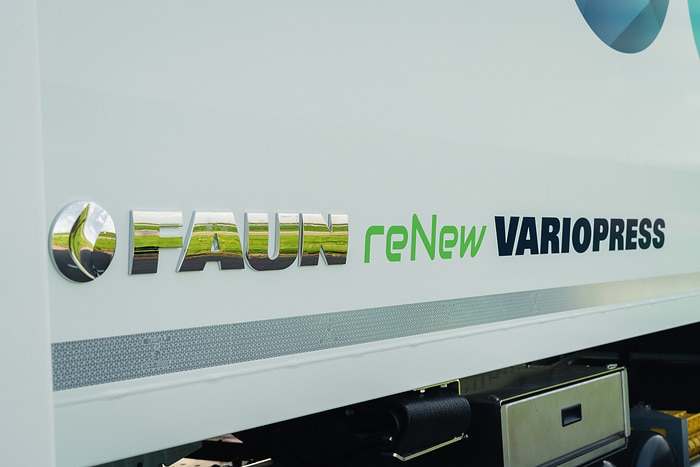
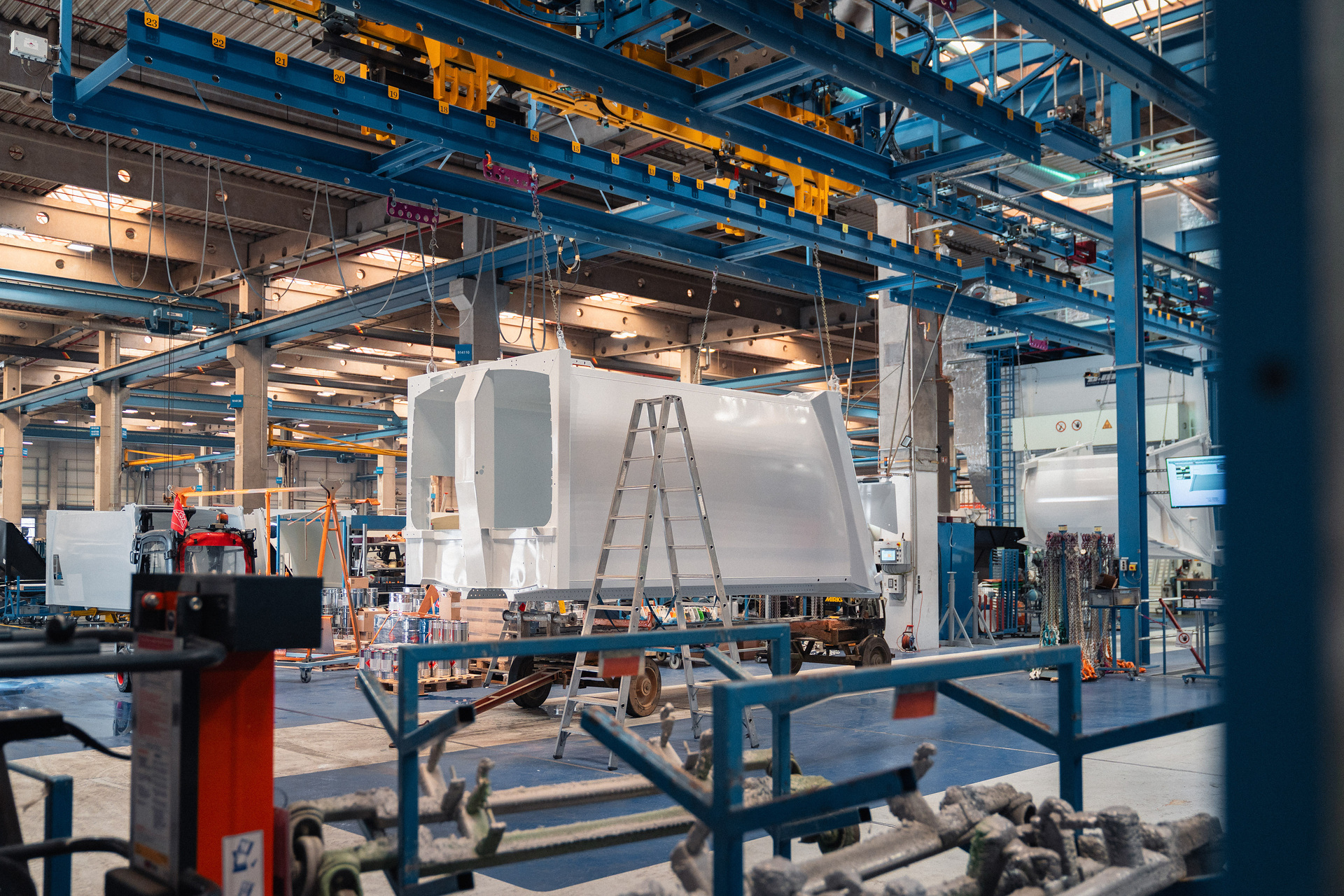
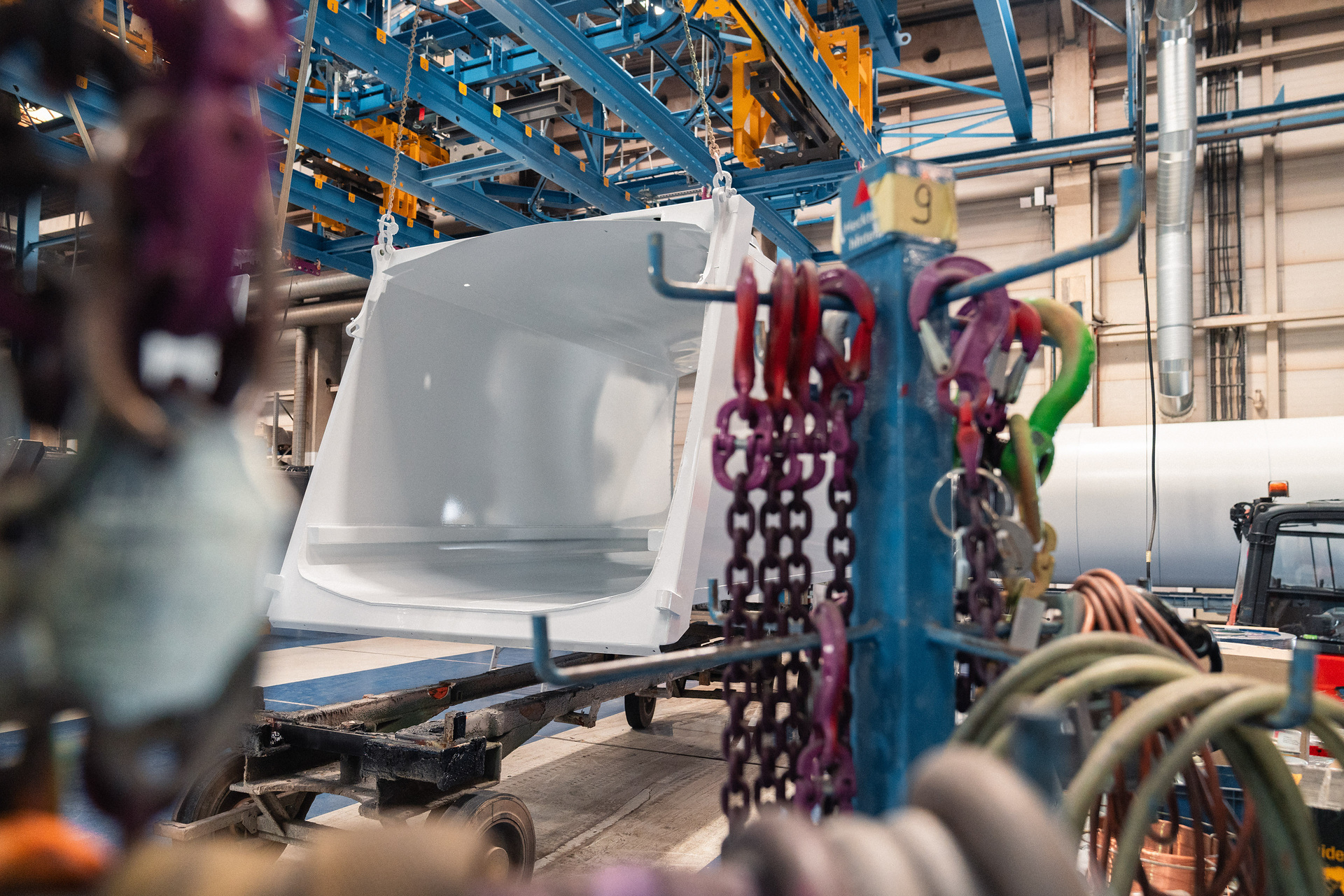
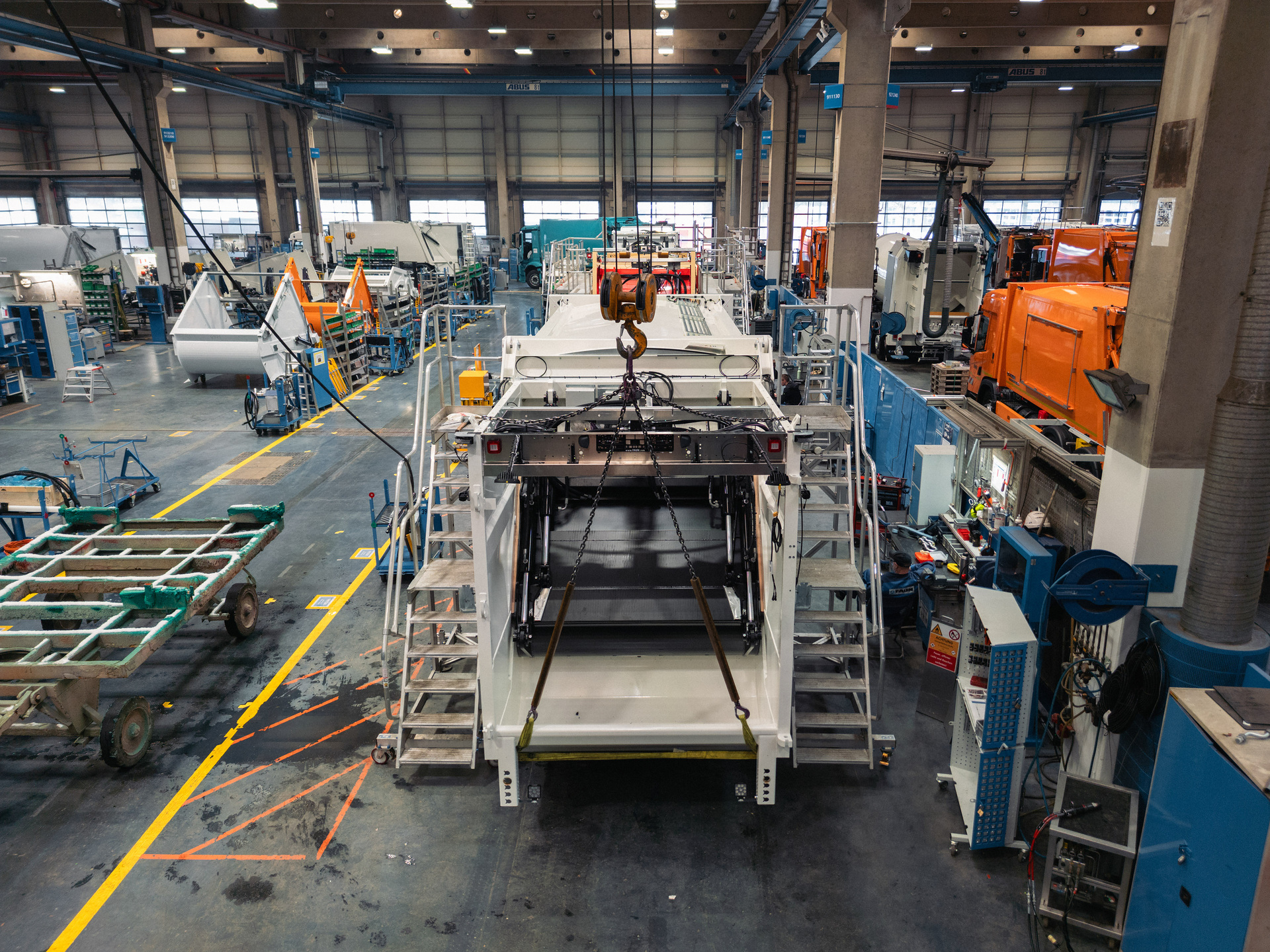
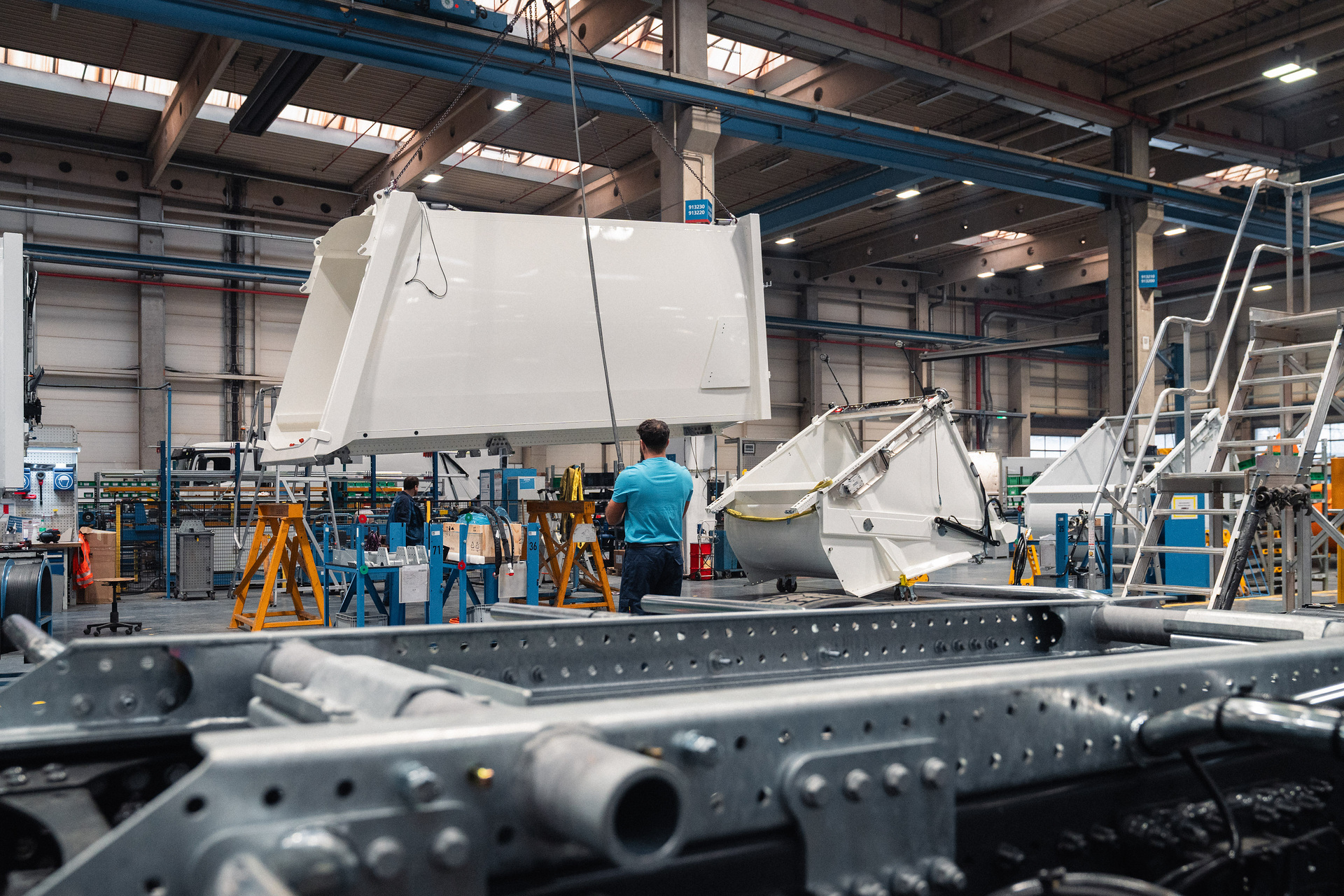
Crucial: The FAUN reNew VARIOPRESS body
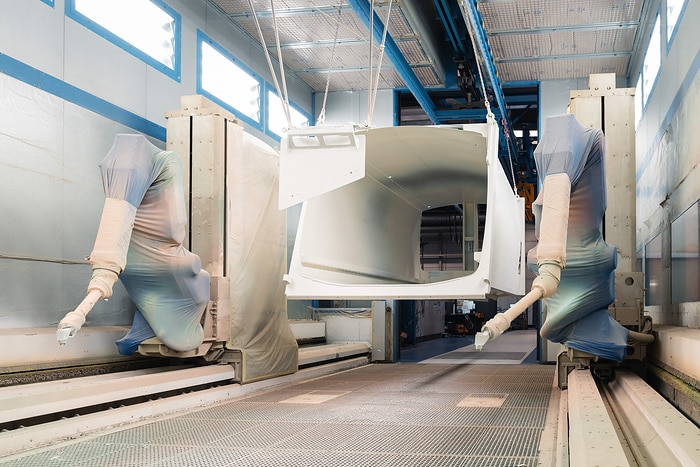
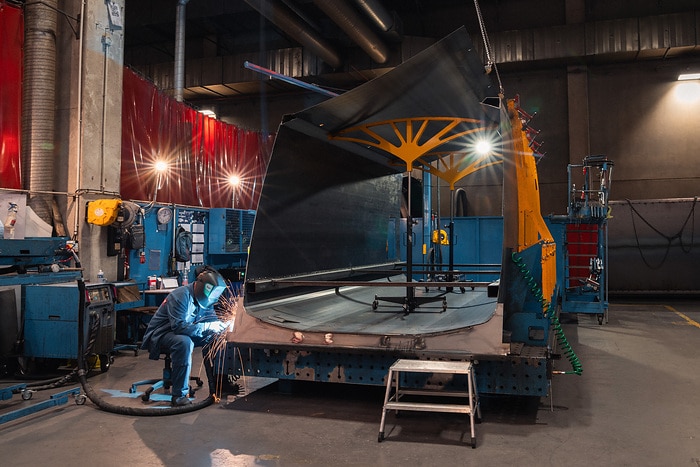
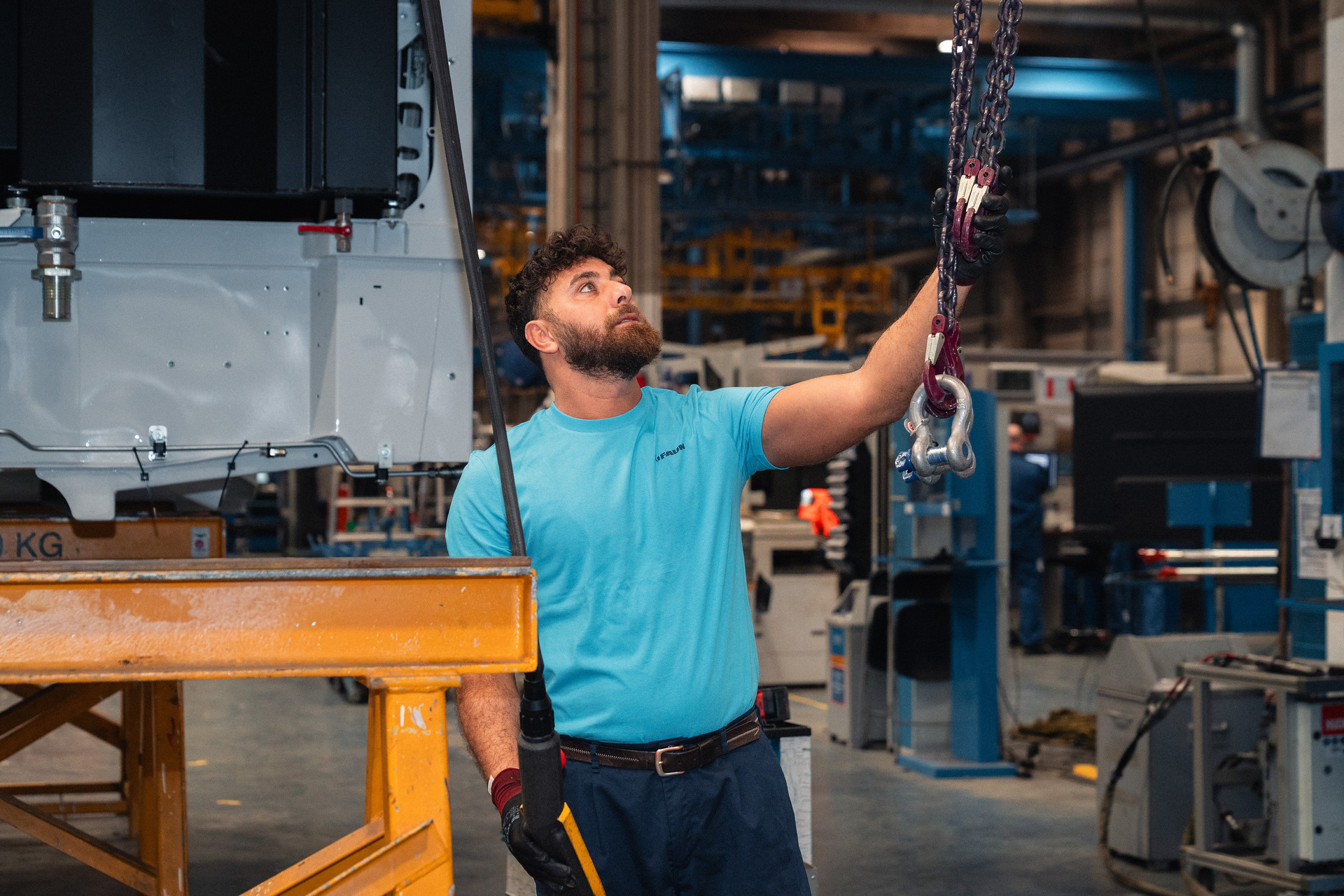
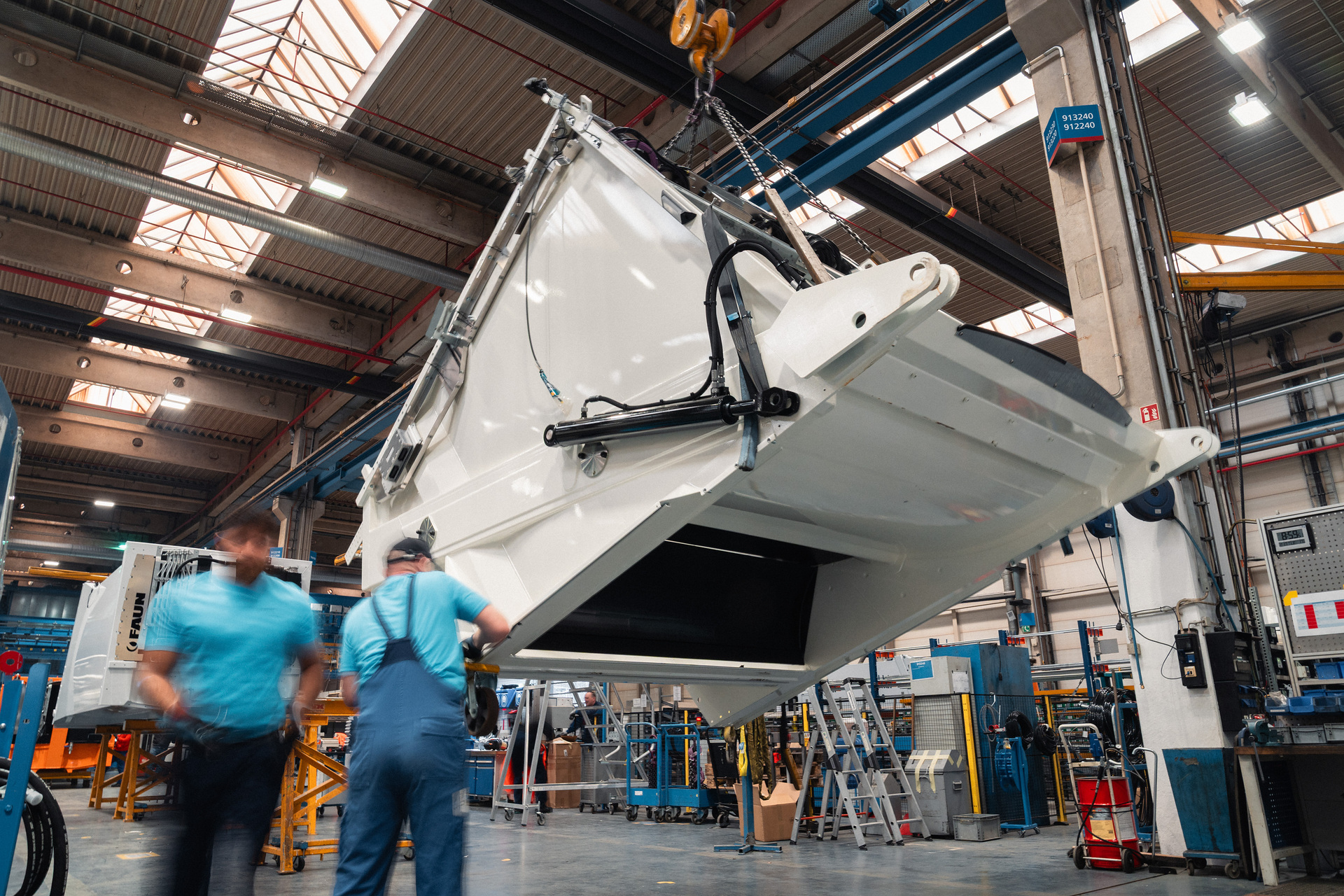
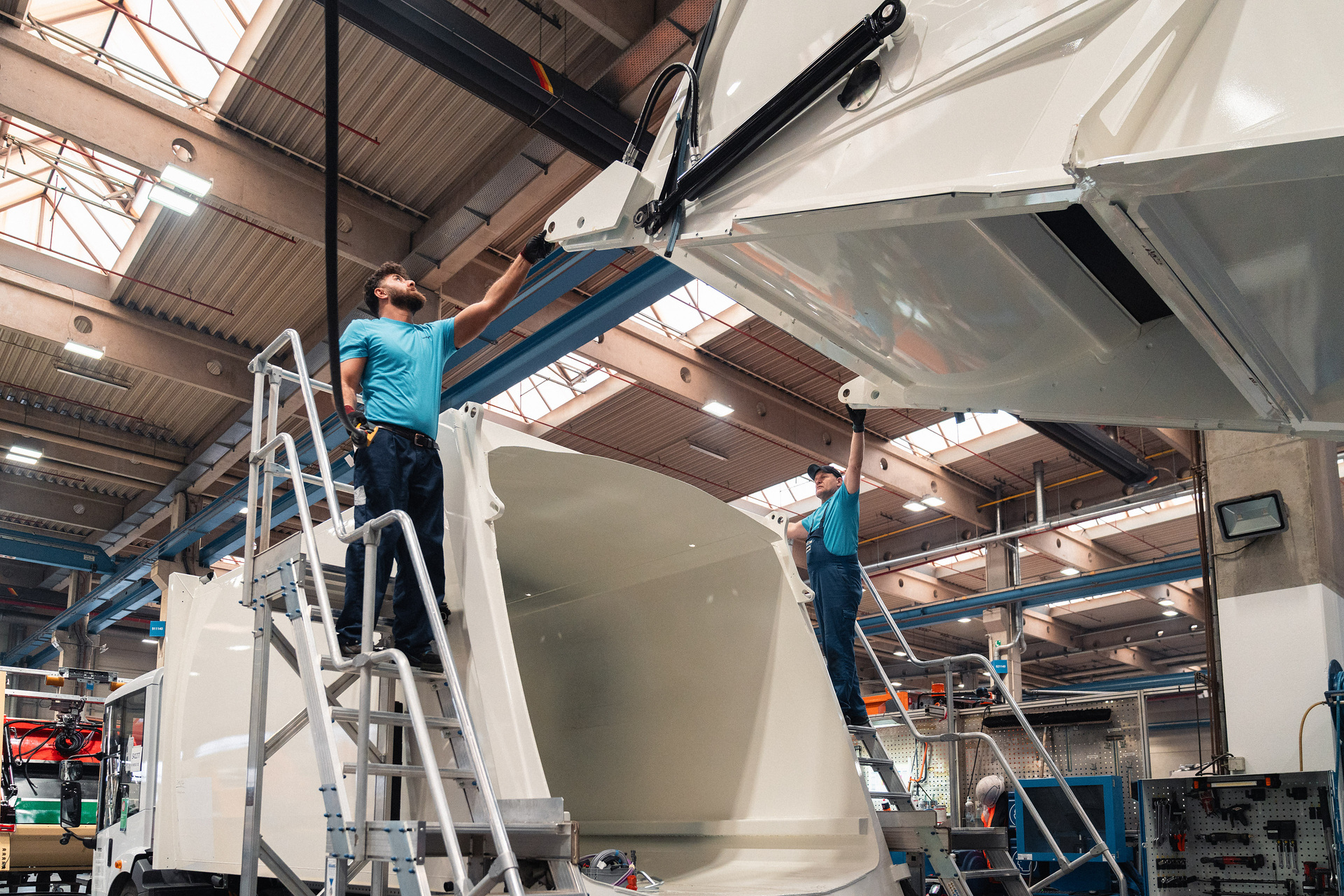
With the reNew VARIOPRESS, FAUN underscores its innovative strength in the field of sustainable vehicle bodies for the waste management industry.
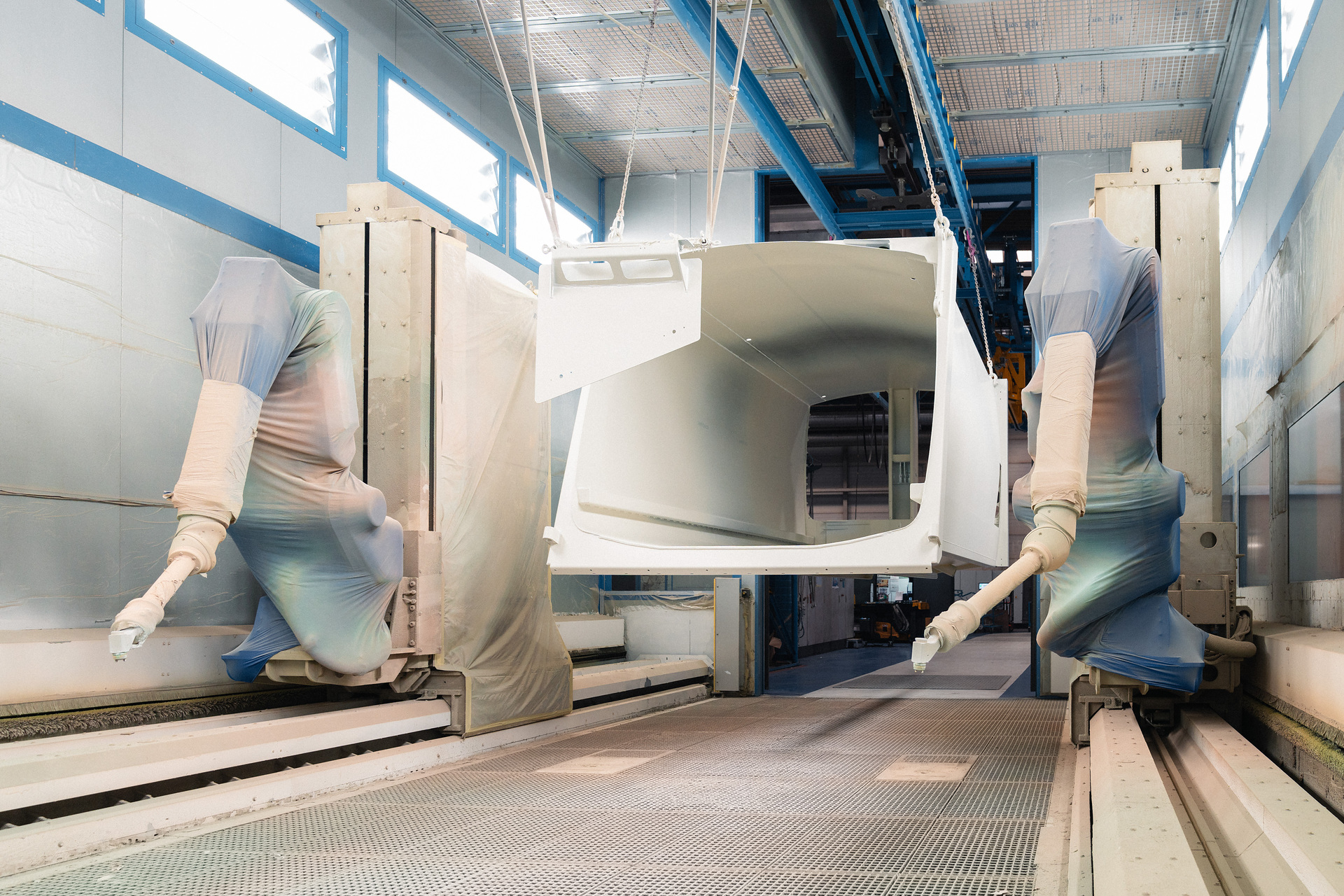
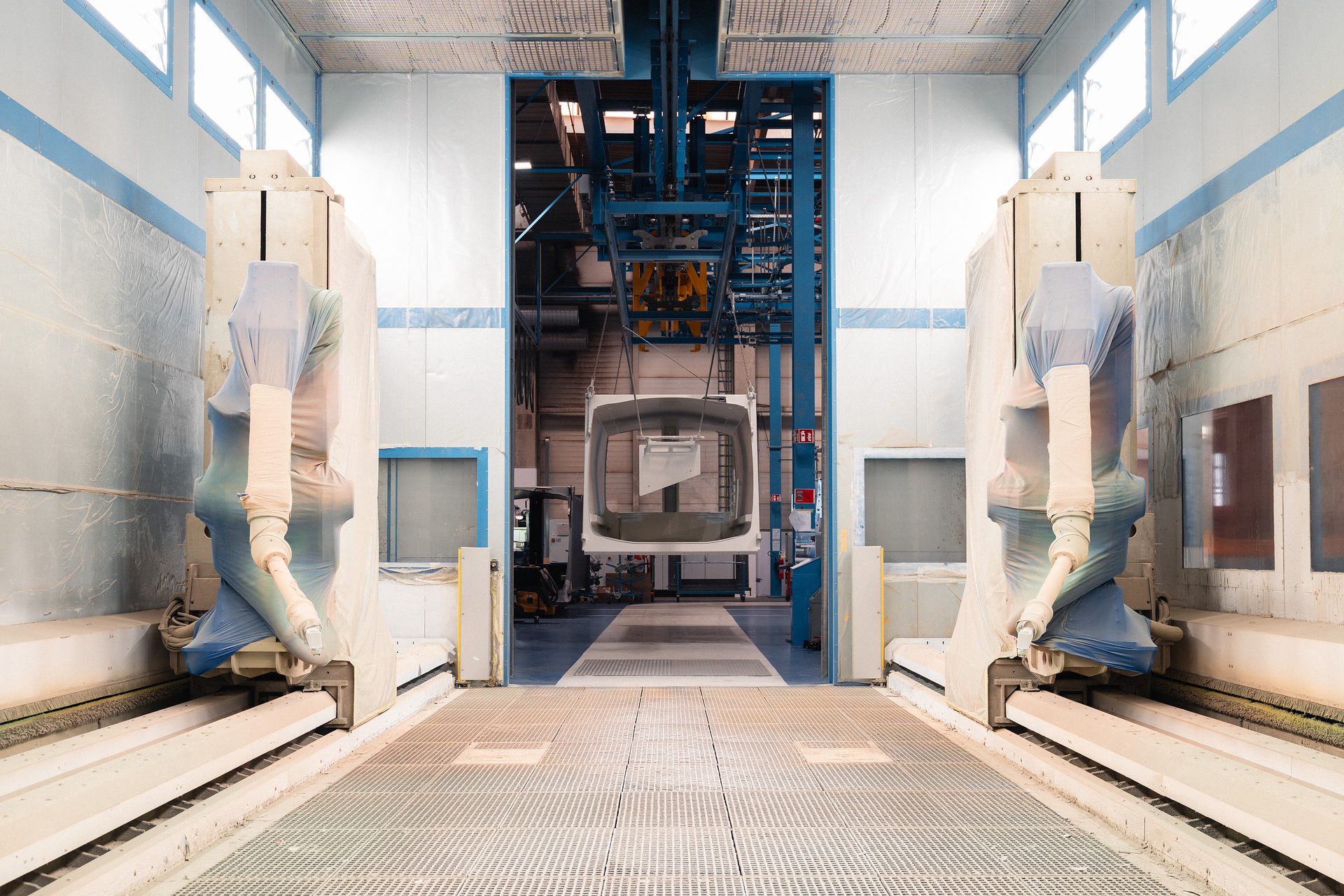
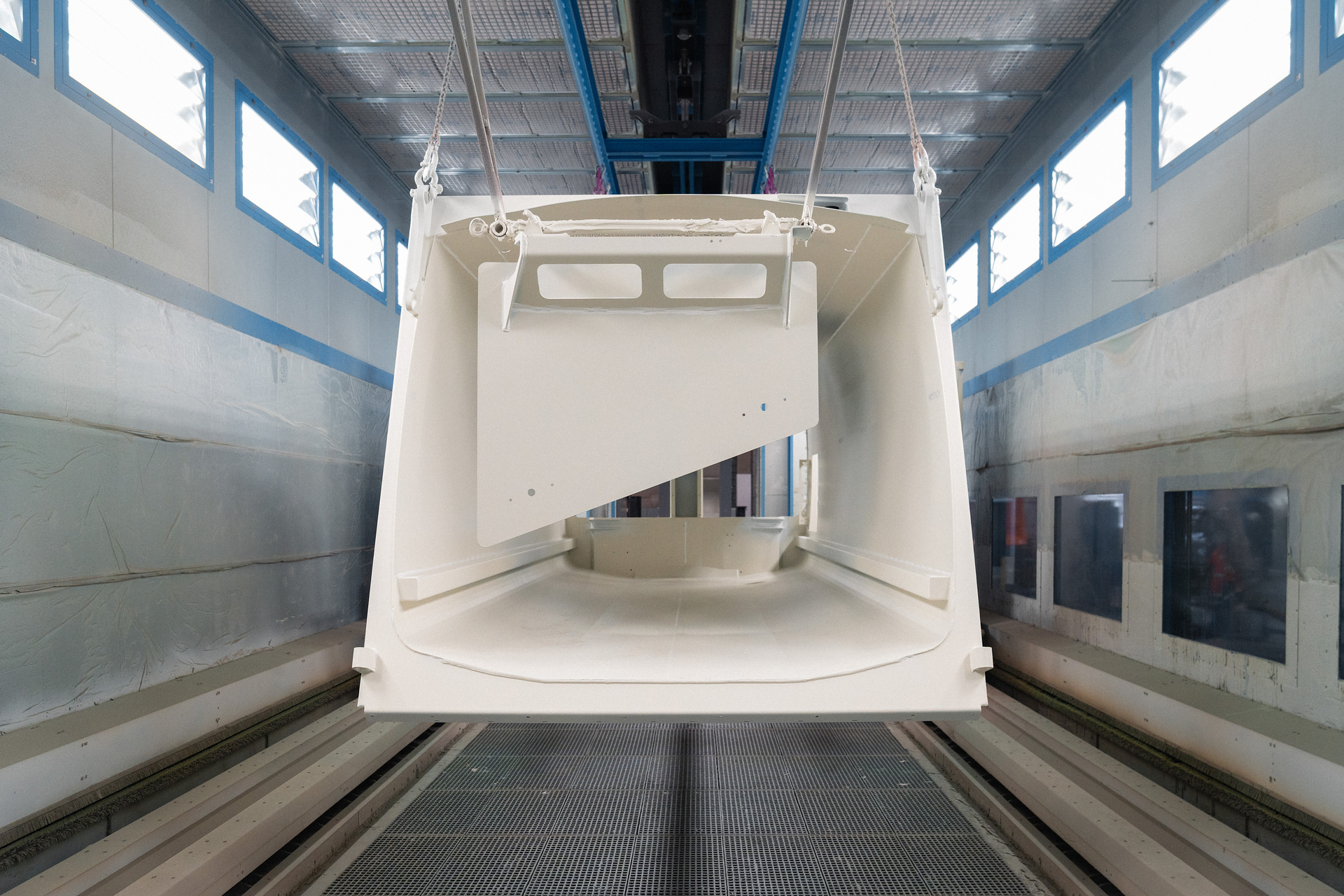
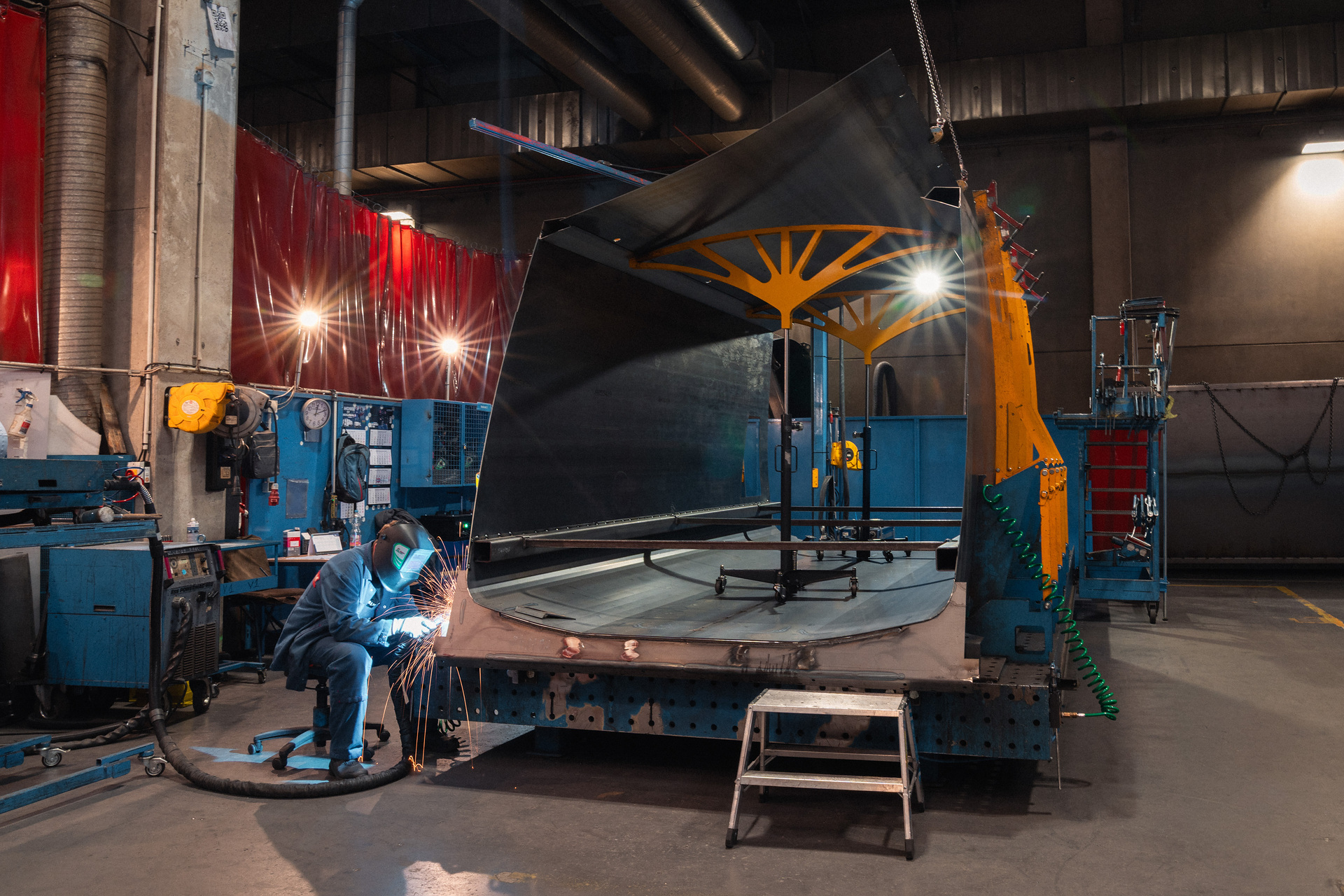
The material groups examined reveal significant potential: Up to 88 percent of the body weight can theoretically be accounted for by recycled materials.[7] In particular, the use of steel with a high recycled content from CO₂-reduced electric arc furnace production contributes significantly to reducing the environmental impact.
The fenders consist of 92 percent recycled plastics, while the control panel carrier, with a recycled content of 99 percent, is made almost entirely from recycled material.[8]
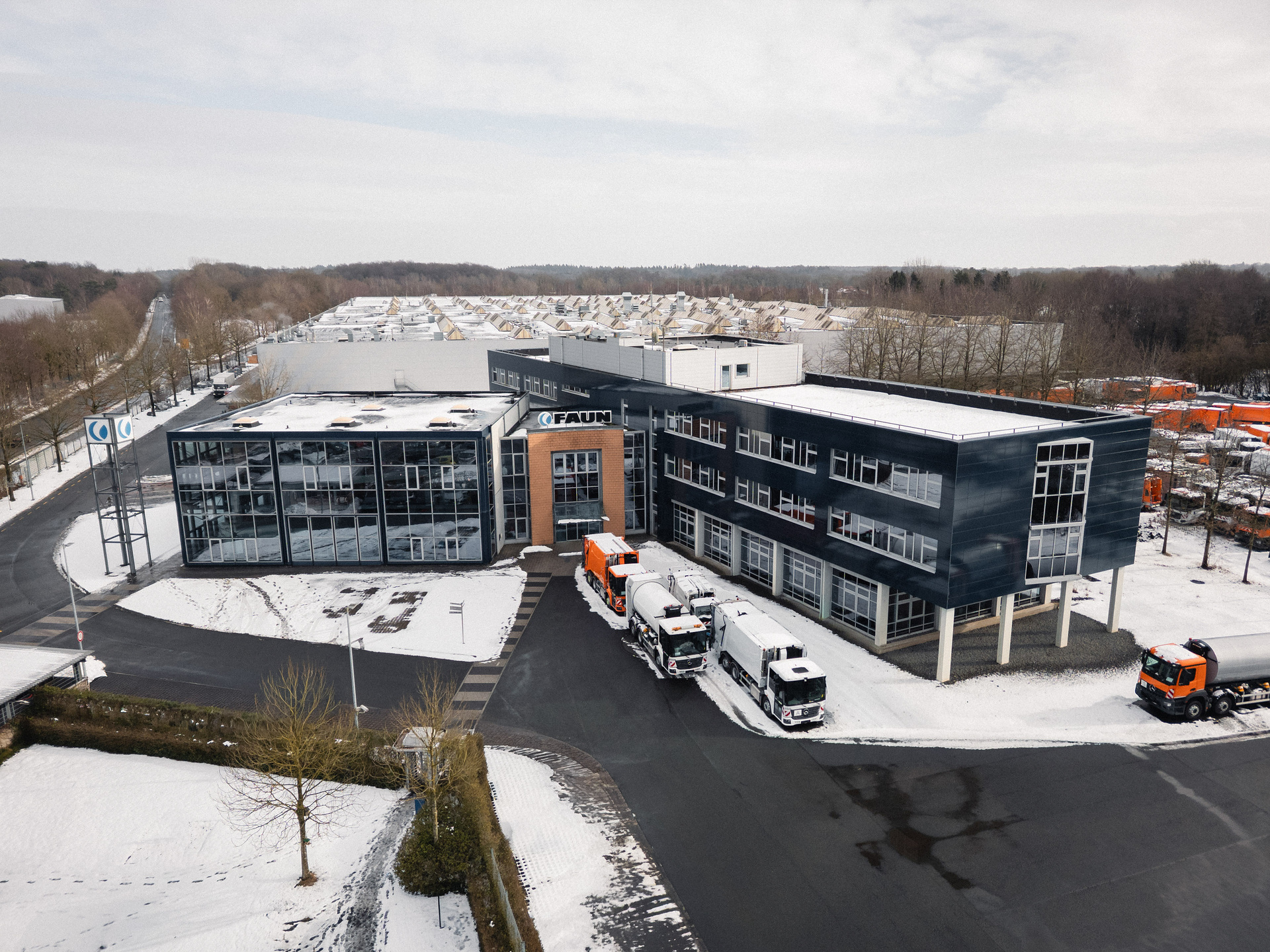
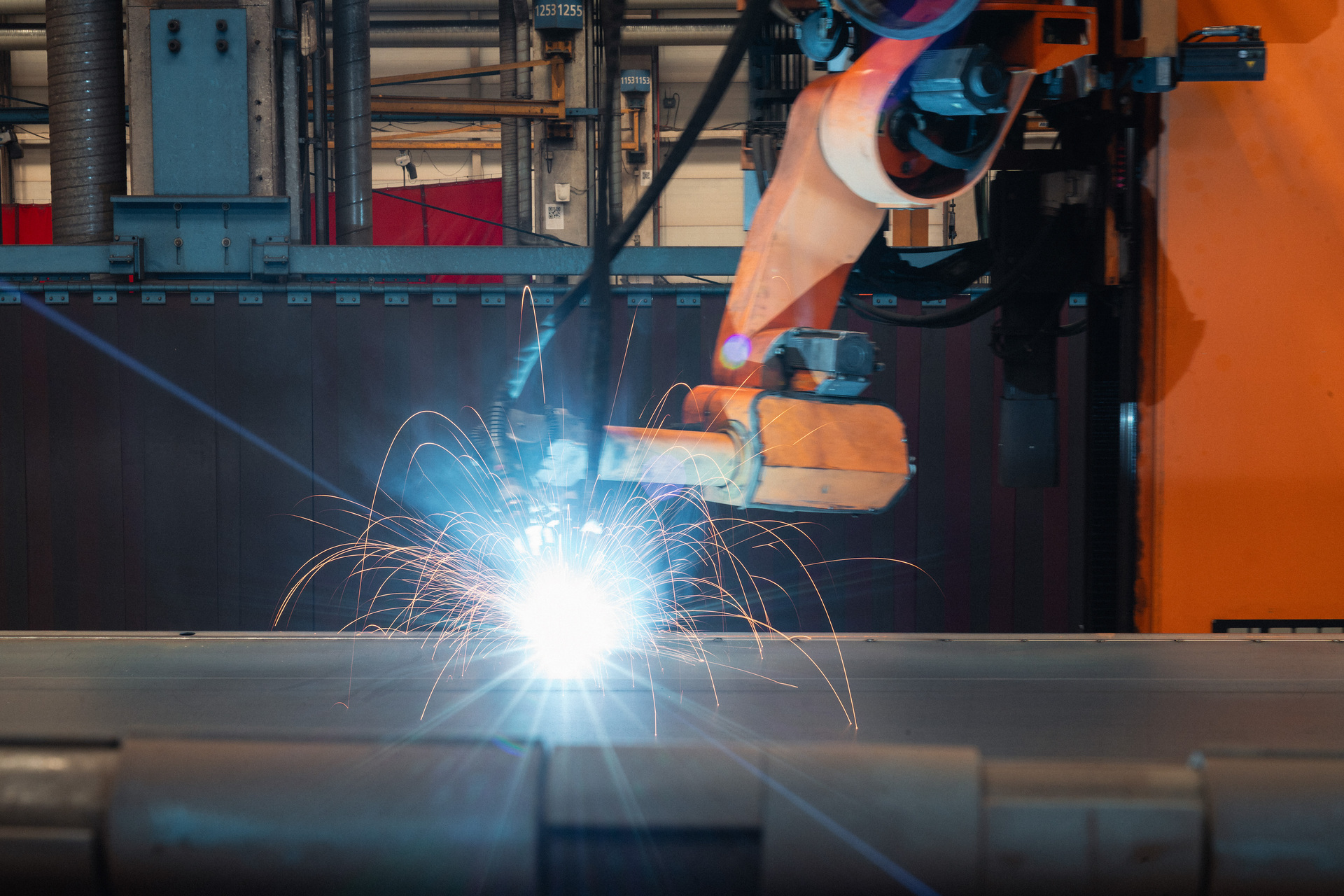
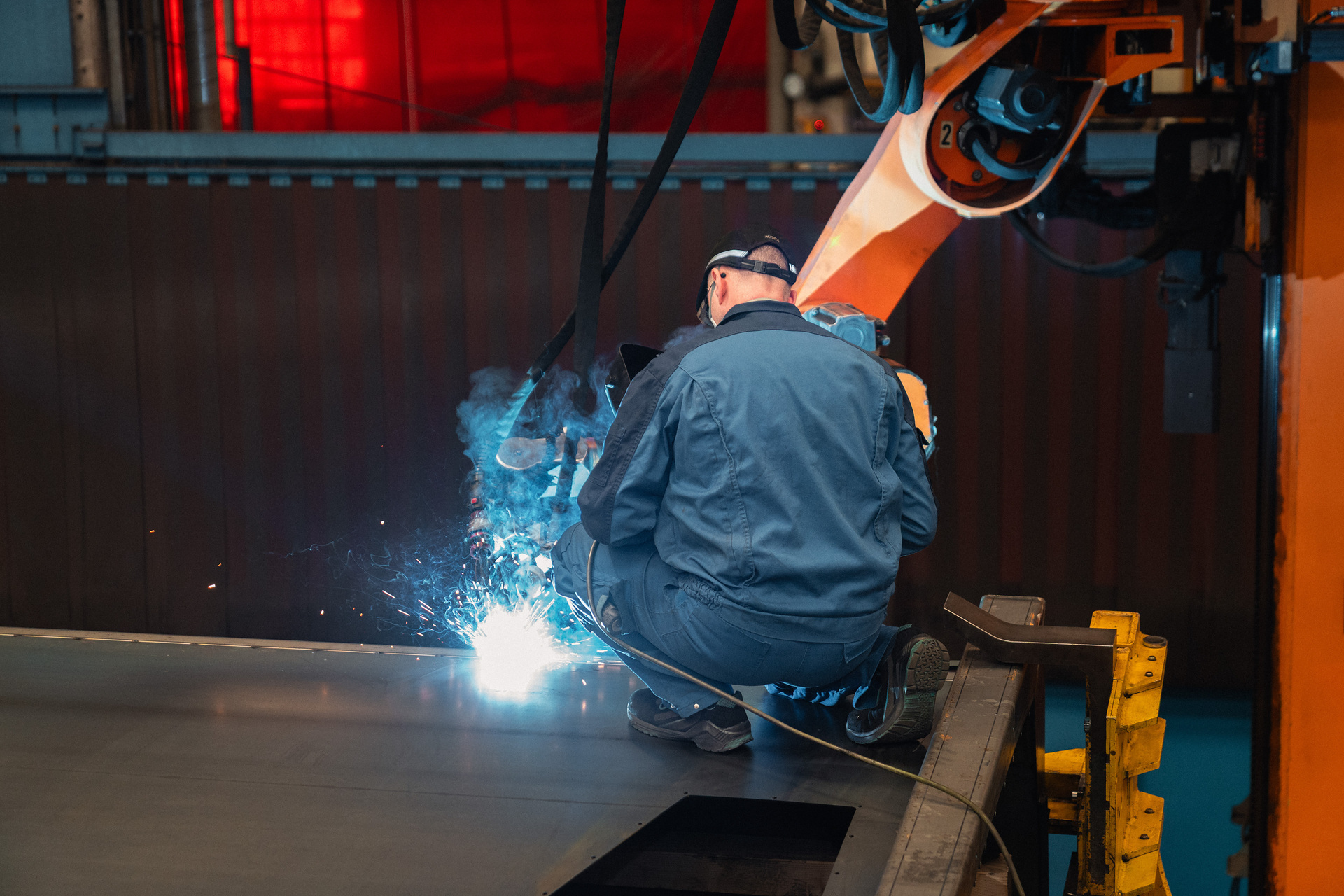
Through the targeted selection of certified secondary raw materials, the use of energy-efficient manufacturing processes, and the utilization of renewable energy at the Osterholz-Scharmbeck production site, a body structure is created that not only performs well in use but also makes a significant contribution to reducing CO₂e emissions and conserving natural resources right from the manufacturing stage.
Recycling at the end of life – returning to the cycle
Consistent recycling not only saves costs and reduces greenhouse gas emissions but also increases long-term access to resources and, in particular, promotes the resilience of industrial value creation through continuous local availability in the countries of manufacturers and end-users.
With the reECONIC featuring the FAUN reNew VARIOPRESS, the partners placed particular emphasis on achieving the highest possible potential return rate into the material cycle. In selecting materials for both the base vehicle and the body, care was taken to ensure that they not only contain a high proportion of recycled content but are also recyclable at the end of the vehicle’s useful life. One example of this is glass: due to its properties, it can indefinitely be returned to the material cycle.
In further steps toward the consistent use of recycled materials, appropriate sorting processes are crucial from the outset to achieve high recycling rates. Additionally, the availability of recycled raw materials must be ensured, production processes and tools must be adapted, and the high quality of recycled materials compared to primary raw materials must be guaranteed.
Since not all materials can be fully recycled, the partners systematically analyze material flows to identify and reduce losses. The goal: largely closed material cycles with as little waste as possible going to thermal recovery or landfills.
Planned impact on series production
The partner companies are currently examining how the insights gathered in the project regarding materials, manufacturing processes, and supply chains can be incorporated into series production. The goal is to enable the industrial scaling of recycled production processes in the future. To this end, Daimler Truck will further expand its collaborative partnerships.
A strong partner network
Closed material cycles require close collaboration among all participating companies. In the reECONIC project, 33 companies have developed and established exemplary, functioning material cycles. Despite the complexity—in the plastics sector alone, seven partners were involved in material supply, five in semi-finished product manufacturing, and eight more in component production—this collaboration model can serve as a starting point for scaling up more sustainable circular structures. An expansion of the network is planned.
Sustainability at Daimler Truck
reECONIC is a flagship project and a central component of the circular economy at Daimler Truck—and thus one of the strategic focus areas in the field of sustainability.
Sustainability is firmly anchored in Daimler Truck’s core business. The company aims to make a significant contribution to the decarbonization of freight and passenger transport and to actively drive the industry’s transformation. At the same time, Daimler Truck consistently aligns its business with the principles of the circular economy—with the goal of conserving resources and reducing the environmental impact of its products throughout their entire lifecycle, where possible, through largely closed material cycles.
More information: https://www.daimlertruck.com/en/sustainability/planet/circular-economy/reeconic
[1] The reECONIC is a concept vehicle that still needs to be tested (in terms of safety, certification, and other factors) to determine whether planned mass production is even feasible.
[2] The weight of the battery is not taken into account in this calculation of the total vehicle weight.
[3] Confirmed by TÜV SÜD Report No. 0713371115.
[4] Confirmed by TÜV SÜD Report No. 0713371115.
[5] Confirmed by TÜV SÜD Report No. 0713371115.
[6] The forest areas are PEFC (Programme for the Endorsement of Forest Certification Schemes) & SFC (Sustainable Forest Certification) certified.
[7] Confirmed by TÜV SÜD Report No. 713387563.
[8] Also confirmed by TÜV SÜD Report No. 713387563.
Download
Two-lane road to a circular economy: Mercedes-Benz Trucks unveils the reECONIC – a battery-electric vehicle made from recycled materials
With the reECONIC concept vehicle, Mercedes-Benz Trucks, together with 32 partners, is demonstrating the feasibility of a battery-electric waste collection vehicle produced in part from recycled materials Circular economy: Recycled, natural, and bio-based materials are used. Using innovative production processes, projections, and forecasts, the partners show that theoretically up to 41 percent of CO₂ equivalent emissions…
Article assets
Download
Two-lane road to a circular economy: Mercedes-Benz Trucks unveils the reECONIC – a battery-electric vehicle made from recycled materials

Download
Two-lane road to a circular economy: Mercedes-Benz Trucks unveils the reECONIC – a battery-electric vehicle made from recycled materials
Download
Two-lane road to a circular economy: Mercedes-Benz Trucks unveils the reECONIC – a battery-electric vehicle made from recycled materials
Download
Two-lane road to a circular economy: Mercedes-Benz Trucks unveils the reECONIC – a battery-electric vehicle made from recycled materials
Download
Two-lane road to a circular economy: Mercedes-Benz Trucks unveils the reECONIC – a battery-electric vehicle made from recycled materials
Download
Two-lane road to a circular economy: Mercedes-Benz Trucks unveils the reECONIC – a battery-electric vehicle made from recycled materials
Download
Two-lane road to a circular economy: Mercedes-Benz Trucks unveils the reECONIC – a battery-electric vehicle made from recycled materials
Download
Two-lane road to a circular economy: Mercedes-Benz Trucks unveils the reECONIC – a battery-electric vehicle made from recycled materials
Download
Two-lane road to a circular economy: Mercedes-Benz Trucks unveils the reECONIC – a battery-electric vehicle made from recycled materials
Download
Two-lane road to a circular economy: Mercedes-Benz Trucks unveils the reECONIC – a battery-electric vehicle made from recycled materials
Download
Two-lane road to a circular economy: Mercedes-Benz Trucks unveils the reECONIC – a battery-electric vehicle made from recycled materials
Download
Two-lane road to a circular economy: Mercedes-Benz Trucks unveils the reECONIC – a battery-electric vehicle made from recycled materials
Download
Two-lane road to a circular economy: Mercedes-Benz Trucks unveils the reECONIC – a battery-electric vehicle made from recycled materials
Download
Two-lane road to a circular economy: Mercedes-Benz Trucks unveils the reECONIC – a battery-electric vehicle made from recycled materials
Download
Two-lane road to a circular economy: Mercedes-Benz Trucks unveils the reECONIC – a battery-electric vehicle made from recycled materials
Download
Two-lane road to a circular economy: Mercedes-Benz Trucks unveils the reECONIC – a battery-electric vehicle made from recycled materials
Download
Two-lane road to a circular economy: Mercedes-Benz Trucks unveils the reECONIC – a battery-electric vehicle made from recycled materials
Download
Two-lane road to a circular economy: Mercedes-Benz Trucks unveils the reECONIC – a battery-electric vehicle made from recycled materials
Download
Two-lane road to a circular economy: Mercedes-Benz Trucks unveils the reECONIC – a battery-electric vehicle made from recycled materials
Download
Two-lane road to a circular economy: Mercedes-Benz Trucks unveils the reECONIC – a battery-electric vehicle made from recycled materials
Download
Two-lane road to a circular economy: Mercedes-Benz Trucks unveils the reECONIC – a battery-electric vehicle made from recycled materials
Download
Two-lane road to a circular economy: Mercedes-Benz Trucks unveils the reECONIC – a battery-electric vehicle made from recycled materials
Download
Two-lane road to a circular economy: Mercedes-Benz Trucks unveils the reECONIC – a battery-electric vehicle made from recycled materials
Download
Two-lane road to a circular economy: Mercedes-Benz Trucks unveils the reECONIC – a battery-electric vehicle made from recycled materials
Download
Two-lane road to a circular economy: Mercedes-Benz Trucks unveils the reECONIC – a battery-electric vehicle made from recycled materials
Download
Two-lane road to a circular economy: Mercedes-Benz Trucks unveils the reECONIC – a battery-electric vehicle made from recycled materials
Download
Two-lane road to a circular economy: Mercedes-Benz Trucks unveils the reECONIC – a battery-electric vehicle made from recycled materials
Download
Two-lane road to a circular economy: Mercedes-Benz Trucks unveils the reECONIC – a battery-electric vehicle made from recycled materials
Download
Two-lane road to a circular economy: Mercedes-Benz Trucks unveils the reECONIC – a battery-electric vehicle made from recycled materials
Download
Two-lane road to a circular economy: Mercedes-Benz Trucks unveils the reECONIC – a battery-electric vehicle made from recycled materials
Download

Two-lane road to a circular economy: Mercedes-Benz Trucks unveils the reECONIC – a battery-electric vehicle made from recycled materials
Download
Two-lane road to a circular economy: Mercedes-Benz Trucks unveils the reECONIC – a battery-electric vehicle made from recycled materials
Download

Two-lane road to a circular economy: Mercedes-Benz Trucks unveils the reECONIC – a battery-electric vehicle made from recycled materials
Download
Two-lane road to a circular economy: Mercedes-Benz Trucks unveils the reECONIC – a battery-electric vehicle made from recycled materials
Download
Two-lane road to a circular economy: Mercedes-Benz Trucks unveils the reECONIC – a battery-electric vehicle made from recycled materials
Download
Two-lane road to a circular economy: Mercedes-Benz Trucks unveils the reECONIC – a battery-electric vehicle made from recycled materials
Download
Two-lane road to a circular economy: Mercedes-Benz Trucks unveils the reECONIC – a battery-electric vehicle made from recycled materials
Download
Two-lane road to a circular economy: Mercedes-Benz Trucks unveils the reECONIC – a battery-electric vehicle made from recycled materials
Download
Two-lane road to a circular economy: Mercedes-Benz Trucks unveils the reECONIC – a battery-electric vehicle made from recycled materials
Download
Two-lane road to a circular economy: Mercedes-Benz Trucks unveils the reECONIC – a battery-electric vehicle made from recycled materials
Download
Two-lane road to a circular economy: Mercedes-Benz Trucks unveils the reECONIC – a battery-electric vehicle made from recycled materials
Download
Two-lane road to a circular economy: Mercedes-Benz Trucks unveils the reECONIC – a battery-electric vehicle made from recycled materials
Download
Two-lane road to a circular economy: Mercedes-Benz Trucks unveils the reECONIC – a battery-electric vehicle made from recycled materials
Download
Two-lane road to a circular economy: Mercedes-Benz Trucks unveils the reECONIC – a battery-electric vehicle made from recycled materials
Download
Two-lane road to a circular economy: Mercedes-Benz Trucks unveils the reECONIC – a battery-electric vehicle made from recycled materials
Download
Two-lane road to a circular economy: Mercedes-Benz Trucks unveils the reECONIC – a battery-electric vehicle made from recycled materials
Download
Two-lane road to a circular economy: Mercedes-Benz Trucks unveils the reECONIC – a battery-electric vehicle made from recycled materials
Download
Two-lane road to a circular economy: Mercedes-Benz Trucks unveils the reECONIC – a battery-electric vehicle made from recycled materials
Download
Two-lane road to a circular economy: Mercedes-Benz Trucks unveils the reECONIC – a battery-electric vehicle made from recycled materials
Download
Two-lane road to a circular economy: Mercedes-Benz Trucks unveils the reECONIC – a battery-electric vehicle made from recycled materials
Download
Two-lane road to a circular economy: Mercedes-Benz Trucks unveils the reECONIC – a battery-electric vehicle made from recycled materials
Download
Two-lane road to a circular economy: Mercedes-Benz Trucks unveils the reECONIC – a battery-electric vehicle made from recycled materials
Download
Two-lane road to a circular economy: Mercedes-Benz Trucks unveils the reECONIC – a battery-electric vehicle made from recycled materials
Download
Two-lane road to a circular economy: Mercedes-Benz Trucks unveils the reECONIC – a battery-electric vehicle made from recycled materials
Download
Two-lane road to a circular economy: Mercedes-Benz Trucks unveils the reECONIC – a battery-electric vehicle made from recycled materials
Download
Two-lane road to a circular economy: Mercedes-Benz Trucks unveils the reECONIC – a battery-electric vehicle made from recycled materials
Download
Two-lane road to a circular economy: Mercedes-Benz Trucks unveils the reECONIC – a battery-electric vehicle made from recycled materials
Download
Two-lane road to a circular economy: Mercedes-Benz Trucks unveils the reECONIC – a battery-electric vehicle made from recycled materials
Download
Two-lane road to a circular economy: Mercedes-Benz Trucks unveils the reECONIC – a battery-electric vehicle made from recycled materials
Download
Two-lane road to a circular economy: Mercedes-Benz Trucks unveils the reECONIC – a battery-electric vehicle made from recycled materials
Download
Two-lane road to a circular economy: Mercedes-Benz Trucks unveils the reECONIC – a battery-electric vehicle made from recycled materials
Download
Two-lane road to a circular economy: Mercedes-Benz Trucks unveils the reECONIC – a battery-electric vehicle made from recycled materials
Download
Two-lane road to a circular economy: Mercedes-Benz Trucks unveils the reECONIC – a battery-electric vehicle made from recycled materials
Download
Two-lane road to a circular economy: Mercedes-Benz Trucks unveils the reECONIC – a battery-electric vehicle made from recycled materials
Download
Two-lane road to a circular economy: Mercedes-Benz Trucks unveils the reECONIC – a battery-electric vehicle made from recycled materials
Download
Two-lane road to a circular economy: Mercedes-Benz Trucks unveils the reECONIC – a battery-electric vehicle made from recycled materials
Download
Two-lane road to a circular economy: Mercedes-Benz Trucks unveils the reECONIC – a battery-electric vehicle made from recycled materials
Download
Two-lane road to a circular economy: Mercedes-Benz Trucks unveils the reECONIC – a battery-electric vehicle made from recycled materials
Download
Two-lane road to a circular economy: Mercedes-Benz Trucks unveils the reECONIC – a battery-electric vehicle made from recycled materials
Download
Two-lane road to a circular economy: Mercedes-Benz Trucks unveils the reECONIC – a battery-electric vehicle made from recycled materials
Download
Two-lane road to a circular economy: Mercedes-Benz Trucks unveils the reECONIC – a battery-electric vehicle made from recycled materials
Download
Two-lane road to a circular economy: Mercedes-Benz Trucks unveils the reECONIC – a battery-electric vehicle made from recycled materials
Download
Two-lane road to a circular economy: Mercedes-Benz Trucks unveils the reECONIC – a battery-electric vehicle made from recycled materials
Download
Two-lane road to a circular economy: Mercedes-Benz Trucks unveils the reECONIC – a battery-electric vehicle made from recycled materials
Download
Two-lane road to a circular economy: Mercedes-Benz Trucks unveils the reECONIC – a battery-electric vehicle made from recycled materials
Download
Two-lane road to a circular economy: Mercedes-Benz Trucks unveils the reECONIC – a battery-electric vehicle made from recycled materials
Download
Two-lane road to a circular economy: Mercedes-Benz Trucks unveils the reECONIC – a battery-electric vehicle made from recycled materials
Download
Two-lane road to a circular economy: Mercedes-Benz Trucks unveils the reECONIC – a battery-electric vehicle made from recycled materials
Download
Two-lane road to a circular economy: Mercedes-Benz Trucks unveils the reECONIC – a battery-electric vehicle made from recycled materials
Download
Two-lane road to a circular economy: Mercedes-Benz Trucks unveils the reECONIC – a battery-electric vehicle made from recycled materials
Download
Two-lane road to a circular economy: Mercedes-Benz Trucks unveils the reECONIC – a battery-electric vehicle made from recycled materials
Download
Two-lane road to a circular economy: Mercedes-Benz Trucks unveils the reECONIC – a battery-electric vehicle made from recycled materials
Download
Two-lane road to a circular economy: Mercedes-Benz Trucks unveils the reECONIC – a battery-electric vehicle made from recycled materials
Download
Two-lane road to a circular economy: Mercedes-Benz Trucks unveils the reECONIC – a battery-electric vehicle made from recycled materials
Download
Two-lane road to a circular economy: Mercedes-Benz Trucks unveils the reECONIC – a battery-electric vehicle made from recycled materials
Download
Two-lane road to a circular economy: Mercedes-Benz Trucks unveils the reECONIC – a battery-electric vehicle made from recycled materials
Download
Two-lane road to a circular economy: Mercedes-Benz Trucks unveils the reECONIC – a battery-electric vehicle made from recycled materials
Download
Two-lane road to a circular economy: Mercedes-Benz Trucks unveils the reECONIC – a battery-electric vehicle made from recycled materials
Download
Two-lane road to a circular economy: Mercedes-Benz Trucks unveils the reECONIC – a battery-electric vehicle made from recycled materials
Download
Two-lane road to a circular economy: Mercedes-Benz Trucks unveils the reECONIC – a battery-electric vehicle made from recycled materials
Download
Two-lane road to a circular economy: Mercedes-Benz Trucks unveils the reECONIC – a battery-electric vehicle made from recycled materials
Download
Two-lane road to a circular economy: Mercedes-Benz Trucks unveils the reECONIC – a battery-electric vehicle made from recycled materials
Download
Two-lane road to a circular economy: Mercedes-Benz Trucks unveils the reECONIC – a battery-electric vehicle made from recycled materials
Download
Two-lane road to a circular economy: Mercedes-Benz Trucks unveils the reECONIC – a battery-electric vehicle made from recycled materials
Download
Two-lane road to a circular economy: Mercedes-Benz Trucks unveils the reECONIC – a battery-electric vehicle made from recycled materials
Two-lane road to a circular economy: Mercedes-Benz Trucks unveils the reECONIC – a battery-electric vehicle made from recycled materials
Two-lane road to a circular economy: Mercedes-Benz Trucks unveils the reECONIC – a battery-electric vehicle made from recycled materials
Two-lane road to a circular economy: Mercedes-Benz Trucks unveils the reECONIC – a battery-electric vehicle made from recycled materials
Two-lane road to a circular economy: Mercedes-Benz Trucks unveils the reECONIC – a battery-electric vehicle made from recycled materials
Two-lane road to a circular economy: Mercedes-Benz Trucks unveils the reECONIC – a battery-electric vehicle made from recycled materials
Two-lane road to a circular economy: Mercedes-Benz Trucks unveils the reECONIC – a battery-electric vehicle made from recycled materials
Two-lane road to a circular economy: Mercedes-Benz Trucks unveils the reECONIC – a battery-electric vehicle made from recycled materials
Two-lane road to a circular economy: Mercedes-Benz Trucks unveils the reECONIC – a battery-electric vehicle made from recycled materials
Two-lane road to a circular economy: Mercedes-Benz Trucks unveils the reECONIC – a battery-electric vehicle made from recycled materials
Two-lane road to a circular economy: Mercedes-Benz Trucks unveils the reECONIC – a battery-electric vehicle made from recycled materials
Two-lane road to a circular economy: Mercedes-Benz Trucks unveils the reECONIC – a battery-electric vehicle made from recycled materials
Two-lane road to a circular economy: Mercedes-Benz Trucks unveils the reECONIC – a battery-electric vehicle made from recycled materials
Two-lane road to a circular economy: Mercedes-Benz Trucks unveils the reECONIC – a battery-electric vehicle made from recycled materials
Two-lane road to a circular economy: Mercedes-Benz Trucks unveils the reECONIC – a battery-electric vehicle made from recycled materials
Two-lane road to a circular economy: Mercedes-Benz Trucks unveils the reECONIC – a battery-electric vehicle made from recycled materials
Two-lane road to a circular economy: Mercedes-Benz Trucks unveils the reECONIC – a battery-electric vehicle made from recycled materials
Two-lane road to a circular economy: Mercedes-Benz Trucks unveils the reECONIC – a battery-electric vehicle made from recycled materials
Two-lane road to a circular economy: Mercedes-Benz Trucks unveils the reECONIC – a battery-electric vehicle made from recycled materials
Two-lane road to a circular economy: Mercedes-Benz Trucks unveils the reECONIC – a battery-electric vehicle made from recycled materials
Two-lane road to a circular economy: Mercedes-Benz Trucks unveils the reECONIC – a battery-electric vehicle made from recycled materials
Two-lane road to a circular economy: Mercedes-Benz Trucks unveils the reECONIC – a battery-electric vehicle made from recycled materials
Two-lane road to a circular economy: Mercedes-Benz Trucks unveils the reECONIC – a battery-electric vehicle made from recycled materials
Two-lane road to a circular economy: Mercedes-Benz Trucks unveils the reECONIC – a battery-electric vehicle made from recycled materials
Two-lane road to a circular economy: Mercedes-Benz Trucks unveils the reECONIC – a battery-electric vehicle made from recycled materials
Two-lane road to a circular economy: Mercedes-Benz Trucks unveils the reECONIC – a battery-electric vehicle made from recycled materials
Two-lane road to a circular economy: Mercedes-Benz Trucks unveils the reECONIC – a battery-electric vehicle made from recycled materials
Two-lane road to a circular economy: Mercedes-Benz Trucks unveils the reECONIC – a battery-electric vehicle made from recycled materials
Two-lane road to a circular economy: Mercedes-Benz Trucks unveils the reECONIC – a battery-electric vehicle made from recycled materials
Two-lane road to a circular economy: Mercedes-Benz Trucks unveils the reECONIC – a battery-electric vehicle made from recycled materials
Two-lane road to a circular economy: Mercedes-Benz Trucks unveils the reECONIC – a battery-electric vehicle made from recycled materials

Two-lane road to a circular economy: Mercedes-Benz Trucks unveils the reECONIC – a battery-electric vehicle made from recycled materials

Two-lane road to a circular economy: Mercedes-Benz Trucks unveils the reECONIC – a battery-electric vehicle made from recycled materials

Two-lane road to a circular economy: Mercedes-Benz Trucks unveils the reECONIC – a battery-electric vehicle made from recycled materials
Two-lane road to a circular economy: Mercedes-Benz Trucks unveils the reECONIC – a battery-electric vehicle made from recycled materials
Two-lane road to a circular economy: Mercedes-Benz Trucks unveils the reECONIC – a battery-electric vehicle made from recycled materials
Two-lane road to a circular economy: Mercedes-Benz Trucks unveils the reECONIC – a battery-electric vehicle made from recycled materials
Two-lane road to a circular economy: Mercedes-Benz Trucks unveils the reECONIC – a battery-electric vehicle made from recycled materials
Two-lane road to a circular economy: Mercedes-Benz Trucks unveils the reECONIC – a battery-electric vehicle made from recycled materials
Two-lane road to a circular economy: Mercedes-Benz Trucks unveils the reECONIC – a battery-electric vehicle made from recycled materials
Two-lane road to a circular economy: Mercedes-Benz Trucks unveils the reECONIC – a battery-electric vehicle made from recycled materials
Two-lane road to a circular economy: Mercedes-Benz Trucks unveils the reECONIC – a battery-electric vehicle made from recycled materials
Two-lane road to a circular economy: Mercedes-Benz Trucks unveils the reECONIC – a battery-electric vehicle made from recycled materials
Two-lane road to a circular economy: Mercedes-Benz Trucks unveils the reECONIC – a battery-electric vehicle made from recycled materials
Two-lane road to a circular economy: Mercedes-Benz Trucks unveils the reECONIC – a battery-electric vehicle made from recycled materials
Two-lane road to a circular economy: Mercedes-Benz Trucks unveils the reECONIC – a battery-electric vehicle made from recycled materials
Two-lane road to a circular economy: Mercedes-Benz Trucks unveils the reECONIC – a battery-electric vehicle made from recycled materials
Two-lane road to a circular economy: Mercedes-Benz Trucks unveils the reECONIC – a battery-electric vehicle made from recycled materials
Two-lane road to a circular economy: Mercedes-Benz Trucks unveils the reECONIC – a battery-electric vehicle made from recycled materials
Two-lane road to a circular economy: Mercedes-Benz Trucks unveils the reECONIC – a battery-electric vehicle made from recycled materials
Two-lane road to a circular economy: Mercedes-Benz Trucks unveils the reECONIC – a battery-electric vehicle made from recycled materials
Two-lane road to a circular economy: Mercedes-Benz Trucks unveils the reECONIC – a battery-electric vehicle made from recycled materials
Two-lane road to a circular economy: Mercedes-Benz Trucks unveils the reECONIC – a battery-electric vehicle made from recycled materials
Two-lane road to a circular economy: Mercedes-Benz Trucks unveils the reECONIC – a battery-electric vehicle made from recycled materials
Two-lane road to a circular economy: Mercedes-Benz Trucks unveils the reECONIC – a battery-electric vehicle made from recycled materials
Two-lane road to a circular economy: Mercedes-Benz Trucks unveils the reECONIC – a battery-electric vehicle made from recycled materials
Two-lane road to a circular economy: Mercedes-Benz Trucks unveils the reECONIC – a battery-electric vehicle made from recycled materials
Two-lane road to a circular economy: Mercedes-Benz Trucks unveils the reECONIC – a battery-electric vehicle made from recycled materials
Two-lane road to a circular economy: Mercedes-Benz Trucks unveils the reECONIC – a battery-electric vehicle made from recycled materials
Two-lane road to a circular economy: Mercedes-Benz Trucks unveils the reECONIC – a battery-electric vehicle made from recycled materials
Two-lane road to a circular economy: Mercedes-Benz Trucks unveils the reECONIC – a battery-electric vehicle made from recycled materials
Two-lane road to a circular economy: Mercedes-Benz Trucks unveils the reECONIC – a battery-electric vehicle made from recycled materials
Two-lane road to a circular economy: Mercedes-Benz Trucks unveils the reECONIC – a battery-electric vehicle made from recycled materials
Two-lane road to a circular economy: Mercedes-Benz Trucks unveils the reECONIC – a battery-electric vehicle made from recycled materials
Two-lane road to a circular economy: Mercedes-Benz Trucks unveils the reECONIC – a battery-electric vehicle made from recycled materials
Two-lane road to a circular economy: Mercedes-Benz Trucks unveils the reECONIC – a battery-electric vehicle made from recycled materials
Two-lane road to a circular economy: Mercedes-Benz Trucks unveils the reECONIC – a battery-electric vehicle made from recycled materials
Two-lane road to a circular economy: Mercedes-Benz Trucks unveils the reECONIC – a battery-electric vehicle made from recycled materials
Two-lane road to a circular economy: Mercedes-Benz Trucks unveils the reECONIC – a battery-electric vehicle made from recycled materials
Two-lane road to a circular economy: Mercedes-Benz Trucks unveils the reECONIC – a battery-electric vehicle made from recycled materials
Two-lane road to a circular economy: Mercedes-Benz Trucks unveils the reECONIC – a battery-electric vehicle made from recycled materials
Two-lane road to a circular economy: Mercedes-Benz Trucks unveils the reECONIC – a battery-electric vehicle made from recycled materials
Two-lane road to a circular economy: Mercedes-Benz Trucks unveils the reECONIC – a battery-electric vehicle made from recycled materials
Two-lane road to a circular economy: Mercedes-Benz Trucks unveils the reECONIC – a battery-electric vehicle made from recycled materials
Two-lane road to a circular economy: Mercedes-Benz Trucks unveils the reECONIC – a battery-electric vehicle made from recycled materials
Two-lane road to a circular economy: Mercedes-Benz Trucks unveils the reECONIC – a battery-electric vehicle made from recycled materials
Two-lane road to a circular economy: Mercedes-Benz Trucks unveils the reECONIC – a battery-electric vehicle made from recycled materials
Two-lane road to a circular economy: Mercedes-Benz Trucks unveils the reECONIC – a battery-electric vehicle made from recycled materials
Two-lane road to a circular economy: Mercedes-Benz Trucks unveils the reECONIC – a battery-electric vehicle made from recycled materials
Two-lane road to a circular economy: Mercedes-Benz Trucks unveils the reECONIC – a battery-electric vehicle made from recycled materials
Two-lane road to a circular economy: Mercedes-Benz Trucks unveils the reECONIC – a battery-electric vehicle made from recycled materials
Two-lane road to a circular economy: Mercedes-Benz Trucks unveils the reECONIC – a battery-electric vehicle made from recycled materials
Two-lane road to a circular economy: Mercedes-Benz Trucks unveils the reECONIC – a battery-electric vehicle made from recycled materials
Two-lane road to a circular economy: Mercedes-Benz Trucks unveils the reECONIC – a battery-electric vehicle made from recycled materials
Two-lane road to a circular economy: Mercedes-Benz Trucks unveils the reECONIC – a battery-electric vehicle made from recycled materials
Two-lane road to a circular economy: Mercedes-Benz Trucks unveils the reECONIC – a battery-electric vehicle made from recycled materials
Two-lane road to a circular economy: Mercedes-Benz Trucks unveils the reECONIC – a battery-electric vehicle made from recycled materials
Two-lane road to a circular economy: Mercedes-Benz Trucks unveils the reECONIC – a battery-electric vehicle made from recycled materials
Two-lane road to a circular economy: Mercedes-Benz Trucks unveils the reECONIC – a battery-electric vehicle made from recycled materials
Two-lane road to a circular economy: Mercedes-Benz Trucks unveils the reECONIC – a battery-electric vehicle made from recycled materials
Two-lane road to a circular economy: Mercedes-Benz Trucks unveils the reECONIC – a battery-electric vehicle made from recycled materials
Two-lane road to a circular economy: Mercedes-Benz Trucks unveils the reECONIC – a battery-electric vehicle made from recycled materials
Two-lane road to a circular economy: Mercedes-Benz Trucks unveils the reECONIC – a battery-electric vehicle made from recycled materials
Two-lane road to a circular economy: Mercedes-Benz Trucks unveils the reECONIC – a battery-electric vehicle made from recycled materials
Two-lane road to a circular economy: Mercedes-Benz Trucks unveils the reECONIC – a battery-electric vehicle made from recycled materials
Two-lane road to a circular economy: Mercedes-Benz Trucks unveils the reECONIC – a battery-electric vehicle made from recycled materials

Lukas Hettmannsperger
Truck Product & Defence
lukas.hettmannsperger@daimlertruck.com
+49 170 3871112

Ulrike Burkhart
Truck Product & Defence
ulrike.burkhart@daimlertruck.com
+49 160 861 3757