Every day, millions of people around the world are on the move – on foot, by bicycle, or in vehicles. Road safety is therefore much more than a technical topic: it is about protecting human life. At Daimler Truck, we see it as our responsibility to make road traffic safer for everyone. With innovative safety and assistance systems, technologies for autonomous driving, and our “Vision Zero” mission, we are committed to preventing accidents and reducing risks for all road users.
Traffic Safety

Safe Mobility with Daimler Truck
We pursue the “Vision Zero,” meaning our goal is zero accidents with our trucks and buses. This aligns with the European Union’s “Vision Zero,” which aims to reduce the number of traffic fatalities and serious injuries to zero by 2050. As an interim milestone, traffic-related deaths and injuries are to be reduced by 50 percent by 2030.
Achieving this requires a holistic safety approach. We contribute by continuously refining existing safety concepts and technologies, developing new systems, and advancing autonomous driving.
-
Active Safety and Assistance Systems
Active safety systems play a central role in road safety – especially for trucks and buses, whose size and weight can increase the risk of severe accident outcomes. Daimler Truck aims to avoid accidents whenever possible or significantly reduce their severity. This benefits drivers, passengers, other road users, and ultimately our customers across the transport chain.
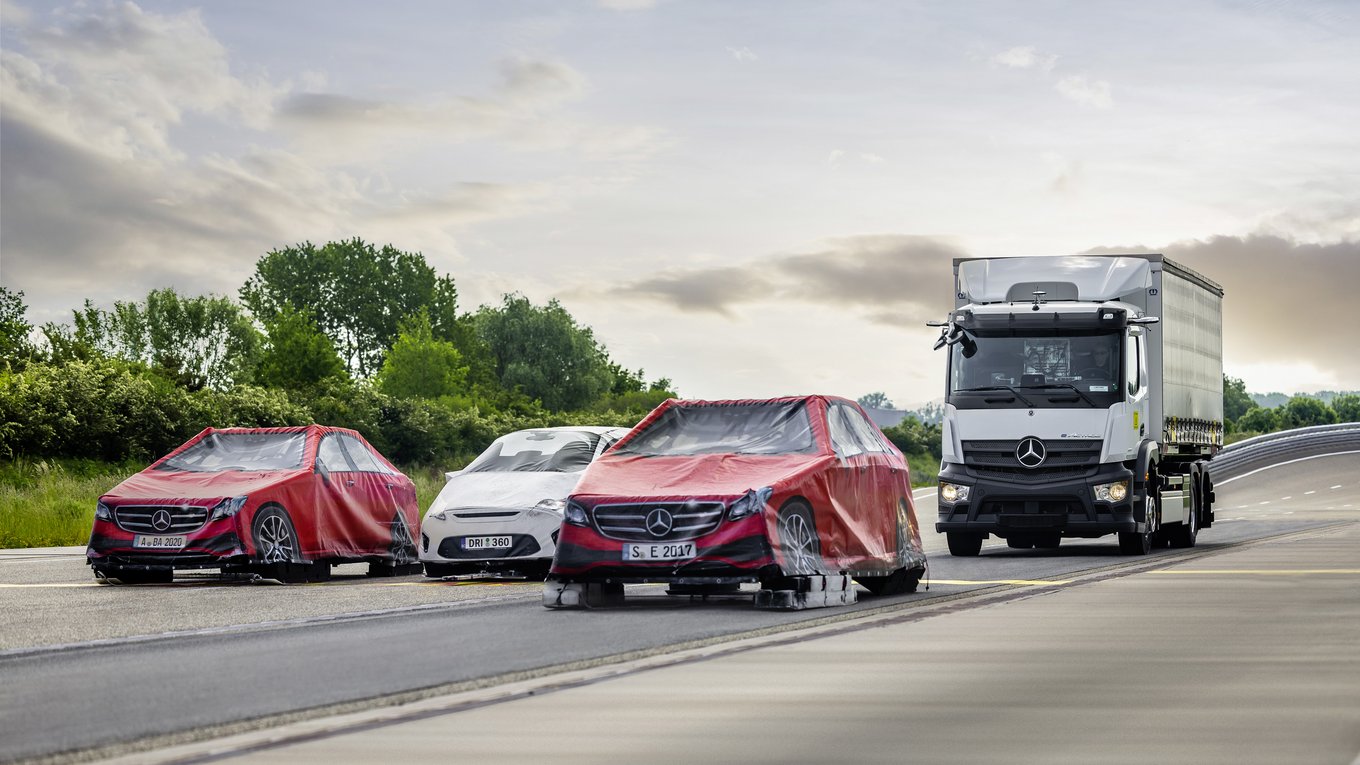
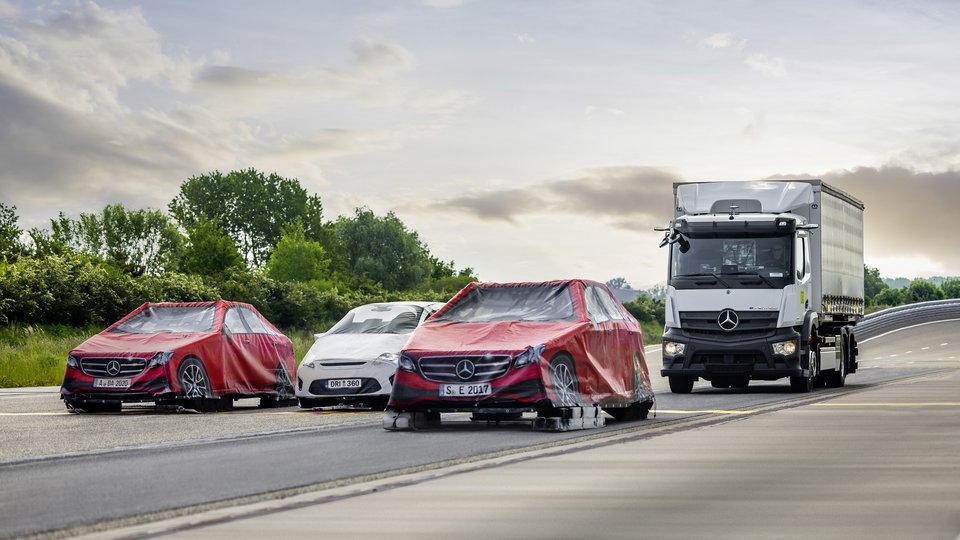
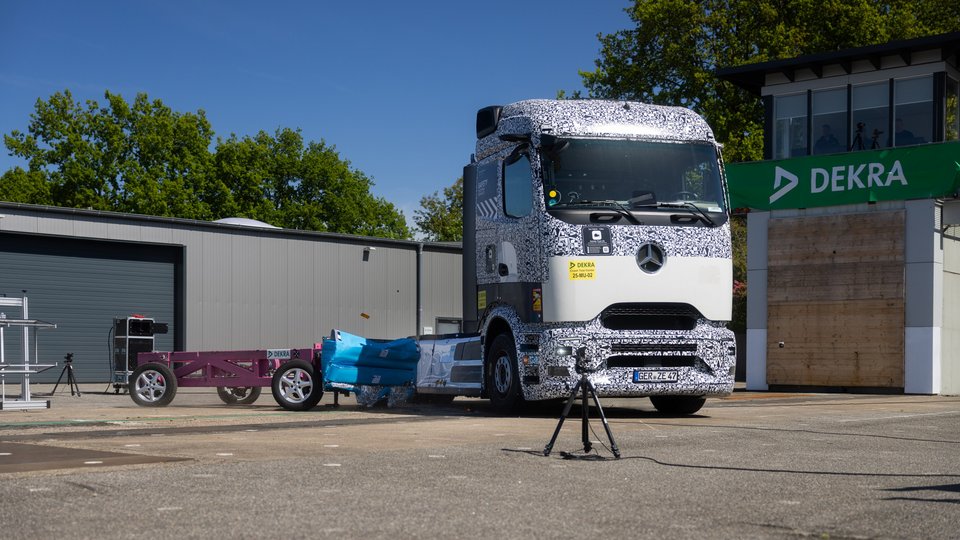
Daimler Truck continuously develops and enhances its active safety systems. New technologies undergo extensive testing before entering the market: between 2020 and the end of 2024, 97 test vehicles were deployed worldwide, covering more than eight million kilometers before first customer use. Additional customer testing ensures not only technical functionality but also real‑world usability
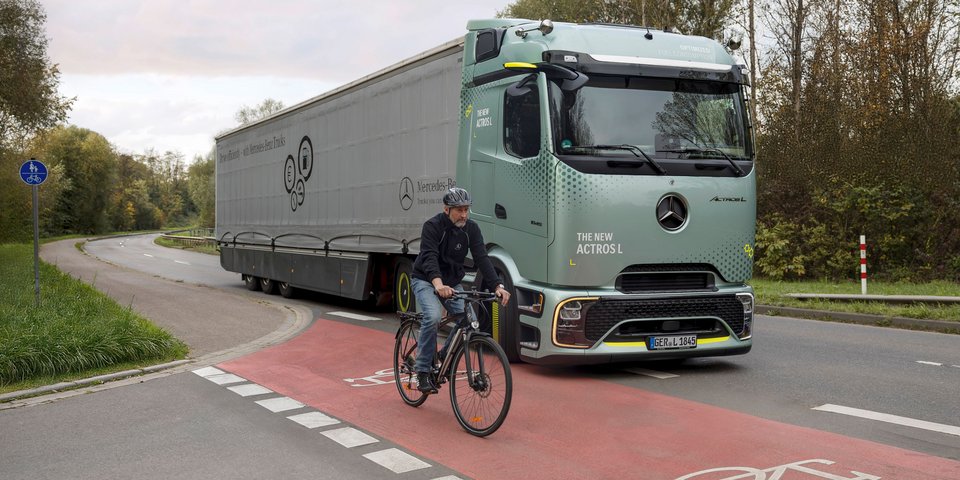
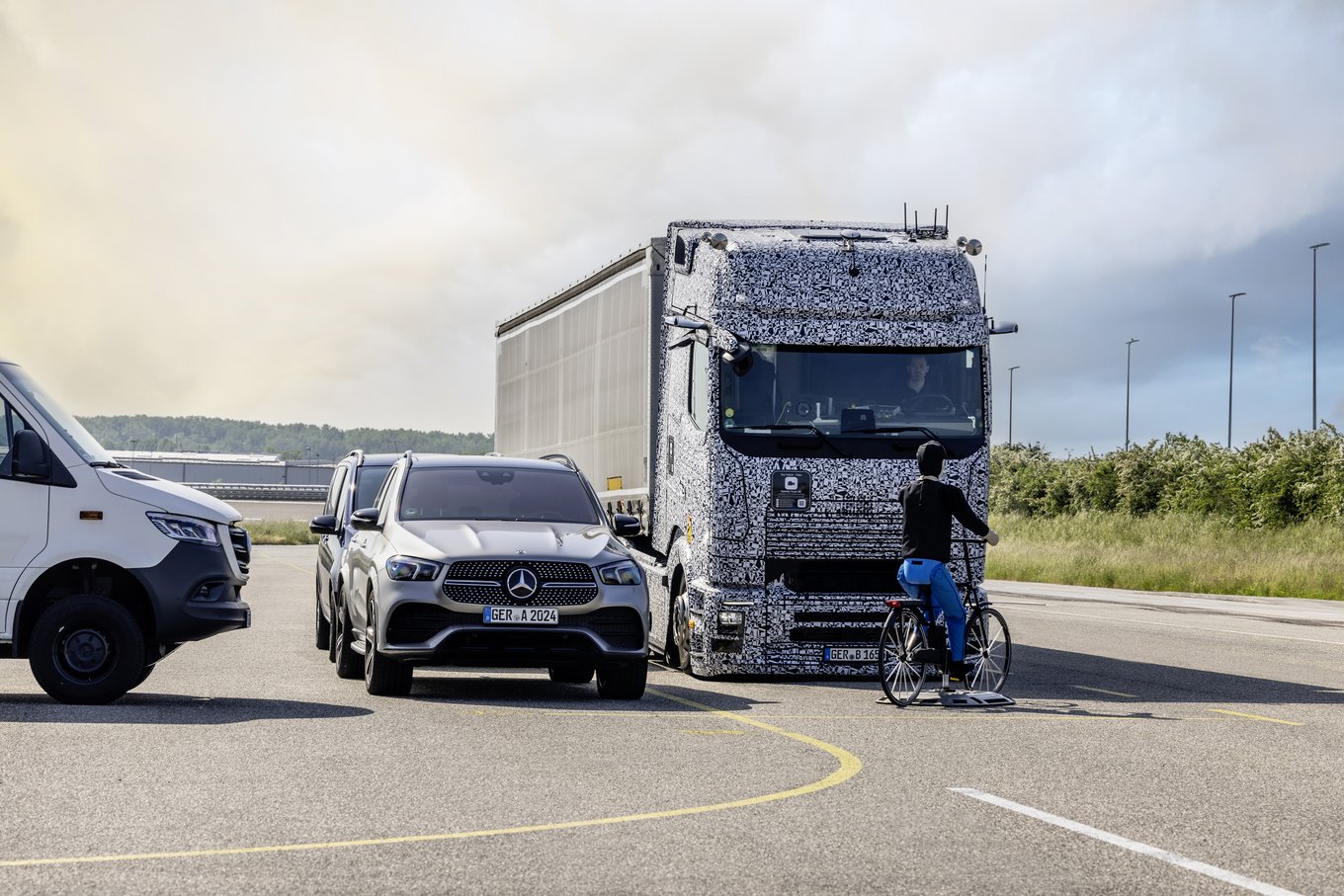
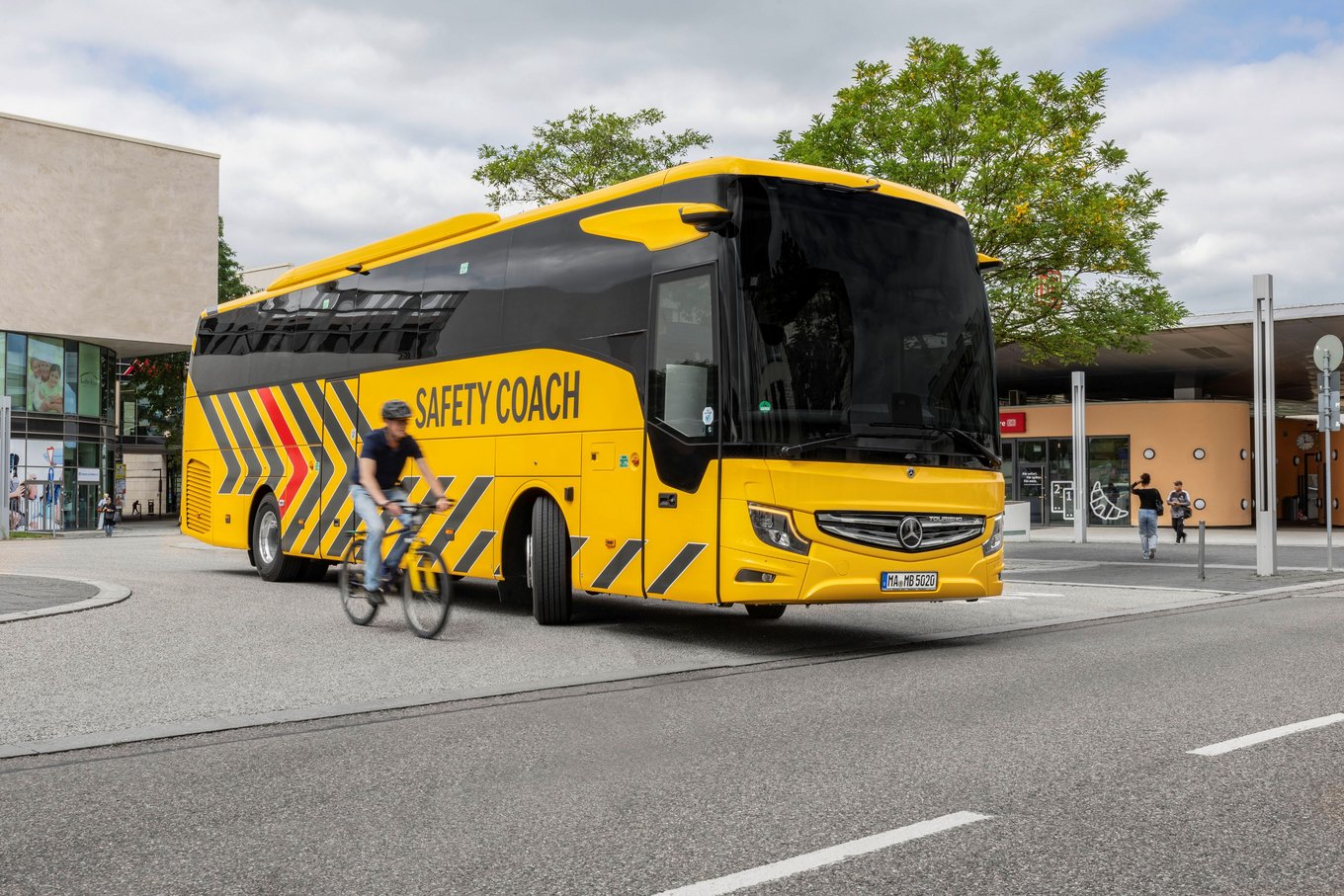
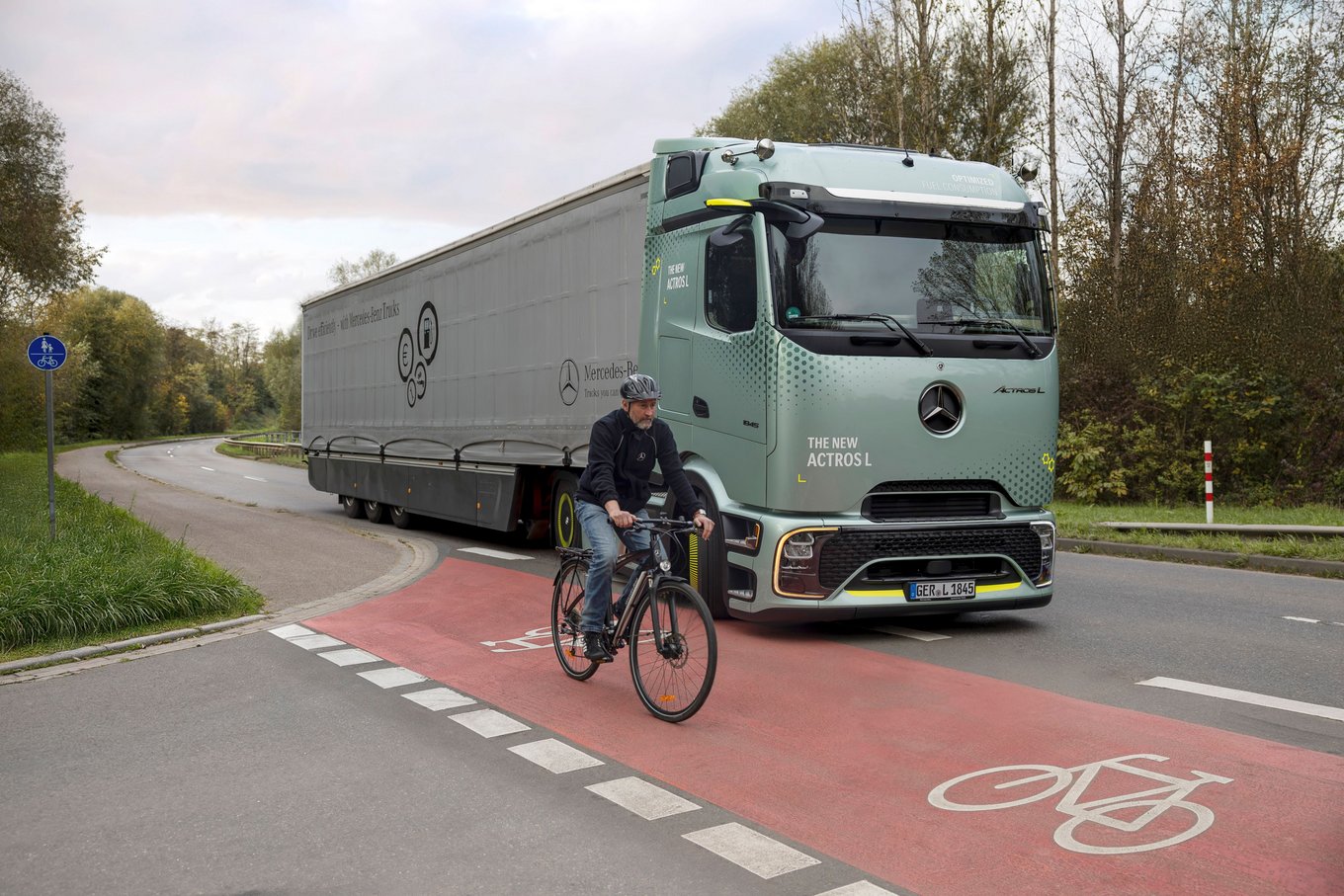
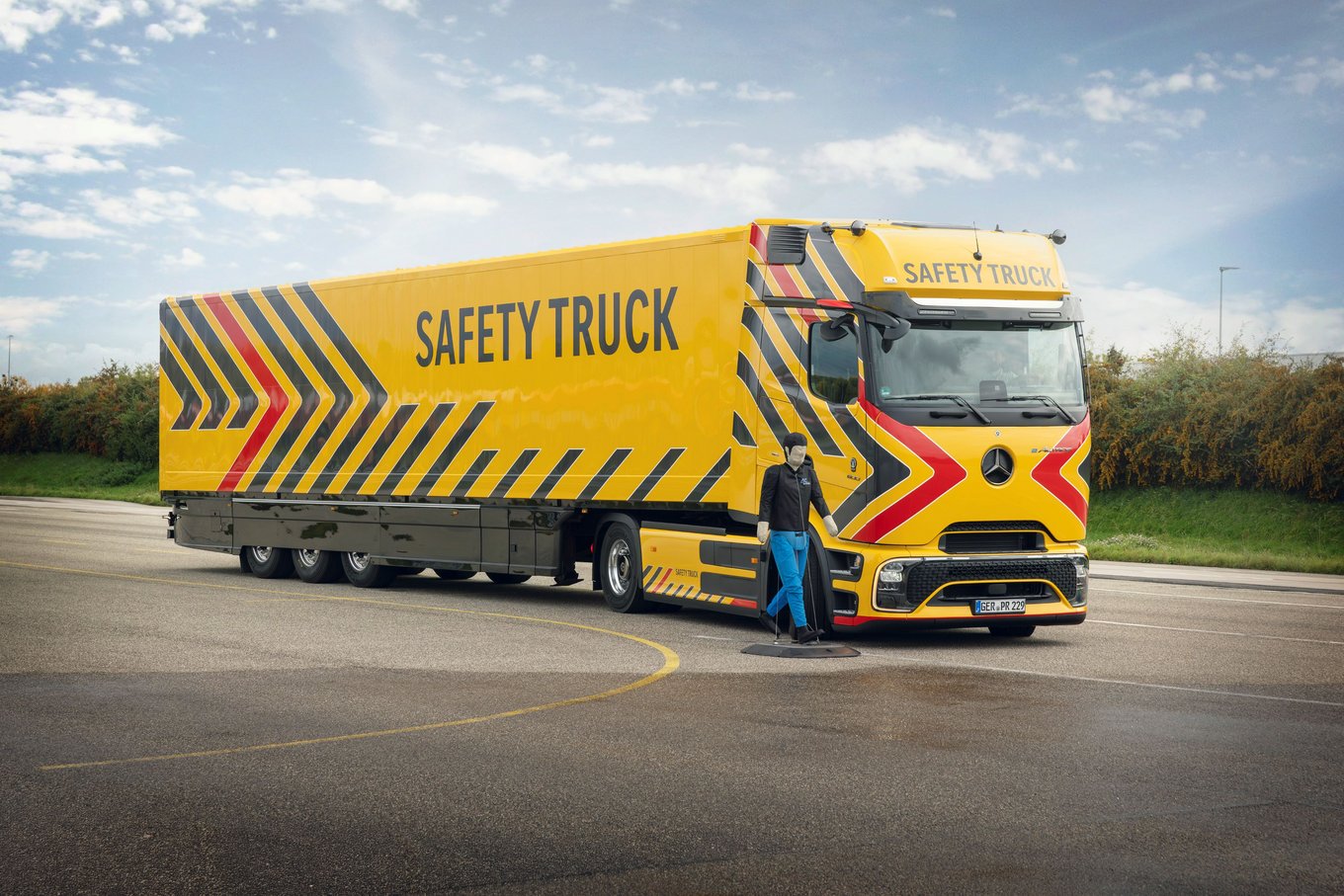
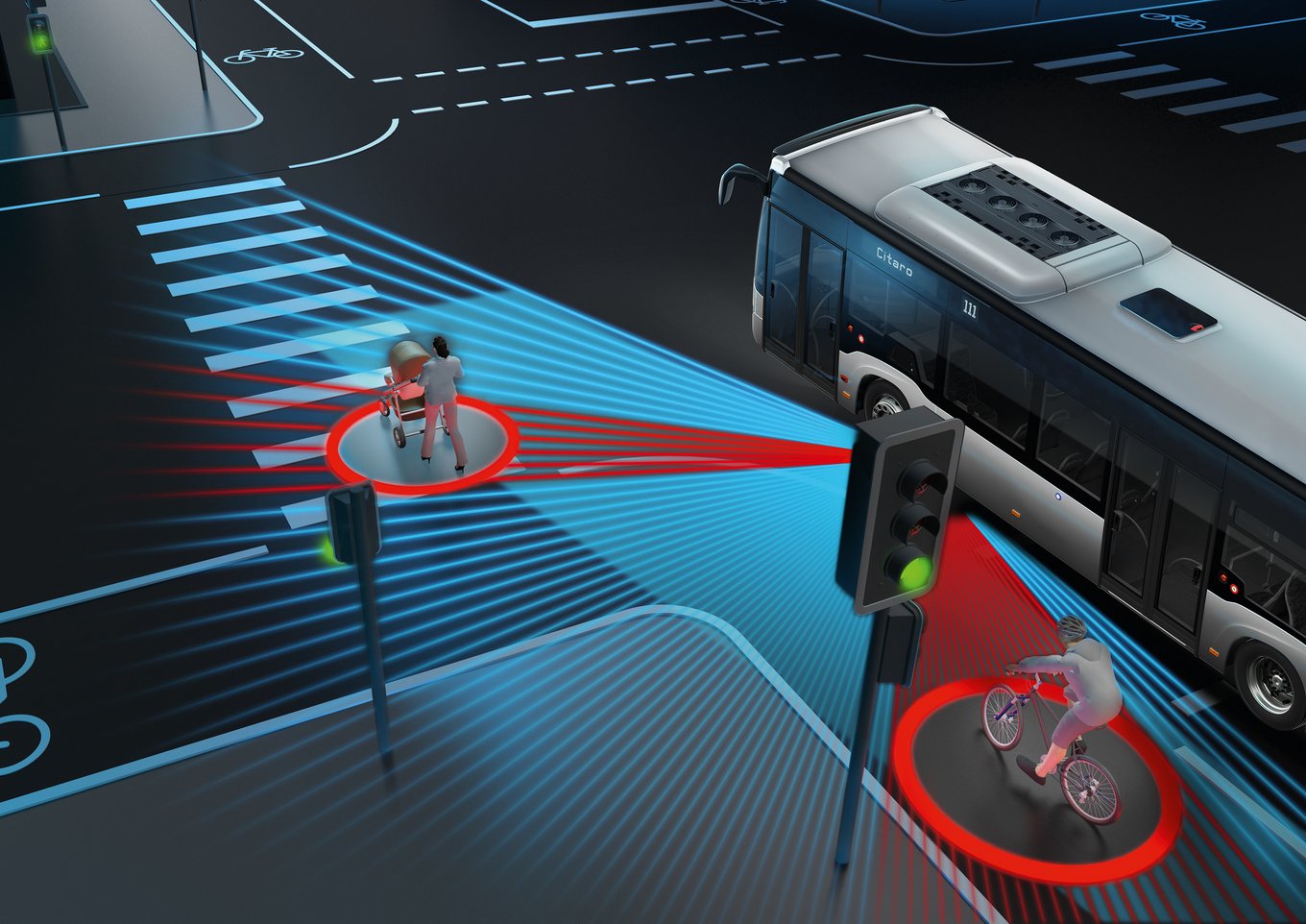
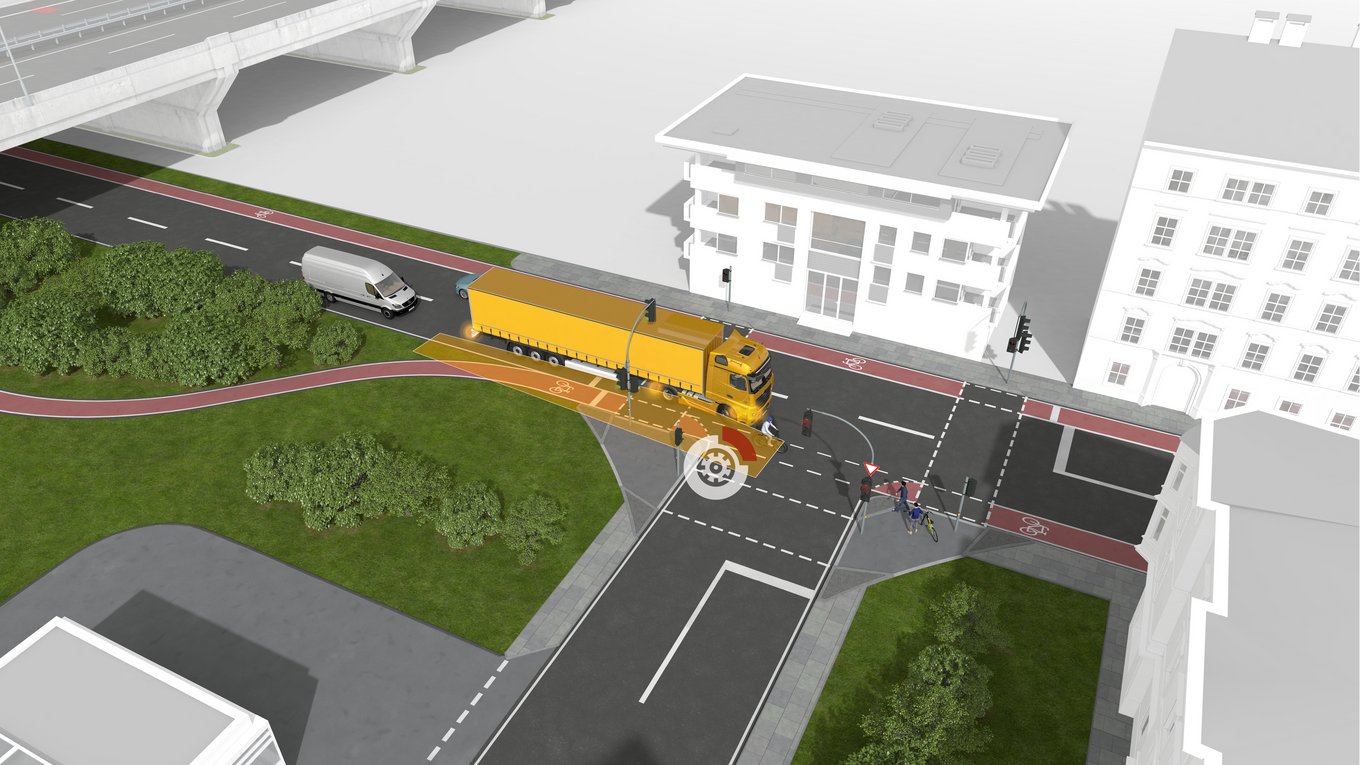
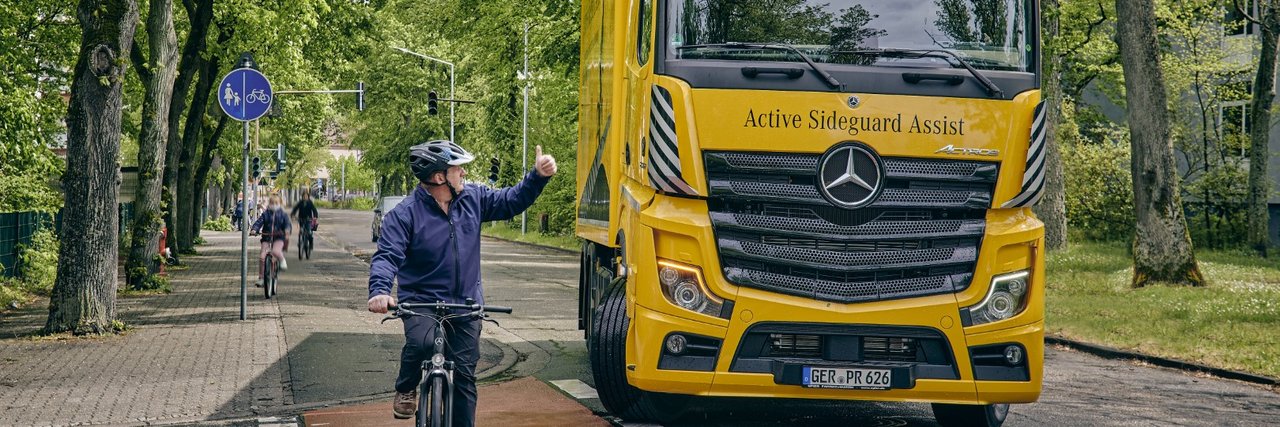
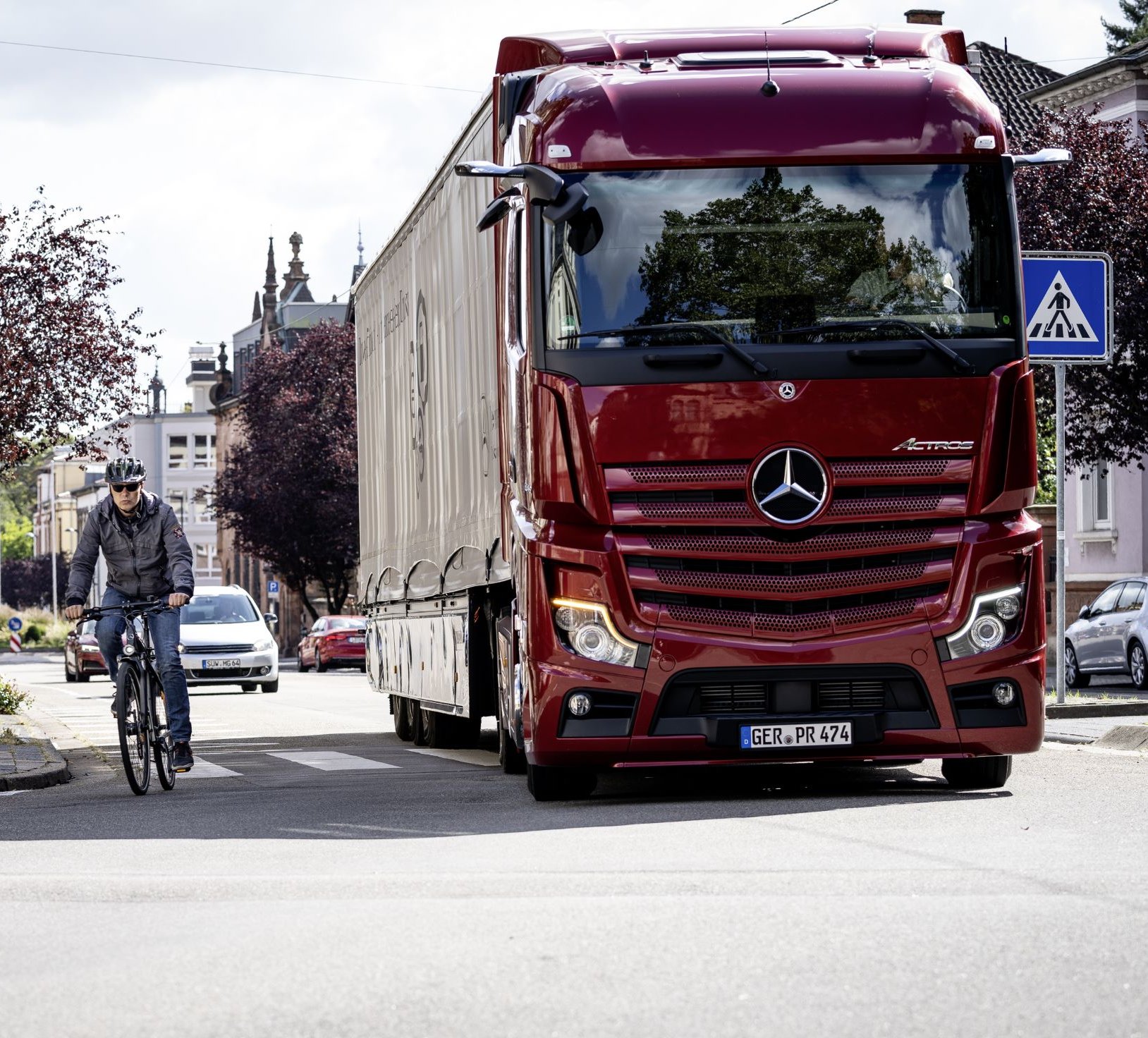
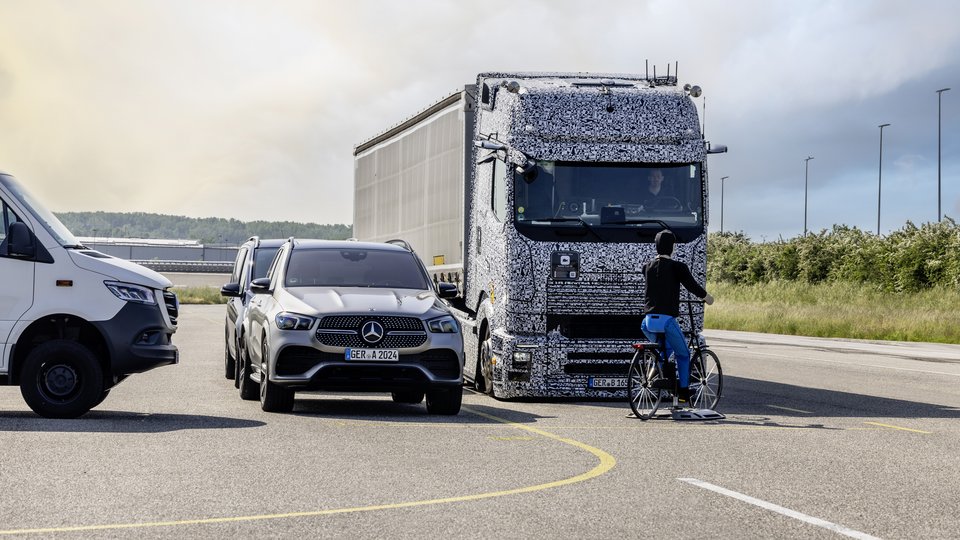
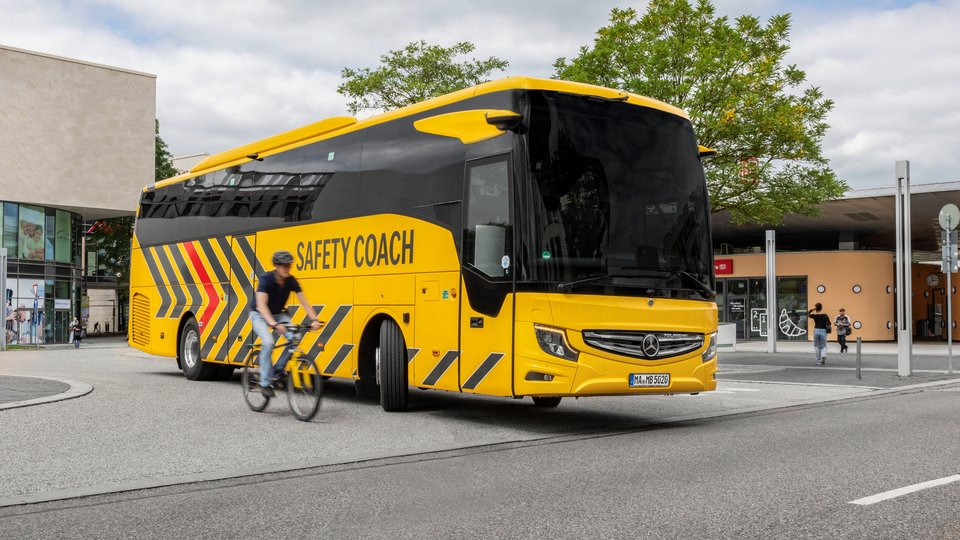
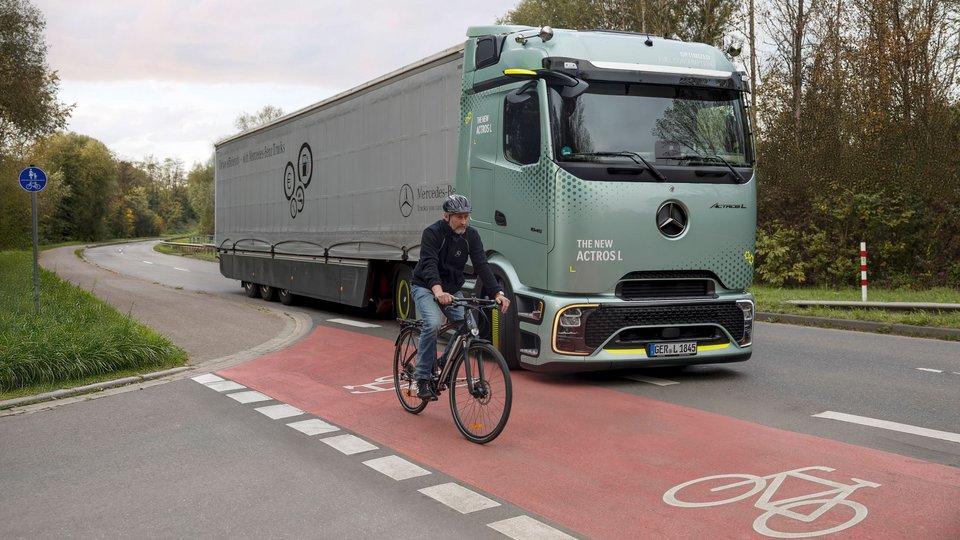
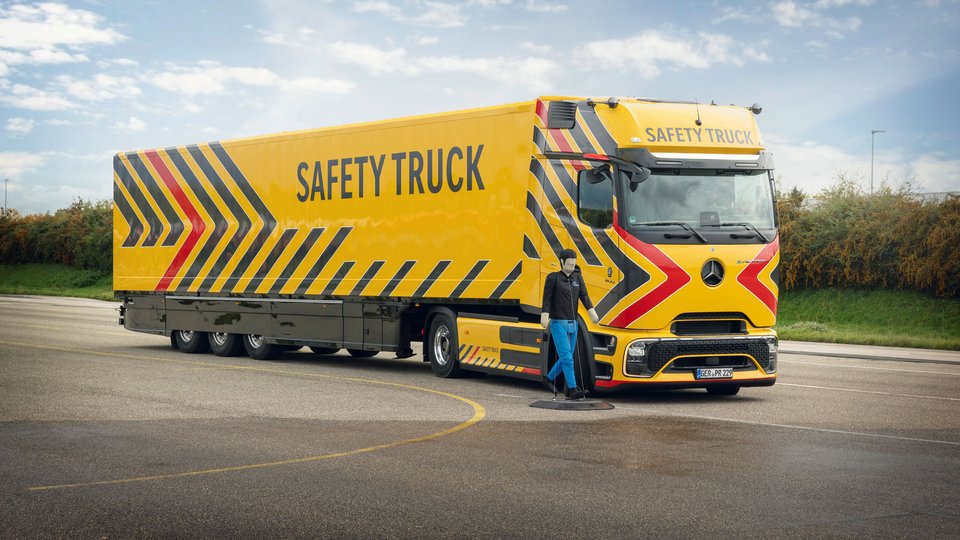
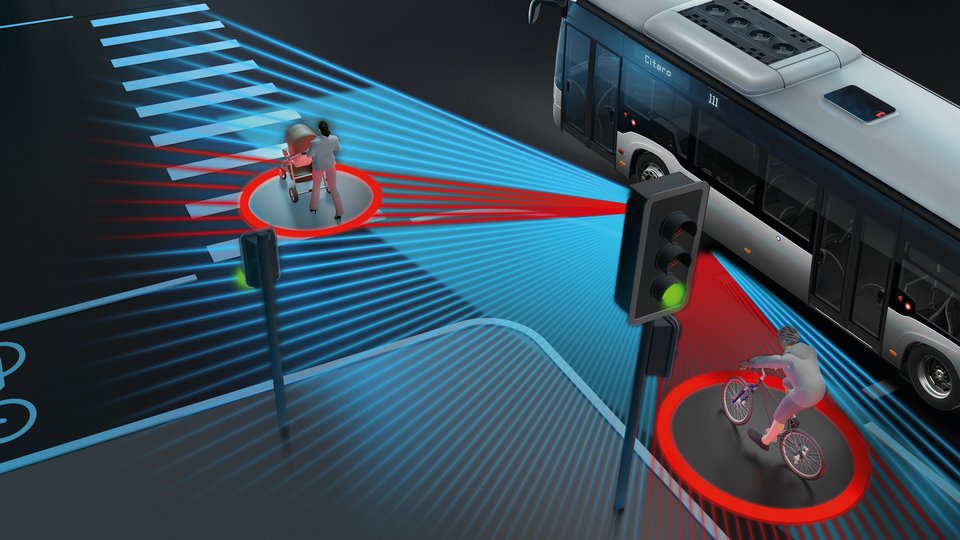
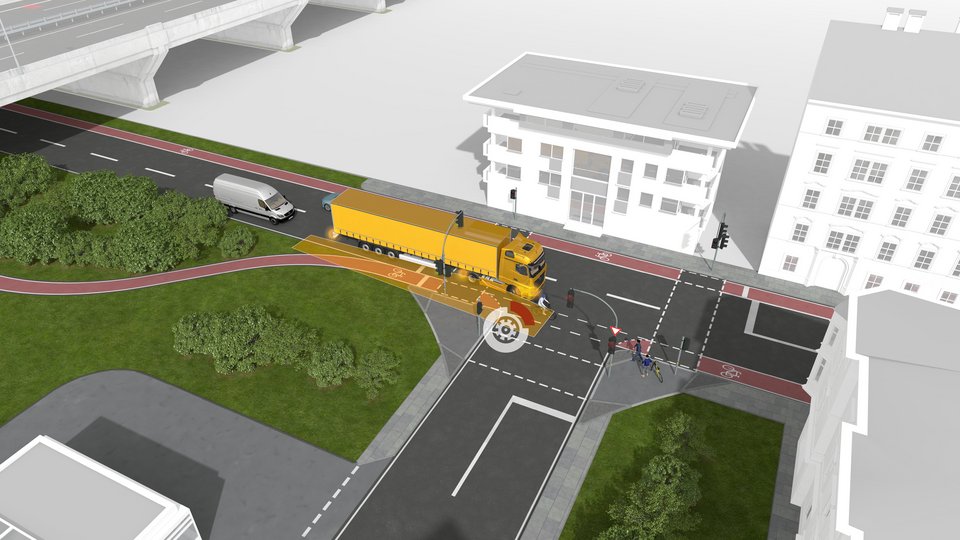
A particular focus lies on protecting vulnerable road users. Brake assistance systems such as Active Brake Assist (trucks) and Preventive Brake Assist (buses) can detect pedestrians and cyclists within system limits and respond accordingly. Active Side Guard Assist supports drivers while turning, helping to avoid collisions with cyclists or mitigate their consequences. Many of these technologies have become established in the market and are now considered industry standards.
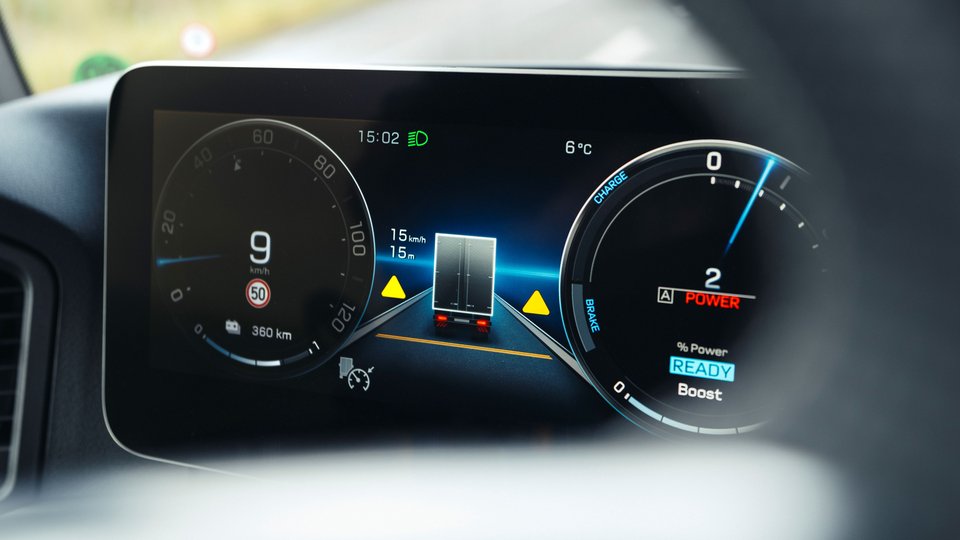
In 2024, Daimler Truck introduced a comprehensively updated Active Safety Package across several series. It meets the European GSR requirements and includes, among other features, a reversing camera and enhanced close‑range monitoring to protect vulnerable road users. Existing systems have also been significantly improved: Active Side Guard Assist 2 now monitors both sides of the vehicle, Active Drive Assist 3 can, depending on configuration, prevent lane changes at higher speeds when other road users are detected, Active Brake Assist 6 responds even more precisely to pedestrians and cyclists, enabled by next‑generation sensors and a more powerful central processing unit.
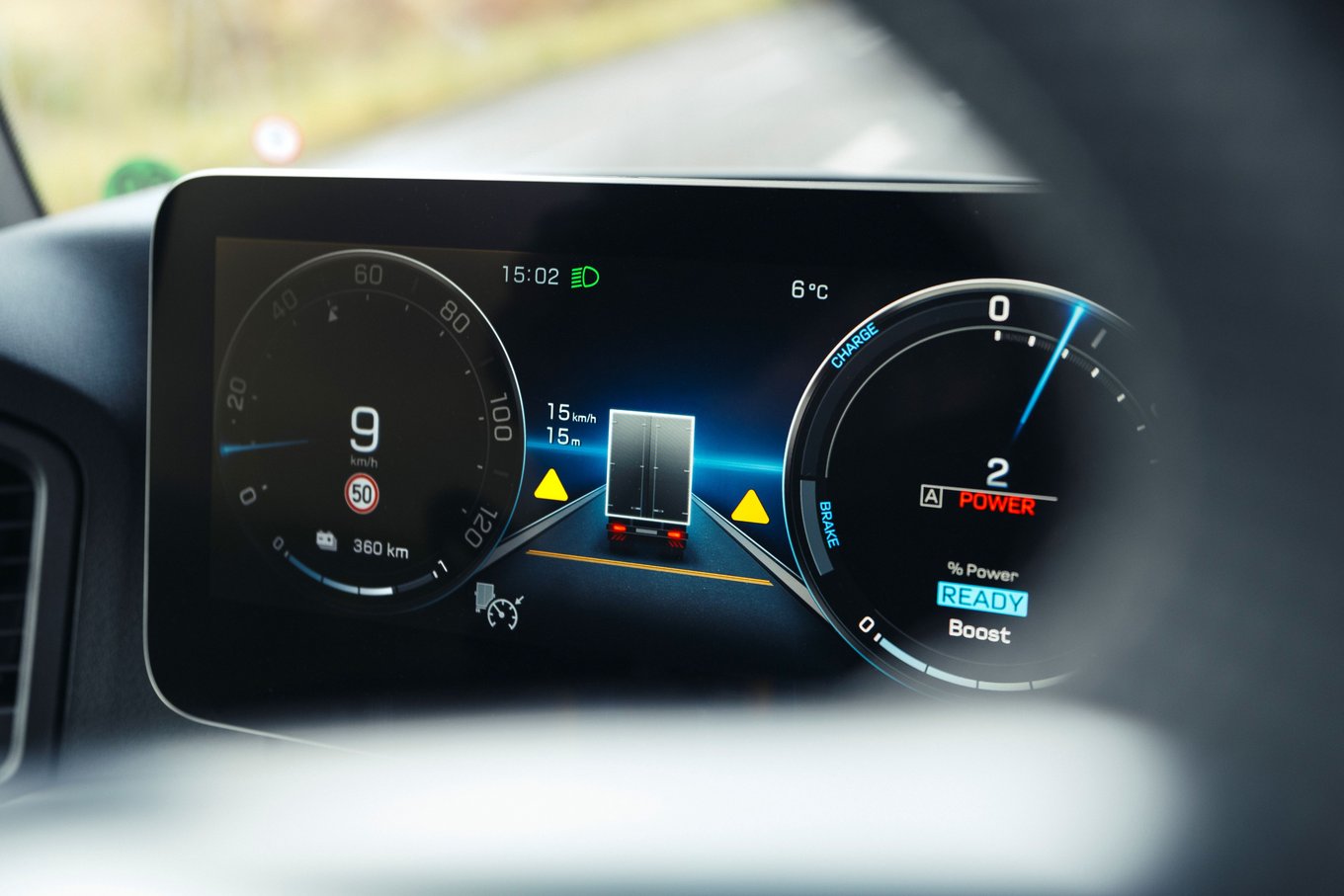
In addition to active safety systems, driver assistance systems support drivers in performing their tasks. They help maintain attention, prevent fatigue, and promote an adaptive driving style – for example through traffic sign recognition, predictive functions, improved all‑around visibility, or intelligent lighting systems.
A further step toward connected safety is the Connected Traffic Warnings system, introduced for the first time in 2024 in the Mercedes-Benz eActros 600. Using mobile‑network‑based Vehicle‑to‑Everything (V2X) communication, it provides early warnings about safety‑critical situations such as traffic jams, heavy rain, temporary roadworks, or stopped vehicles.
Through the continuous advancement of active safety and assistance systems, Daimler Truck pursues one clear goal: making road traffic safer – for everyone who uses our streets every day.
-
Passive Safety
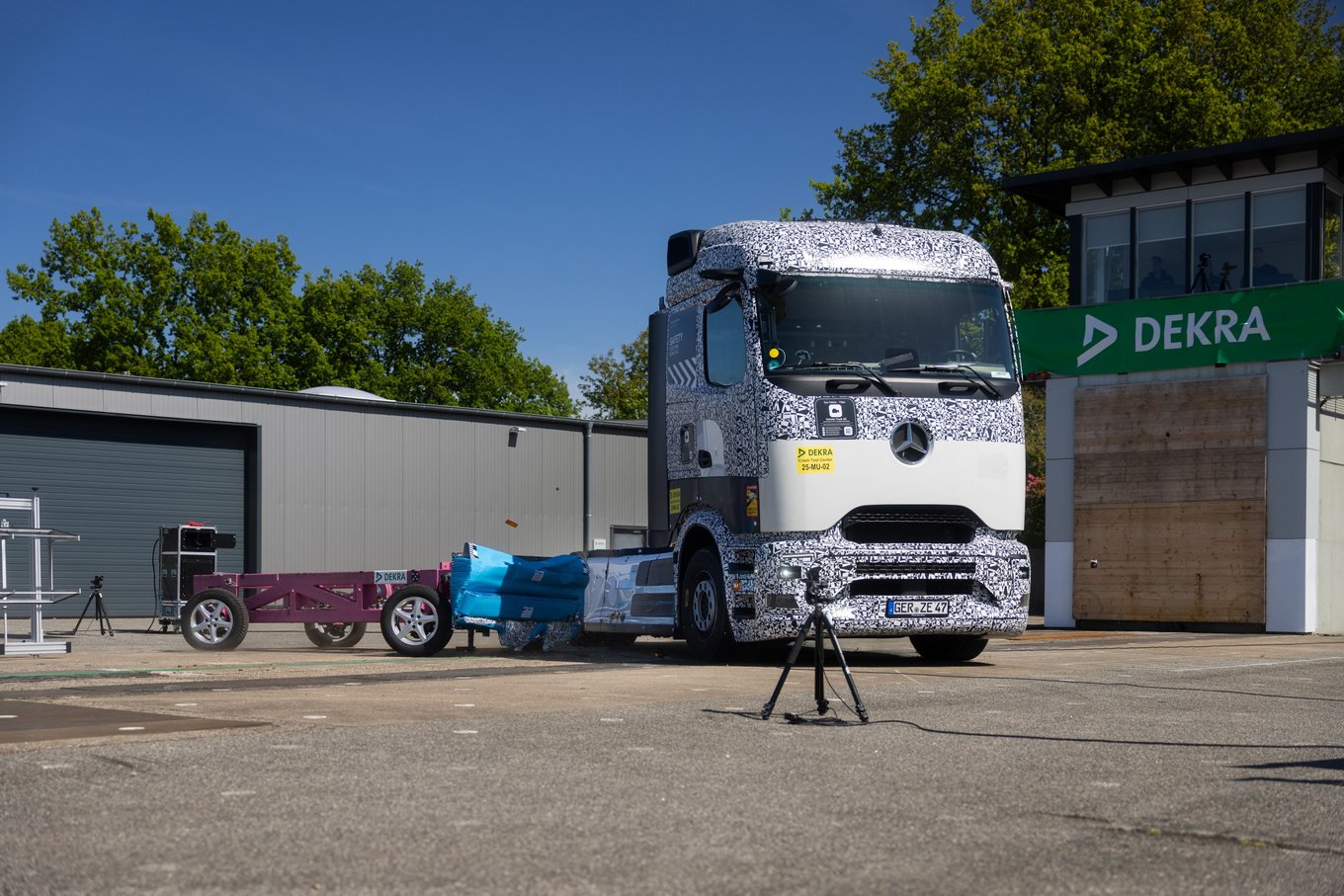
Passive safety systems take effect when, despite all preventive measures, an accident can no longer be avoided. Their purpose is to mitigate the impact of a collision and reduce the risk of injury to drivers, passengers, and other people involved.
At Daimler Truck, passive safety is based on a holistic protection concept. Key elements include active restraint systems such as driver airbags and seat belts with pretensioners. These are complemented by a cab crash design engineered for high rigidity, which absorbs and redirects forces in a controlled manner.
Energy‑absorbing structures further help to reduce the loads acting during an impact. Another priority is minimizing indirect injury risks. This includes the safe design of interior components in the driver’s cab, comprehensive fire protection concepts, and – specifically for vehicles with alternative drive systems – measures such as the automatic shutdown of high‑voltage systems in the event of a crash.
With this integrated approach, Daimler Truck aims to provide a high level of protection even in exceptional situations and to strengthen road safety in a holistic manner.
-
Facilitating Rescue and Recovery
A key aspect of Daimler Truck’s road safety commitment is supporting rescue and recovery teams. Through targeted information and technical measures, we help ensure that assistance can be provided quickly, safely, and effectively after an accident.
Daimler Truck provides rescue services and recovery operators with extensive vehicle‑specific information – such as rescue manuals, rescue cards, and towing and recovery guides. A detailed understanding of the vehicle structure and installed safety systems enables emergency personnel to gain quicker access to injured drivers or passengers and to better assess risks at the scene.
In addition, various vehicle functions support rescue teams immediately after an accident. These include, for example, the automatic activation of hazard warning lights to secure the accident site and the automatic unlocking of the central locking system after a detected collision.
To protect emergency personnel and other road users, our vehicles are also equipped with safety‑relevant technical features. These include high‑voltage rescue disconnect points, automatic crash detection, and the shutdown of high‑voltage systems in vehicles with alternative drives.
Through this combination of information, technology, and system expertise, Daimler Truck makes an important contribution to improving rescue and recovery operations – and to gaining valuable time when it is needed most.
-
Autonomous Driving for Enhanced Road Safety
Autonomous driving has the potential to make road traffic significantly safer. Daimler Truck is developing autonomous SAE Level 4 trucks designed for driverless operation in defined use cases while meeting the highest safety requirements. The goal is to enter the U.S. market starting in 2027.
Safety is the top priority in the development of autonomous vehicle systems. Driver assistance and safety systems serve as key enablers on the path toward autonomous driving and already contribute significantly to avoiding accidents today. Autonomous systems can also eliminate human risk factors such as fatigue or inattention, further reducing the likelihood of accidents.
A central component is the “autonomous‑ready” Freightliner Cascadia, based on Freightliner’s flagship model. Safety‑critical functions such as steering and braking are redundantly designed and available in duplicate. The systems are continuously monitored, allowing the vehicle to continue operating in a controlled and largely safe manner even in the event of malfunctions. This prepares the Cascadia for the integration of autonomous software, hardware, and high‑performance computing systems.
The redundancy of safety‑critical systems is a decisive step toward accident‑free driving. It increases road safety and provides the foundation for the reliable operation of autonomous trucks.
Since acquiring a majority stake in TORC Robotics, Inc. in 2019, Daimler Truck has been consistently advancing autonomous driving. It has already been successfully demonstrated that autonomous operation on U.S. highways – including on‑ and off‑ramps – is safe and feasible.
Beyond safety benefits, autonomous trucks can help manage growing transport volumes, increase freight efficiency, and support customers in addressing the rising shortage of drivers. Daimler Truck therefore views autonomous driving as an essential element of safe, efficient, and future‑ready mobility.



Our Ambitions at a Glance
- We pursue “Vision Zero” – our goal is zero accidents involving our trucks and buses.
- In our core markets of Europe and the U.S. we aim to equip at least 80% of delivered vehicles with active safety assistance systems by 2030 – exceeding legal requirements in terms of both performance and application scope.
- Starting in 2027, we aim to bring autonomous trucks to the U.S. market.