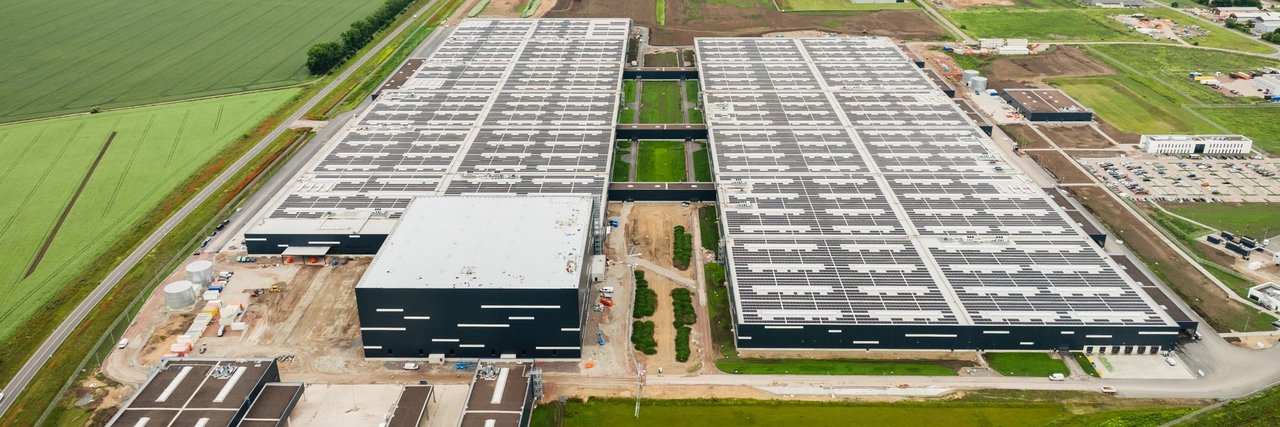
Environmental protection and systematic environmental management are firmly embedded in our business activities – from product development and manufacturing to the supply chain. We reduce the consumption of water, promote biodiversity, and continue to work on further reducing pollutant emissions. The foundation for this is provided by internationally recognized environmental management systems as well as our Group-wide initiative “Green Production 2030”, through which we pursue concrete goals worldwide and have already made the following progress.
Environmental Protection at Daimler Truck

¹ For information on the calculation methodology and the definition of relevant production sites, please refer to the ESG Factbook FY 2025.
Environmental Impacts of Our Vehicles
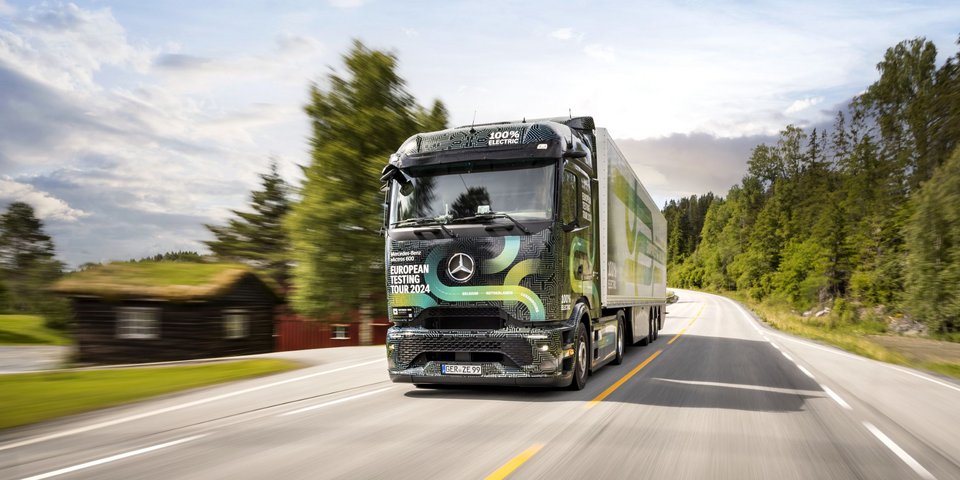
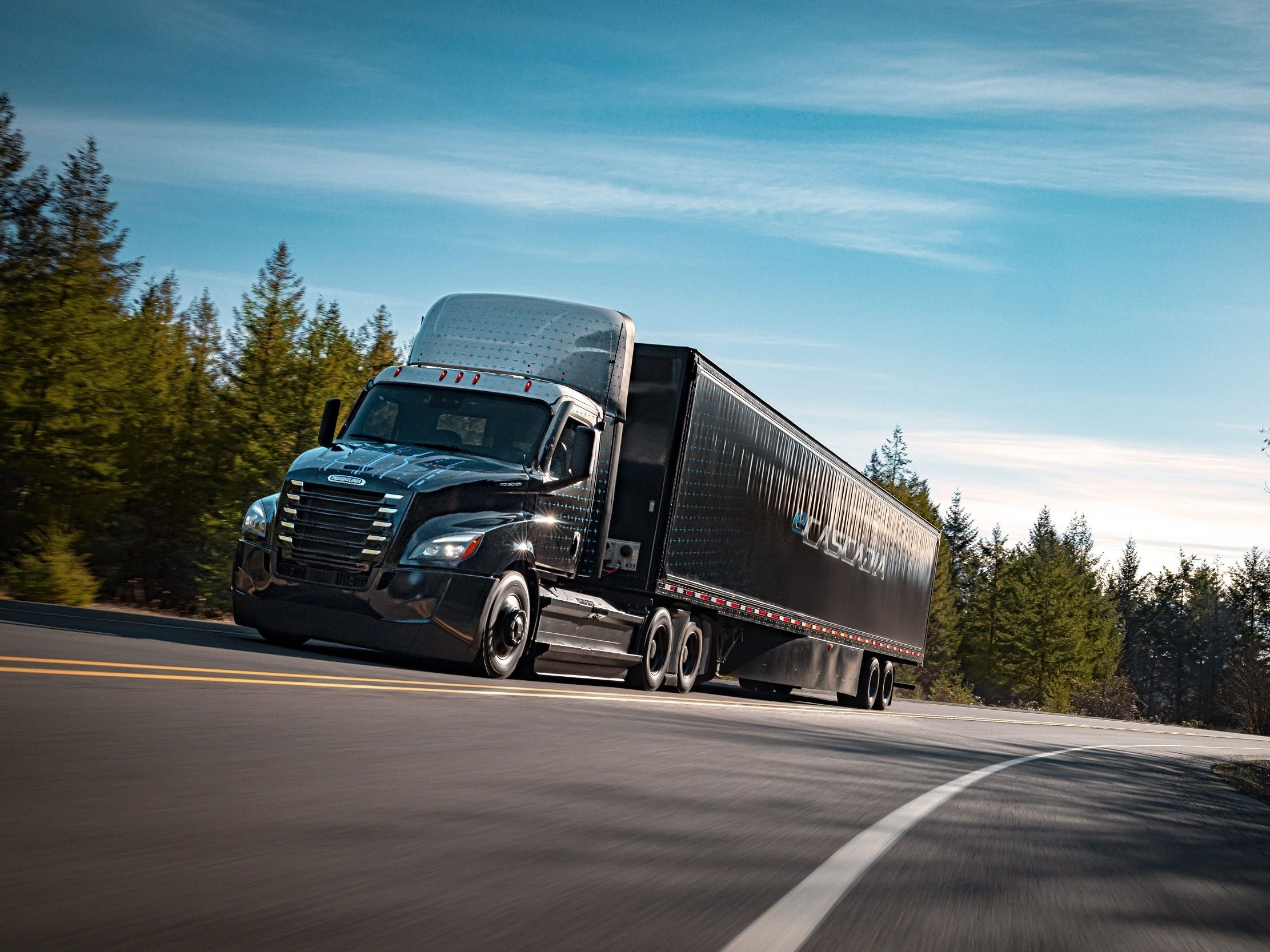
In addition to CO₂e emissions, which we address under climate protection, the operation of our vehicles generates further emissions – such as nitrogen oxides (NOₓ), particulate matter, and volatile organic compounds. We comply with applicable emission standards and invest specifically in innovations to further reduce air pollution.
A key instrument is our environmental reporting embedded in the development process: for each vehicle series and powertrain variant, we define target values for fuel consumption and pollutant emissions in our development processes, which serve as our benchmark.

Environmental Management in Production
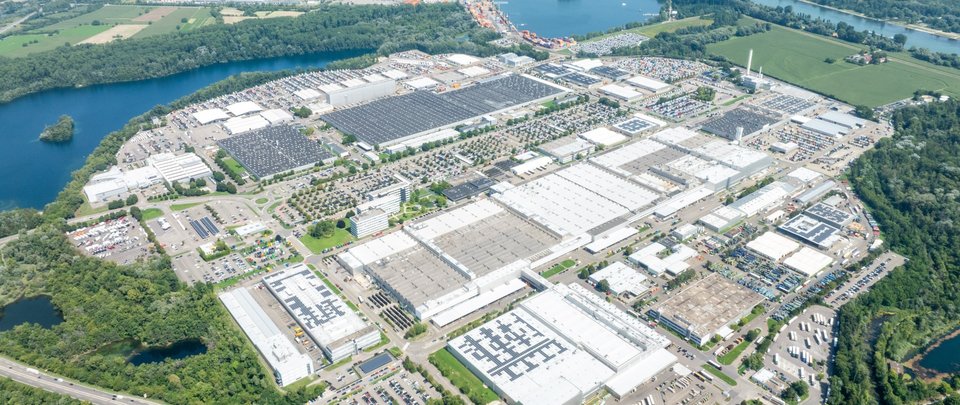
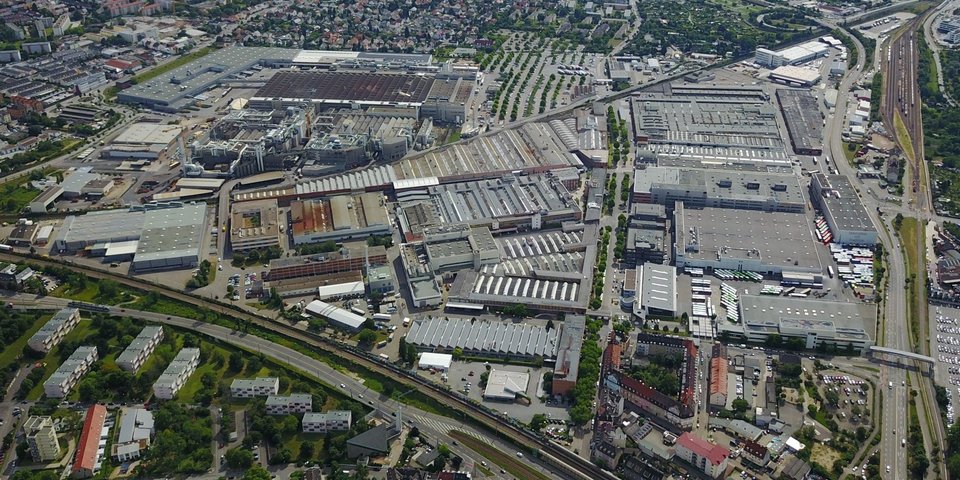
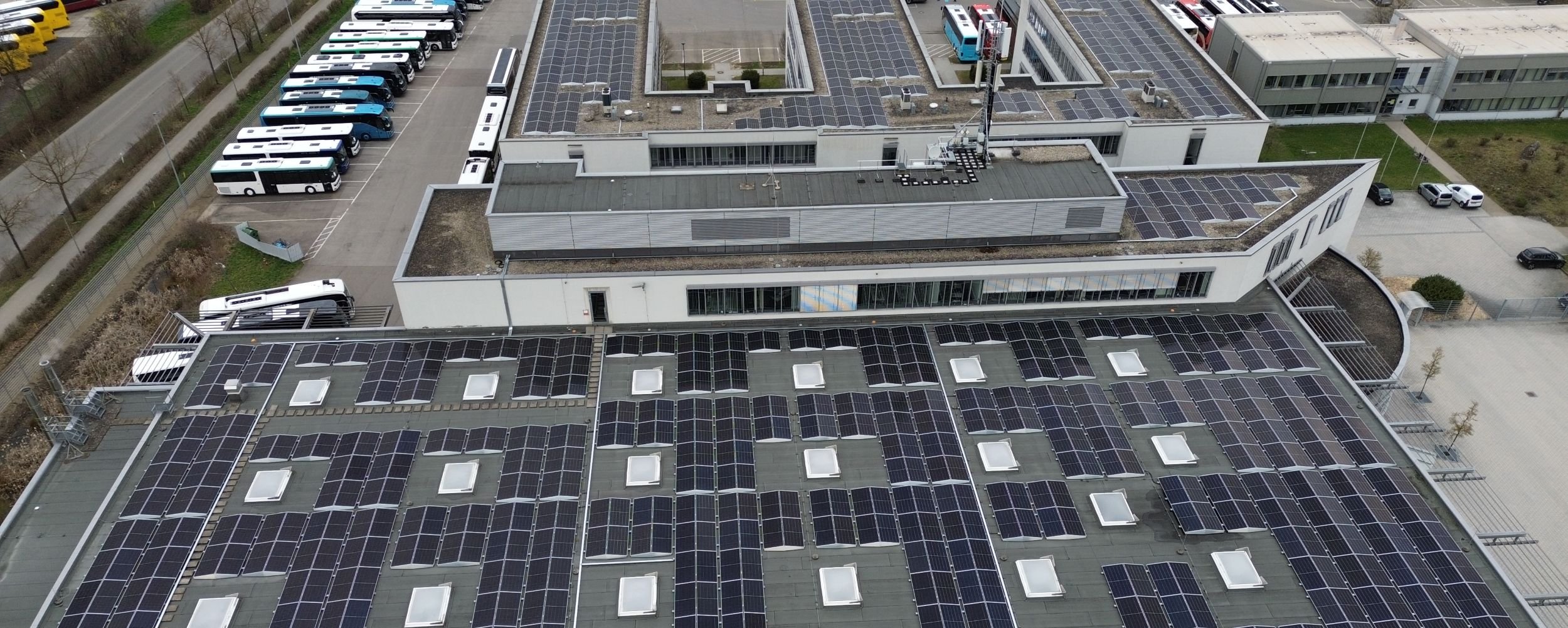
At our production sites, we apply environmental management systems in accordance with ISO 14001 and EMAS, which are reviewed and certified by external auditors every three years. Already 93%² of our relevant sites – including production plants, development centers, and test tracks – are certified to ISO 14001. In addition, we have implemented energy management systems in line with ISO 50001 across many of our locations. These standards are an integral part of our environmental management strategy. Their effectiveness is regularly confirmed through external audits. In this way, environmental protection is embedded in our production processes – and continuously improved.
Since 1999, we have applied the method of Environmental Due Diligence across the Group in order to identify, assess, and avoid potential environmental risks at an early stage. Every five years, our production sites undergo a standardized evaluation process. In addition, we conduct annual reviews to verify whether recommended measures have been implemented. Around 20% of our 42 relevant sites worldwide undergo an in-depth review each year. In this way, we lay the foundation for responsible environmental management across our company.
² For information on the calculation methodology, please refer to the ESG Factbook FY 2025.
Responsible Use of Resources in Production
-
Reduction of Water Consumption
As part of our “Green Production 2030” initiative, we have set ourselves a clear target: by 2030, the measures are intended to result in a permanent reduction in water consumption in our production operations of 423,000 m³ per year compared with the reference scenario.³
To achieve this, we rely on innovative approaches in production: we close water loops, improve the water efficiency of our processes, and increasingly use rainwater. In this way, we promote multiple uses and gradually reduce the demand for freshwater.
One example is our plant in Chennai, India. Almost no wastewater is discharged into the sewer system or into natural water bodies. Instead, water used in production is treated in our own facility and reused – for operations, sanitary facilities, and the irrigation of green areas. Rainwater is also collected in reservoirs and treated using filtration systems.
At several sites – including Woerth and Aksaray – we rely on separate sewer systems. These systems treat rainwater and sanitary wastewater separately, thereby reducing the burden on municipal wastewater treatment plants. Rainwater is not unnecessarily directed to wastewater treatment but instead remains part of the natural water cycle. This can help increase the efficiency of wastewater treatment. At the same time, it can contribute to reducing energy consumption and conserving resources.
Once a year, we assess water-related risks at all of our production sites worldwide. This creates transparency around our water use and provides insights for strategic planning. The results are incorporated into corporate and site development activities, help us identify measures to improve water efficiency, and enable us to identify and mitigate risks related to water scarcity, flooding, and water quality issues at an early stage.
-
Protecting Biodiversity
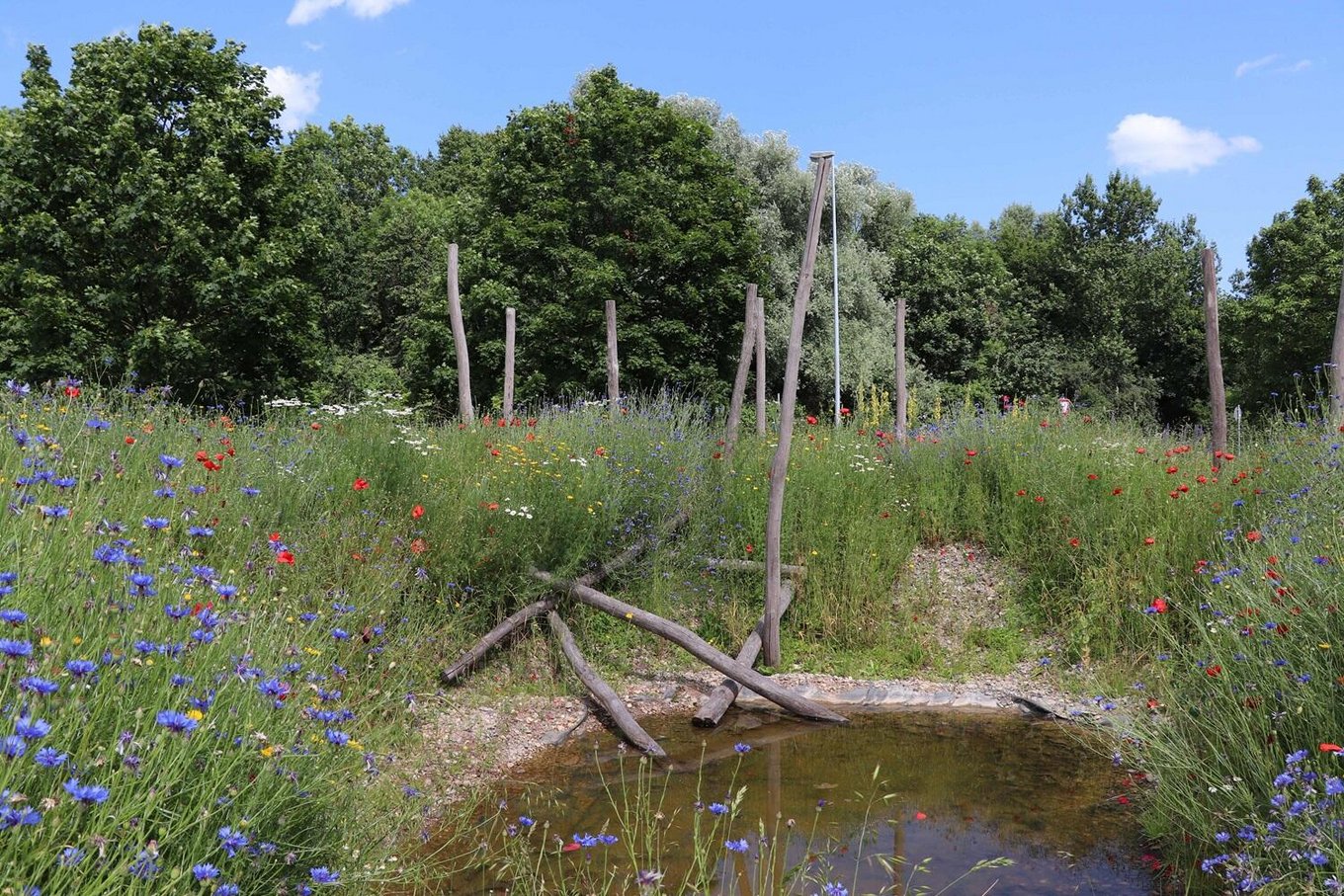
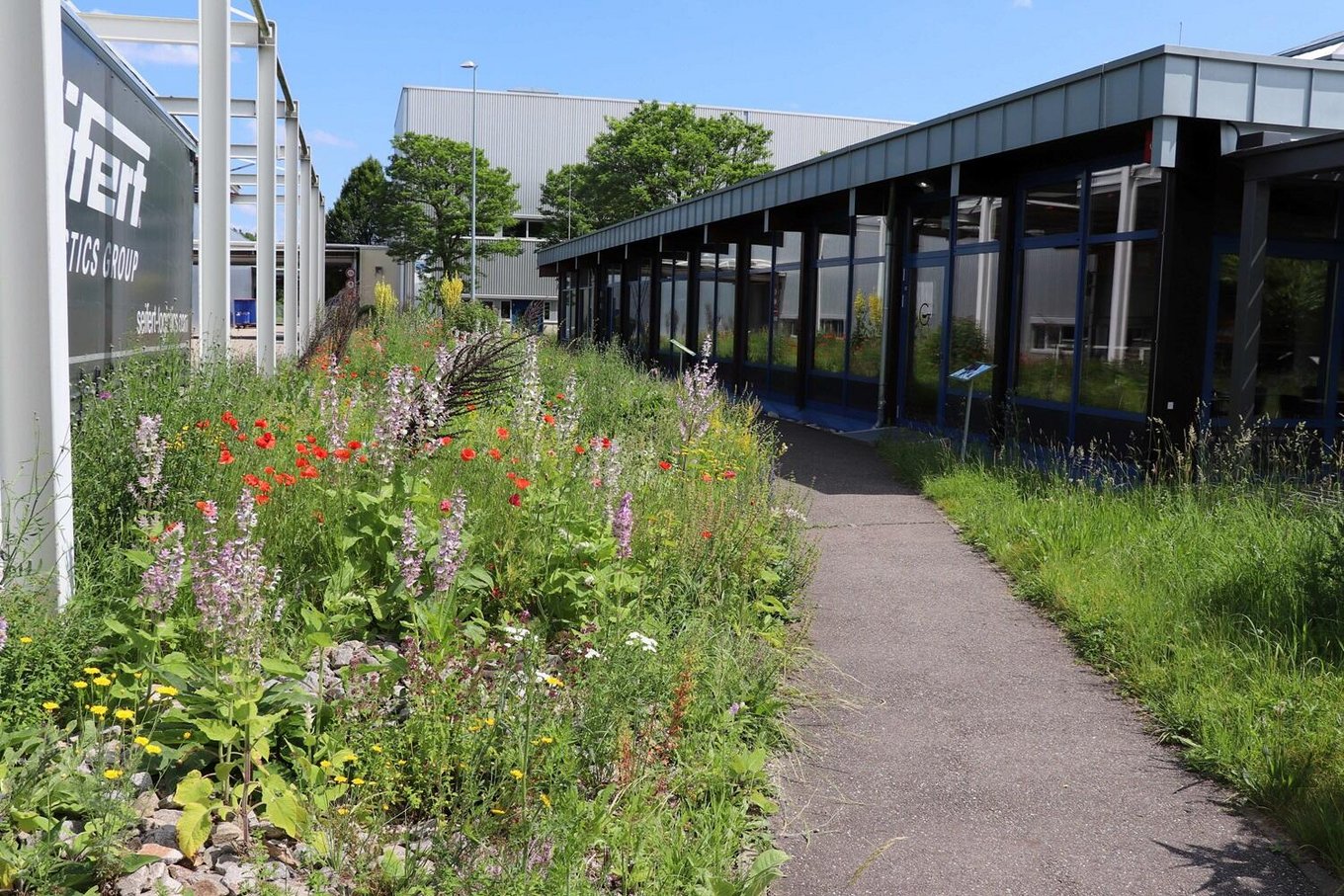
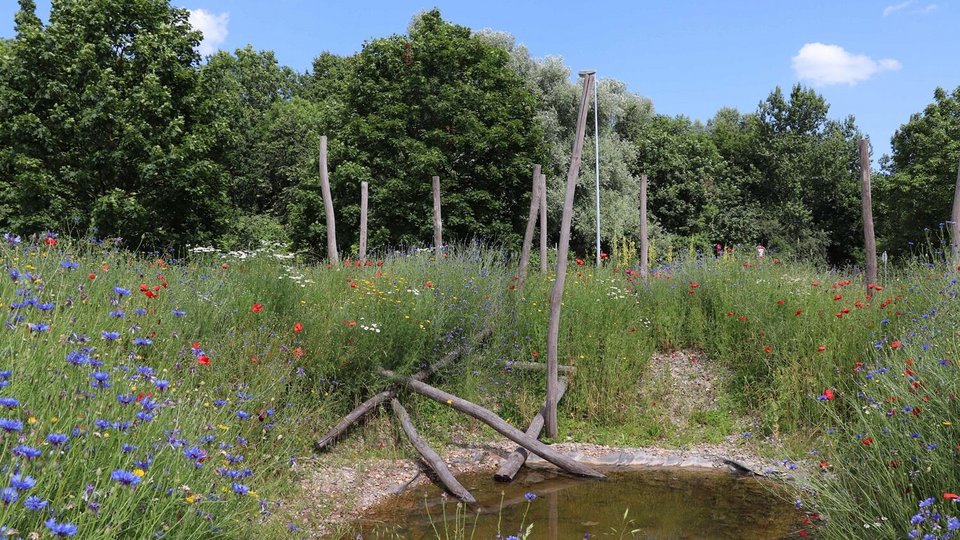
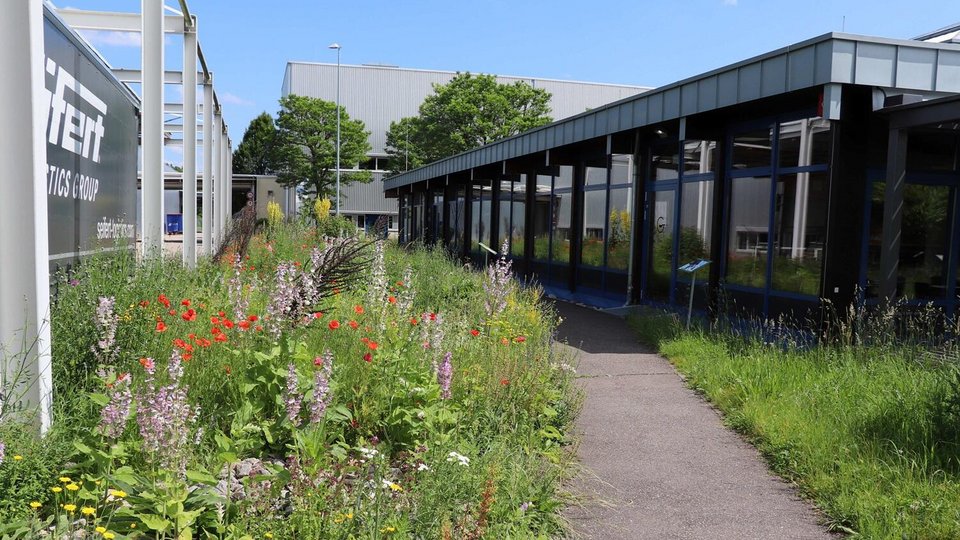
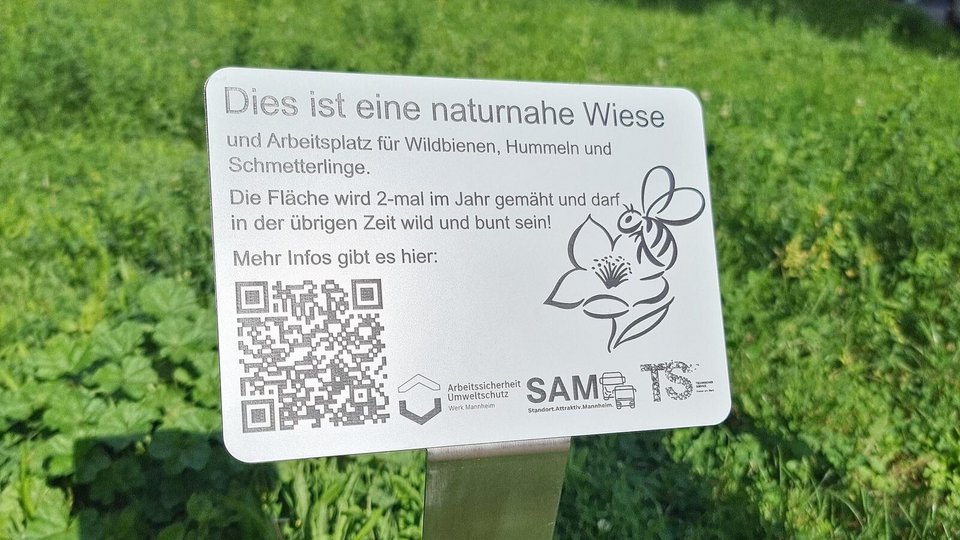
Protecting biodiversity is also a key element of our environmental commitment. At our production sites, we promote nature-oriented green spaces and support projects that strengthen biodiversity and preserve habitats. We support our sites with recommendations for action, guidelines, and opportunities to exchange knowledge in working groups – from the initial idea to implementation. In doing so, we work closely with experienced nature conservation organizations.
To further advance our activities aimed at promoting biodiversity at our sites, we have developed our own Biodiversity Index. This tool enables us to assess the ecological quality of our areas and derive appropriate measures. Initially introduced in Germany, the index will also be applied internationally in the future.
It is particularly important to us to raise awareness of the importance of biodiversity among our employees. Through participatory campaigns and internal projects, we create opportunities to engage with nature – and demonstrate how everyone can contribute to protecting biodiversity.



Environmental Management in the Supply Chain
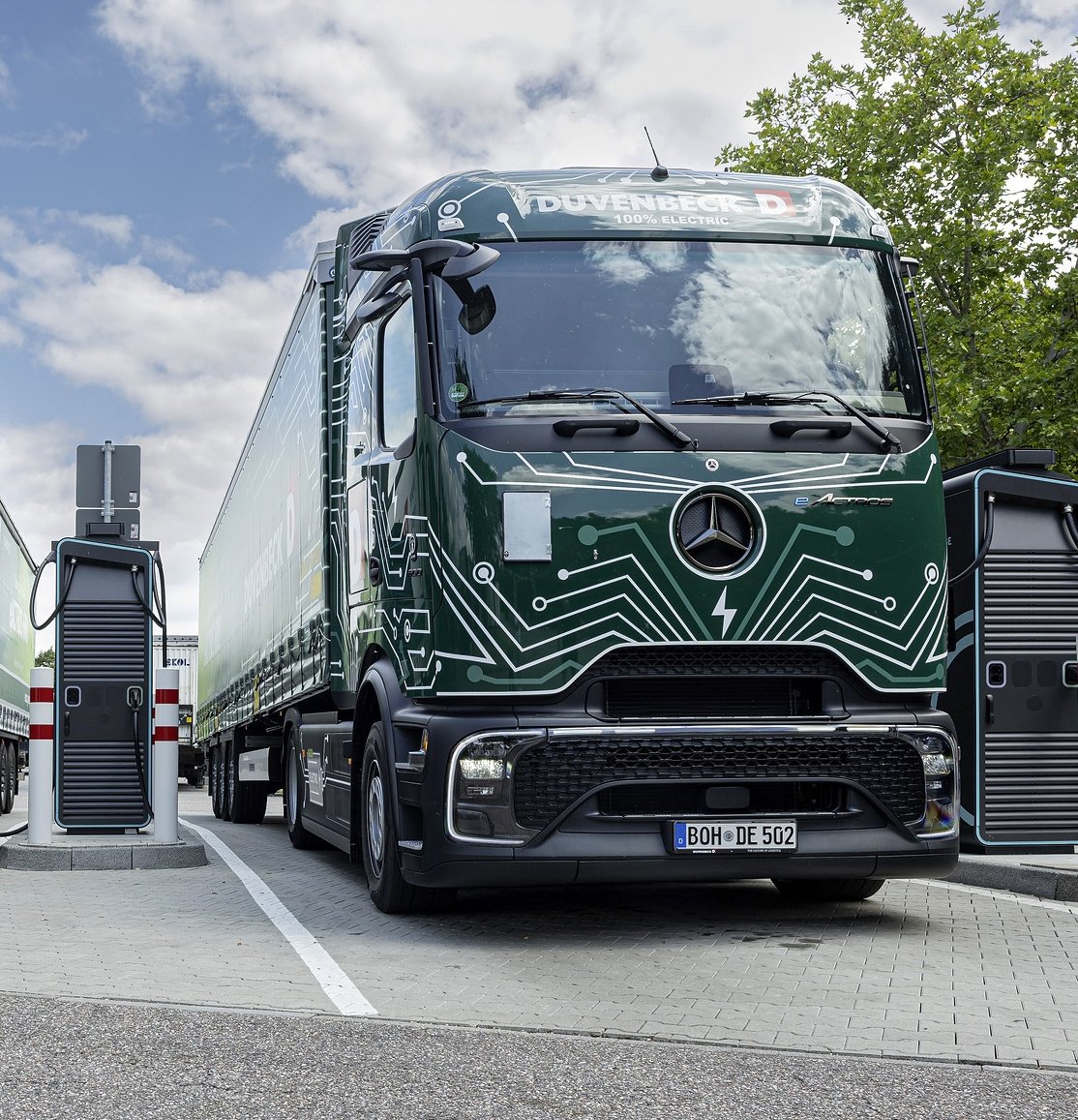
For us, environmental protection does not end at the factory gate – it is also an integral part of our collaboration with suppliers. That is why we make environmental requirements a binding element of our supplier selection and evaluation processes. Environmental requirements such as environmental management systems, efficient use of resources, and systematic management of chemicals and hazardous substances are clearly defined in our supplier contracts.
We expect suppliers of production materials that operate relevant major production sites to implement, maintain and continuously improve a certified environmental management system in accordance with ISO 14001, EMAS, or an equivalent standard.
In addition, we promote the responsible use of resources, chemicals, and hazardous materials – and rely on continuous dialogue, assessment tools and training programs.
Further information on our supply chain can be found under “Climate Protection.”

Our Ambitions at a Glance
- By 2030, the measures are intended to result in a permanent reduction in water consumption in our production operations of 423,000 m³ per year compared with the reference scenario.³
- We strive to establish certified environmental management systems at all relevant sites worldwide.
- We promote nature-oriented areas at our sites to enhance biodiversity and thereby support local ecosystems.
³ The reduction target is based on the average water consumption of the years 2013/2014 and takes expected production developments into account.