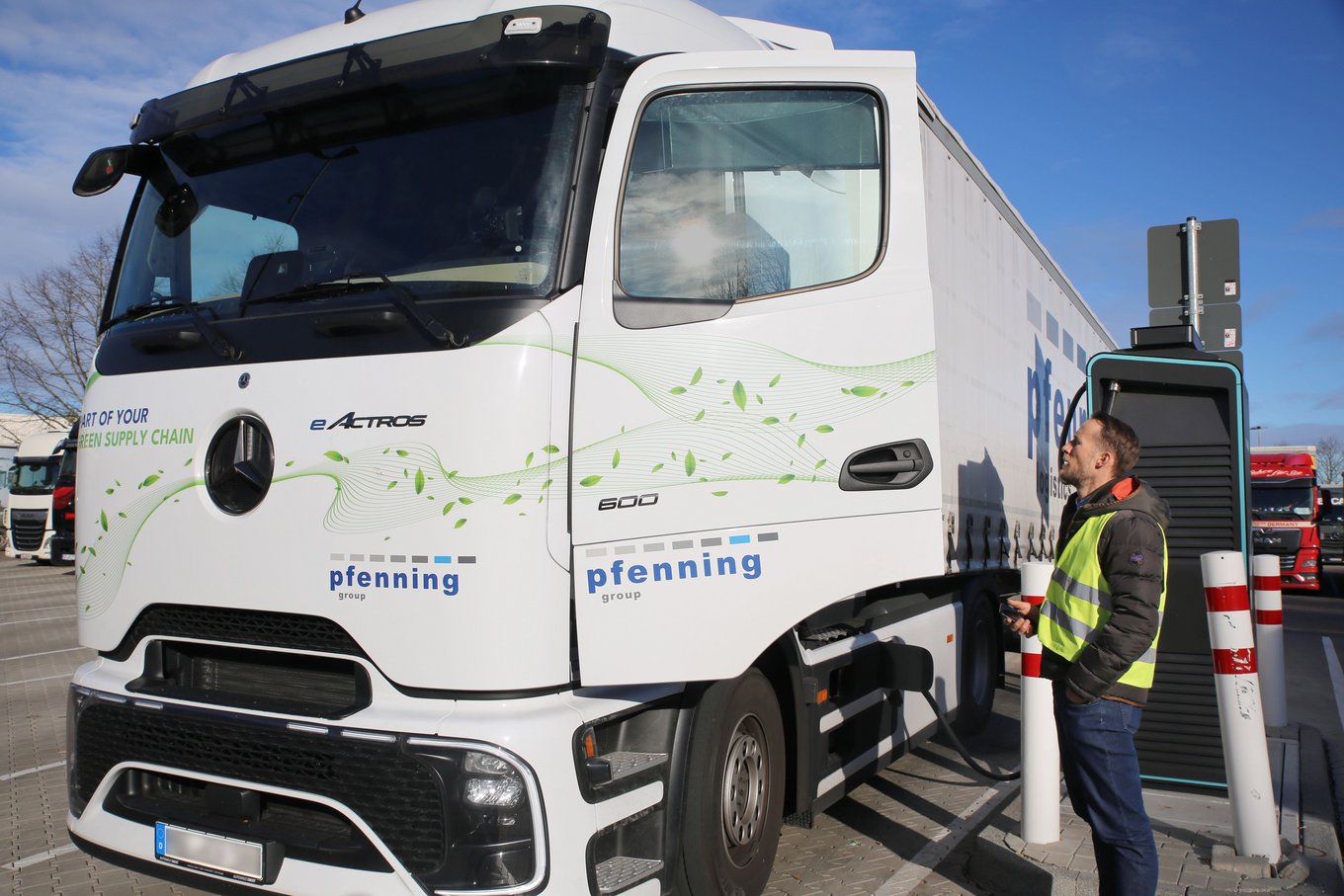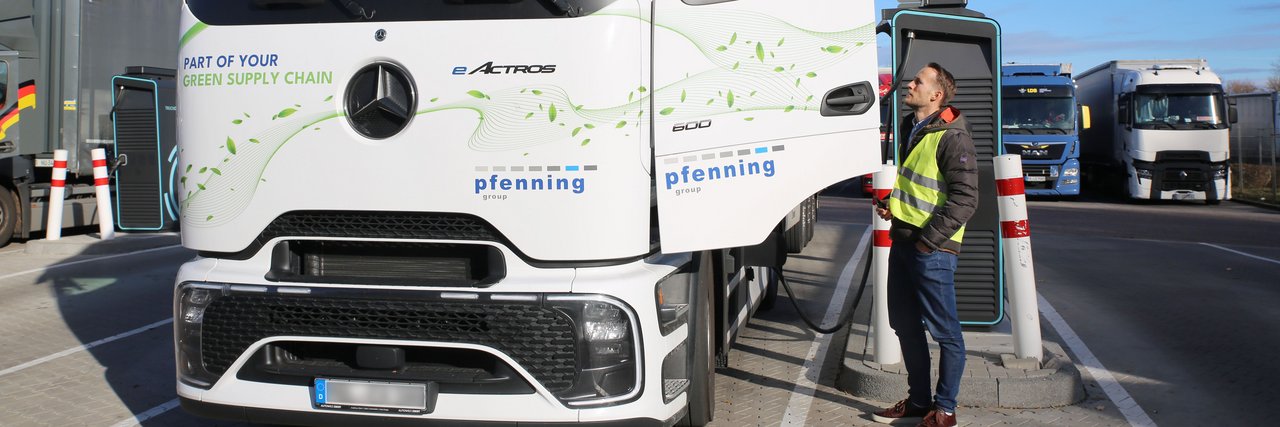
Mercedes-Benz eActros 600 during charging process

Award-winning sustainability project: “Being at the forefront of logistics transformation is incredibly exciting.”

10.12.2025 | Sustainability

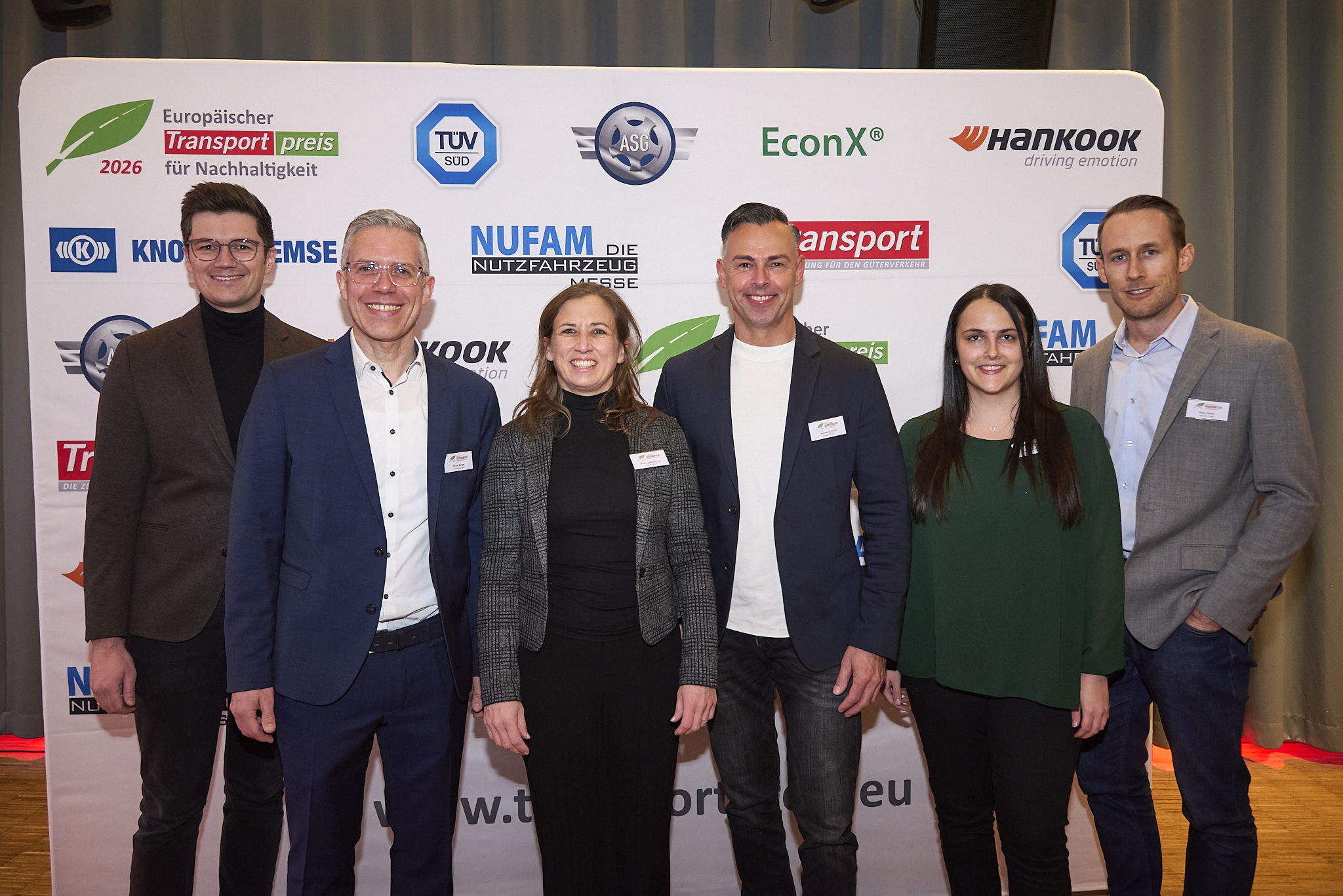
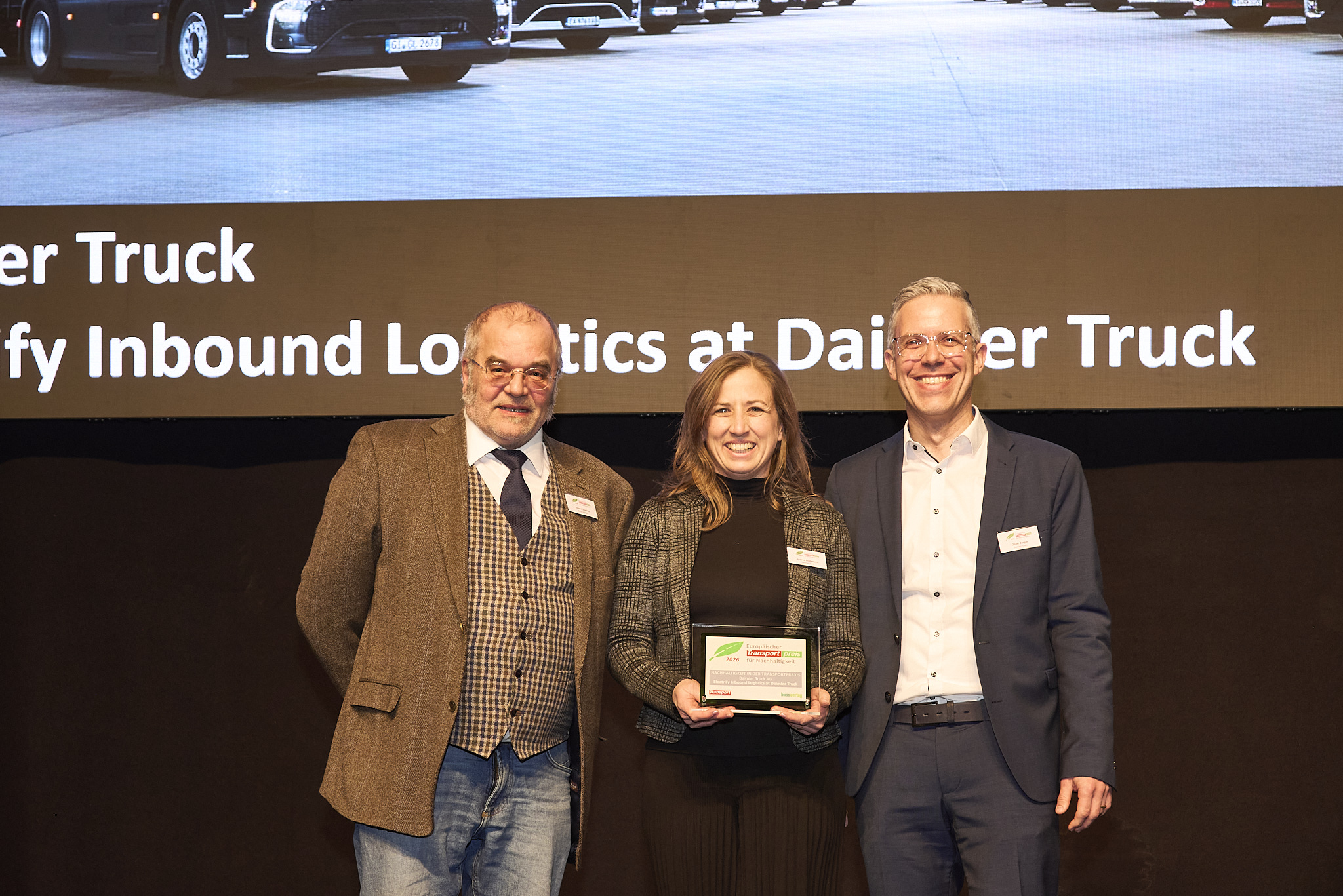
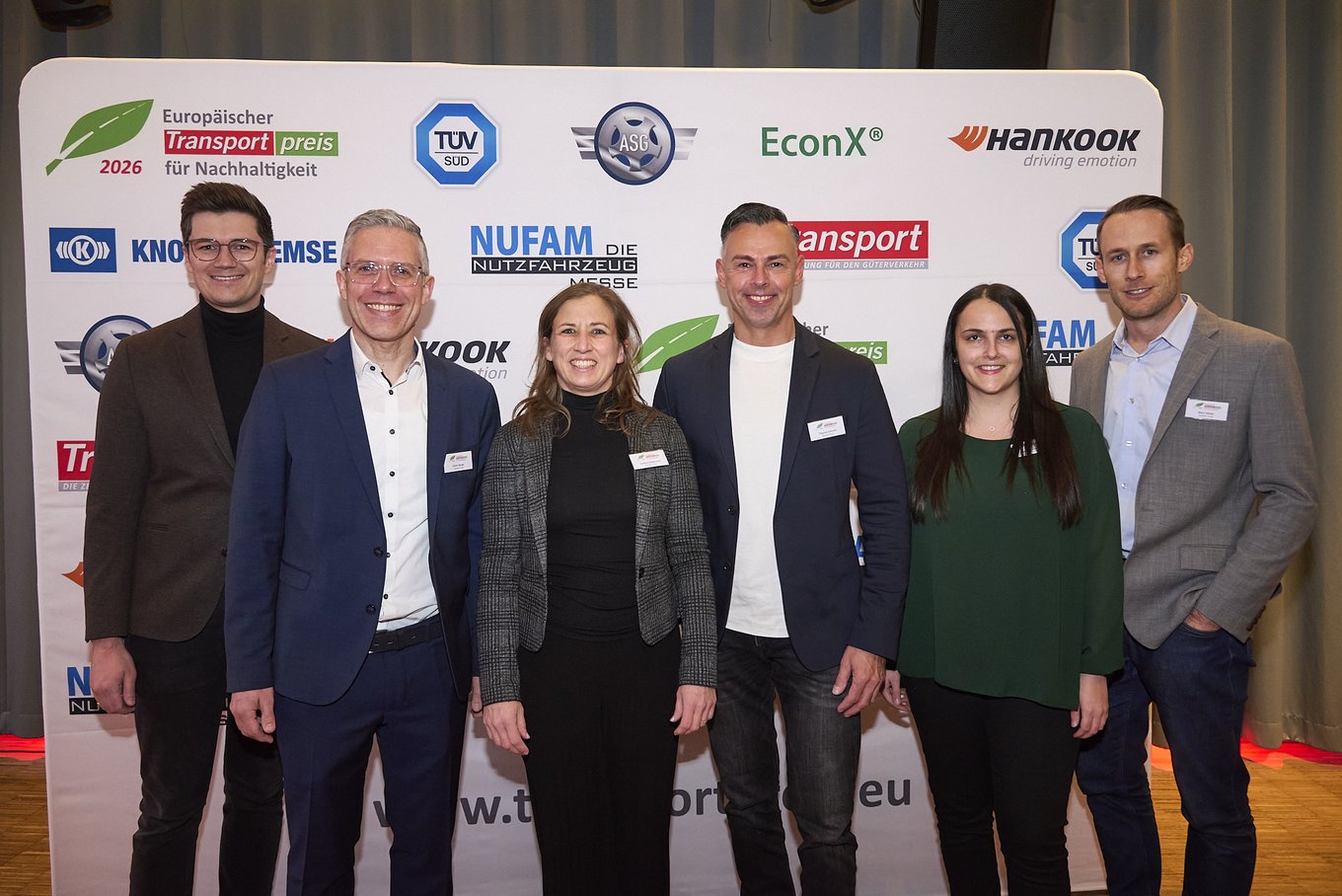
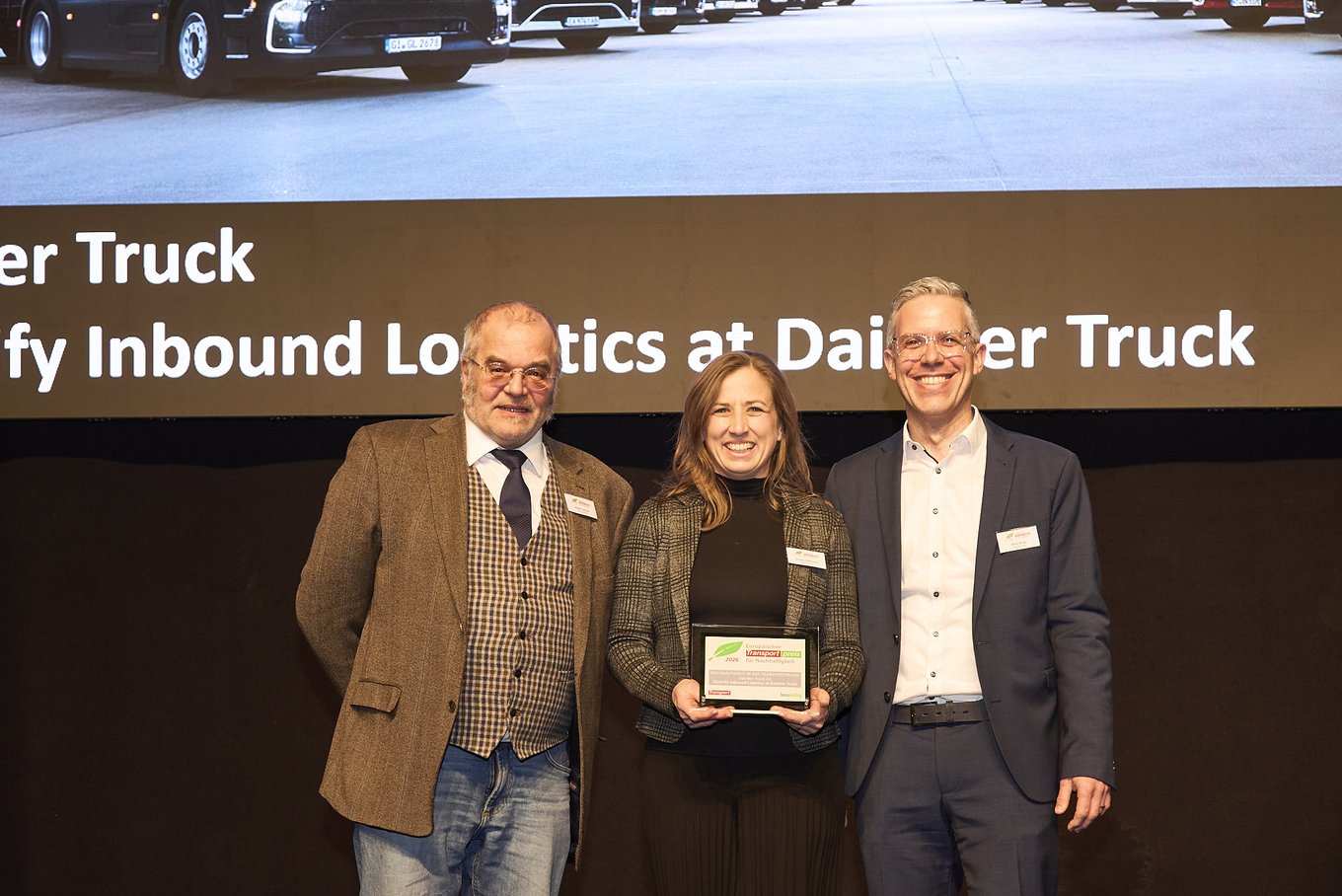
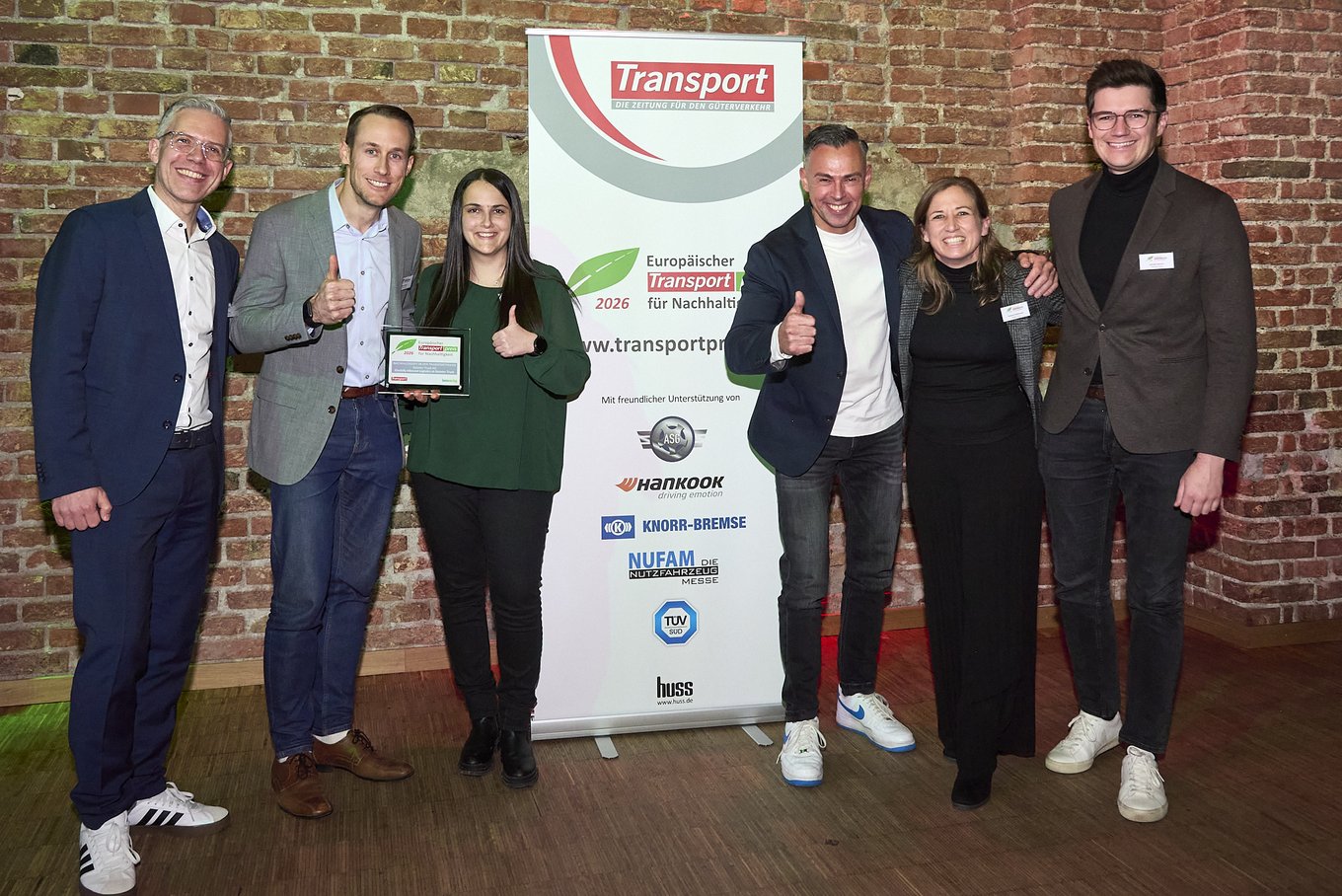
The project “Electrify Inbound Logistics” was honored end of November in Munich with the European Transport Award for Sustainability by Transport magazine, published by Huss-Verlag. Behind this achievement lies a clear goal: to gradually electrify inbound logistics traffic to the Wörth plant and the three component plants in Gaggenau, Mannheim, and Kassel. Marc Köster, who has been driving the project forward since its early days, accepted the award together with the project team. To understand what’s behind this success — and what personally motivates him — we sat down with Marc for a conversation.

The “Electrify Inbound Logistics” project plays a central role in decarbonizing the logistics chain: its aim is to gradually electrify supplier transports for the production supply of the plants. This marks an important step for Daimler Truck toward a circular economy and stands as a true flagship project within the company’s sustainability strategy.

Marc greets us with a warm smile — phone still in hand, in the middle of coordinating with a carrier, as he later tells us. As soon as he hangs up, we dive right into the conversation.
We’re at the Wörth plant today to meet one of the people who have shaped “Electrify Inbound Logistics” from the very beginning. We want to know who Marc is, what drives him — and what it means to him to accept a prestigious sustainability award with his team.

When we ask our first question — how does this recognition feel? — Marc laughs briefly:
“Well, first of all, it’s a bit unusual to win awards for your work — but of course, it’s a great honor. On the one hand, it confirms that what we’re doing is positively recognized externally. And on the other hand, it’s an extra motivation because the work receives such special appreciation.”

How Marc Joined “Electrify Inbound Logistics”

Marc joined the company in 2009 through a dual mechatronics degree at the Wörth plant. After four years in production planning in Mannheim, he moved to Portland — the hometown of his now-wife. There, he spent nearly six years at Daimler Truck North America, also in production planning.

Returning to Germany was planned but made significantly more difficult by the COVID-19 pandemic. Eventually, Marc found his way into logistics — a field he had barely touched as an engineer before.

“I kind of stumbled into it and quickly identified with it, especially through the topic of charging infrastructure,” he explains. The subject immediately sparked his technical curiosity — and the project soon became much more than just a job.

Marc is visibly motivated. Beyond his passion for problem-solving, personal reasons play a big role:
“I have two small children. Climate change and the associated challenges — especially for future generations — are a frequent topic of conversation. And even if we’re only making a small contribution, it’s a task that feels meaningful.”
Where the Project Stands Today

Today, around 30% of the Wörth plant’s routes are already operated with electric trucks — mainly regional routes using the first-generation eActros 300 and 400. For longer routes, the eActros 600 is deployed. The symbolic “Sternfahrt” in July, where 14 eActros 600 trucks from various carriers departed Wörth on routes across Germany and Europe, impressively demonstrated that even long-haul distances are possible with battery-electric trucks.

The next goal is to further electrify plant logistics step by step — and to roll out the concept to other sites. A key factor will be the continued development of the second-generation eActros portfolio.

Range and Charging Infrastructure

“One major issue at the start of the project was vehicle range — and the lack of public truck charging infrastructure. The few existing charging stations rarely matched our routes,” Marc explains.
 

The solution was clear: build our own charging infrastructure. Daimler Truck therefore invested early in charging stations on plant premises. These investments made many of today’s electric routes possible in the first place, as carrier yards often lack sufficient grid capacity.

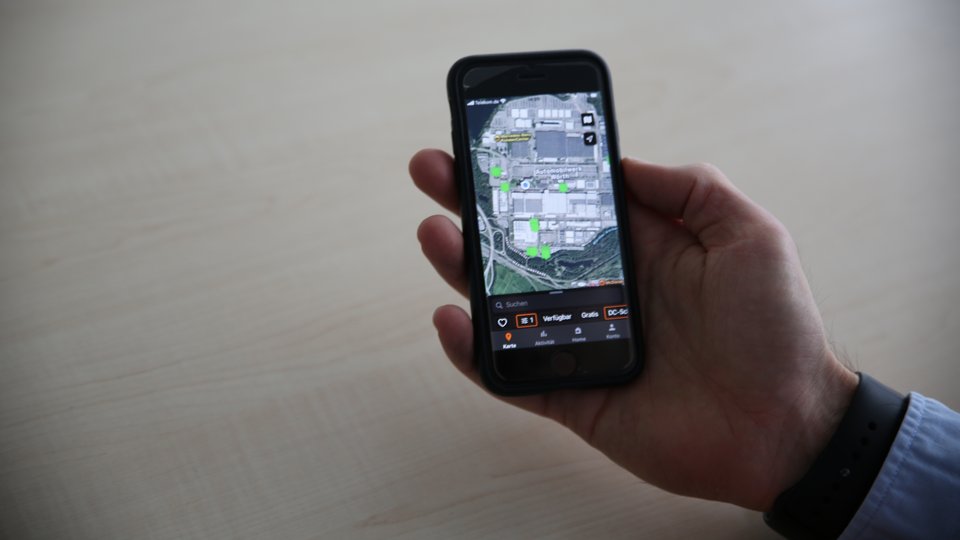
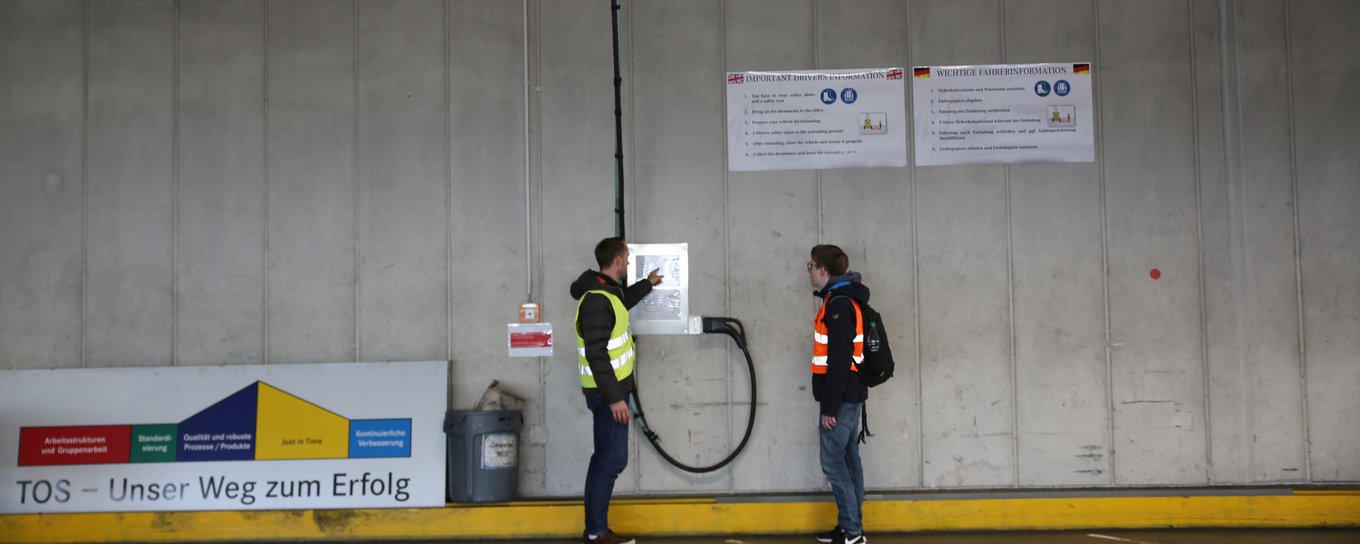
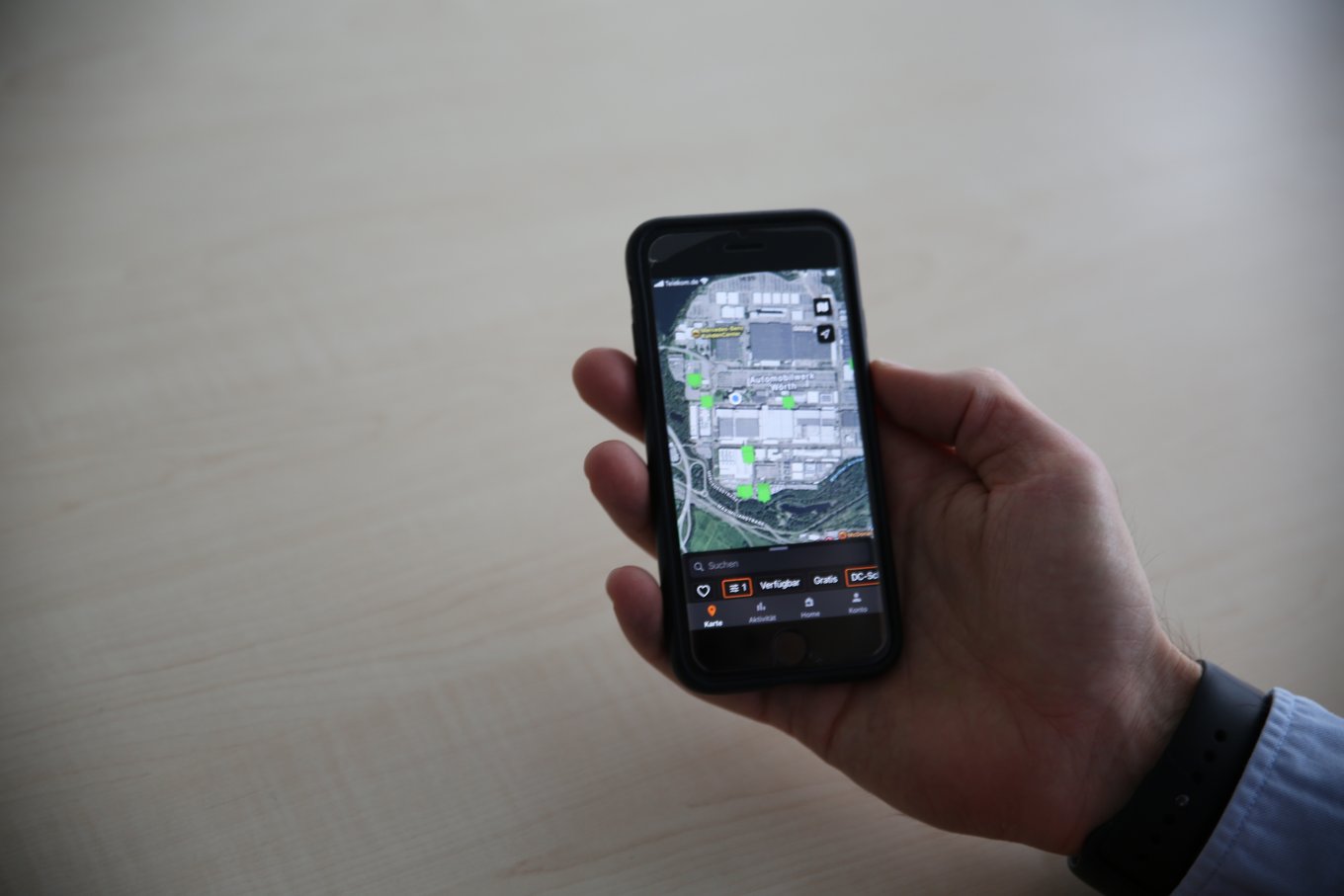
During a tour of the plant, Marc shows us the various charging points. Some are located directly in unloading zones. Particularly interesting is an unloading zone in the Plant Consolidation Center (PCC), where charging points hang from the ceiling to avoid interfering with unloading processes.

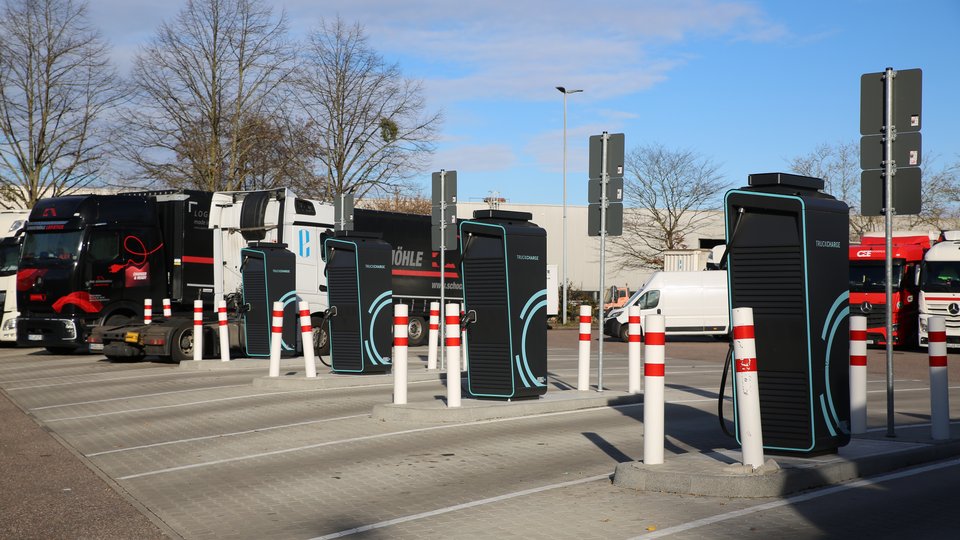
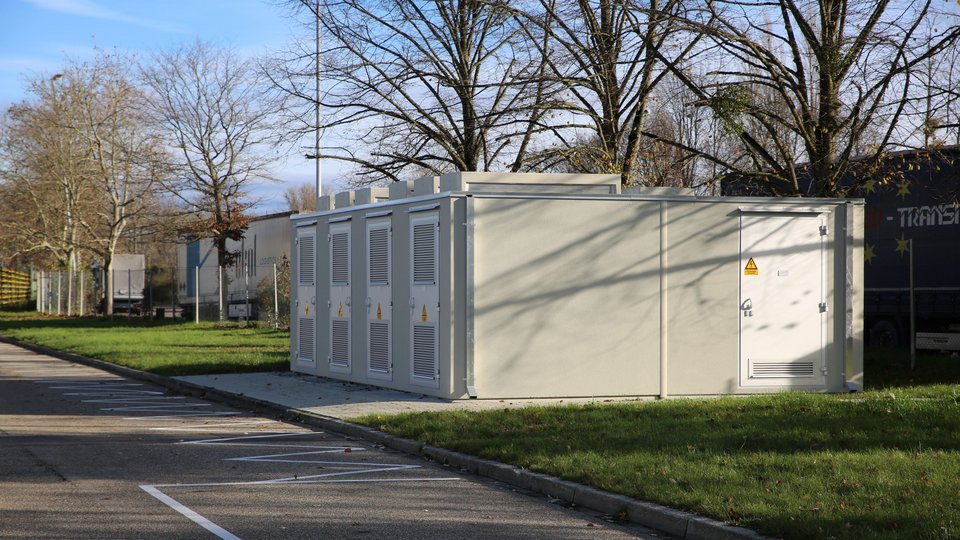
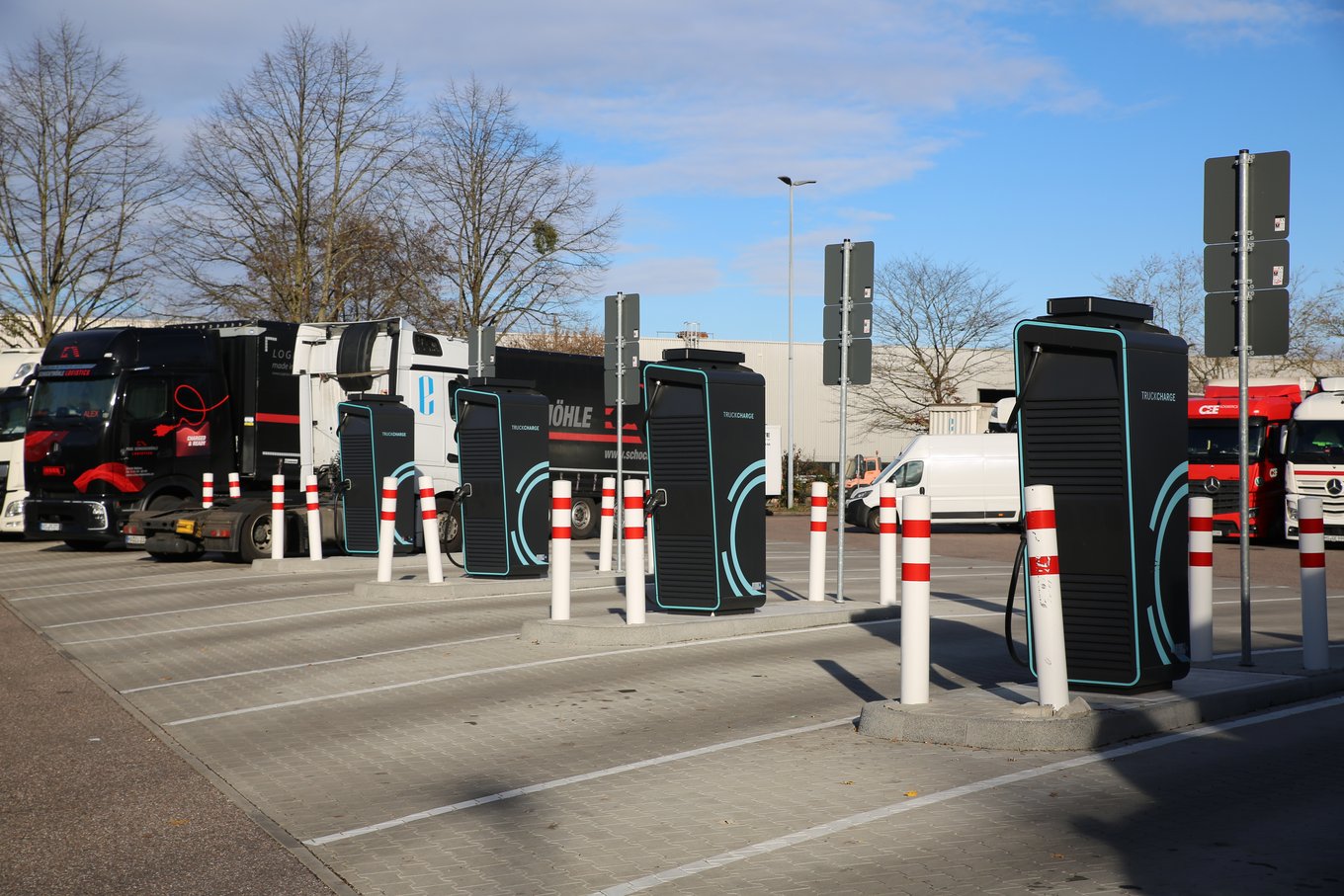
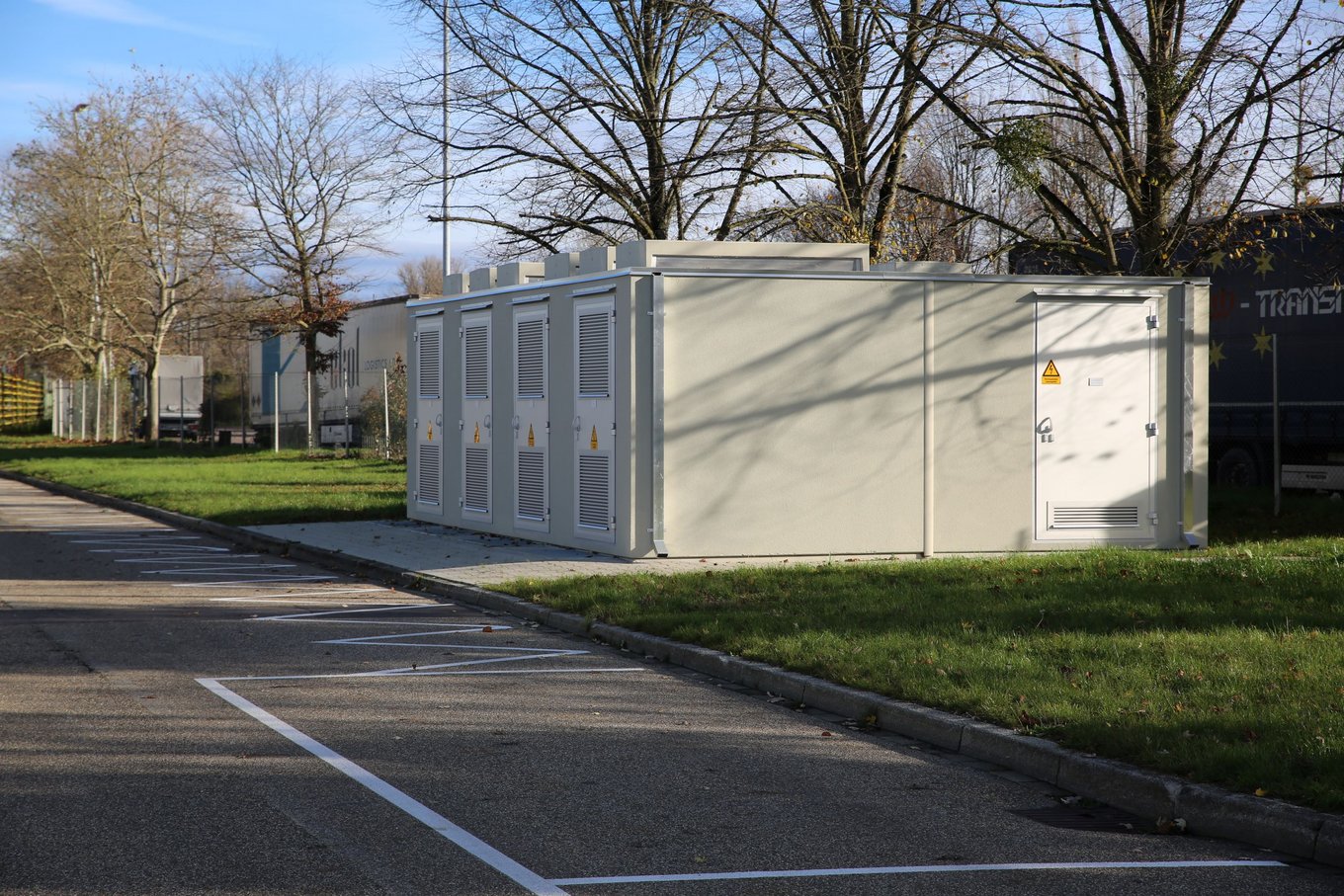
Next, we head to the truck parking area near Gate 2, where a charging park with six 400-kilowatt stations is located. To prepare for the future, the transformer there is already equipped for megawatt charging .
 

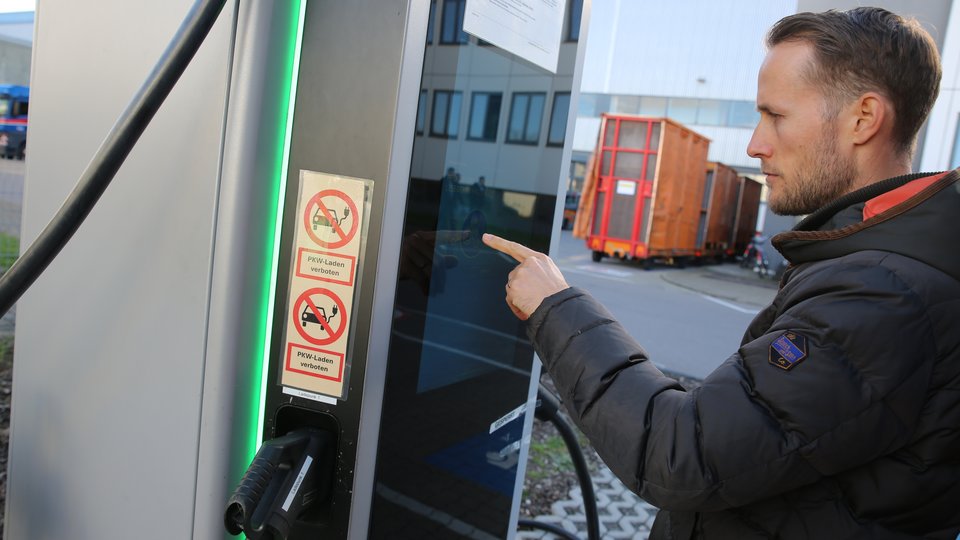
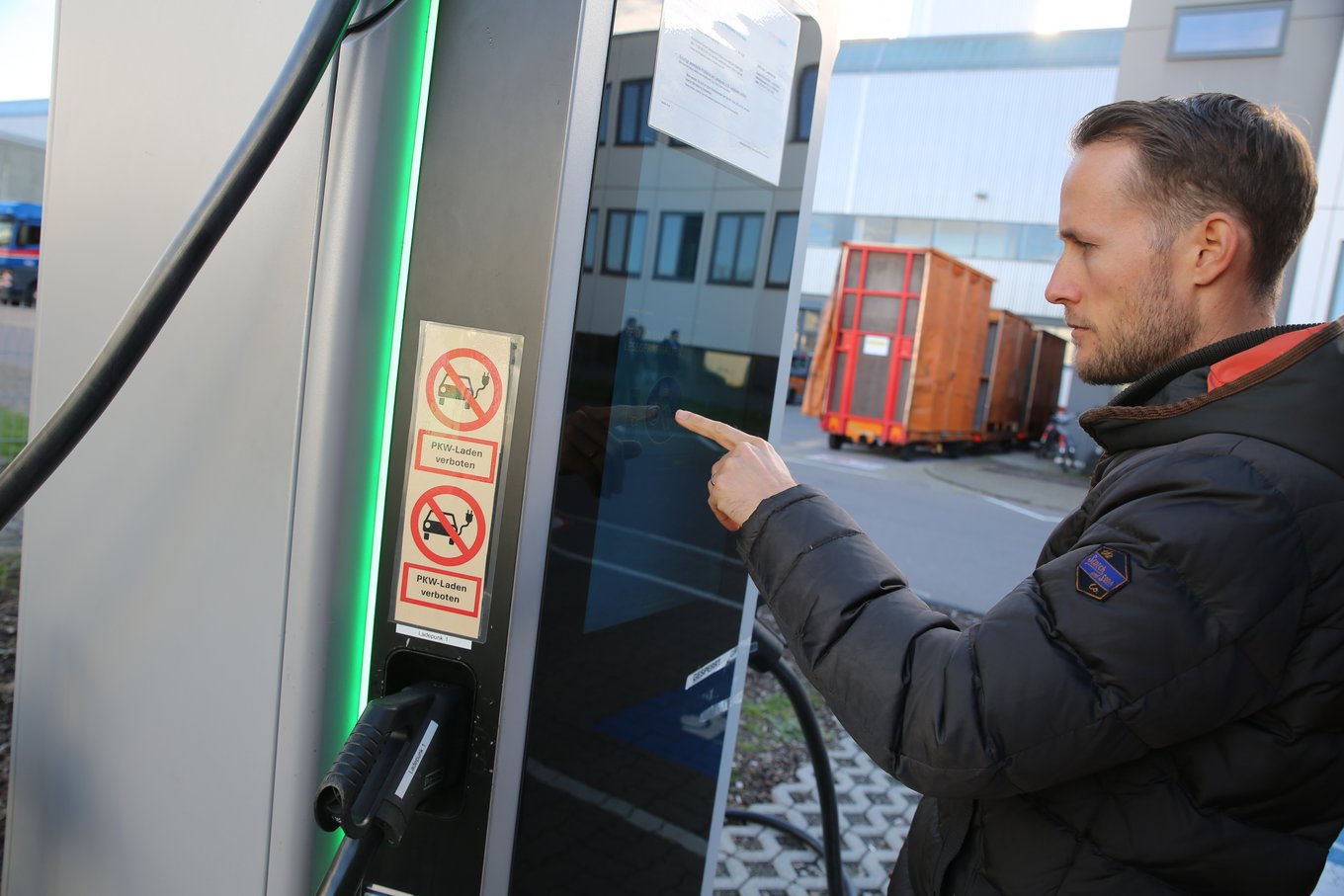
While showing us the charging park, Marc meets a driver charging his eActros 600. Marc takes the opportunity for a quick chat and shares some tips about the vehicle. He enjoys this direct exchange: “What I like most is not just sitting at a desk but being out in the plant. The dialogue with drivers is incredibly valuable — though not always easy, as they’re very direct and don’t mince words.” In this case, however, the driver’s feedback was entirely positive.

Next Steps

To prepare for the next steps, the team is currently analyzing eActros 600 driving data on plant logistics routes as part of a study. This includes examining usage profiles, charging behavior, energy consumption, and challenges in transitioning from diesel to electric vehicles. In addition, interviews with fleet managers are being conducted to align break regulations, route planning, and charging times. The goal is to provide carriers with concrete recommendations while further improving internal processes.

A Strong Team Effort

Although Marc is the one we’re meeting today, the project is backed by a dedicated, cross-site team:
“I talk almost daily with Ann-Kathrin from Gaggenau, who drives the project for the three component plants. We support each other no matter what challenges arise.”

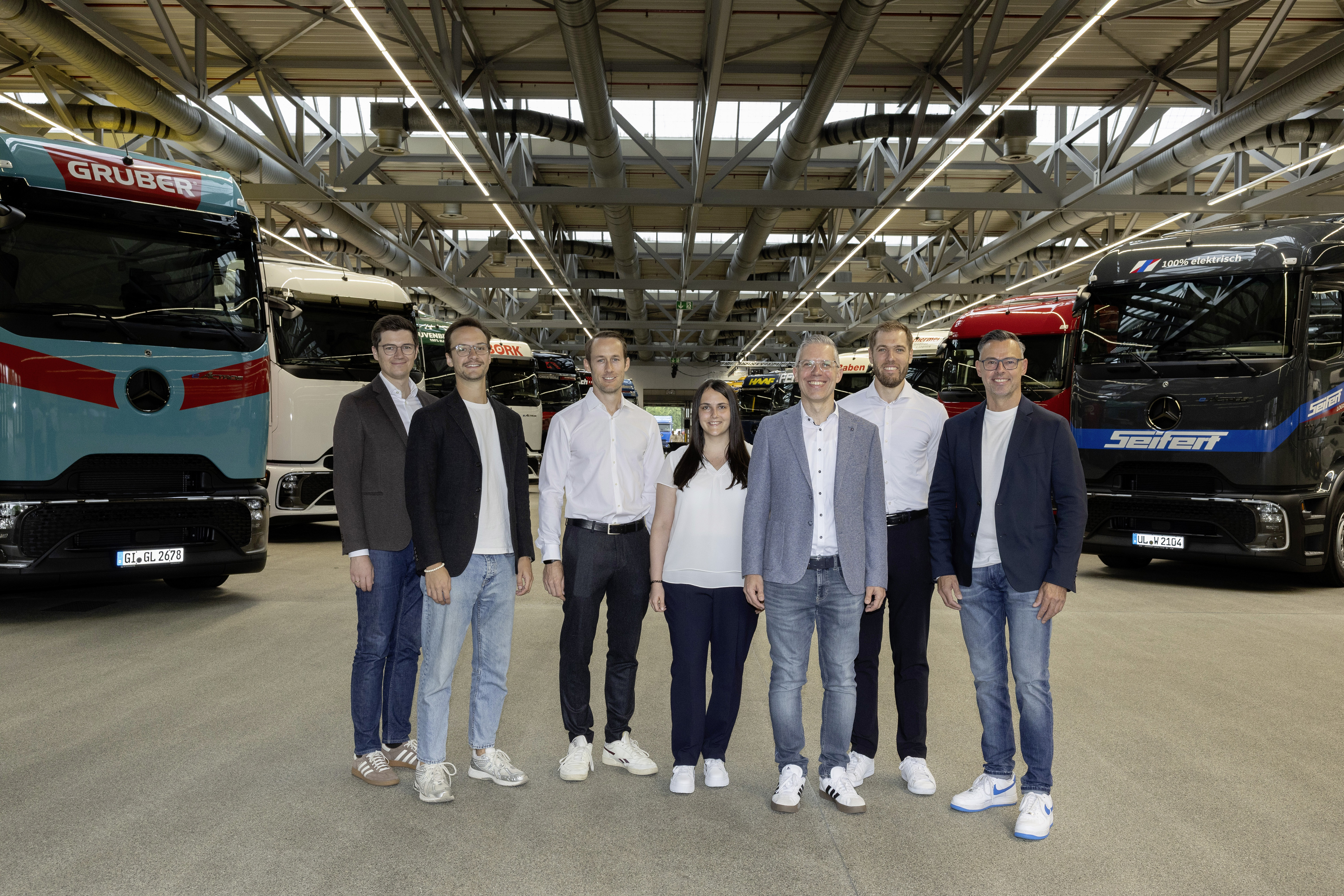
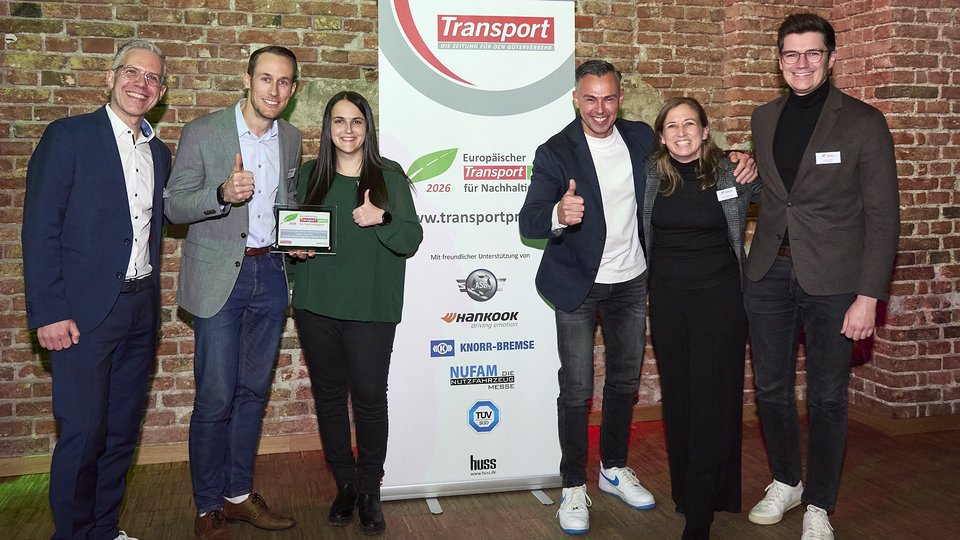
The project team “Electrify Inbound Logistics”

Project leader Oliver Berger also plays a key role — not least by encouraging the team to try new things and step outside their comfort zone.
“Working in this project team is simply a lot of fun because all areas pull together. We’re motivated by the opportunity to actively shape this exciting transformation phase and create sustainable solutions that work in practice.”

Parting Thoughts: Optimism

Our visit with Marc ends, but his optimism stays with us. Despite all challenges, the “Electrify Inbound Logistics” project shows how innovative and solution-oriented logistics can be today — and that ambitious sustainability goals can become reality, step by step.

We wish Marc and the entire team continued success in implementing this pioneering project.

SUSTAINABILITY AT DAIMLER TRUCK

Sustainability is an integral part of our core business and our business activities. We want to decarbonize transportation and passenger transportation and drive the industry-wide transformation. In this way, we act and assume responsibility for the benefit of the environment as well as people and society – on the basis of responsible corporate governance. 

To achieve this, we focus on three areas of sustainability: Planet, People and Performance 

  • Planet: We are committed to the Paris Climate Agreement. We want to make sustainable transportation and passenger transport a success and thus contribute to climate and environmental protection. 
  • People: We take responsibility towards society and our employees. Where we can make a contribution to change something for the better, we do it. 
  • Performance: We envisage that business performance, unlocking profit potentials and sustainability initiatives go hand in hand, so that our responsibility for people and the planet are integrated into our core business. 
     

Please find more information on sustainabilty at Daimler Truck here: Sustainability | Daimler Truck