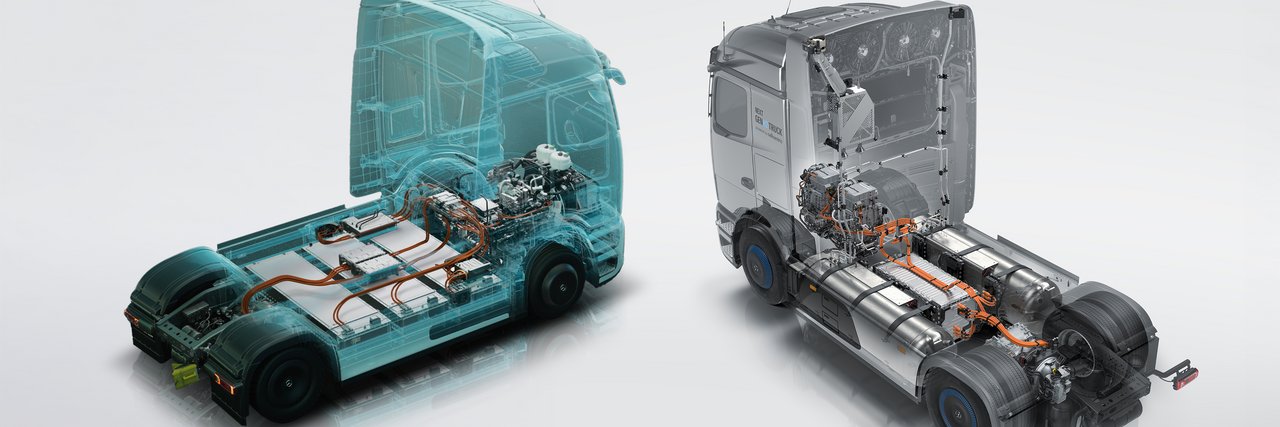
X-ray view of Mercedes-Benz GenH2 Truck and eActros 600

Under the hood: what unites and differentiates battery-electric and fuel cell powered trucks

03.06.2026 | Tech & Innovation

Daimler Truck is pursuing a dual‑track strategy to decarbonize road transport using battery‑electric and hydrogen‑based technologies. This approach allows us to offer the right solution for different transportation tasks. We move at the speed of right: introducing vehicles when they are technically mature and operationally meaningful, so customers can rely on them to keep goods moving for our economy and society.
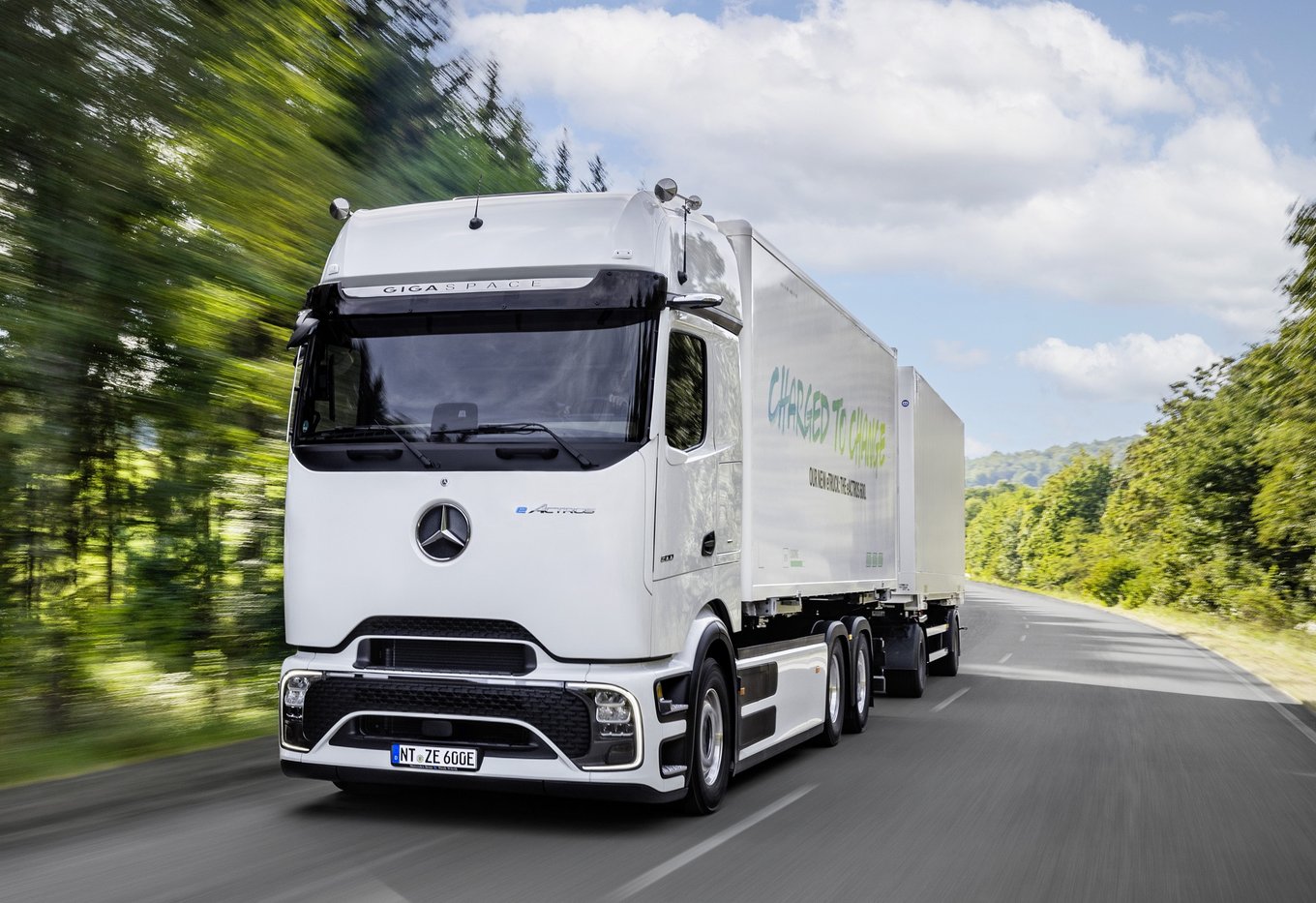
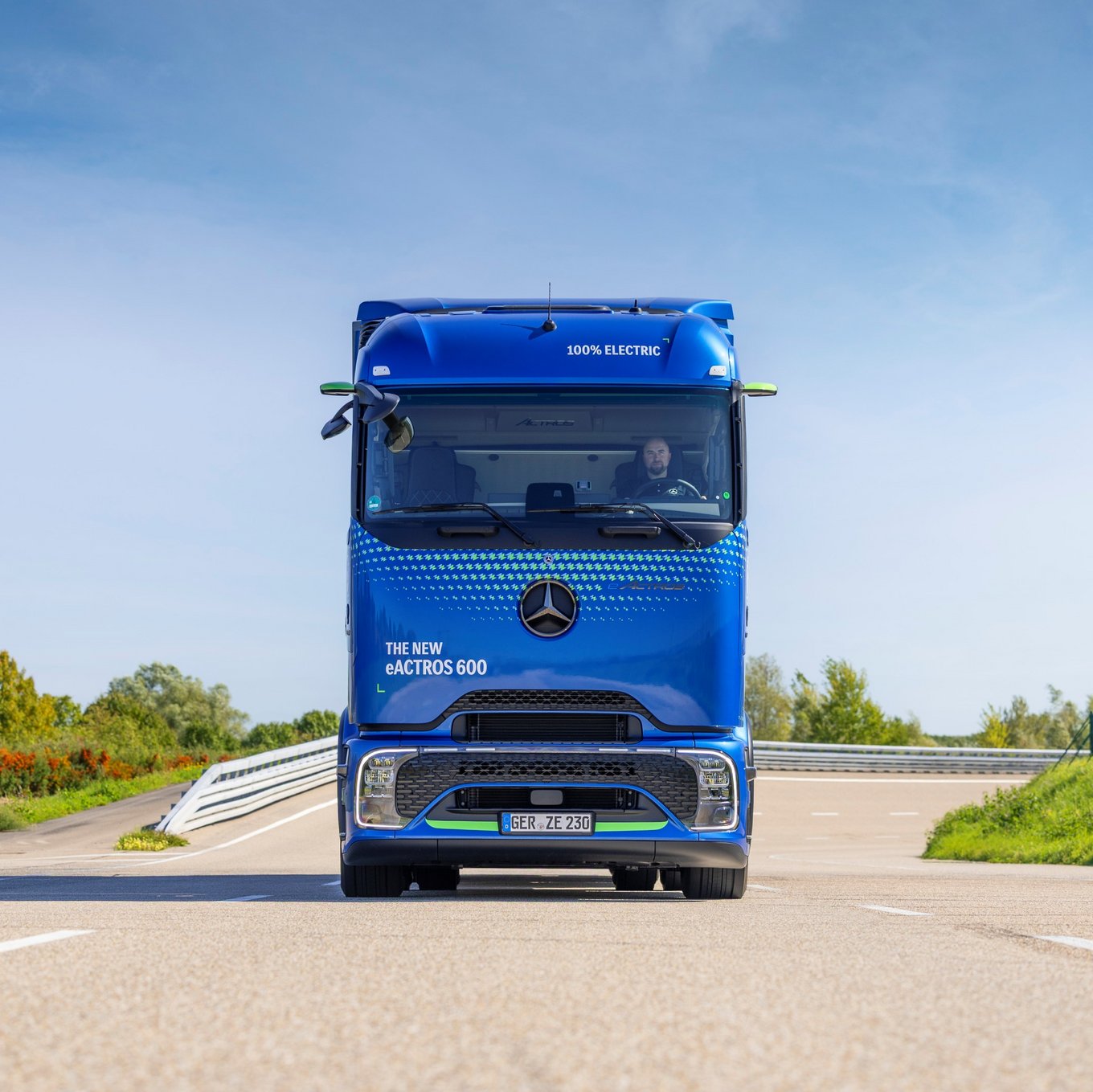
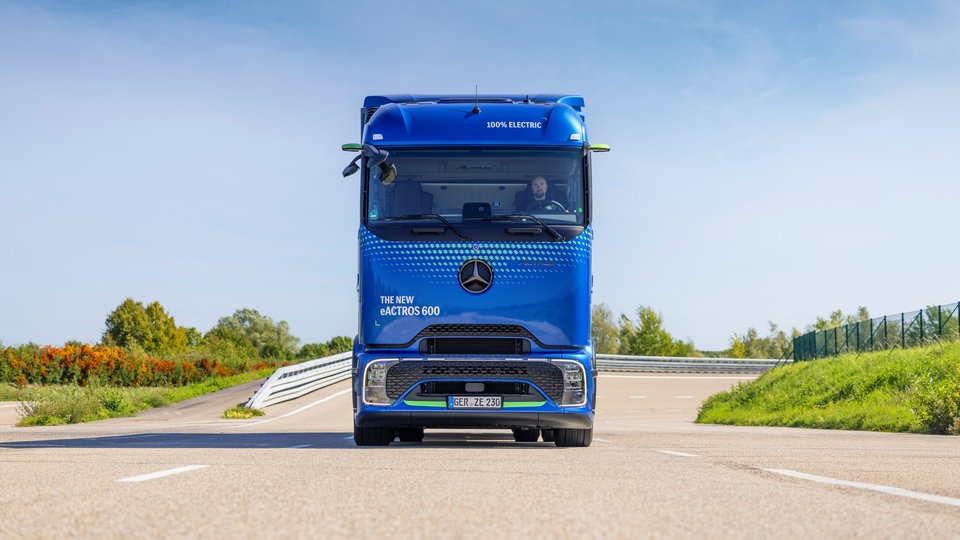
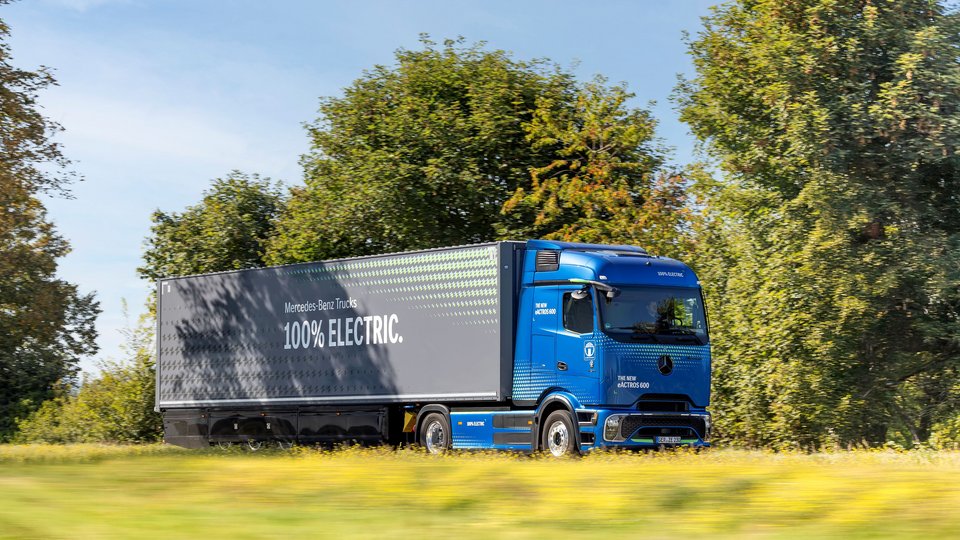
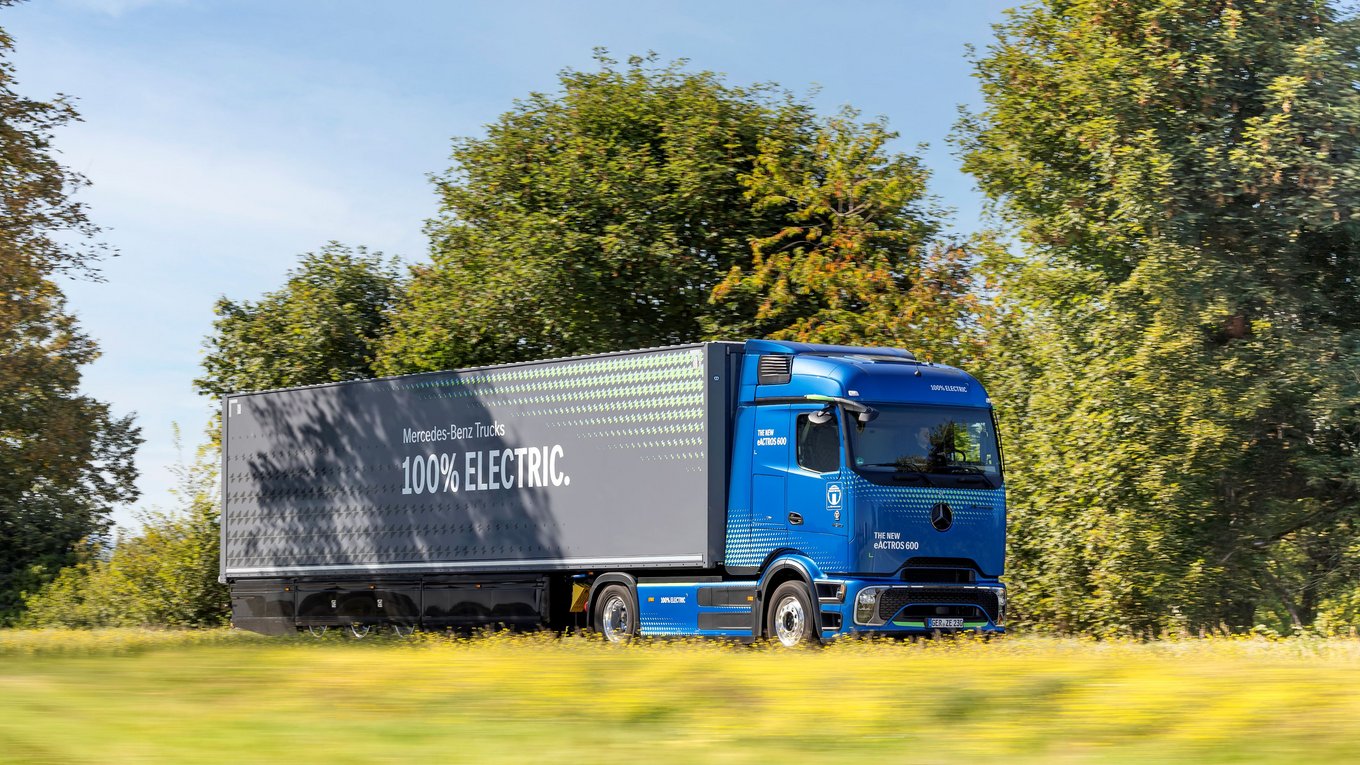
“Battery first” remains the cornerstone of our strategy and already covers many use cases today. In Europe, the Mercedes‑Benz eActros 600 has been in series production since 2024 and has firmly established itself as a preferred battery‑electric long‑haul truck for many customers, offering a range of 500 kilometers [2] at full load. Based on its advanced technology and expanding charging infrastructure, the eActros 600 is already enabling economically viable battery-electric transport across a growing range of applications.

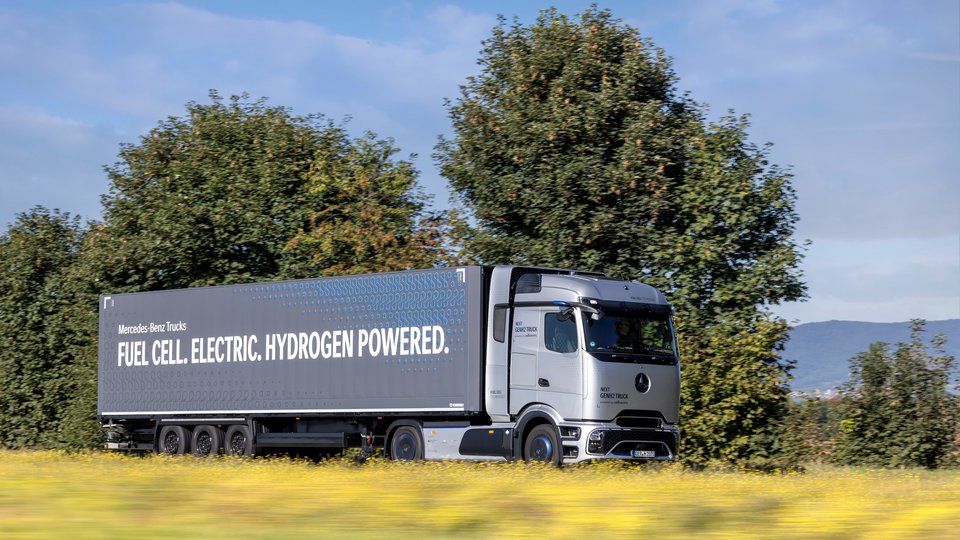
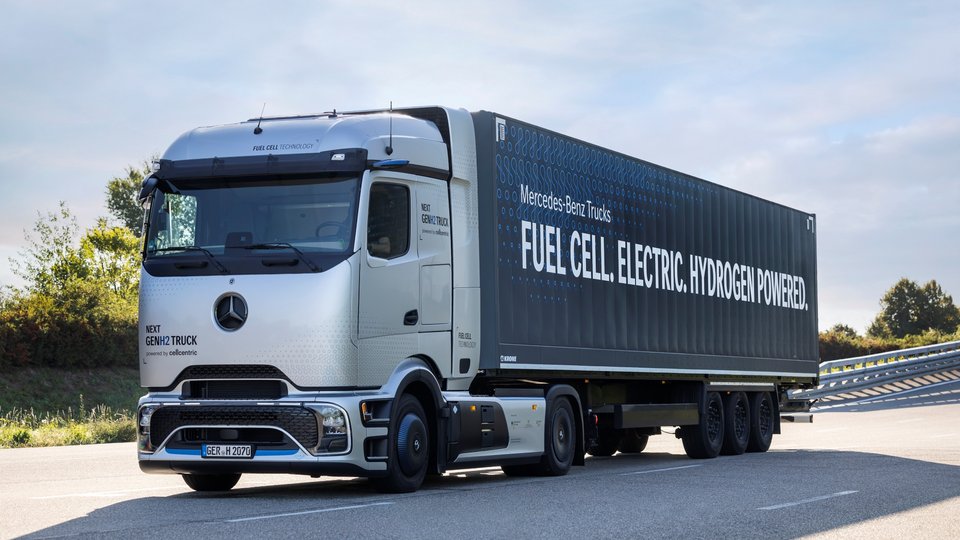
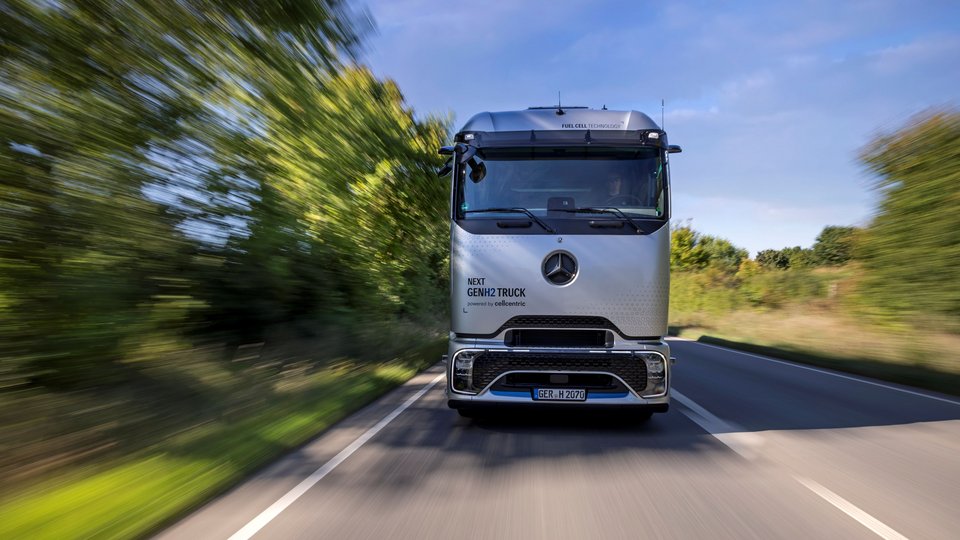
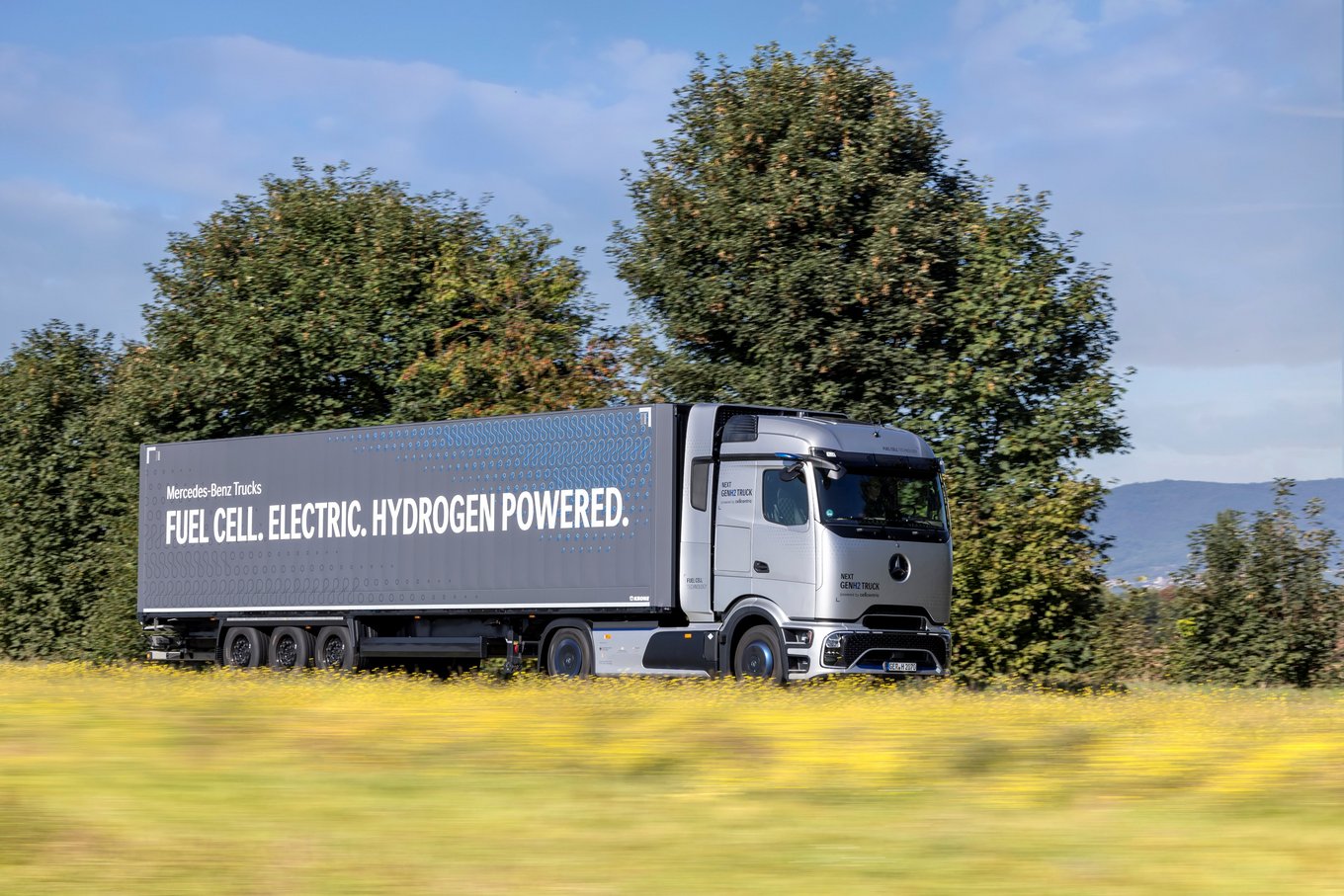
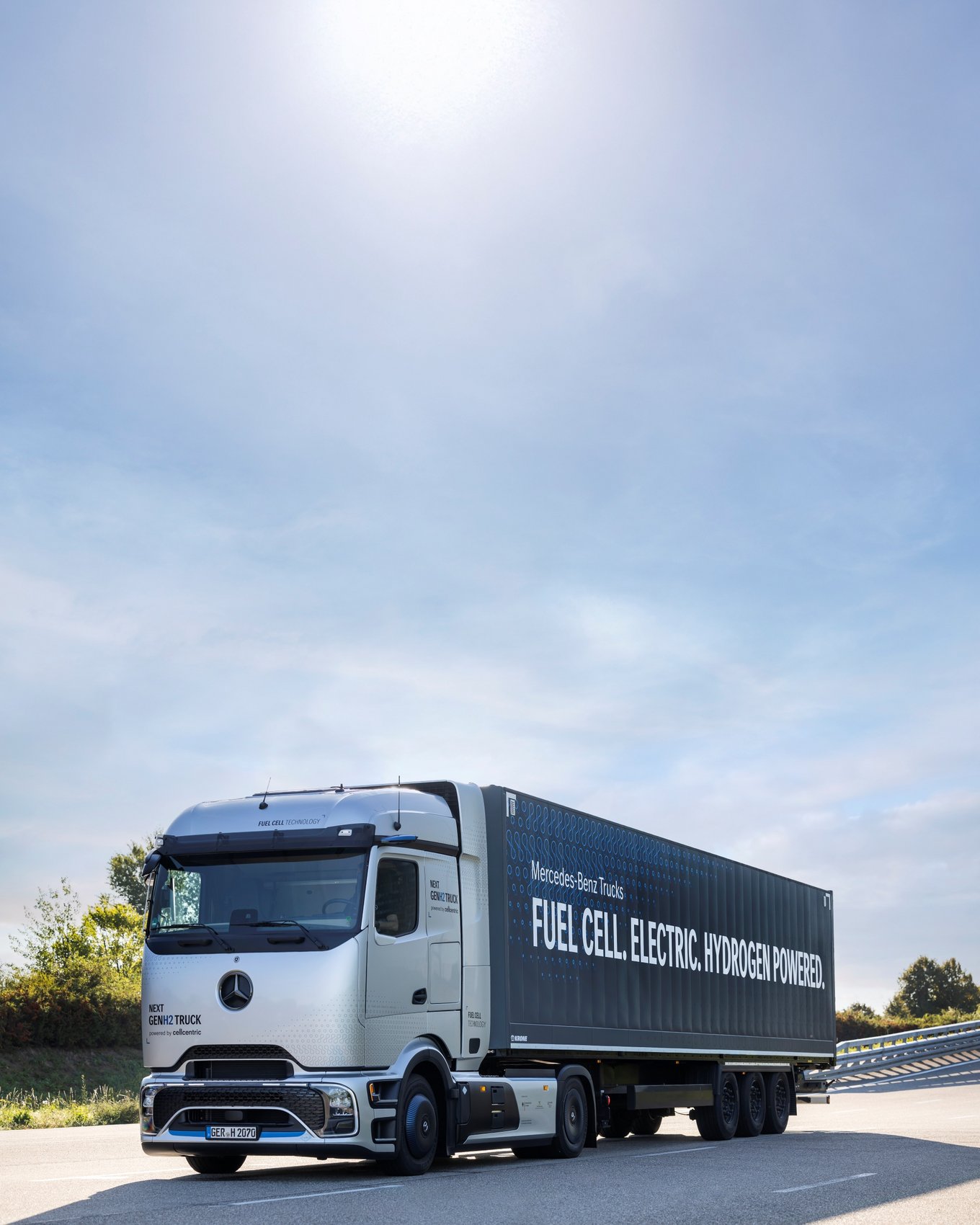
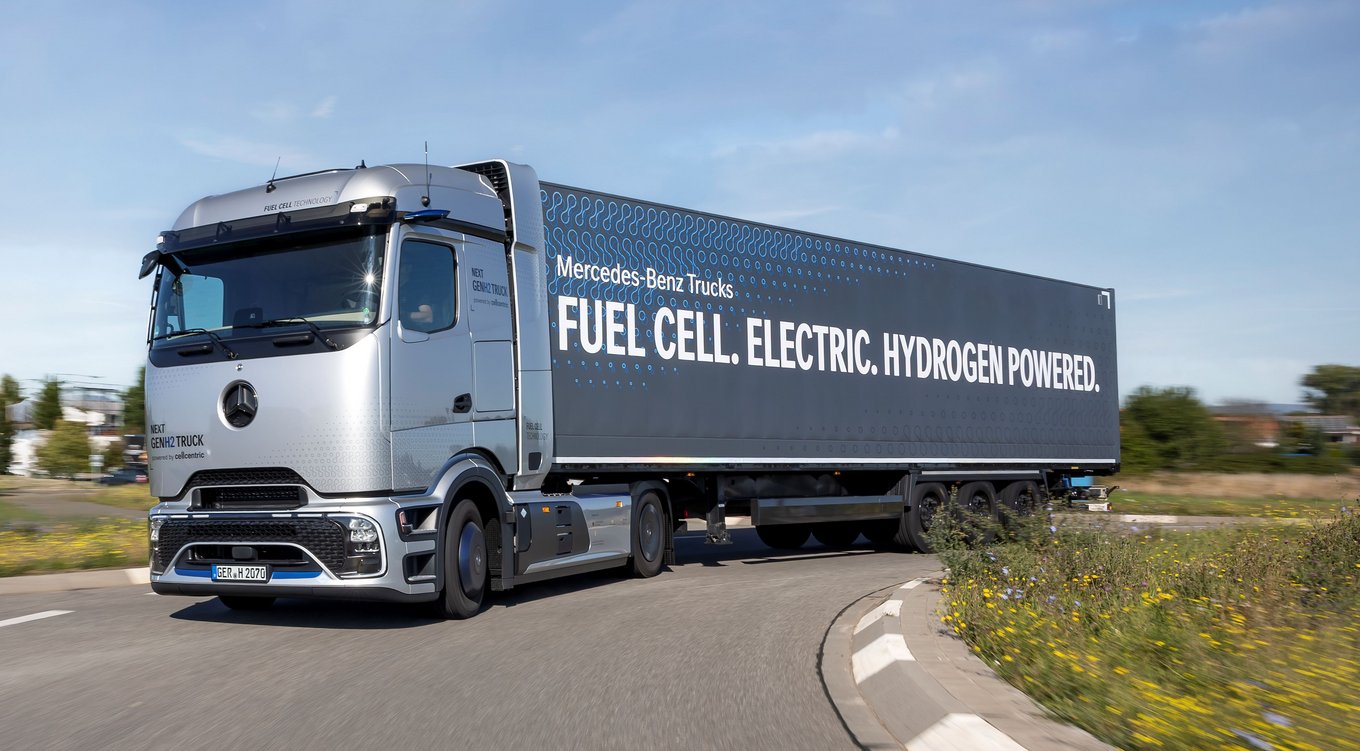
For other missions, especially those that demand greater flexibility, very long ranges and fast refueling, Daimler Truck is developing the Mercedes‑Benz NextGenH2 Truck, with a small-series deployment planned from the end of 2026. 

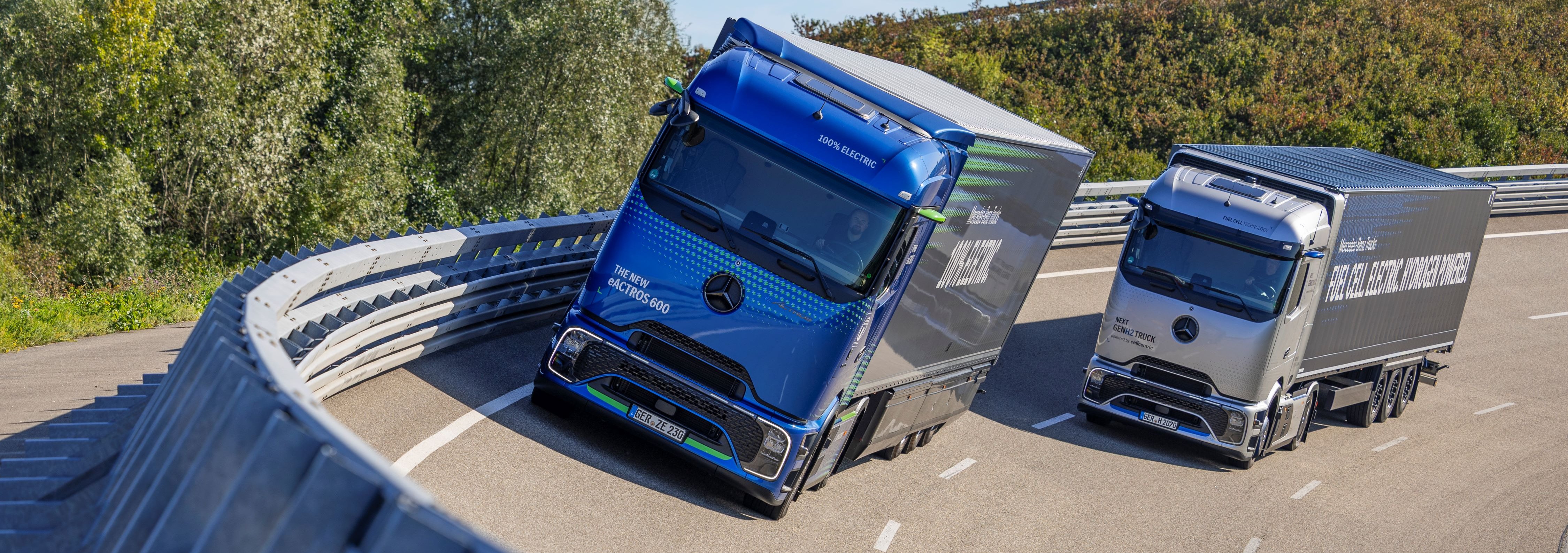
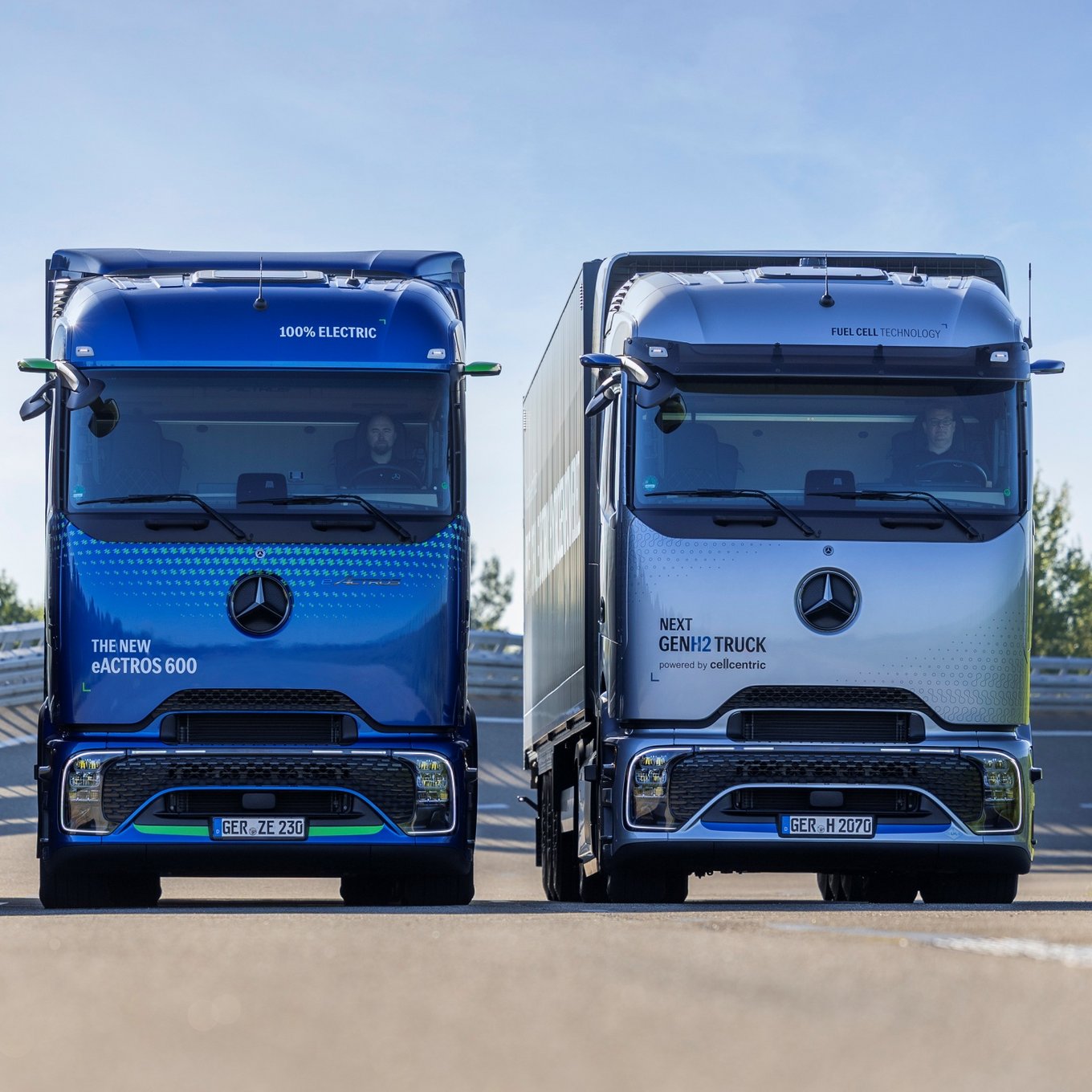
At first glance, the two trucks look almost identical. Depending on their configuration, both can be paired with the same trailers and offer a familiar working environment for drivers. Yet beneath the surface, they follow two different propulsion philosophies. That raises a natural question:


what connects these trucks and what truly sets them apart?

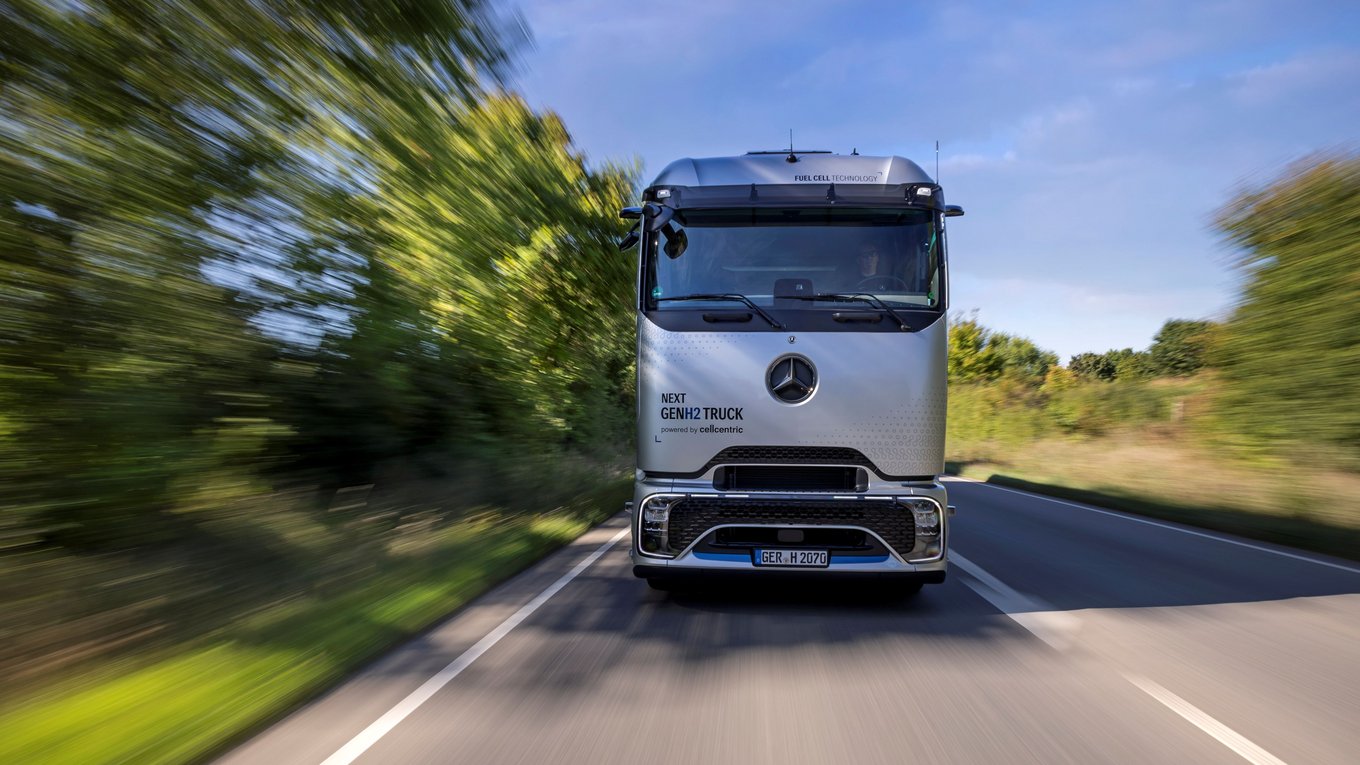
Mercedes-Benz eActros 600 and NextGenH2 on the test track

Two electric trucks, one shared driving experience

From the driver’s seat, the experience is strikingly similar. Both vehicles are electric trucks in the truest sense. Pressing the accelerator delivers immediate power, acceleration is smooth, and noise levels remain low even under heavy load. The low noise level and smooth power delivery contribute to a calm and less fatiguing driving experience on long motorway stretches. 

This similarity is intentional. The NextGenH2 Truck adopts several key series components from the second‑generation Mercedes‑Benz eActros family. These include the integrated electric drive axle, the aerodynamically optimized ProCabin, the Multimedia Cockpit Interactive 2, the latest high‑voltage and E/E architecture, and advanced safety and assistance systems such as Active Brake Assist 6, Active Sideguard Assist 2 and Front Guard Assist.

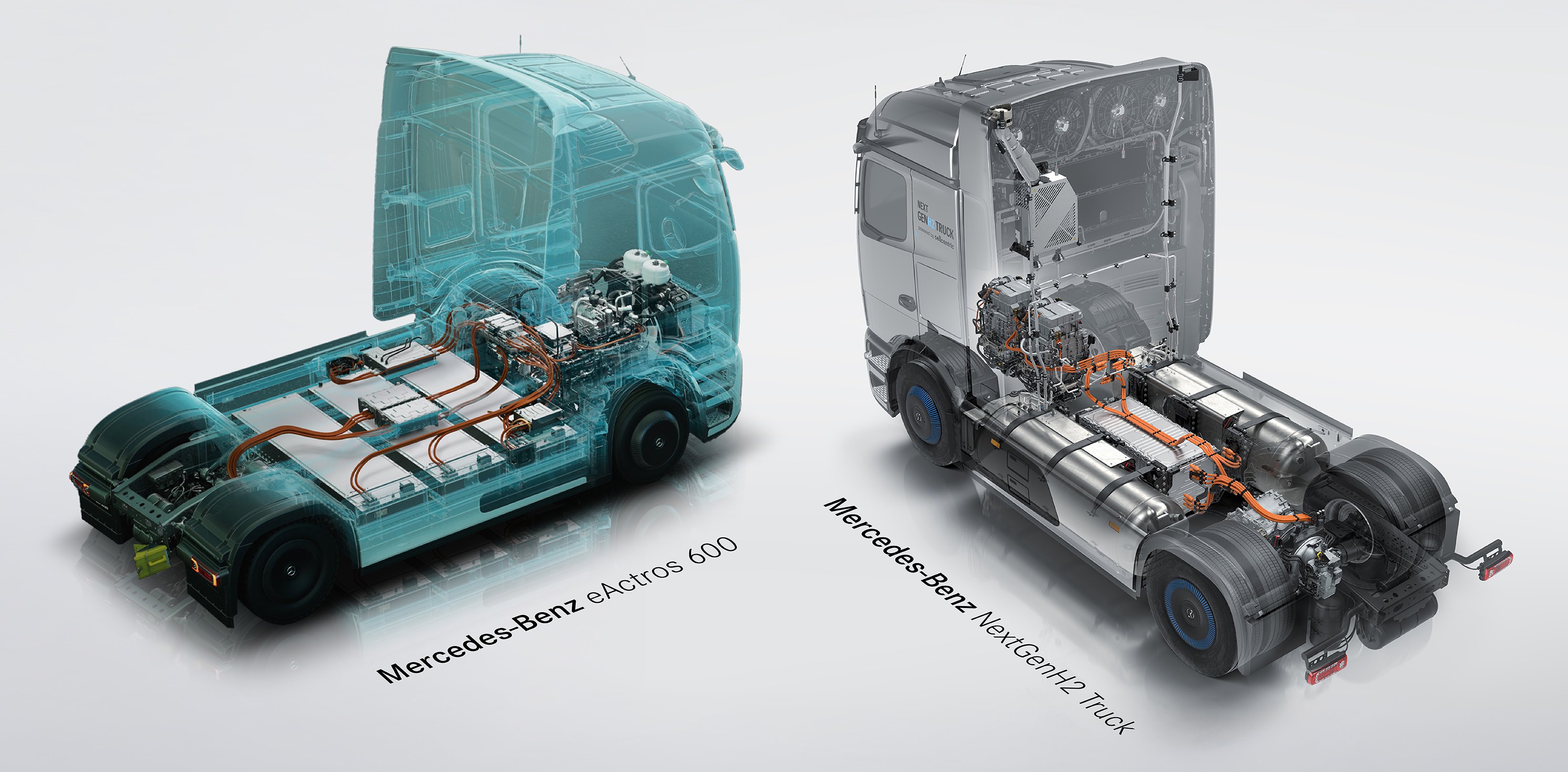
This shared experience has a clear reason: both trucks are driven by the same electric drive axle, developed in‑house by Mercedes‑Benz Trucks. This compact unit, positioned between the rear wheels, integrates electric motors, power electronics, and a four‑speed transmission. In both vehicles, it is this compact unit that turns electrical energy into forward motion, quietly, efficiently and with high torque from standstill.

Both trucks also carry high‑voltage batteries on board. What differs is not their presence, but their role.

X-ray view of Mercedes-Benz eAcros 600 and NextGenH2 Truck

The battery electric principle: storing electricity directly

In the eActros 600, Mercedes‑Benz Trucks has engineered the vehicle around a high‑capacity battery system exceeding 600 kilowatt hours, which also gives the truck its model designation. The installed total capacity amounts to 621 kWh and is distributed across three lithium‑iron‑phosphate (LFP) battery packs, each with a nominal capacity of 207 kWh[1]. Thanks to the characteristics of LFP technology, more than 95 percent of the installed capacity can be used.
 

Designed for long service life, the eActros 600 is engineered to meet durability targets of up to 1.2 million kilometers over ten years of operation, with a battery state of health of more than 80 percent expected at the end of this period. The vehicle is technically designed for a gross combination mass of up to 44 tonnes and, with a standard semitrailer, offers a payload of around 22 tonnes in the EU, depending on national regulations.

In everyday operation, the battery-electric drive system also enables efficient energy recuperation. When braking or driving downhill, kinetic energy is recovered and fed back into the battery, a core characteristic shared by both the battery-electric and hydrogen-based electric drive concepts.

With this setup, eActros 600 can cover 500 kilometers [2] without intermediate charging at a gross combination weight of around 40 tonnes. Over the course of a working day, the distance can extend well beyond 1,000 kilometers, because charging can be integrated into legally required driver breaks, provided that suitable charging infrastructure is available.

Every part of the design supports this logic: battery-electric efficiency works best when routes are predictable, distances are plannable, and charging can be scheduled without disrupting operations.

The hydrogen principle: carrying energy as fuel

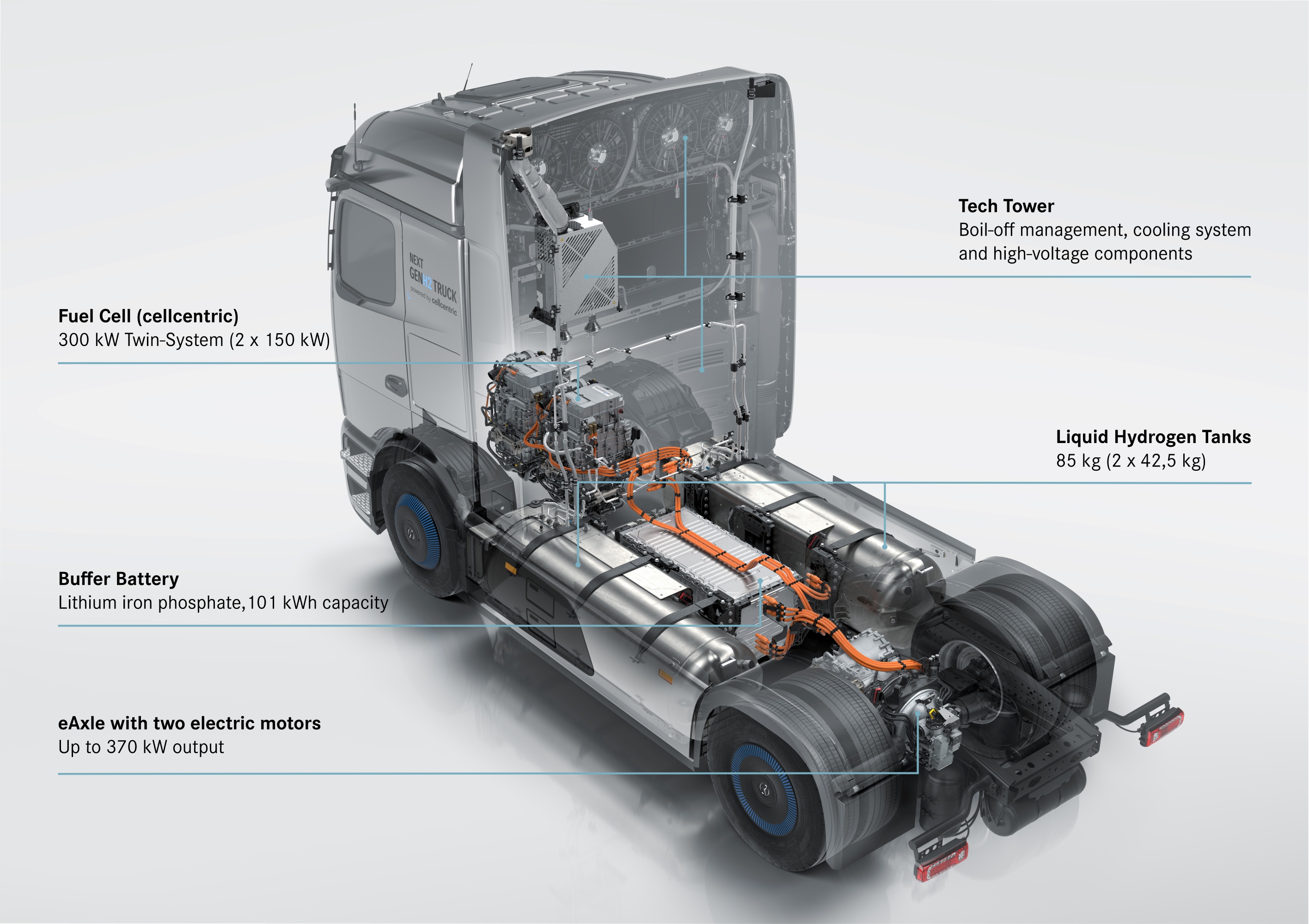
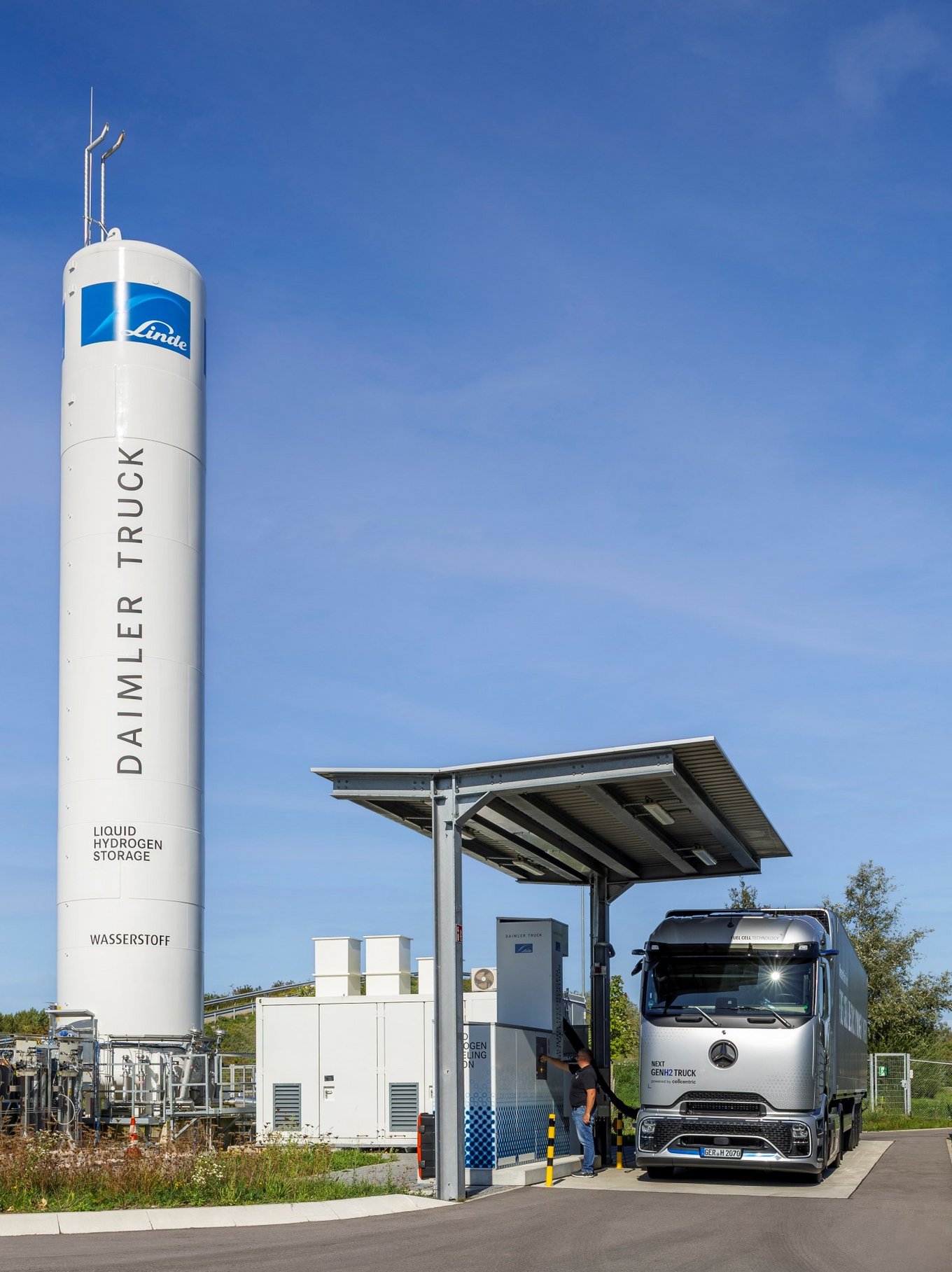
Currently under development, the NextGenH2 Truck reflects Daimler Truck’s targeted next step in hydrogen-based long-haul transport, with its technical concept designed for future series readiness. Instead of storing electricity, it stores liquid hydrogen cooled to –253 °C. Two insulated tanks mounted along the frame behind the cab – just like diesel tanks today – hold up to 85 kilograms of hydrogen, enough energy for well over 1,000 kilometers of driving at full load.

As the truck moves, fuel cell systems onboard convert hydrogen and oxygen from the air into electricity. The only byproduct is water vapor released into the atmosphere. This electricity then powers the same eAxle used in the eActros 600.

A smaller buffer battery with a capacity of 101 kWh supports the system. It smooths power delivery during acceleration, supplies additional energy on steep gradients, and captures energy during braking. The driver does not need to manage this interplay, the truck handles it automatically. The key difference: this buffer battery is rather small and has characteristics that make it usable as a power battery to provide situational power support during peak loads and to recover energy during braking. The eActros 600 on the other side has a much larger so-called energy battery as a primary source of energy for propulsion. 

Because liquid hydrogen can be refueled in around 10 to 15 minutes, the operating rhythm supports short, predictable stops and enables a fast return to the road on long‑haul routes. This makes the NextGenH2 Truck particularly suited to flexible and demanding routes, where downtime is critical and the next charging point may be not readily available.

To support this technology, the hydrogen truck features a compact Tech Tower behind the cab. It houses dedicated components required for liquid hydrogen operation, including boil‑off management and additional cooling systems. While both vehicles accommodate high-voltage components, for example in the eActros 600 frontbox, the Tech Tower reflects the specific packaging and safety requirements of the hydrogen-based drive system.

Same foundation, different strengths

Placed side by side, the similarities and differences become clear.

Both trucks:

  • Are driven electrically via the same eAxle
  • Recover energy during braking and downhill driving 
  • Offer low noise and zero local emissions
  • Provide a familiar driver environment with advanced safety assistance systems and digital cockpit, depending on configuration

At the same time, they differ in energy concept and market maturity:

  • The battery-electric eActros 600 is a series-production vehicle in customer operation and supported by an established service offering and growing charging infrastructure
  • The NextGenH2 Truck is currently under development, with small-series deployment planned from the end of 2026 and hydrogen infrastructure still at an early stage

A key technological distinction lies in how energy is carried and replenished:

  • The battery-electric truck stores electricity directly and replenishes energy through high-power charging during planned stops
  • The hydrogen-based truck carries energy as liquid hydrogen and can replenish its energy supply within minutes through refueling

These are not compromises, but deliberate responses to the demands trucks face in different applications every day.

Why two technologies are needed

Transport is not one uniform landscape. Long-haul operations can move along clearly defined routes with reliable access to charging, or stretch across regions and borders, where careful planning and real-time flexibility go hand in hand. No single energy carrier can meet all these demands equally well.

That is why Daimler Truck is pursuing a dual-track strategy to decarbonize transport with batteries and hydrogen. Because it enables us to provide our customers with the best solutions, depending on the use case. Because it makes decarbonization faster and more cost-efficient for our industry. And because it strengthens the long-term competitiveness and resilience of our company – and of Europe as a whole. 

Both technologies share the same goal: eliminating emissions while keeping goods moving efficiently. Going forward, decarbonized transport requires more than one solution. Covering the full spectrum of transport applications therefore means building strength in complementary ways, offering our customers the right solutions at the right time – what we call at the speed of right.

[1] Nominal capacity of a new battery, based on internally defined boundary conditions. This may vary depending on the application and ambient conditions.
[2] The range was determined internally under specific test conditions, after preconditioning with a 4x2 tractor unit with a 40 tons total towing weight at 20°C outside temperature in long-haul operation and may deviate from the values determined in accordance with Regulation (EU) 2017/2400.