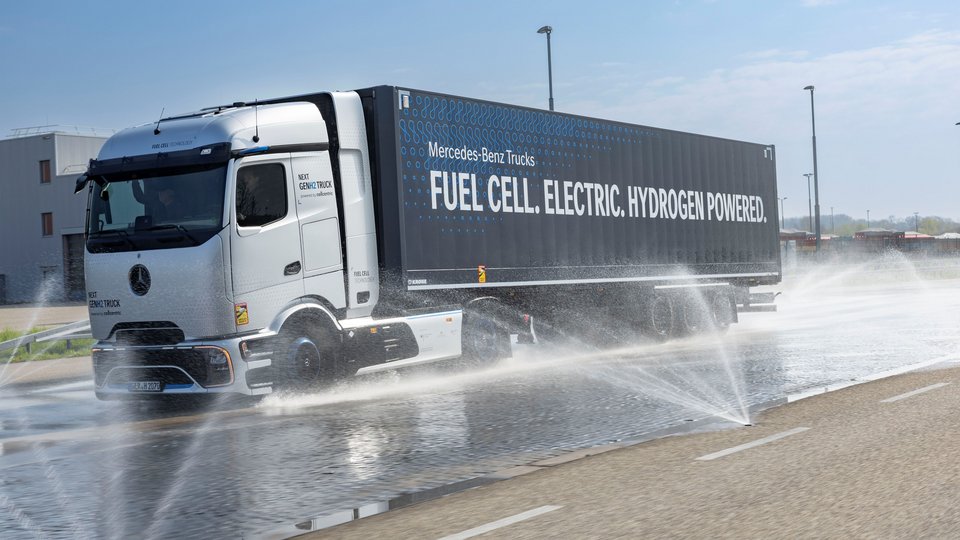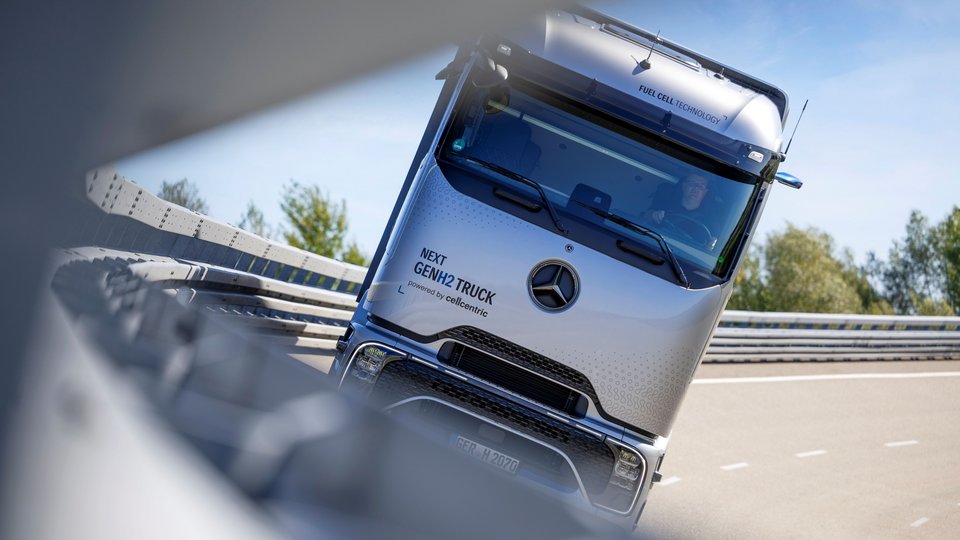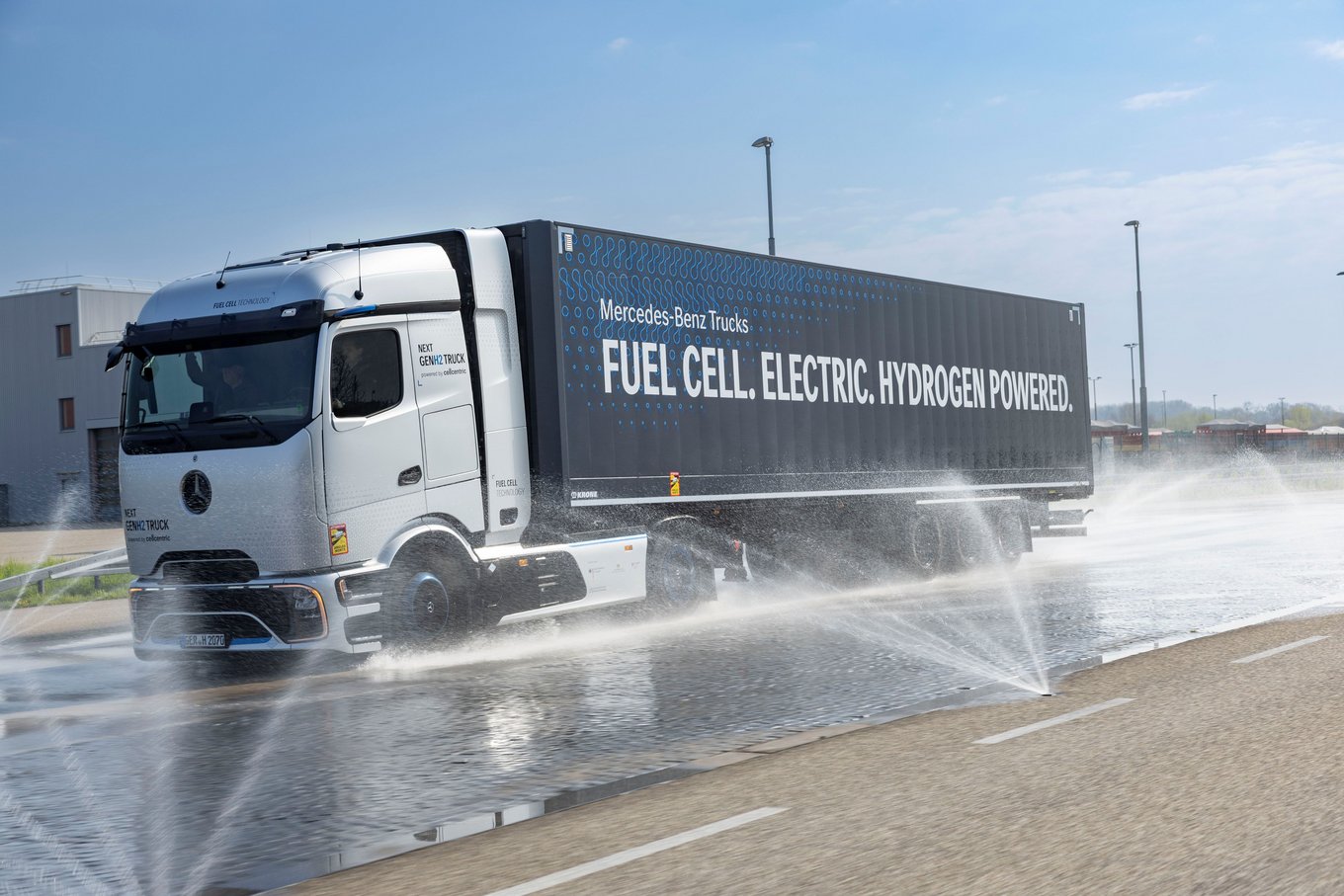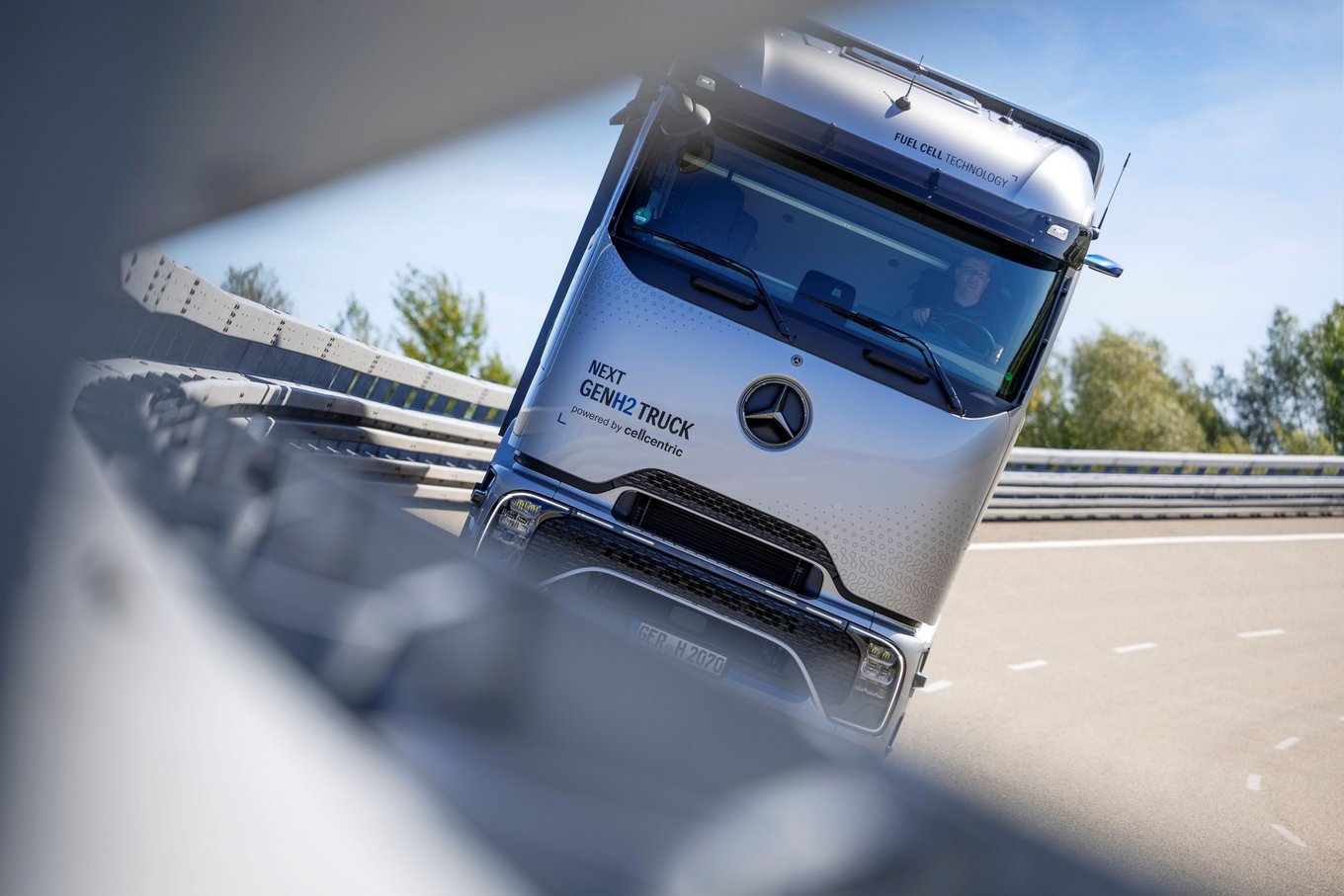
Mercedes-Benz NextGenH2 Truck on the road

Building a global hydrogen champion

31.03.2026 | Fuel Cells

We at Daimler Truck are pursuing a dual-track strategy to decarbonize transport with batteries and hydrogen. Because it enables us to provide our customers with the best solutions, depending on the use case. Because it makes decarbonization faster and more cost-efficient for our industry. And because it strengthens the long-term competitiveness and resilience of our company – and of Europe as a whole. Now, we want to move forward and go the next big step in terms of hydrogen-powered trucking – together with Toyota Motor Corporation. An article by Andreas Gorbach.

On March 31, 2026, we announced that the world’s largest automotive manufacturer and fuel cell pioneer Toyota aims to join us and Volvo Group as equal shareholder in our fuel cell joint venture cellcentric. Together, we share the vision of a hydrogen society and the understanding that hydrogen-powered trucking is a pivotal element – and cellcentric the go-to place for fuel cell technology in commercial vehicles worldwide. This comes with three main upsides:


Three main upsides

STRENGTHENING DEVELOPMENT: Bringing in Toyota’s 30 years of competence in fuel cell development and production technology can further increase cellcentric’s competitive edge. At the same time, cellcentric remains the center of competence that develops, produces and commercializes fuel cell systems for heavy-duty on road transport and comparable applications.
SCALING FASTER: Key to building a hydrogen economy is to reach the tipping point when initiatives scale along the entire value chain. Getting there is the hardest part – and the best way to master it is with strong partners. Together with Toyota, we have the possibility to scale hydrogen technology much faster.
BUILDING A HYDROGEN ECOSYSTEM: Joining forces is always an important signal to customers, suppliers and other players in the ecosystem. Essentially, we can create a powerful voice to actively support the development of hydrogen supply and infrastructure – from electrolysis and liquefication to shipping and hydrogen refueling stations.
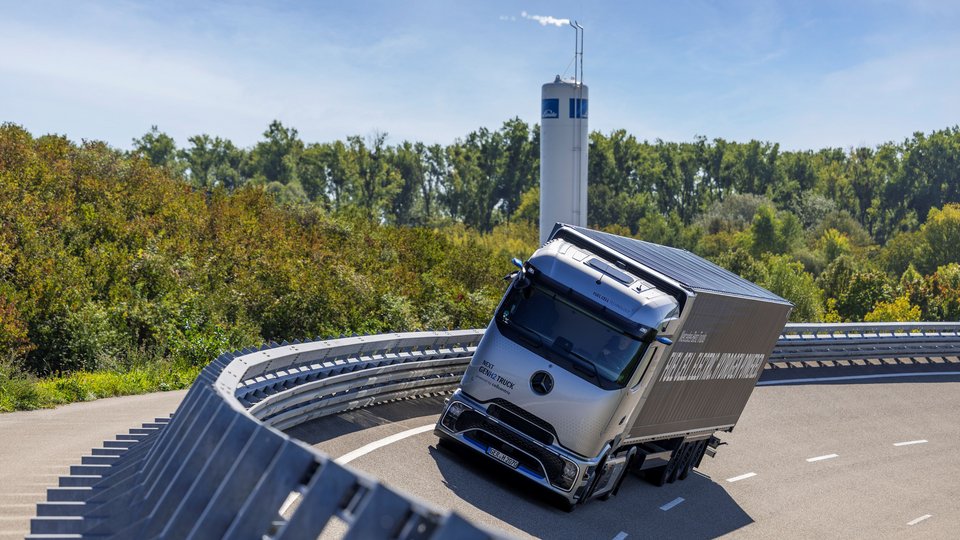
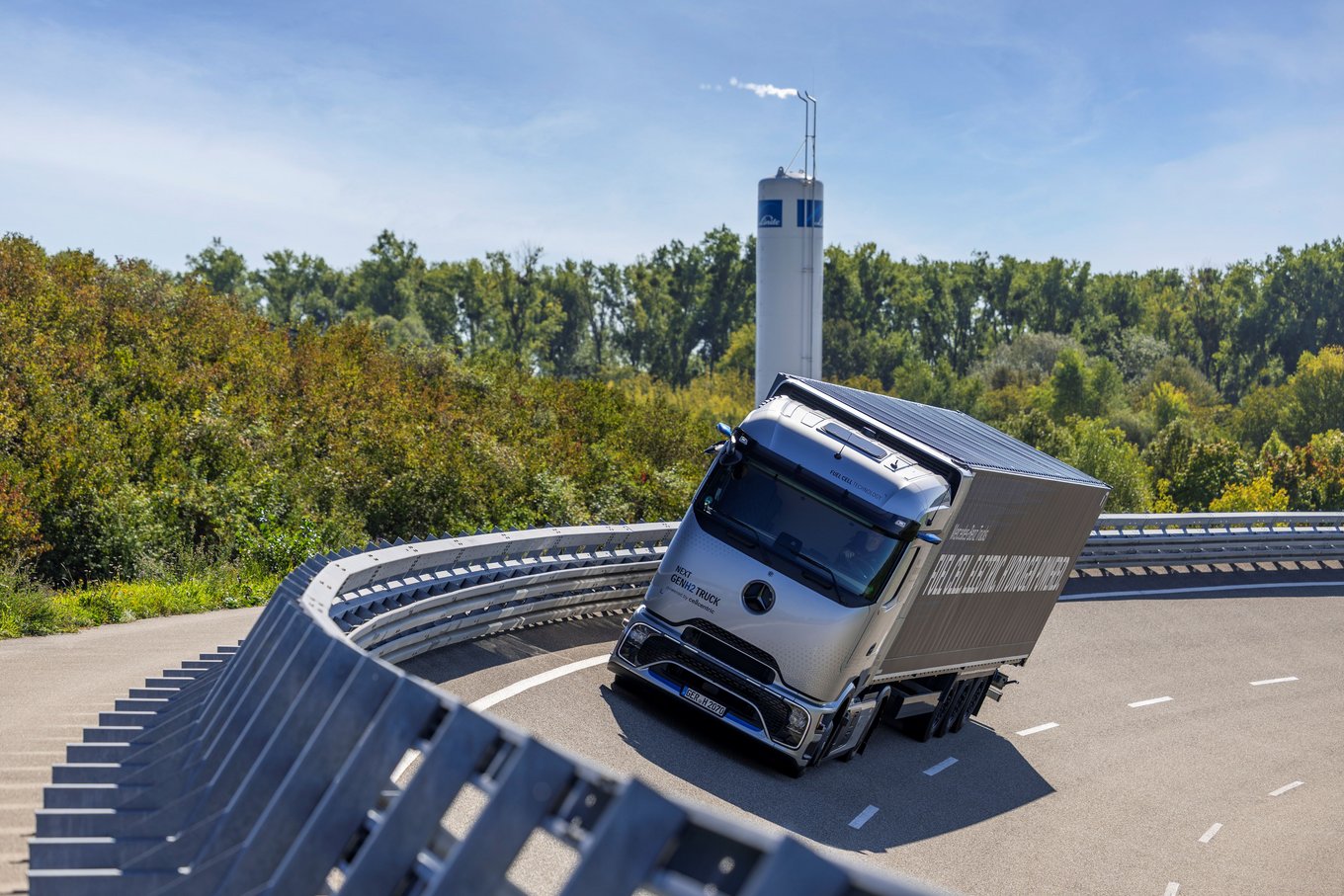
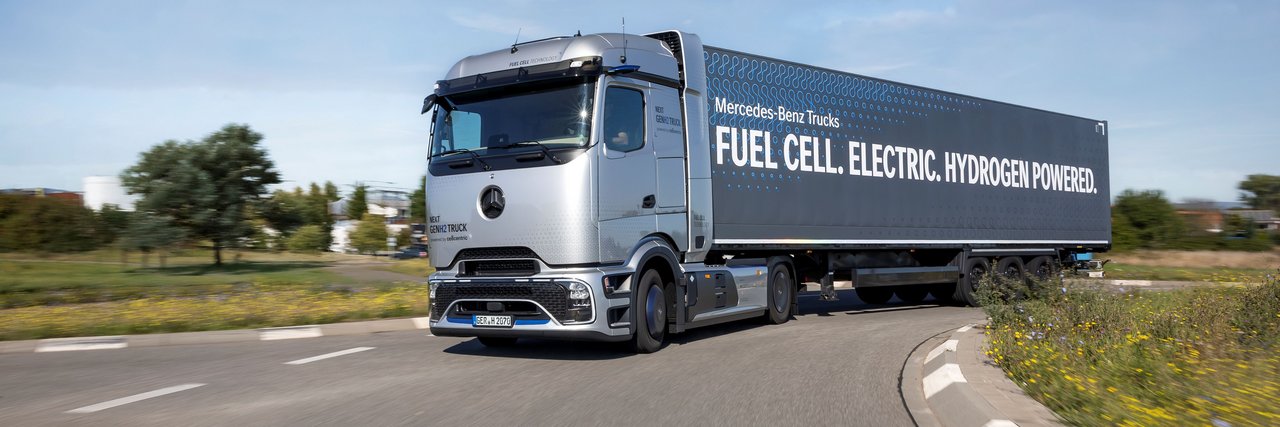
Mercedes-Benz NextGenH2 Truck on a countryside road

Why hydrogen is key for the future of trucking and a resilient Europe

Subject to final agreement by all relevant parties and authorities, welcoming Toyota will be the next big step in implementing our Daimler Truck technology strategy and our joint vision of a hydrogen society. Here are the key points why hydrogen vehicles are the perfect complement to battery-electric vehicles:

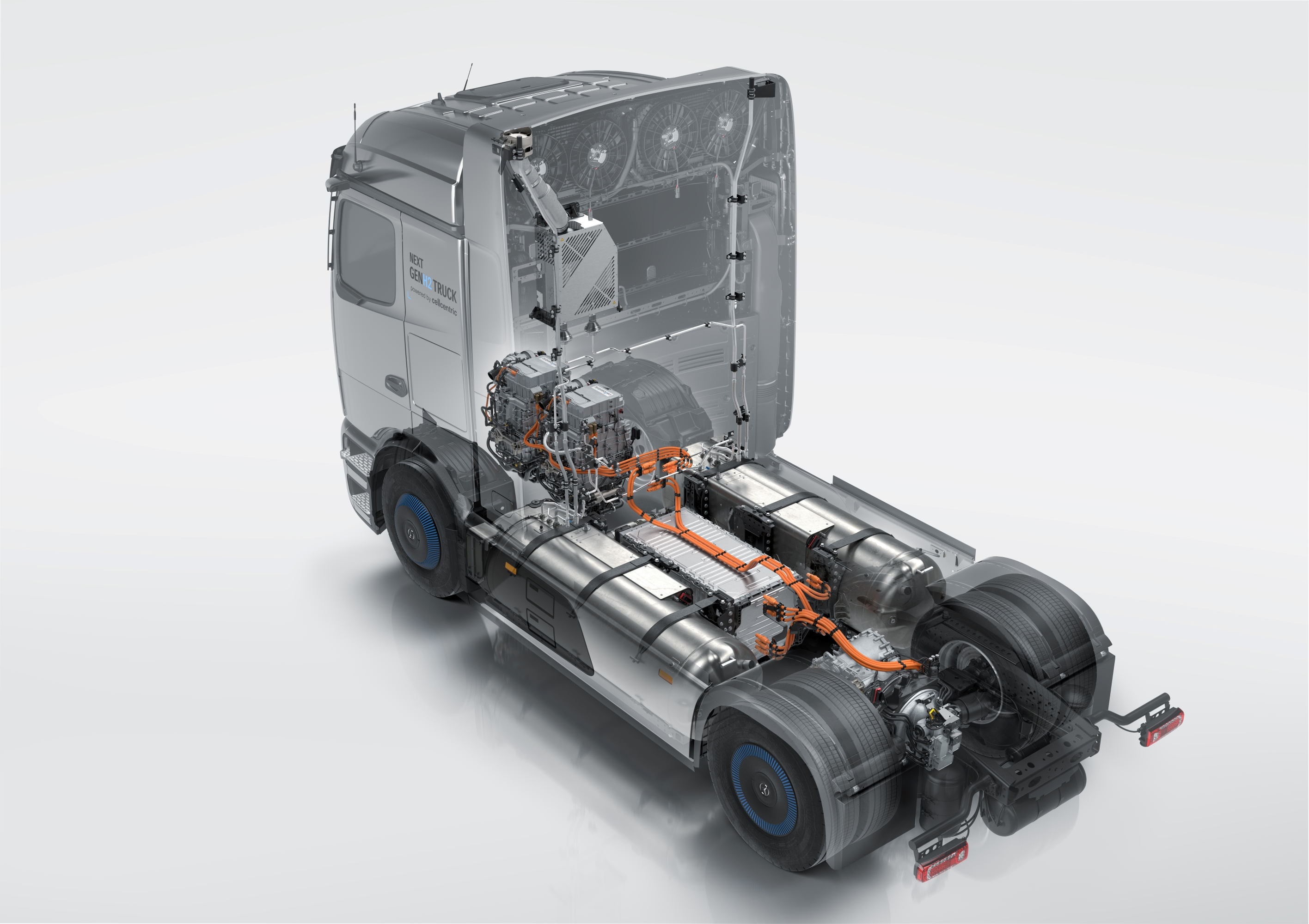
X-Ray of the Fuel Cell Truck Powertrain

Customers

“Battery first” is and remains to be the right approach and covers many use cases for customers. But when it comes to distances well over 1,000 kilometers, high payloads, energy-demanding tasks like refrigerated transport or flexibility for demanding routes, hydrogen is the better customer solution. So far, we have completed more than 225,000 km of real-world operations in initial customer trials with our Mercedes-Benz GenH2 Truck – customer feedback is great and the next wave of customer tests is well under way.

Infrastructure

When we look at infrastructure, a “battery‑first” approach makes a lot of sense as well. Battery‑electric trucks can use the power grid that already exists. But here’s the challenge: if you try to charge ten long‑haul trucks at the same rest stop in just 45 minutes, you need about ten megawatts of power. That’s about the same electricity demand as a small town. You can imagine how quickly today’s grid reaches its limits. The good news is: building out both the electric‑charging network and the hydrogen network at the same time is actually faster and more cost‑effective for our industry. That’s not true for the first chargers, which fit easily into the current grid – but once (and that’s soon) the grid hits its limits, expanding it alone (to such a massive extend) becomes much slower and much more expensive. And there is already good progress on the hydrogen side. I recently saw for myself how quickly hydrogen electrolysis plants are being constructed in Saudi Arabia. And in Germany, the Federal Ministry of Transport has announced €220 million in funding for hydrogen refueling stations and vehicles. These are the kinds of steps that help us build the infrastructure our industry needs to move forward.

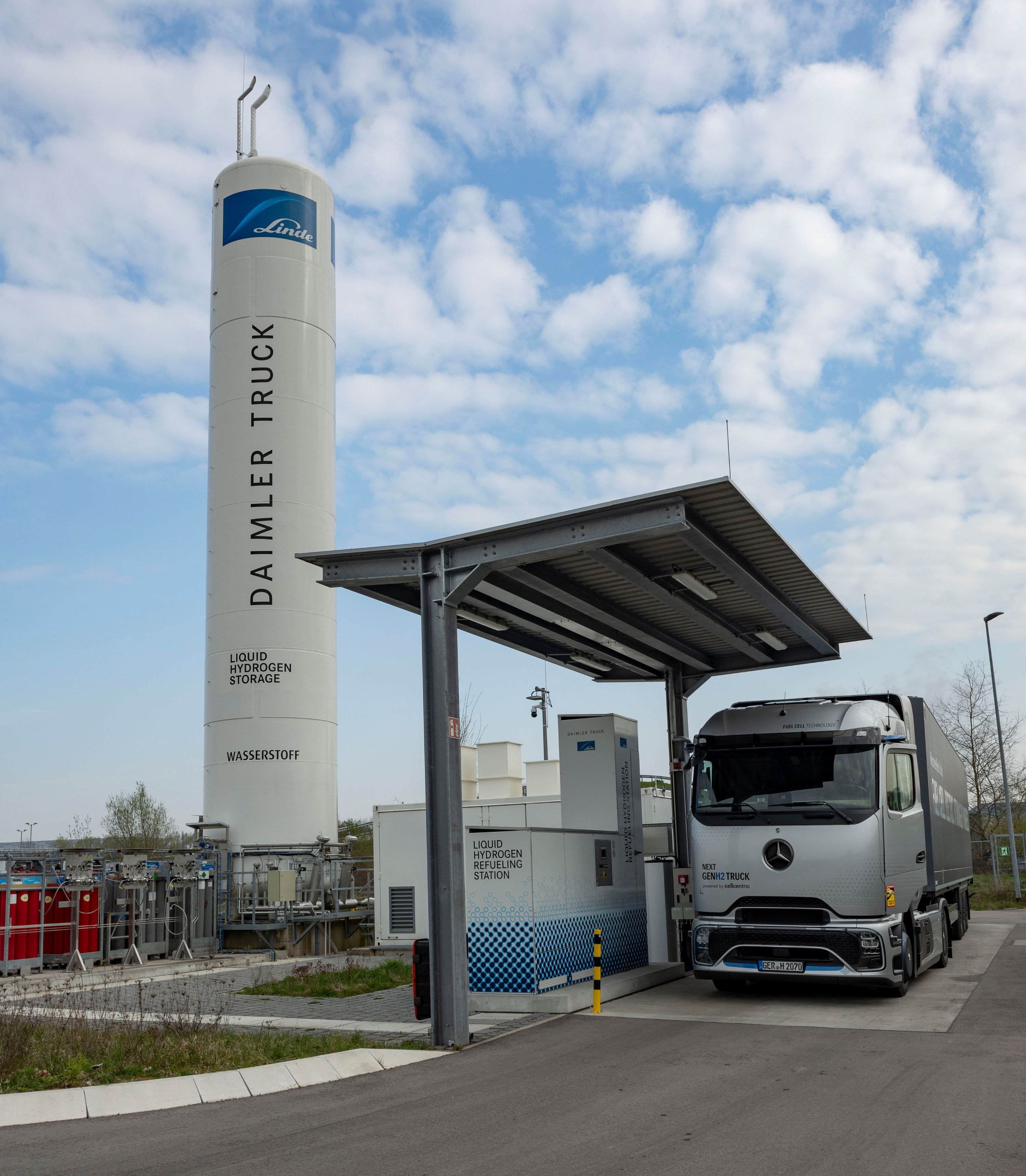
Mercedes-Benz NextGenH2 Truck standing in fuel cell station
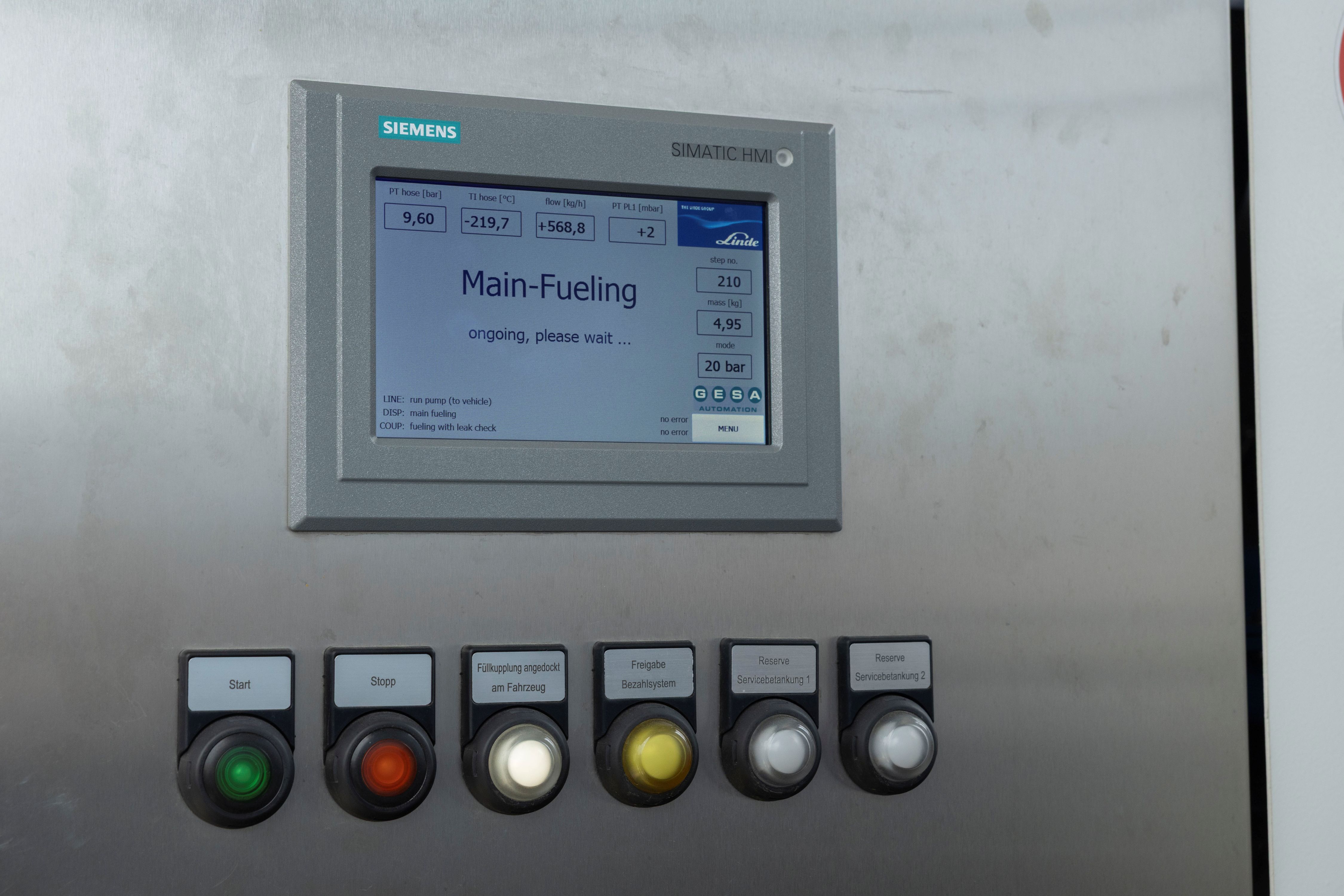
Display of a fuel cell station

Energy

Today, Europe imports more than 50 percent of its primary energy as coal, oil, and gas. Recent geopolitical events once again underscore the vulnerability of these energy sources – irrespective of climate change. Hydrogen can increase the availability of globally tradable, renewable and inexhaustible energy, taking pressure off the energy system and strengthening its resilience. Production can be concentrated in regions with abundant sun and wind. And once hydrogen drops to approx. five euros per kilogram, operations become economically attractive for our customers. China, for example, is already targeting a hydrogen price of around three euros per kilogram.

Competitiveness

Hydrogen offers our company and also Germany and Europe overall a historic opportunity. Thanks to our industrial base, technological expertise and manufacturing capabilities, we are global leaders in hydrogen and fuel cell technology – for now. With Toyota joining, we can make cellcentric the go-to place for fuel cell technology in commercial vehicles worldwide. This can also strengthen Europe’s economic resilience by opening new markets for European companies and keeping value creation for long-term differentiating technologies, which also aligns with the ongoing discussions on the Industry Accelerator Act. At the same time, hydrogen reduces geopolitical dependencies, as the materials needed for fuel cells are largely available and recyclable in Europe. 

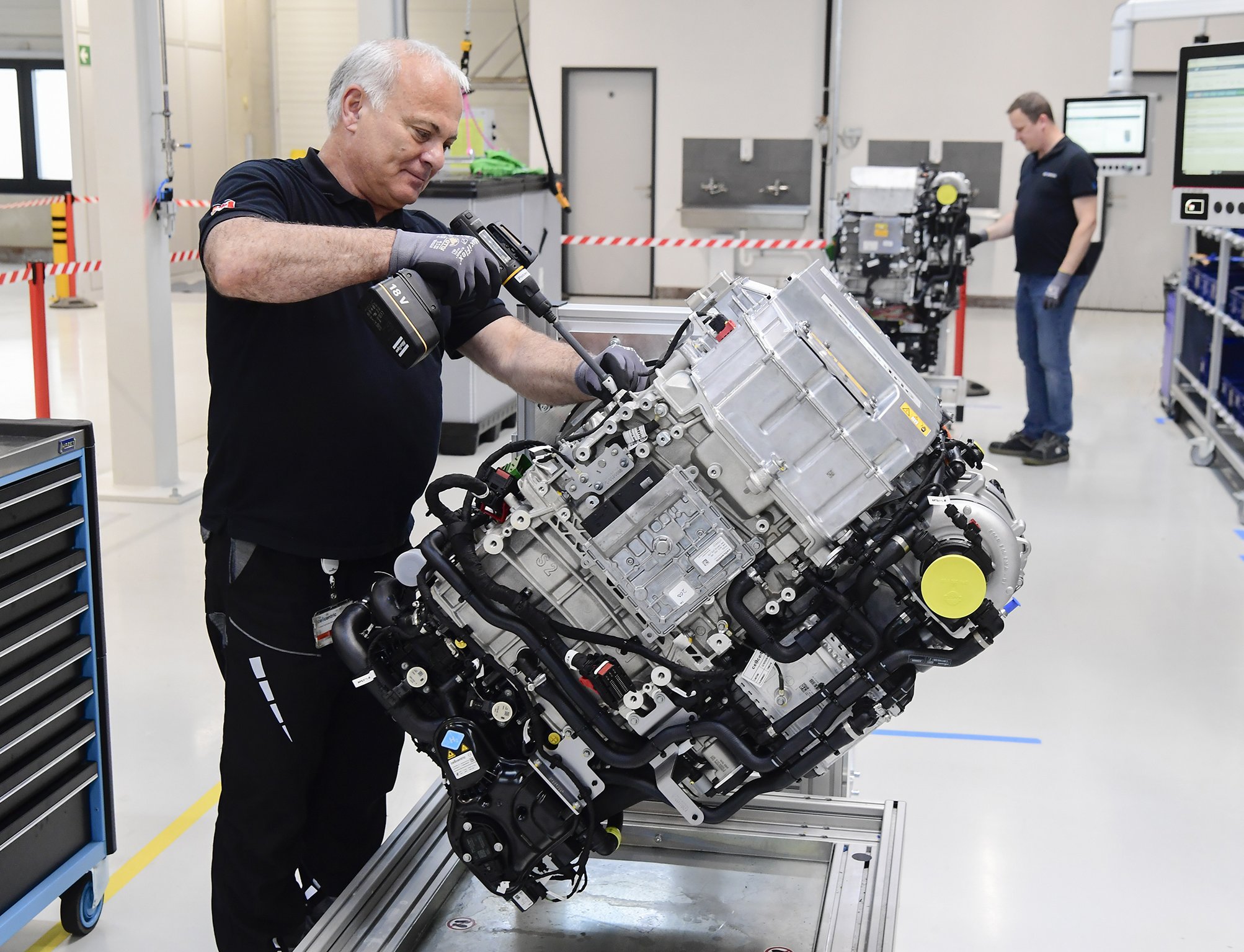
An employee is working on an engine

The next big step

Battery-electric trucks have been in series production for years. In 2025, Mercedes-Benz Trucks led the European market for medium-/heavy-duty battery-electric trucks with more than 35 percent market share. Like I mentioned before: Battery first is the right approach. But looking into the near future, battery only will not be sufficient. 

With our hydrogen activities, we deliver on the second pillar of our dual-track strategy. And we do so at the speed of right – making sure we serve our customers with the right zero-emission technologies they need to perform their important jobs for economy and society. And making sure we have the right product portfolio to keep moving forward and stay competitive in the future.

Together with Volvo Group and Toyota, we can seize the full potential of fuel cell technology made in Europe for commercial vehicles!

About the author

Dr Andreas Gorbach is Member of the Board of Management of Daimler Truck AG and Head of Truck Technology. Prior to his current position, he was CEO of the fuel cell joint venture cellcentric of Daimler Truck AG and the Volvo Group. Before that, Gorbach was Head of Product Management for the global generations of engines and axles at Daimler Truck. In addition, he was responsible for climate protection and air quality within the company’s sustainability strategy.

Gorbach started his career at Daimler Truck in 2005 in the powertrain development department. He held various management positions in the following years, including Head of Development for the global engine platforms.